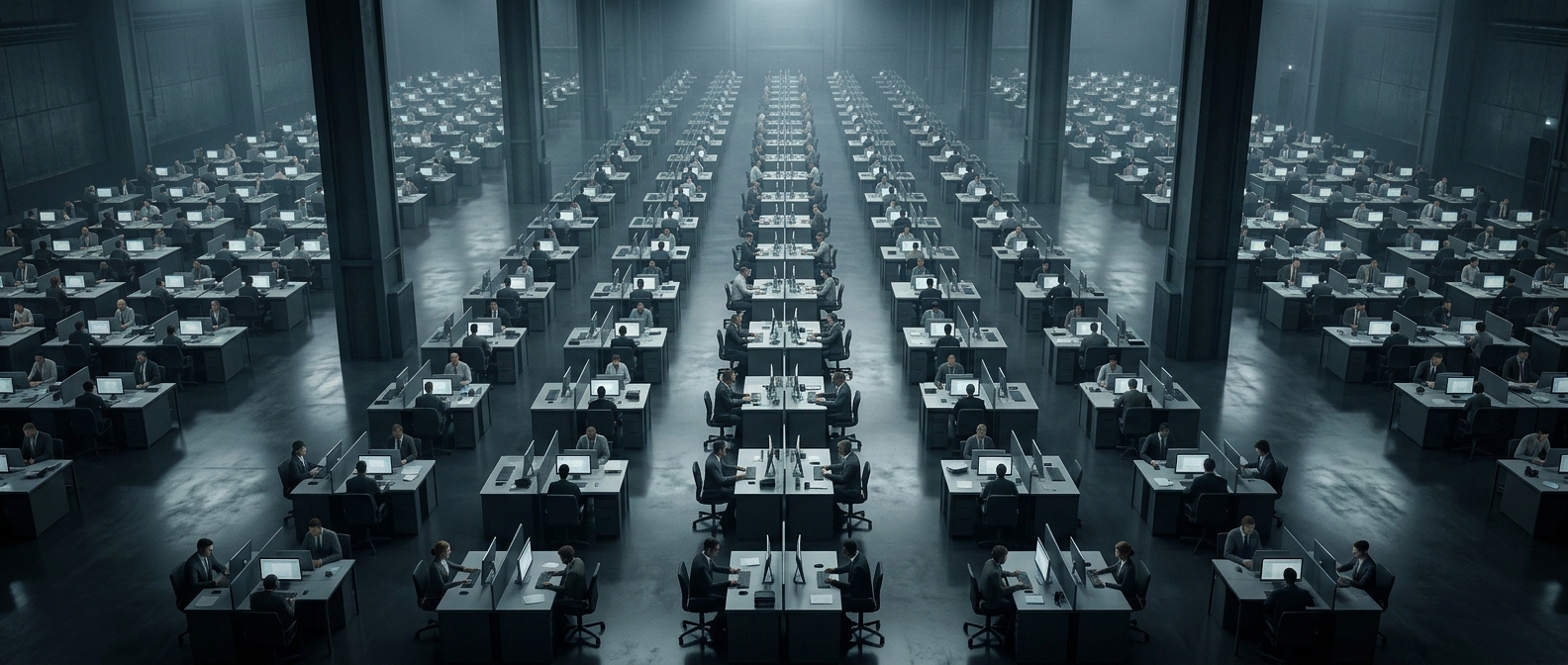
The economics behind the missing walls
An office lease is often a large, relatively fixed cost: the rent is due whether a floor holds 80 people or 100. When desks can be arranged more densely, the same space can support a larger workforce—or a growing company can delay renting more space. Fewer permanent partitions can also make it easier to rearrange a floor as teams change.
That makes open offices attractive even when the promised collaboration is uncertain. The financial benefit is visible on a floor plan; the benefit of a chance conversation is harder to predict or measure.
The tradeoff moved into the workday
Removing walls does not eliminate the need for quiet, privacy, or concentration. It changes who bears the cost of providing them. In a shared room, conversation and movement are harder to screen out, so workers may lose time to interruptions or seek conference rooms and other quiet spaces. Those workarounds take space too, and can offset some of the apparent savings.
Meanwhile, spontaneous contact is only useful when it helps people do their jobs. A quick exchange can solve a problem, but constant exposure to nearby activity can make sustained tasks more difficult. The same layout can therefore help one kind of work while hindering another.
A cheaper floor is not automatically a better office
The lasting appeal of open plans comes from a clear incentive: use expensive space efficiently and keep layouts flexible. But the calculation is incomplete if it counts desks while ignoring the conditions workers need to focus. An office may fit more people per square foot and still make each person’s work harder to complete.