Why an object is treated as a doorway to the past
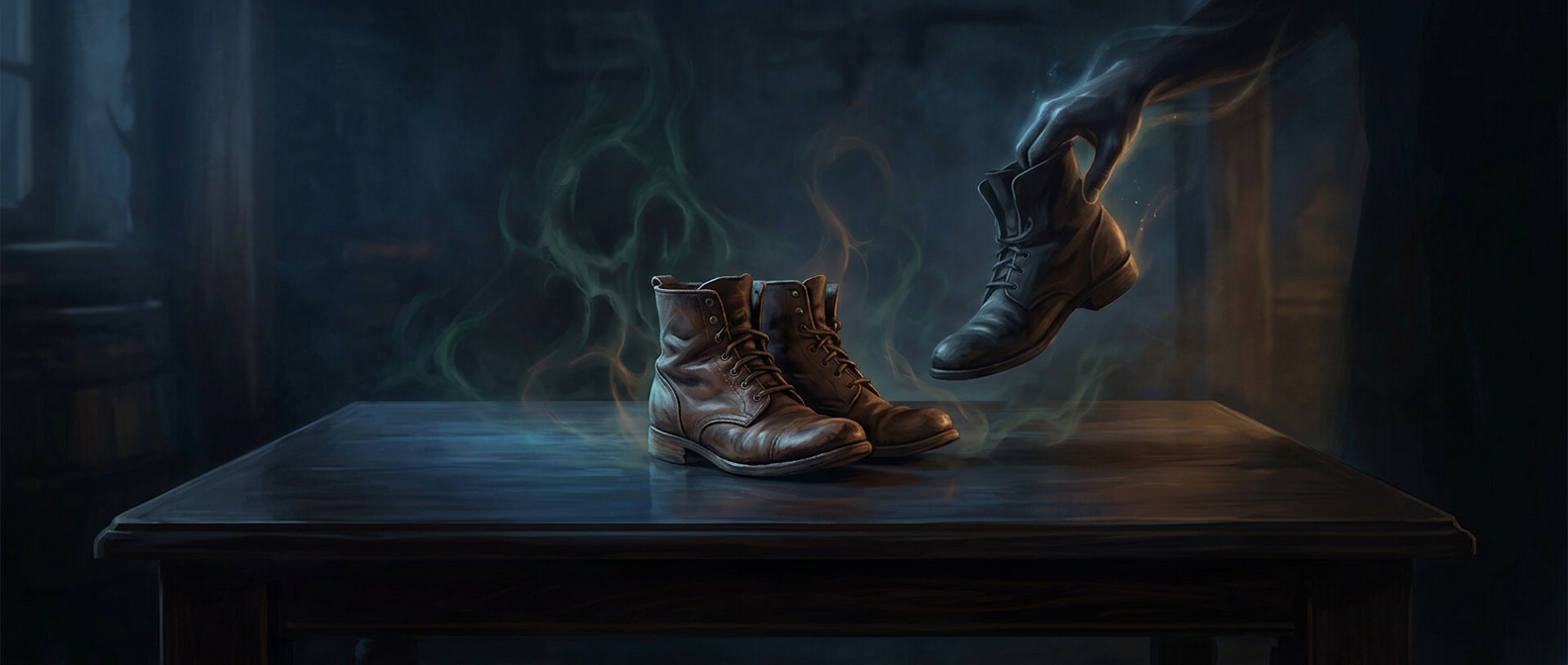
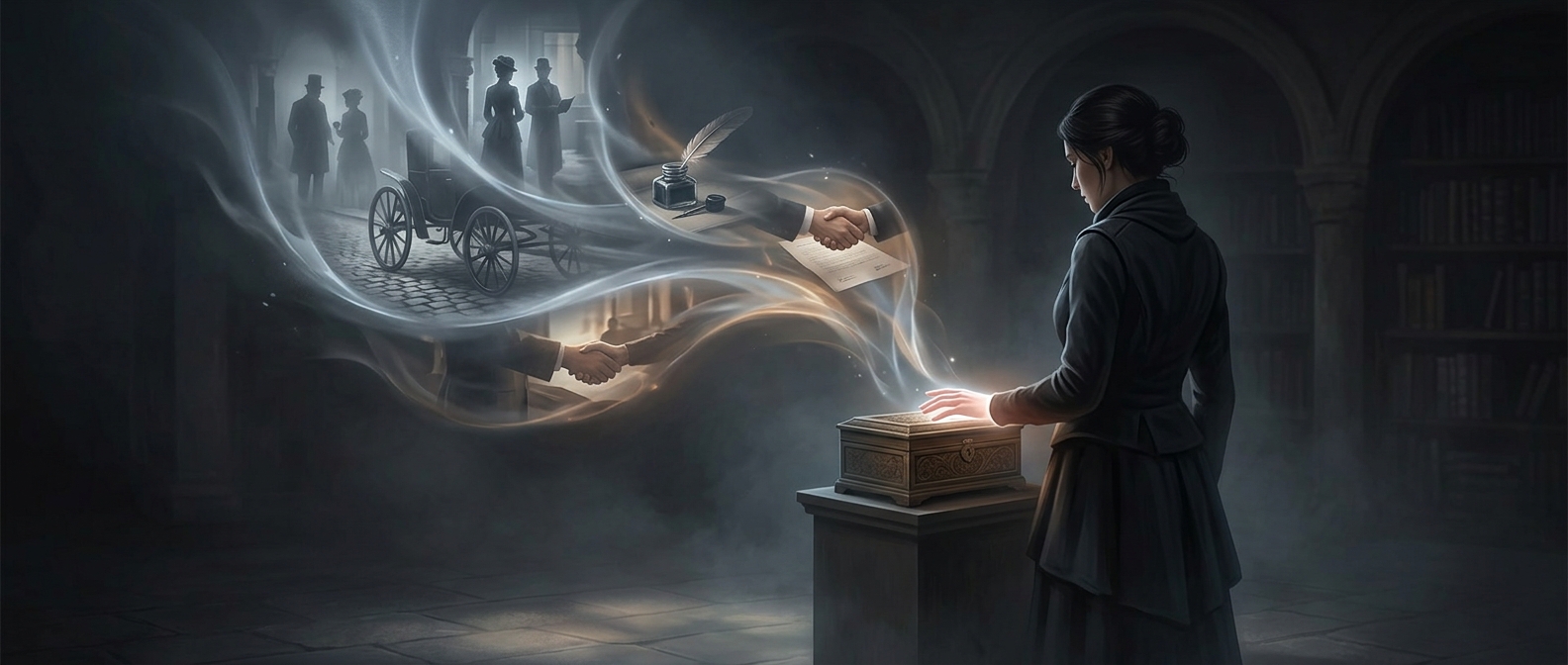
In psychometry, an ordinary possession is thought to carry impressions of the people and events connected to it. A practitioner may hold a watch, photograph, or piece of jewelry and describe images, emotions, or scenes that seem to arise from contact. The object is not usually treated as a message with words attached; it serves more like a focus for sensing a person’s history.
The idea gives personal belongings a special role: they have been close to someone, handled repeatedly, and present during moments of that person’s life. Within the practice, that connection is understood as leaving an impression that a sensitive person can perceive. A pocket watch, for instance, might prompt a reading about its former owner rather than about how the watch was made.
How a reading takes shape
A session often depends on interpreting impressions as they come. A fleeting image or feeling may be linked to the owner, then developed into a broader account. Because the impressions can be symbolic or incomplete, the practitioner’s interpretation is central to the process; the object does not supply a clear, independently readable record.
Psychometry is a spiritual or psychic belief, not an established way to retrieve information from an object. Its distinctive appeal lies in the thought that a cherished possession might hold more than its visible history: it might, for a practitioner, offer a personal route into the life of someone who once carried it.