Why a border interview can reach beyond your bags
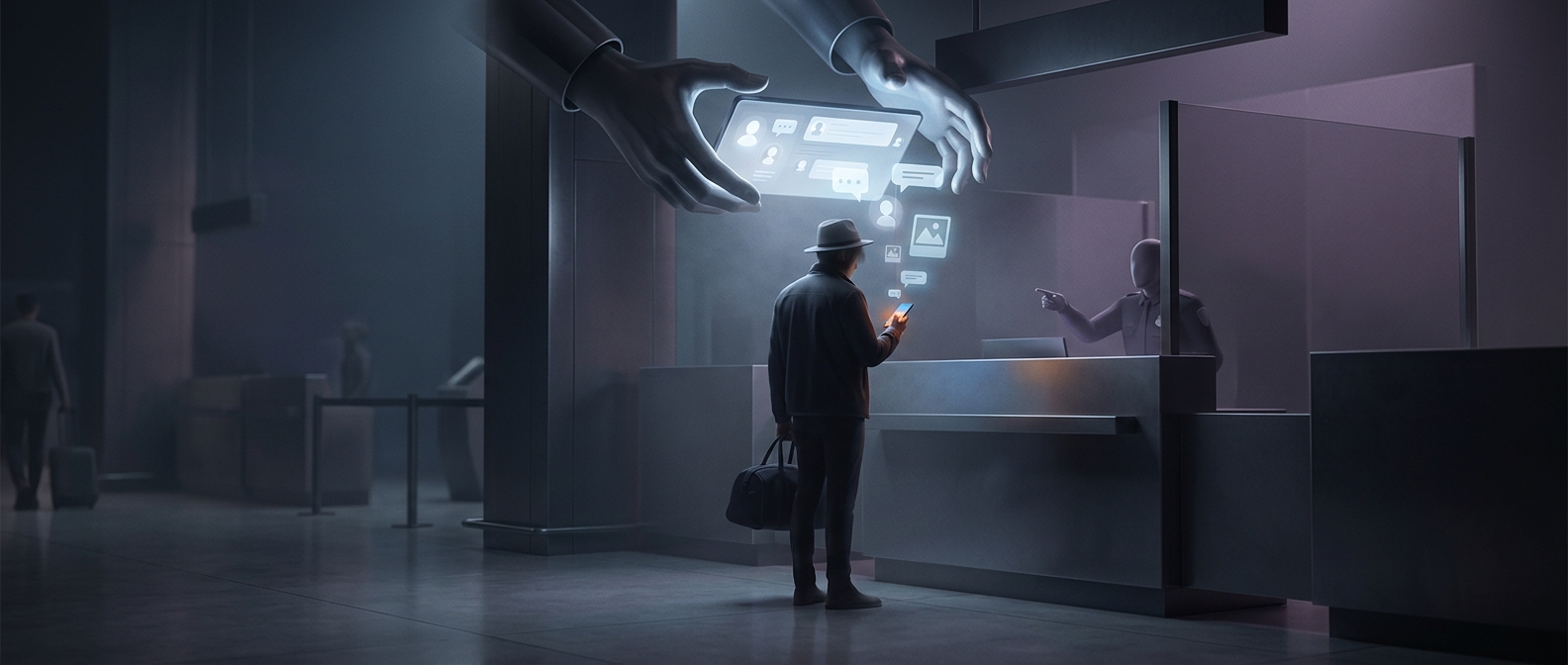
A border inspection is not always limited to checking a passport and asking where you plan to stay. In some countries, officers may ask travelers to unlock a phone or provide account credentials so they can examine information relevant to the visit. The authority to do this—and whether a traveler can refuse—varies by country and by immigration status.
A phone can expose more than a traveler’s public posts: messages, contacts, photos, and accounts may help officers assess identity, travel plans, or whether the stated purpose of a trip fits the person’s circumstances. A request to review social media is therefore part of a broader decision about entry, not simply a judgment of whether an account is popular or controversial.
How online speech can affect a visa decision
A visa is permission to travel to a border and seek entry; it does not guarantee admission. Officials may consider whether an applicant meets the country’s entry requirements. In places where political views or public commentary are treated as relevant, posts criticizing the government could draw scrutiny or contribute to a refusal. That does not mean every critical post automatically disqualifies a traveler: the rules and how they are applied differ, and an officer may weigh the wider context.
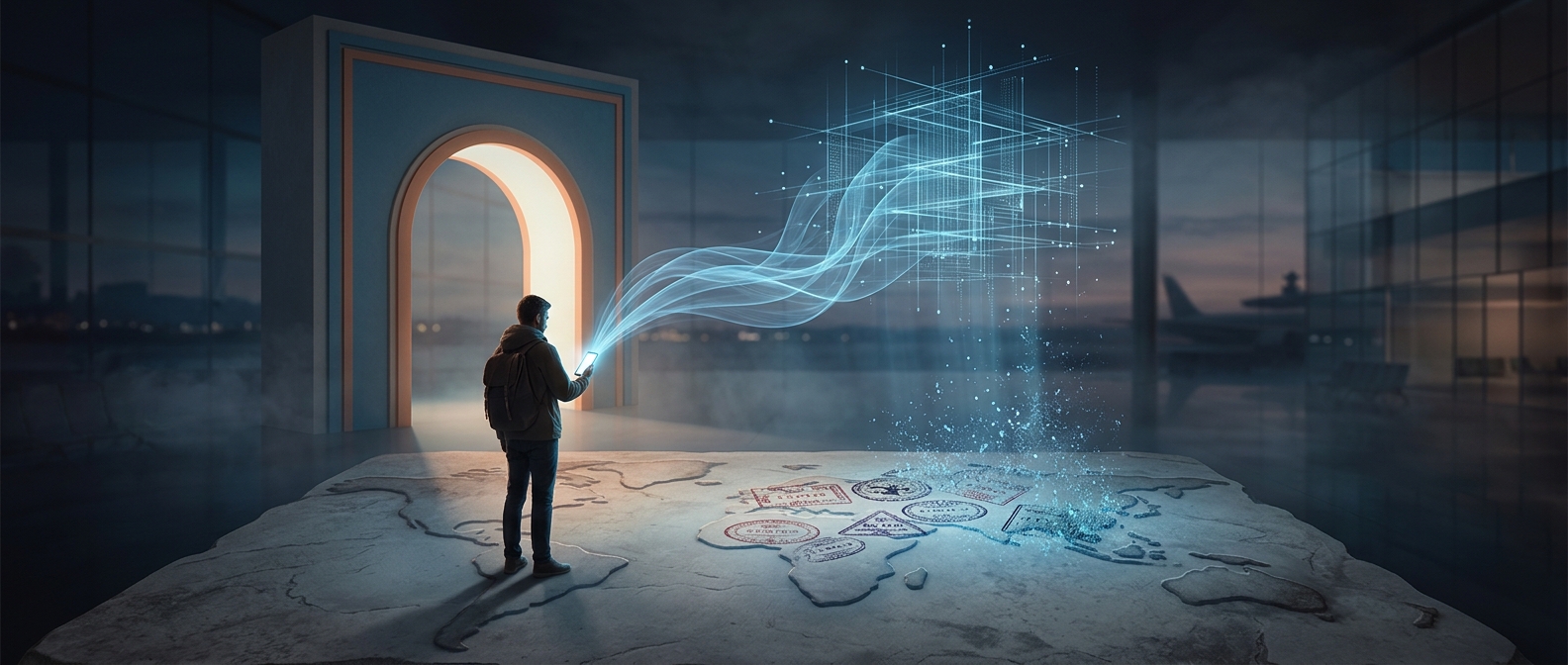
The practical consequence is that a traveler’s digital life can become part of an inspection even when the trip itself is ordinary. Before traveling, it is worth checking the destination’s current entry and device-search rules, especially if refusing a request could affect admission. A border crossing can turn a post meant for an online audience into information considered in a decision about whether its author may enter.