A border inside Rome
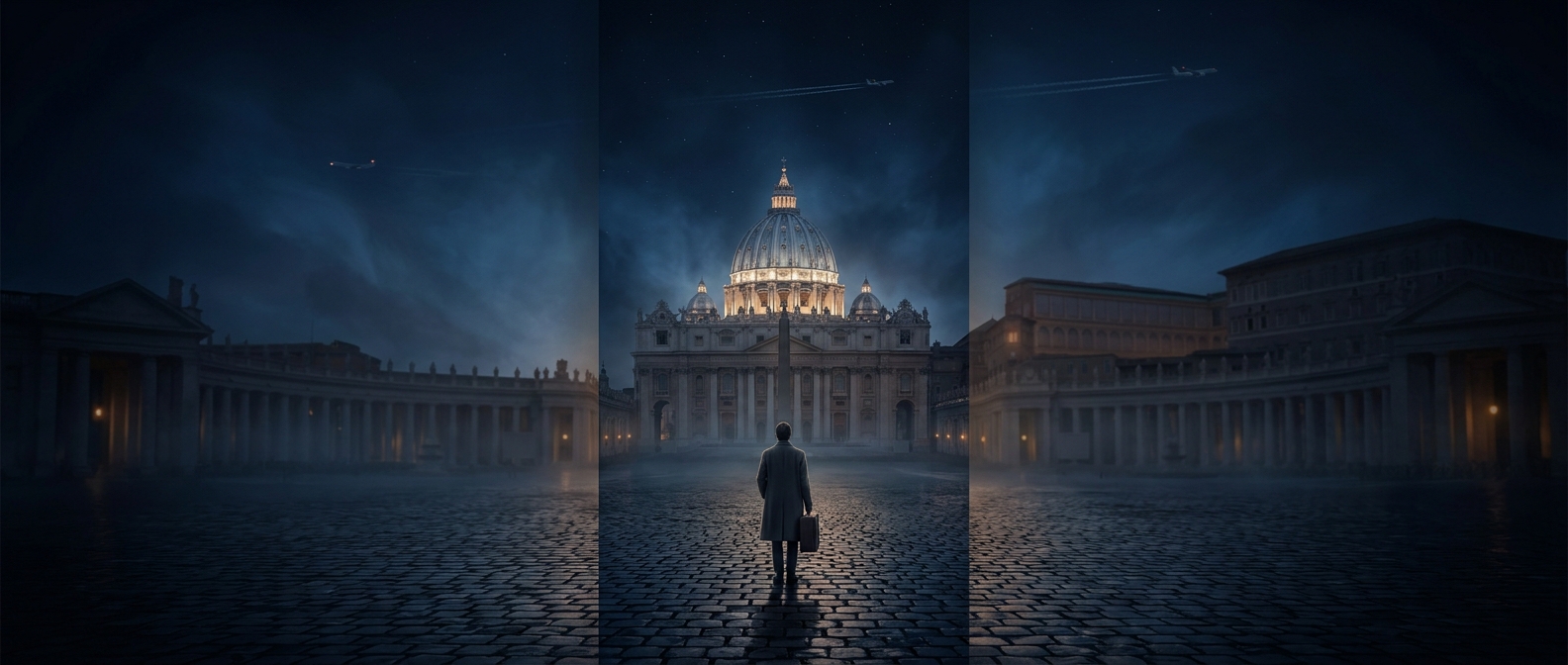
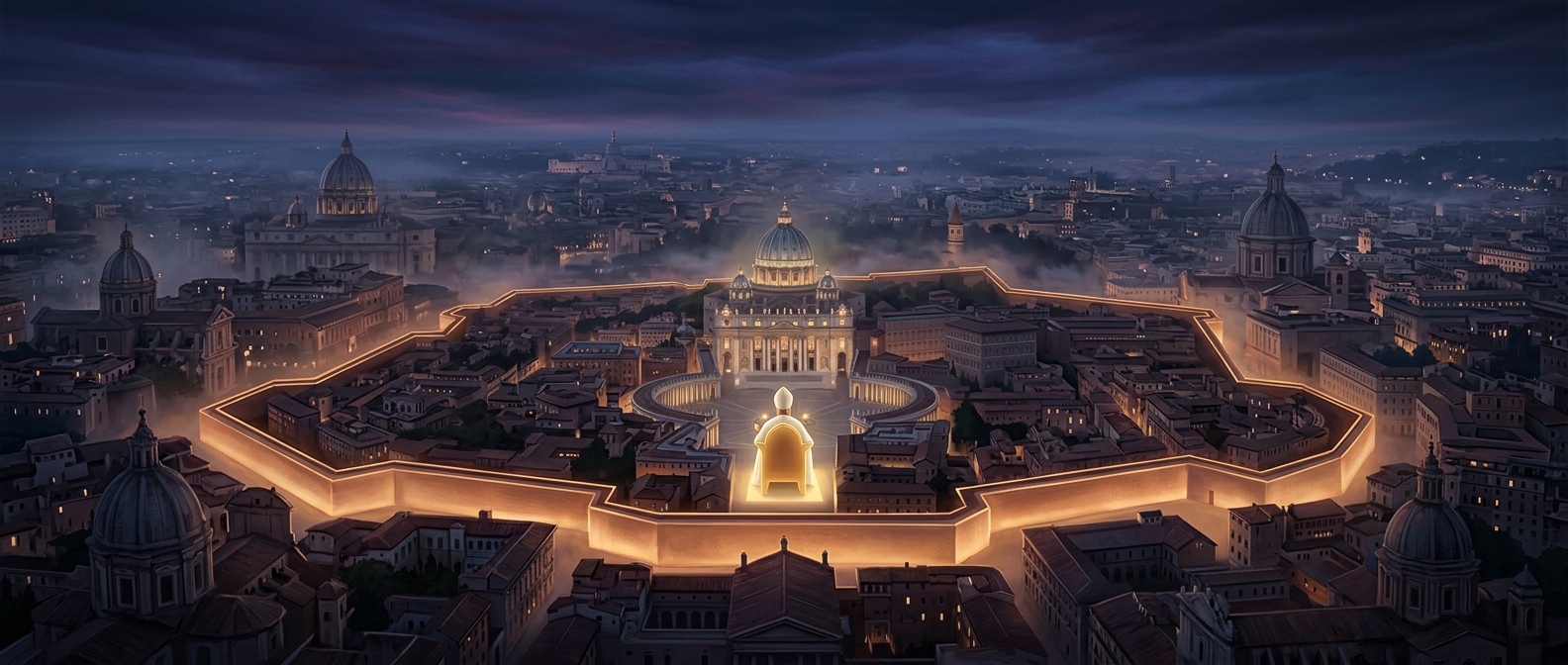
Vatican City is a sovereign state completely enclosed by Rome, but its boundary does not function like the edge of a distant country. At St. Peter’s Square, visitors can walk in from the surrounding city without passing through a conventional border checkpoint. Elsewhere, walls and gates mark where Vatican territory begins. The result is a state whose international boundary is woven into an ordinary urban landscape.
The treaty behind the map
The arrangement dates to the Lateran Treaty of 1929, which recognized Vatican City as an independent state and resolved a long-running dispute between the Italian government and the papacy over political authority and territory. The treaty gave the pope a small, clearly defined sovereign base rather than restoring the much larger Papal States that had once ruled parts of Italy.
A useful distinction: Vatican City is the territory; the Holy See is the governing institution that represents the Catholic Church in diplomacy. The two are closely connected, but they are not interchangeable. The city-state’s independence provides the Holy See with a territorial base of its own.
A country with city-sized infrastructure
That compact setting shapes daily life. Vatican services—including its post office and radio station—serve an institution with international reach from within a tiny enclave surrounded by Italy. Mail and broadcasts can cross the boundary easily, but the state’s own institutions make the point: Rome surrounds Vatican City geographically, while the treaty gives it a separate political identity.