The car is becoming a service platform
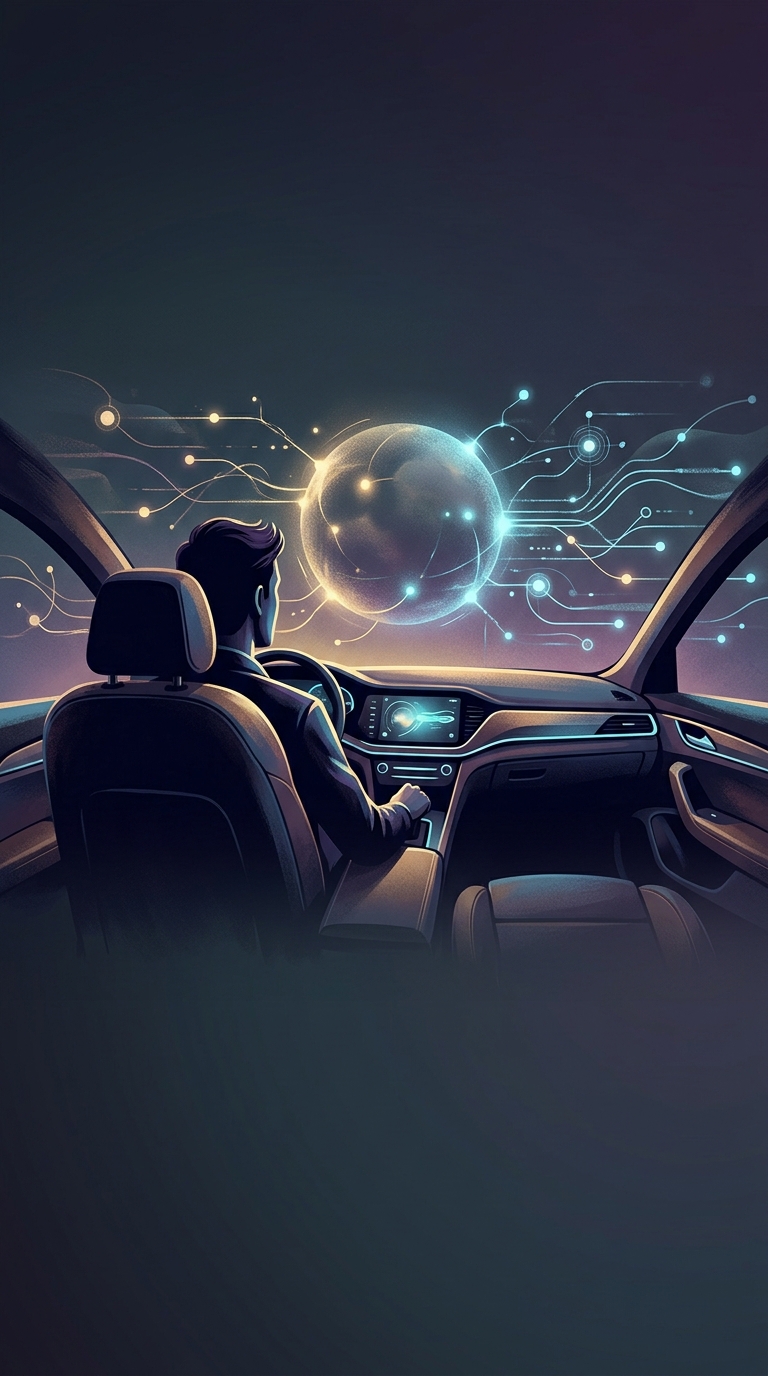
A traditional car mostly earns its manufacturer money when it is sold. An internet-connected car can keep generating value afterward: its software can be updated, its systems can report problems, and some features can be offered through an app or subscription. That gives automakers a reason to maintain a digital relationship with owners long after the vehicle leaves the showroom.
The connection also lets a manufacturer send software updates over the air, much as a phone receives updates without a trip to a shop. Updates can fix bugs or adjust vehicle functions. Remote diagnostics can help identify a fault before a driver brings the car in, potentially making service more convenient and helping the company understand recurring problems across its vehicles.
Data and recurring revenue change the business
A connected vehicle can produce information about how its systems are being used and how they are performing. That information may help manufacturers improve future designs, tailor services, or support maintenance. The commercial appeal is not simply the data itself: connectivity can make it easier to sell navigation, remote controls, entertainment, or other digital features as ongoing services rather than one-time options.
This shifts the economics. A feature that once had to be built into the purchase price can potentially be activated, maintained, or charged for later. The manufacturer gains a chance at recurring income; the owner may gain convenience, but may also face fees for capabilities that feel like part of the car they already bought.
Convenience comes with a tradeoff
Keeping a car connected requires software, servers, cybersecurity work, and support. It also creates questions about who can access driving and vehicle data, how long services will remain available, and what happens when an app or network connection fails. For drivers, the practical difference is that a car’s usefulness may increasingly depend not only on its hardware, but on services controlled by the company that built it.
That is the deeper business change: the sale is no longer necessarily the end of the transaction. The car can remain a point of contact—and a potential source of revenue—for years after delivery.