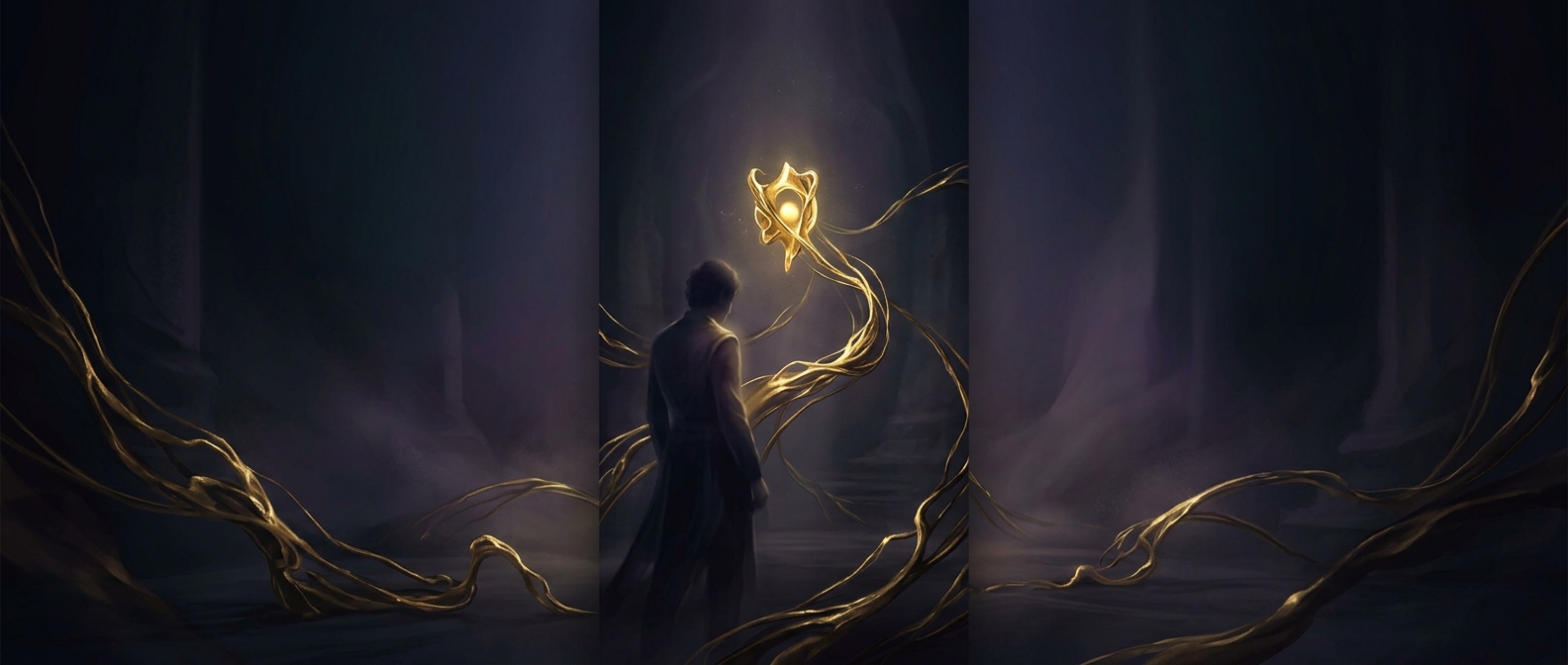
Attention Is Held by Returning
A loud noise or an irritating person can seize attention before you have consciously decided to focus on them. The practice is not to make the sound disappear; it is to keep choosing what deserves your attention. A steady anchor—such as the feeling of your feet on the floor, your breathing, or the task in front of you—gives the mind somewhere specific to return.
Notice the Pull, Then Choose
The useful moment comes when you recognize that attention has wandered. You might notice a door slamming, feel annoyance rising, and then redirect your focus without following the distraction into a chain of thoughts. That brief pause separates the stimulus from your response: the noise is present, but it does not have to dictate what you do next.
This is why the practice can involve irritation as well as sound. Trying to suppress every reaction can make the distraction more compelling. Instead, acknowledge what has captured your attention and deliberately come back to the chosen anchor. Each return is part of the exercise, not evidence that it has failed.
Focus Without Needing Silence
Practiced this way, concentration depends less on arranging perfect surroundings and more on repeatedly steering attention. The concrete test is simple: when the next interruption arrives, can you notice it and return to what you meant to be doing?