The missing press is only part of the bill
An e-book has no paper, binding, warehouse shelf, or physical delivery, so each additional digital copy is generally cheaper to produce and distribute than a printed one. But the work behind the book still has to be paid for: the author’s advance or royalties, editing, design, marketing, and the publisher’s other costs do not disappear when the pages become a file.
That distinction matters because a book’s price is not simply the cost of making one more copy. Publishers also set prices with the book’s expected sales and the value readers place on it in mind. A lower digital price might attract more buyers, but it also means less revenue per sale.
Two formats can compete for the same reader
The central pricing concern is substitution: someone who buys the e-book might otherwise have bought the print edition. If the digital version is priced far below print, some readers may switch formats rather than buy a book they would not have bought at the higher price. The publisher could sell more e-books yet earn less overall if the lower price cuts into print sales without adding enough new customers.
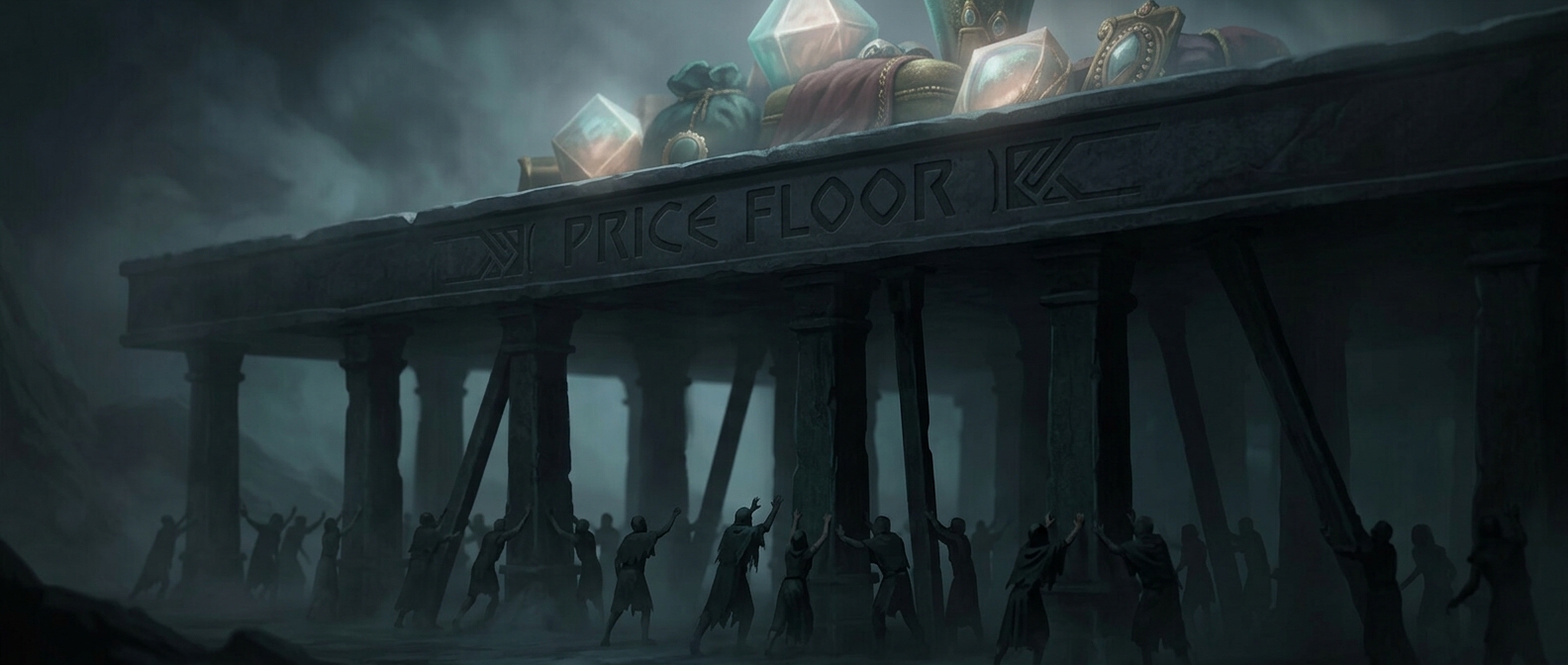
Keeping the prices relatively close can help protect the print edition’s sales and preserve a clear price position for the title. It is a strategy, not a rule: publishers may price formats differently depending on the book, its audience, and how they expect readers to choose.
Lower copy costs do not dictate the shelf price
Print copies do carry costs that e-books avoid, but those savings do not automatically become a matching discount for readers. Publishers are balancing production costs against revenue across formats, not charging only for the materials in each copy. The e-book’s lower cost to deliver is real; the price also reflects the publisher’s effort to avoid trading a print sale for a cheaper digital one.