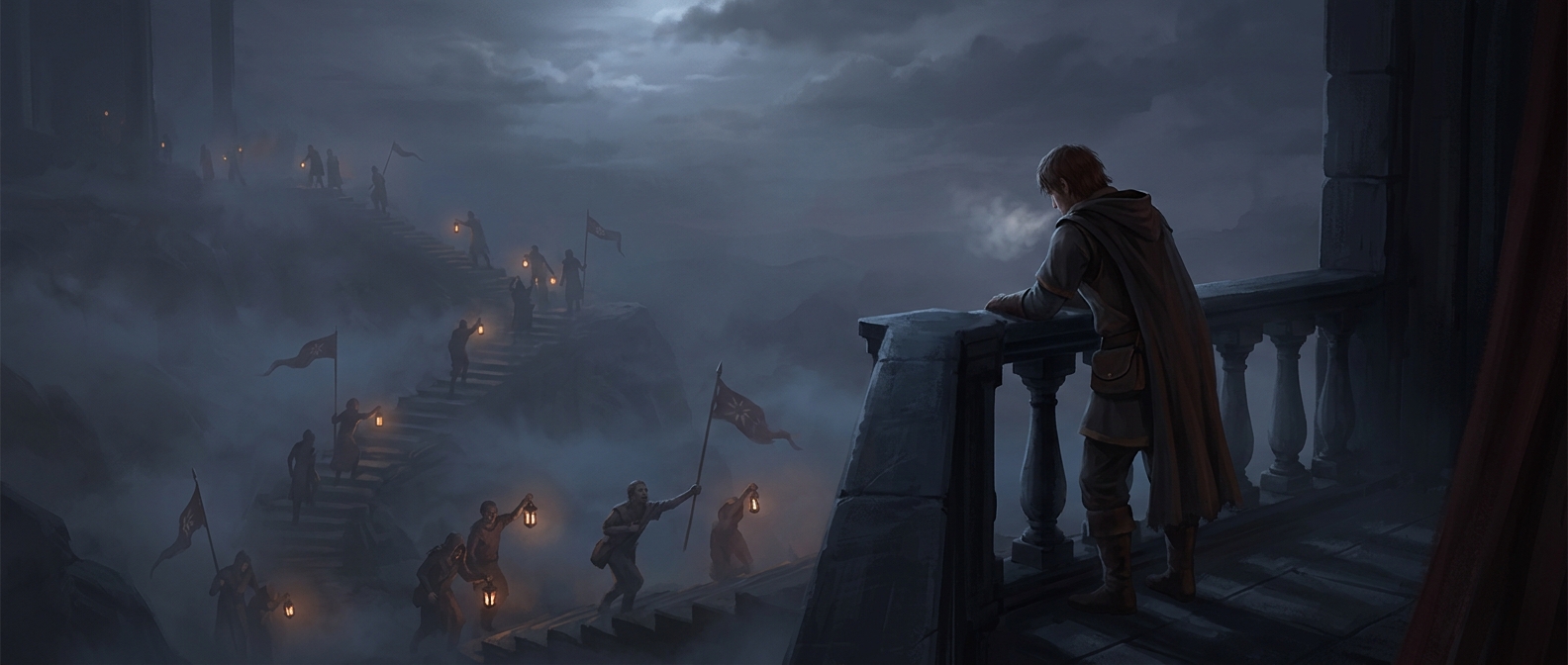
Why a world-saving hero runs local errands
A grand quest gives a game its stakes; a small errand gives the player something concrete to do. Delivering a parcel, finding a missing tool, or gathering supplies can turn a large, unfamiliar world into a sequence of manageable actions. The player learns how to travel, talk to characters, and use basic abilities without every task demanding a dramatic battle.
That practicality also serves the game’s structure. Major missions often require elaborate locations, enemies, and story beats. Small jobs can fill the spaces between them, offering shorter bursts of play and a reason to explore a village or road the main plot might otherwise leave behind.
The joke is built into the mismatch
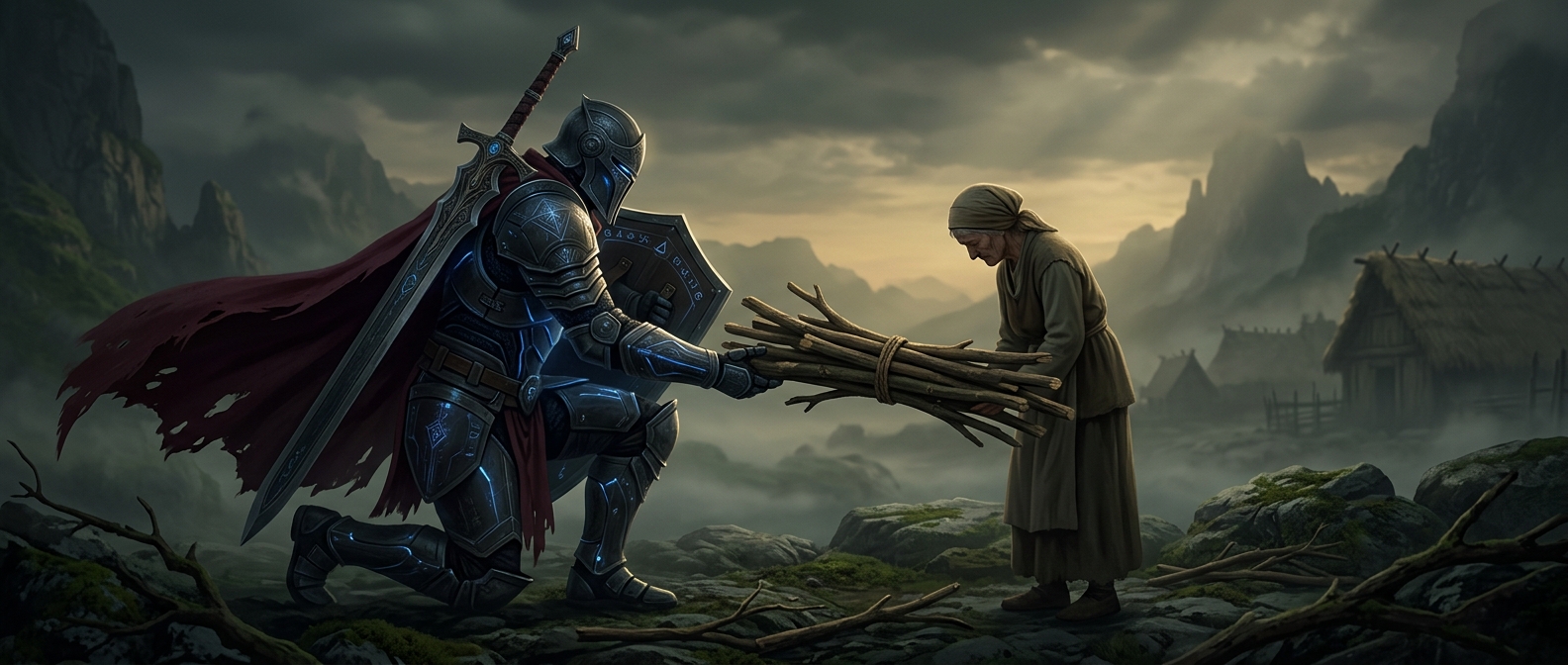
The humor comes from scale. The hero may be carrying the fate of a kingdom, yet a nearby farmer still needs a delivery made. The game treats the errand as urgent to the person who requested it, even when it is plainly minor beside the hero’s larger mission. That gap lets players enjoy a gentle parody of heroic importance without stopping the adventure altogether.
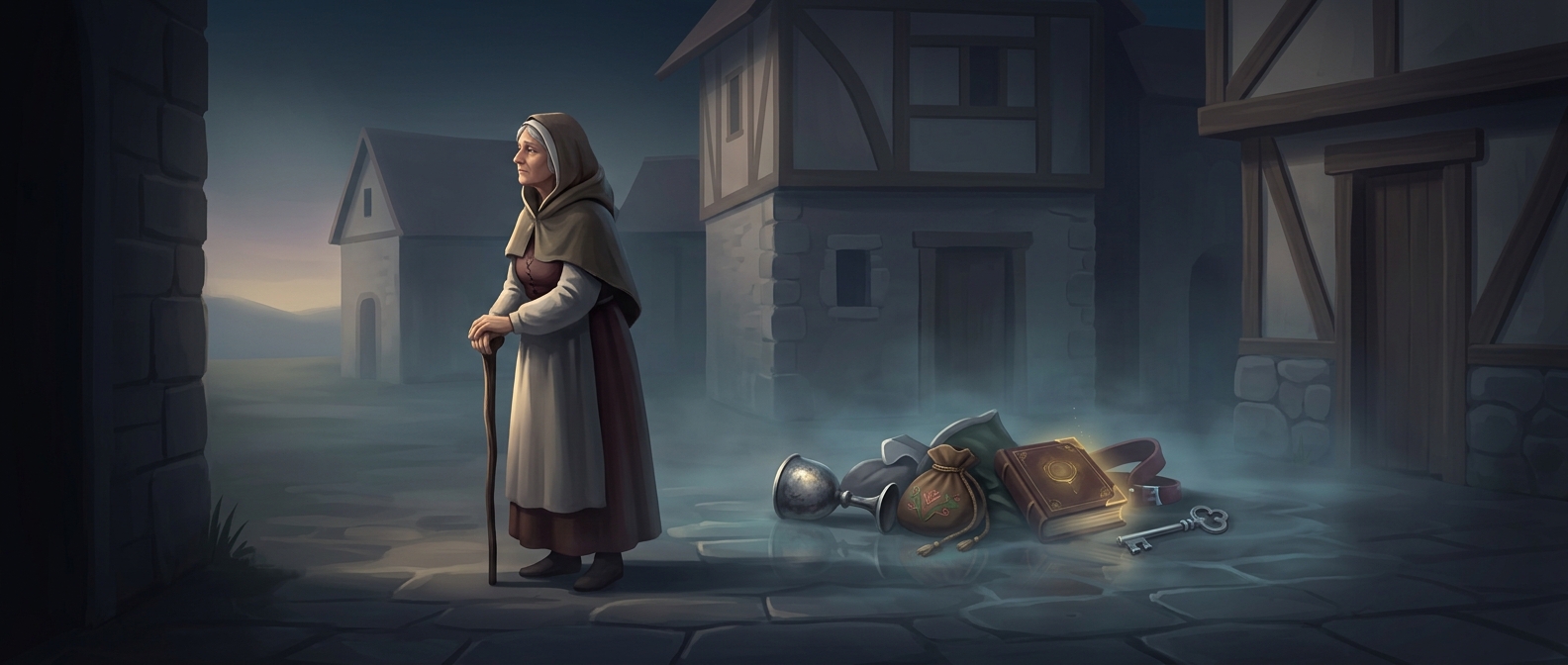
These tasks can also make a setting feel inhabited. A farmer’s request implies daily work continuing beyond the main conflict; a character has needs that matter locally, even if they are not world-shaking. The errand gives the player a brief chance to see the world from ground level.
A small task can make a big quest feel bigger
The contrast works because the game has already established the stakes. After a stretch of prophecy, peril, or combat, an ordinary request can reset the mood and make the hero’s status seem faintly ridiculous. But it also gives the player a choice about what kind of hero to be: someone who only pursues the grand objective, or someone willing to help the people living in its shadow.
So the chore is not merely padding by default. At its best, it is a compact design tool: a tutorial, a pacing break, a bit of worldbuilding, and a punchline delivered through the player’s own actions.