Why Walking Can Feel Strange After Spaceflight
On Earth, walking seems automatic because the brain quietly combines several signals: vision, pressure from the feet, information from joints and muscles, and the inner ear’s sense of motion and orientation. In orbit, those signals no longer line up in the familiar way. Without gravity constantly pulling the body down, astronauts can float and turn without the usual cues that tell the brain which way is upright.
The Brain Has to Relearn the Ground
The inner ear contains motion-sensing structures that help detect head movement and gravity. In weightlessness, their signals change, while the brain also learns to rely less on the pressure and balance cues that come from standing on a floor. After landing, gravity returns immediately, but the brain’s expectations do not reset at once. A step can feel uncertain, and standing or turning may require conscious effort rather than happening smoothly.
This adjustment is part of readaptation: the nervous system recalibrating to Earth’s normal pull. Spaceflight can also reduce strength and conditioning, adding to the challenge of supporting and moving the body. Astronauts use exercise in orbit and supervised rehabilitation after landing to help recover balance, coordination, and physical capacity.
A Familiar Skill, Temporarily Unfamiliar
The difficulty is not simply that astronauts have forgotten how to walk. Their brains and bodies have spent time operating under different physical rules, and returning to Earth demands that several systems work together again. Recovery varies from person to person and mission to mission; for some, balance and walking can take days or longer to feel normal.
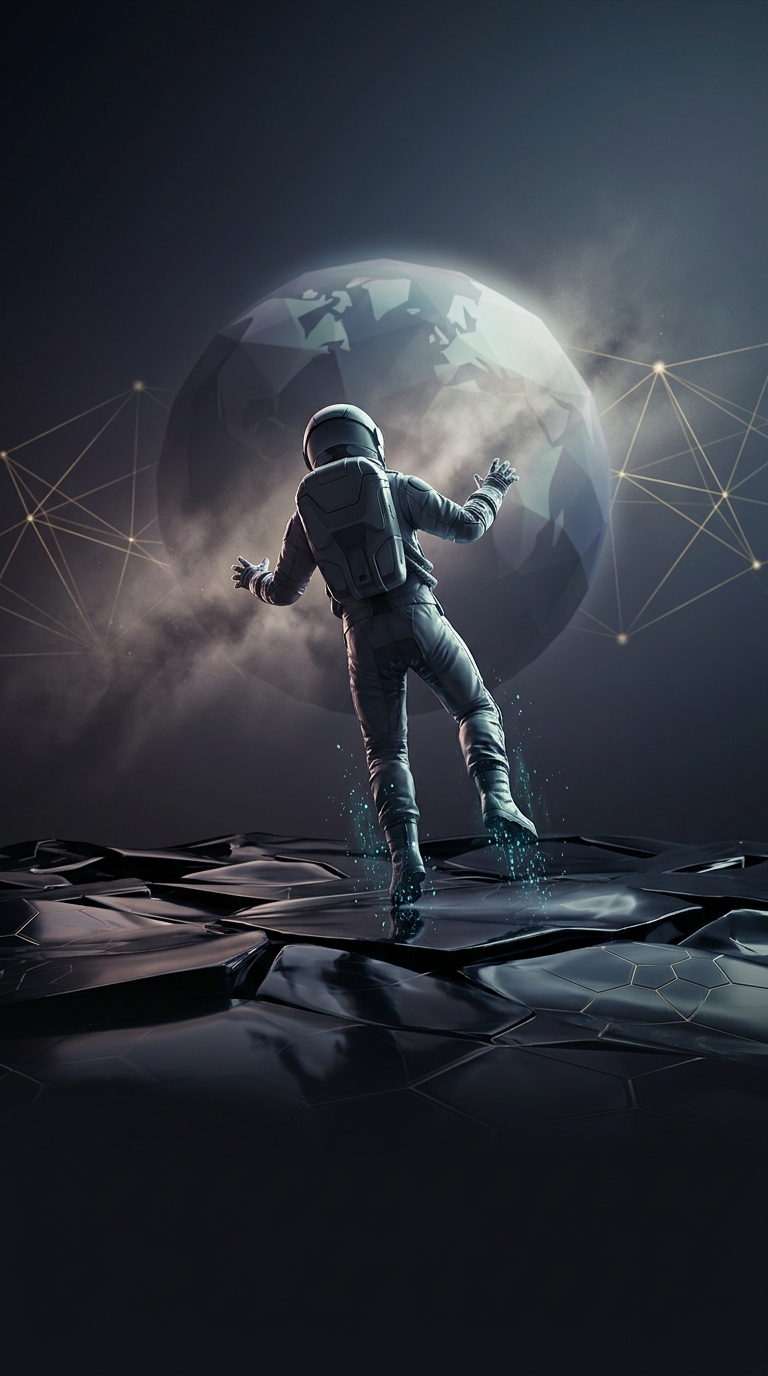
That makes an ordinary first walk a revealing test: each step asks the body to trust gravity again.