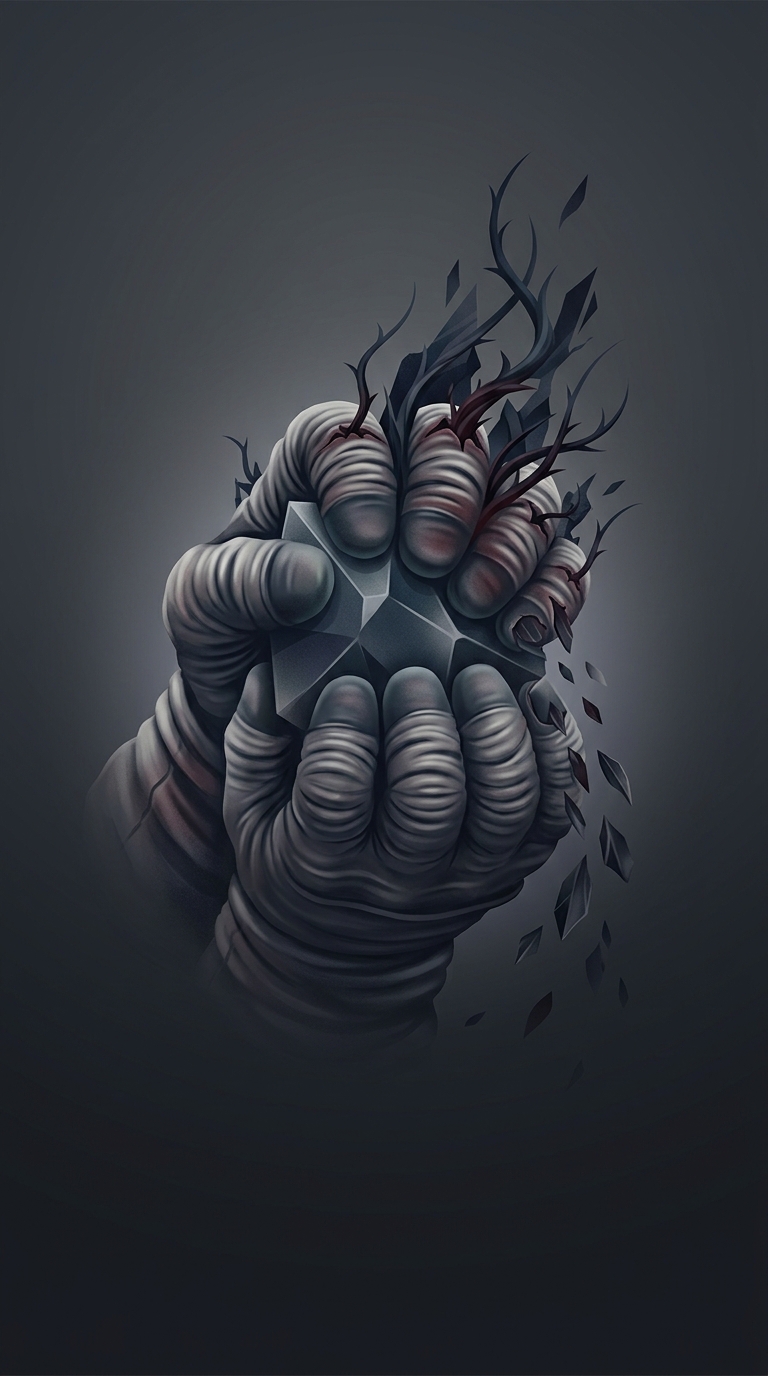
Why a Spacewalk Glove Can Bruise an Astronaut’s Fingernails
A spacesuit is a small pressure vessel. Its gloves must keep air around an astronaut’s hands while the rest of the suit protects the body from the near-vacuum outside. That air pushes outward on the glove, making it resist movement rather than hang limp like an ordinary work glove.
To bend a finger, an astronaut has to work against that resistance and against the glove’s layered materials. The hand is also held in a confined space for hours. If a glove presses or rubs repeatedly at a fingertip, the tissue beneath the nail can become bruised and sore. In severe cases, the nail may loosen and eventually fall off.
The Fit Is Part of the Engineering
Gloves have to fit closely enough for astronauts to grip tools, but a close fit can become a problem when pressure, finger movement, and long hours combine. Finger length and hand shape matter: a glove that puts a fingertip against its end can concentrate force on a small area. The astronaut is then doing delicate repair work while repeatedly flexing against a stubborn, inflated shell.
This is a mechanical injury, not a routine case of frostbite. The practical challenge is to preserve dexterity and protect the hand at the same time. Glove design and fit are therefore not minor comfort details; they affect how long an astronaut can work and how well they can control tools outside the spacecraft. Even a task as precise as turning a fastener can become a contest between a human finger and the pressure-holding gear around it.