Why the Shuttle’s “Mileage” Was Measured in Inches
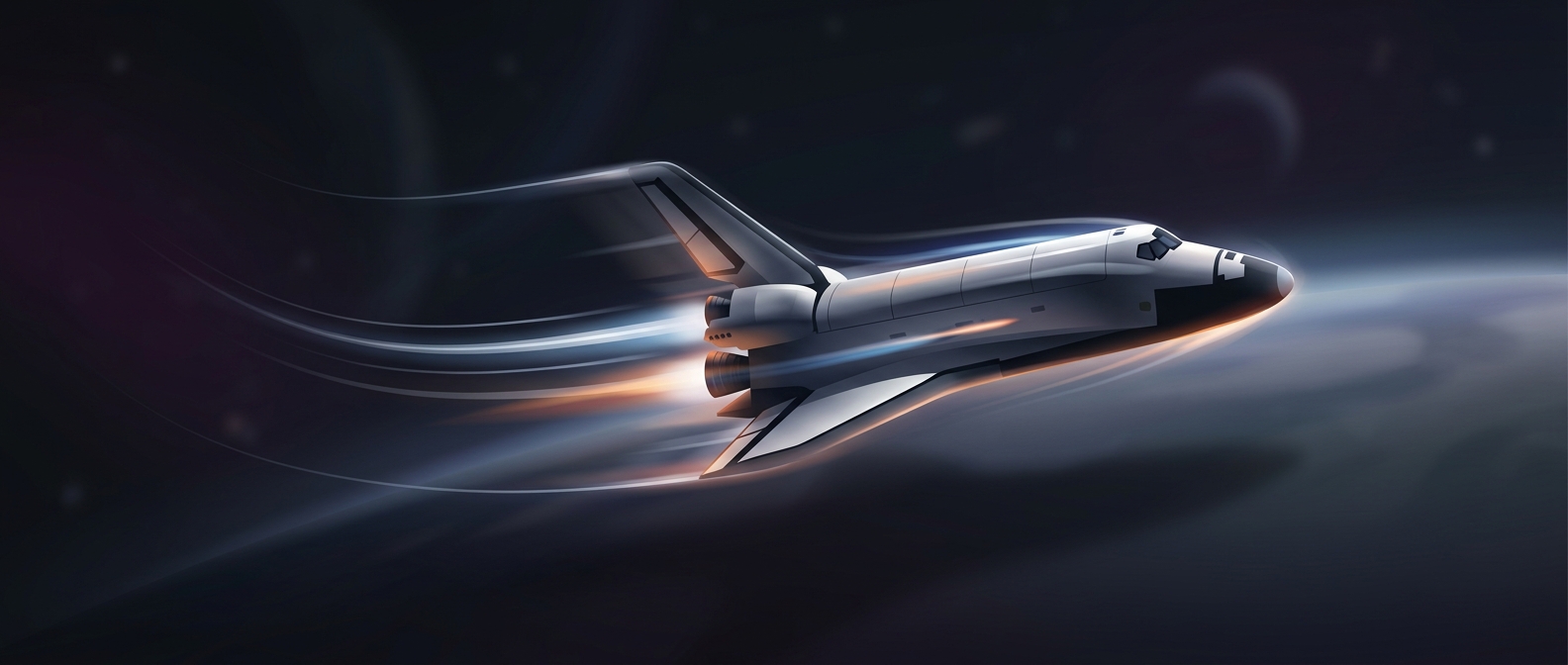
The seven-inches-per-gallon figure treats a launch like a road trip: divide the distance traveled during ascent by the propellant consumed. It is a deliberately stark comparison, not a measure of how efficiently the shuttle carried people or cargo. A car burns fuel mainly to keep moving along a route; a shuttle must accelerate a massive vehicle upward and sideways until it is moving fast enough to stay in orbit.
Fuel Had to Do More Than Burn
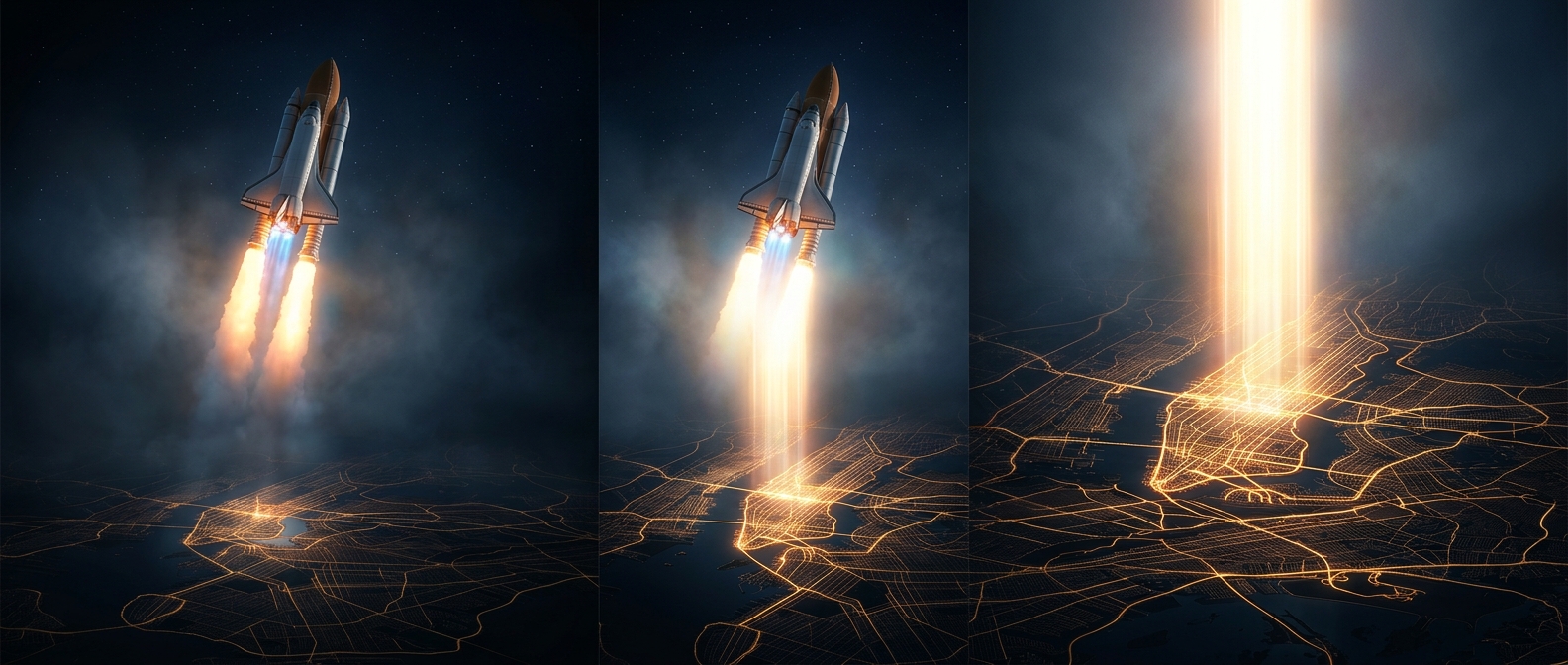
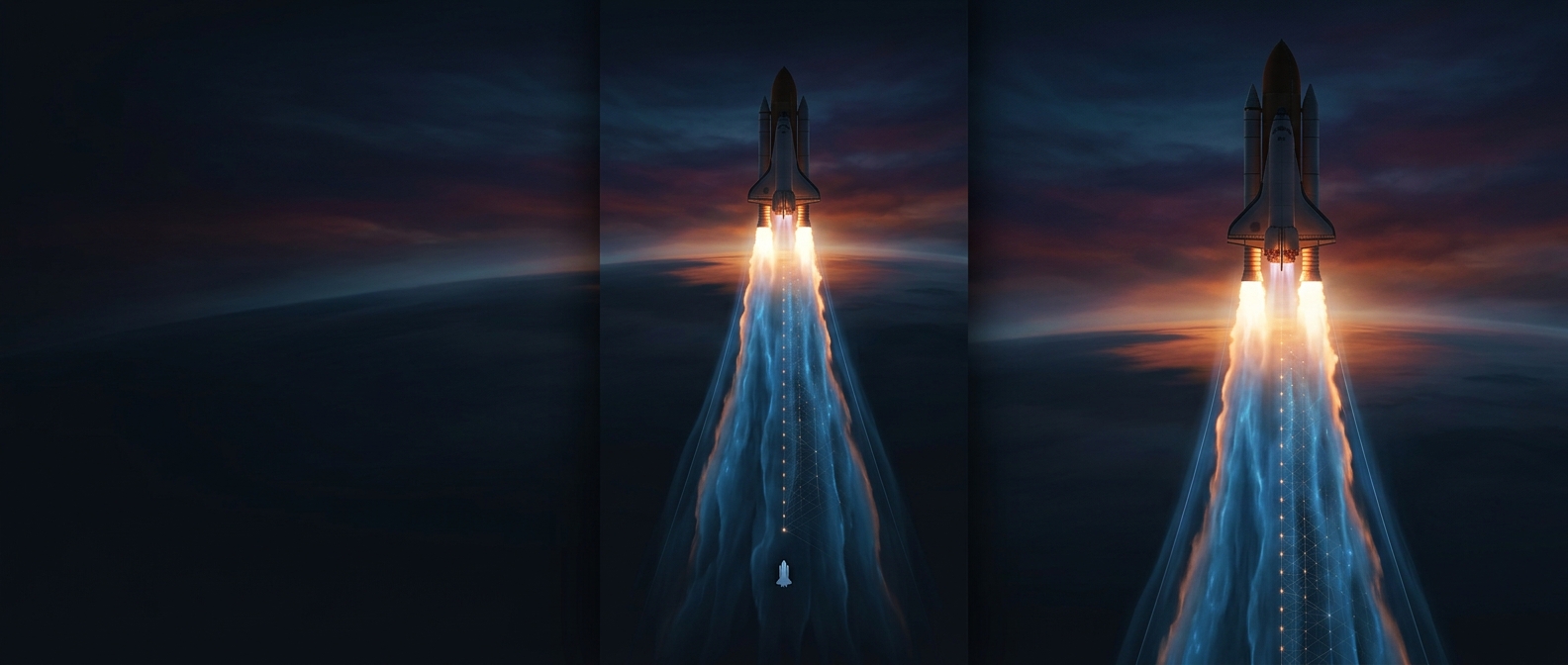
The shuttle’s main engines burned liquid hydrogen with liquid oxygen. Oxygen matters because a rocket cannot rely on air for combustion once it leaves the atmosphere—and even in the atmosphere, carrying its own oxidizer is essential. Two solid rocket boosters supplied much of the thrust during the first part of launch. Together, these systems pushed the shuttle stack against gravity, through air resistance, and toward orbital speed.
That last demand is easy to miss. Reaching orbit is not simply climbing high; the vehicle must also gain enormous horizontal speed. The propellant is spent in minutes to produce that change in motion, while the distance used in the comparison is only the shuttle’s brief trip during powered ascent.
A Useful Comparison, Not a Road-Test Result
The figure also bundles together fuel and oxidizer—the full chemical propellant needed for a rocket—rather than gasoline alone. And it says nothing by itself about the shuttle’s payload, the work done in orbit, or the fact that the orbiter could be used again. Its real point is the scale of the energy bill for reaching orbit: even a short ascent demands enough carried propellant to make an ordinary vehicle’s fuel economy look extravagant.