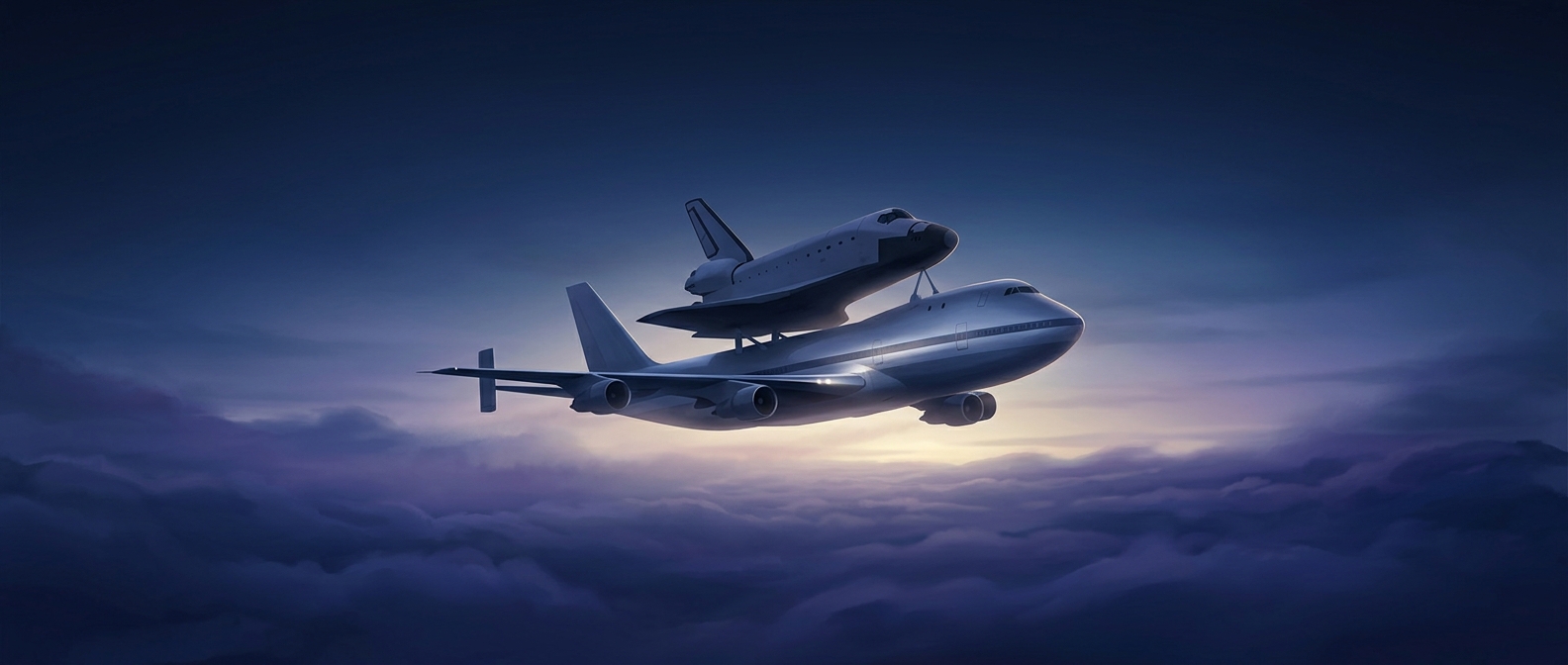
A Spaceplane That Could Not Fly Like an Airliner
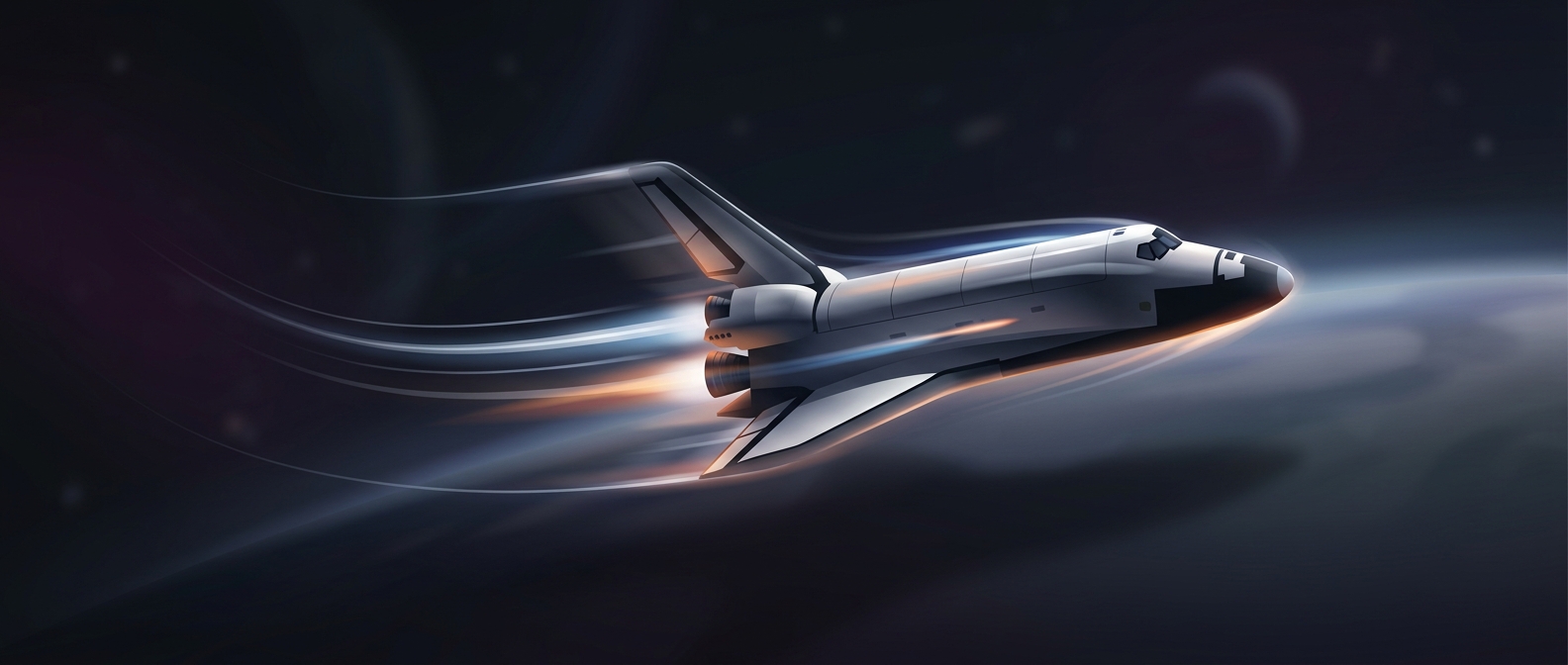
The shuttle orbiter had wings, but it could not take off and cruise under its own power. Its main engines were designed to fire with an external fuel tank during launch; once in orbit, they were no longer a way to propel it through the atmosphere. On return, the orbiter descended as a glider and had to reach a suitable runway with no chance to circle back if it came in short.
That made relocation a transport problem. If a shuttle landed far from the facility where it would be prepared for its next mission, it needed a ride rather than a conventional flight plan of its own.
Turning a 747 Into a Carrier
NASA adapted two Boeing 747s to carry orbiters on top of their fuselages. The aircraft received reinforced attachment points, where large struts secured the shuttle, along with other changes to handle the unusual load. The orbiter sat high above the 747, so the carrier’s flight characteristics differed from those of a passenger jet; the combined aircraft needed careful planning and testing.
For longer ferry trips, a streamlined cover called a tail cone could be fitted over the orbiter’s rear. It reduced the drag created by the shuttle’s exposed engines and other structures. The cover did not make the orbiter fly under its own power; it helped the 747 carry the extra aerodynamic burden more efficiently.
A Tradeoff That Made Recovery Possible
Carrying the shuttle on a jet was not a fast or effortless substitute for flying it independently. The 747 had to support the orbiter’s weight and manage the drag and handling effects of a massive vehicle perched overhead. But it allowed NASA to return an orbiter from a distant landing site without building a separate transport aircraft for the job.
The arrangement also made the shuttle’s limits visible: its wings were enough to bring it safely back to Earth, but not enough to take it wherever it needed to go afterward.