Why a Small Mint Can Change the Meaning of a Tip
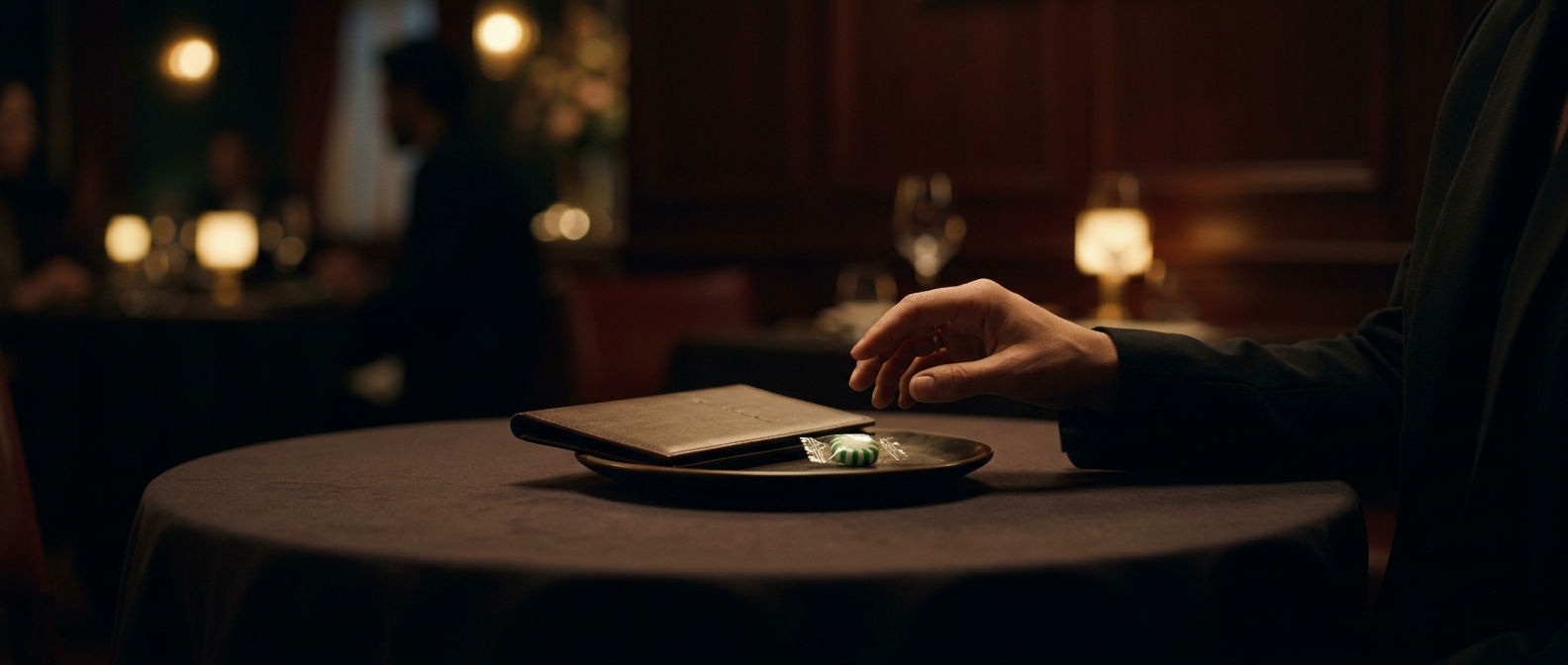
A mint is worth very little, but receiving one can make a restaurant visit feel less like a transaction. The server has offered something beyond the meal without being asked. That small, unexpected favor can prompt reciprocity: the familiar urge to return kindness when someone has treated us considerately.
The effect depends on what the gesture communicates. A mint simply placed with the bill may read as routine. One offered with a personal touch can suggest that the server noticed the diner and chose to do a little extra. The object is the same; the social meaning is different.
From Feeling Appreciated to Giving More
People often respond to kindness by trying to be kind in return. In a restaurant, the tip is an obvious way to do that. A diner who feels warmly treated may also judge the whole interaction more positively, so the tip can reflect appreciation for the server as much as the quality of the food or service.
This is not a guaranteed exchange: a mint does not obligate anyone to leave more, and a tip depends on many parts of the visit. But the gesture can subtly shift the relationship from a sequence of tasks—taking an order, bringing a bill—to an interaction between people. Its influence comes less from the mint’s price than from the attention it seems to carry.