Psychology
Discover facts about psychology. Small discoveries that change the way you see familiar things.
Psychology

Can a free mint make you tip more
That complimentary piece of generic peppermint is actually a weaponized psychological trigger designed to hack your wallet. The norm of reciprocity dictates…
Discover more
Why people reject facts that threaten their worldview
Ignorance is not just bliss; it is an active defense mechanism. Cognitive dissonance occurs when facts directly contradict deeply held beliefs, causing severe…
Discover more
Why a blunt insult can feel kinder than a fake compliment
We would vastly prefer you call us entirely useless than say we are 'brave for wearing that outfit'. Masking an insult inside a sweet compliment requires too…
Discover more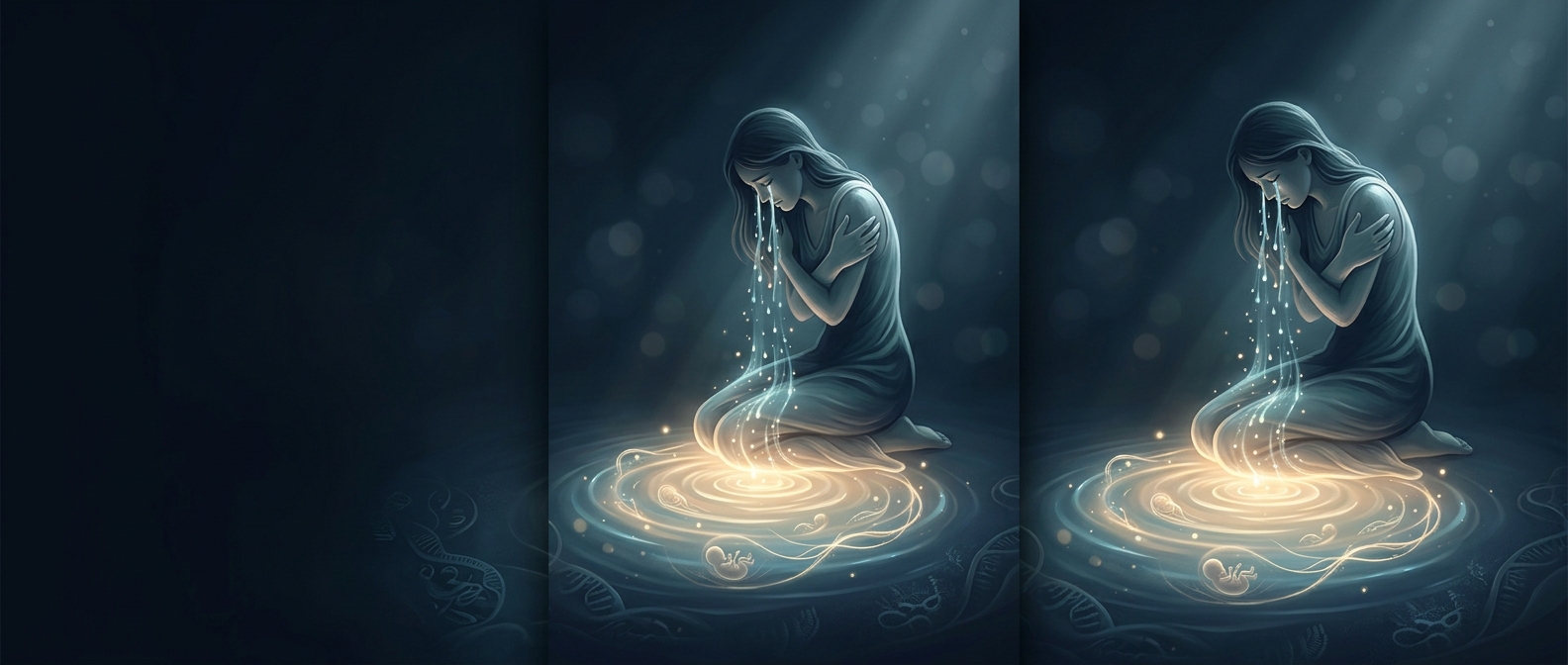
Crying is an evolutionary mechanism for soothing
Sobbing uncontrollably isn't a sign of weakness; it is an automatic exhaust valve. The rhythmic, gasping inhales and intense emotional release forcefully…
Discover more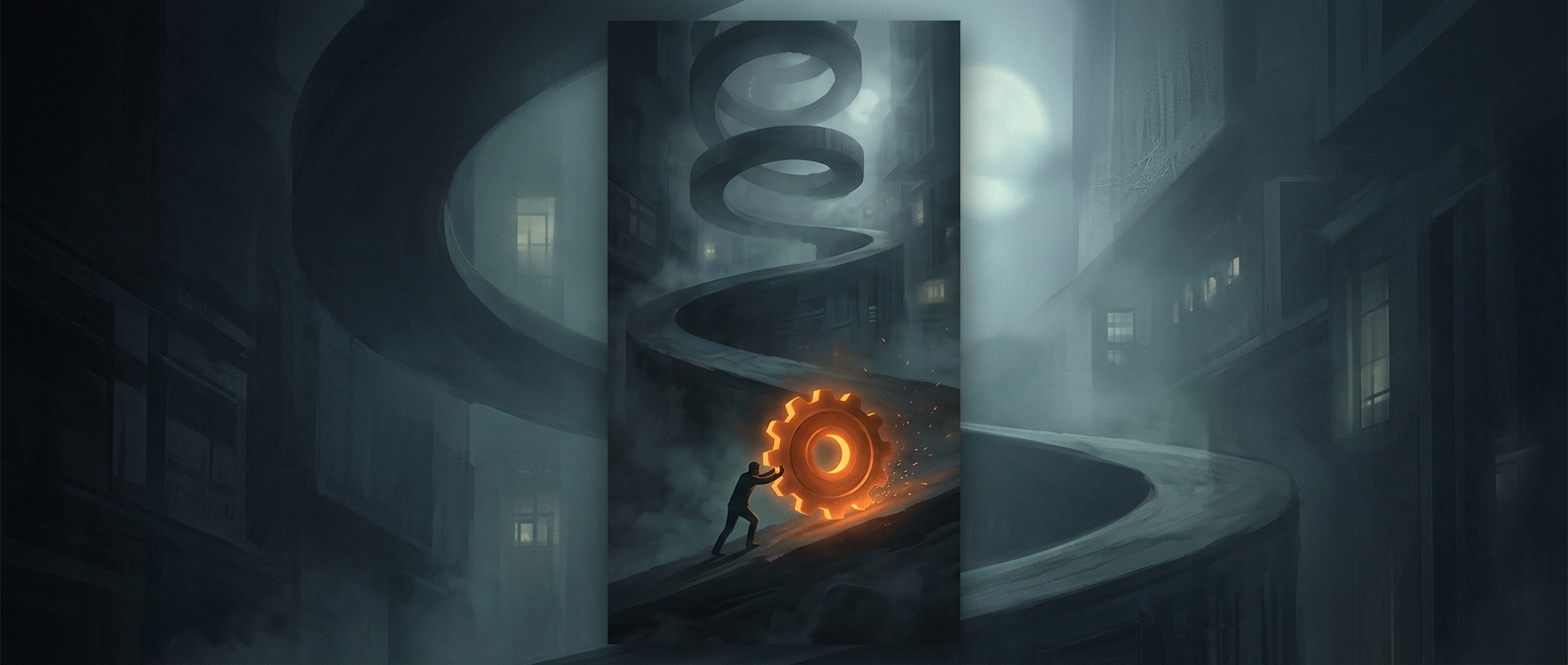
When working nonstop becomes a disorder
Staying at the office until midnight just to reorganize your desktop folders is not dedication, it is a pathology. Ergomania is an obsessive compulsion to…
Discover more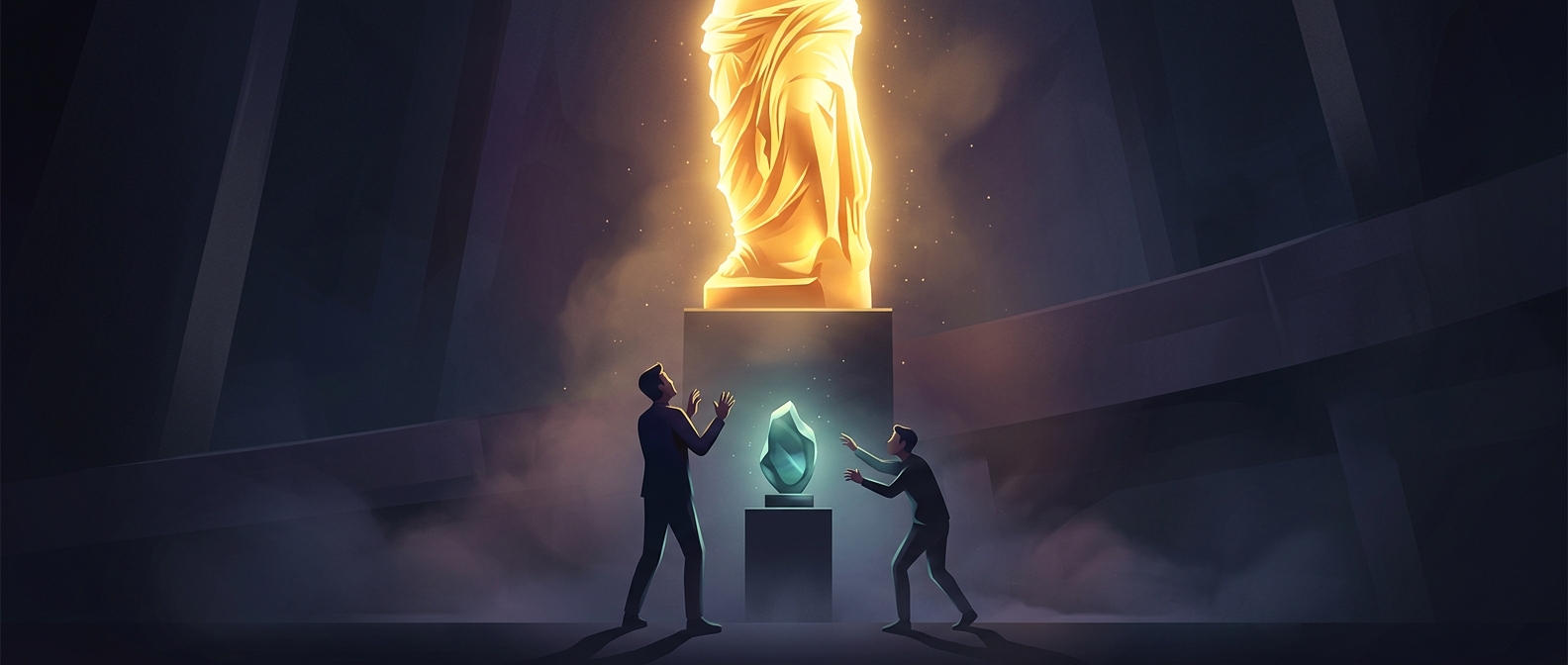
Why a $500 shirt makes $200 feel cheap
First impressions literally bankrupt you. Anchoring bias means your brain violently latches onto the very first piece of information it gets. If you see a…
Discover more STACKY FOR IPHONE
A bigger world.
One discovery
at a time.
Keep discovering with Stacky. Interesting facts in an app that is always within reach.
Why bizarre memories stick better than ordinary ones
Your memory network treats mundane data with utter disrespect. The Bizarreness Effect states that highly unusual, absurd, or bizarre material is significantly…
Discover more
Why low expectations can become a self-fulfilling prophecy
Micromanagers are directly responsible for the lazy workforce they constantly complain about. The Golem effect is a psychological phenomenon in which low…
Discover more
Anxiety can make negative events feel far more likely than they really are
Pessimism bias is the inverse of optimism, transforming your brain into a doomsday prophet. It forces you to overestimate the absolute likelihood of negative…
Discover more
Why a missing laugh can make someone seem dangerous
Someone who entirely fails to laugh at a harmless joke is subconsciously flagged as a dangerous anomaly. Humor is our ultimate gauge for shared reality, so…
Discover more
Why true crime can make danger feel inevitable
Stop listening to murder podcasts before bed. The availability heuristic relies on immediate examples that come to mind. Because you flood your brain with…
Discover more
Why your messiest friend gives the best relationship advice
Solomon's paradox explains exactly why your most toxic friend gives elite therapy-level advice. It is infinitely easier to objectively analyze someone else's…
Discover more
Some people are convinced they are already dead
Also known as walking corpse syndrome, this glitch makes people firmly assert they are deceased, missing organs, or decaying. They will actively argue with…
Discover more
How a big ego blinds you to red flags
When your self-importance inflates to critical levels, your brain heavily restricts external data intake, fiercely prioritizing internal monologues over…
Discover more
Small talk exists to maintain social contact, not to exchange useful information
Asking 'how are you?' when you absolutely do not care is a mandatory human ritual. Phatic expressions are communication elements intended merely to perform a…
Discover more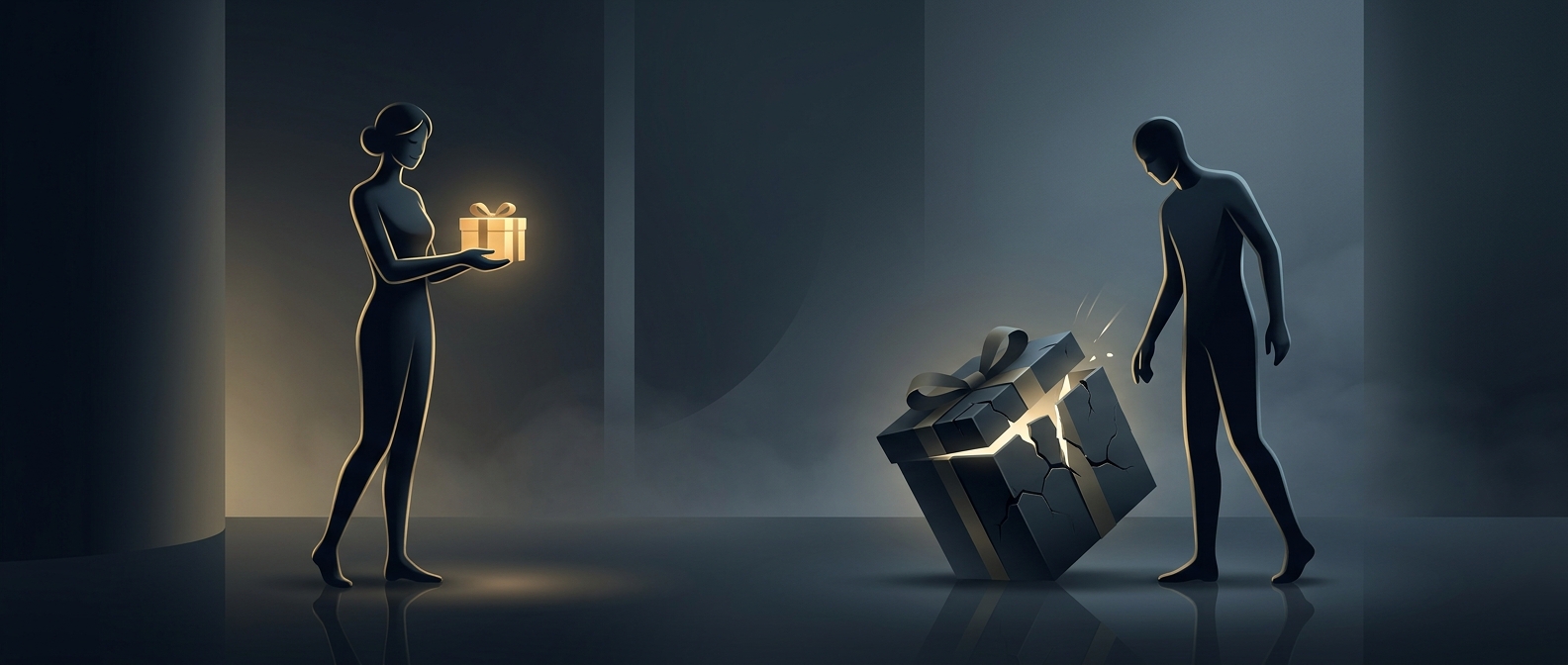
Why a smaller gift can feel more generous
Generosity is an illusion governed by context. The Less-is-Better effect proves that when evaluated separately, people perceive a highly-priced small item as…
Discover more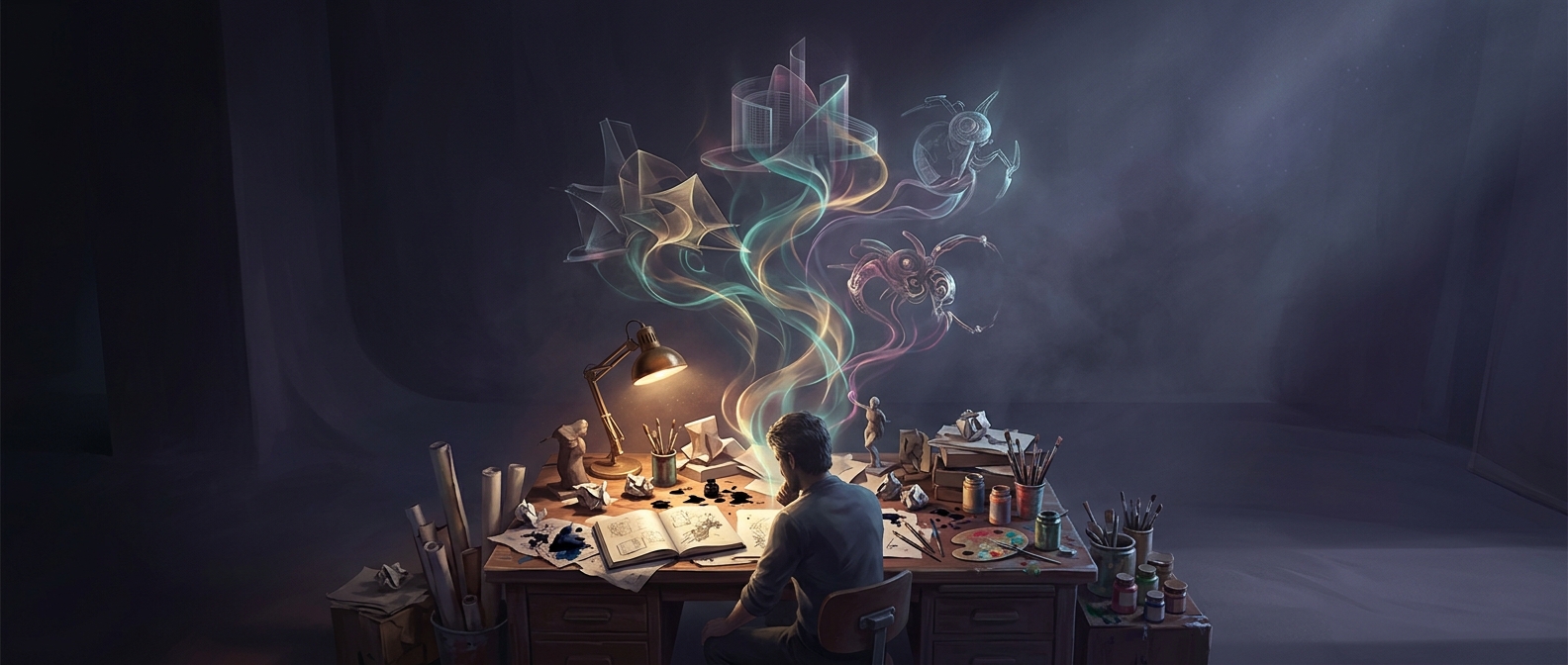
Why messy spaces can spark better ideas
Stop apologizing for your absolute disaster of a desk. Psychological studies reveal that chaotic, disorderly environments significantly promote divergent…
Discover more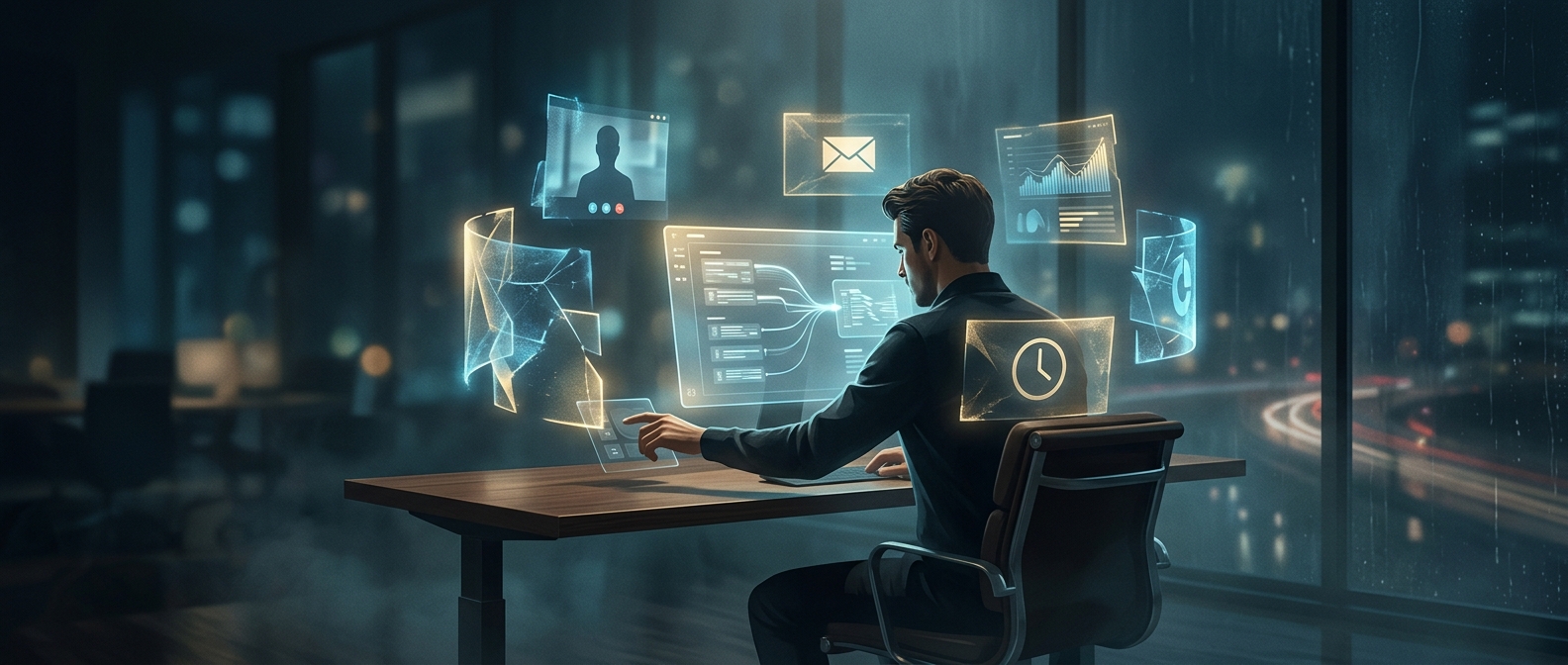
Your brain doesn't really multitask
You are not a productivity god; you are just giving yourself neurological whiplash. The human brain physically cannot process two high-level cognitive tasks…
Discover more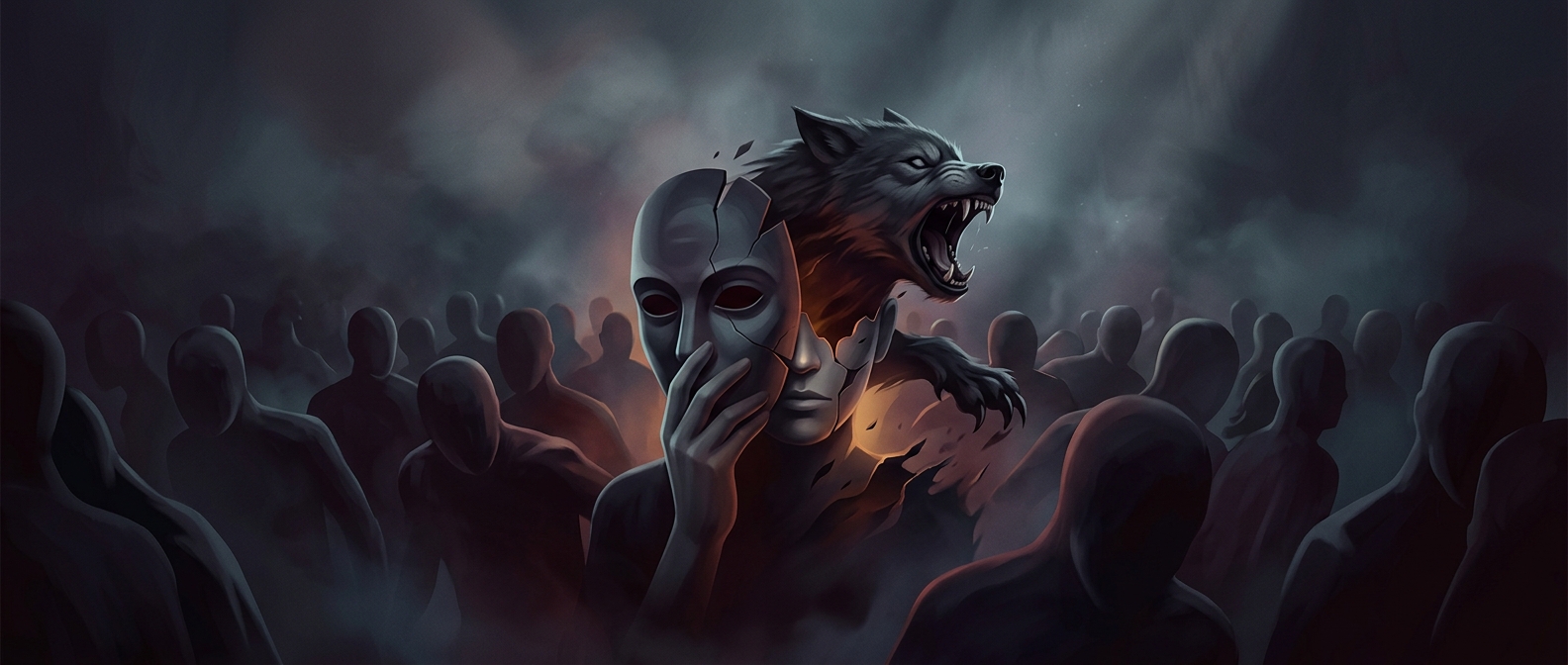
Why crowds can make people act out of character
Accountability is the only thing keeping you civilized. Deindividuation happens when anonymity makes you feel completely invisible in a mob. Stripped of your…
Discover more
Your brain can judge a librarian who plays chess likelier than a librarian
Assuming a quiet man is specifically a librarian who plays chess, rather than just a librarian. Your brain mistakenly equates extreme specificity with higher…
Discover more
Why motivation strikes at midnight
You are not a nocturnal prodigy; you are just severely anxious during daylight hours. When the world goes to sleep, the societal pressure to be productive…
Discover more
When answering yes means you missed the request
Pragmatic failure is what happens when your literal processing works flawlessly, but your contextual awareness is dead. If someone asks 'Can you pass the…
Discover more
People feel more confident solving impossible puzzles than easy ones
The hard-easy effect is a peculiar cognitive glitch. When faced with an incredibly easy task, humans constantly underestimate their success rate. But hand…
Discover more
Why your junk seems priceless once it's yours
Garage sales are fueled by pure delusion. The endowment effect proves that the exact second you take ownership of an object, you massively overvalue it. That…
Discover more