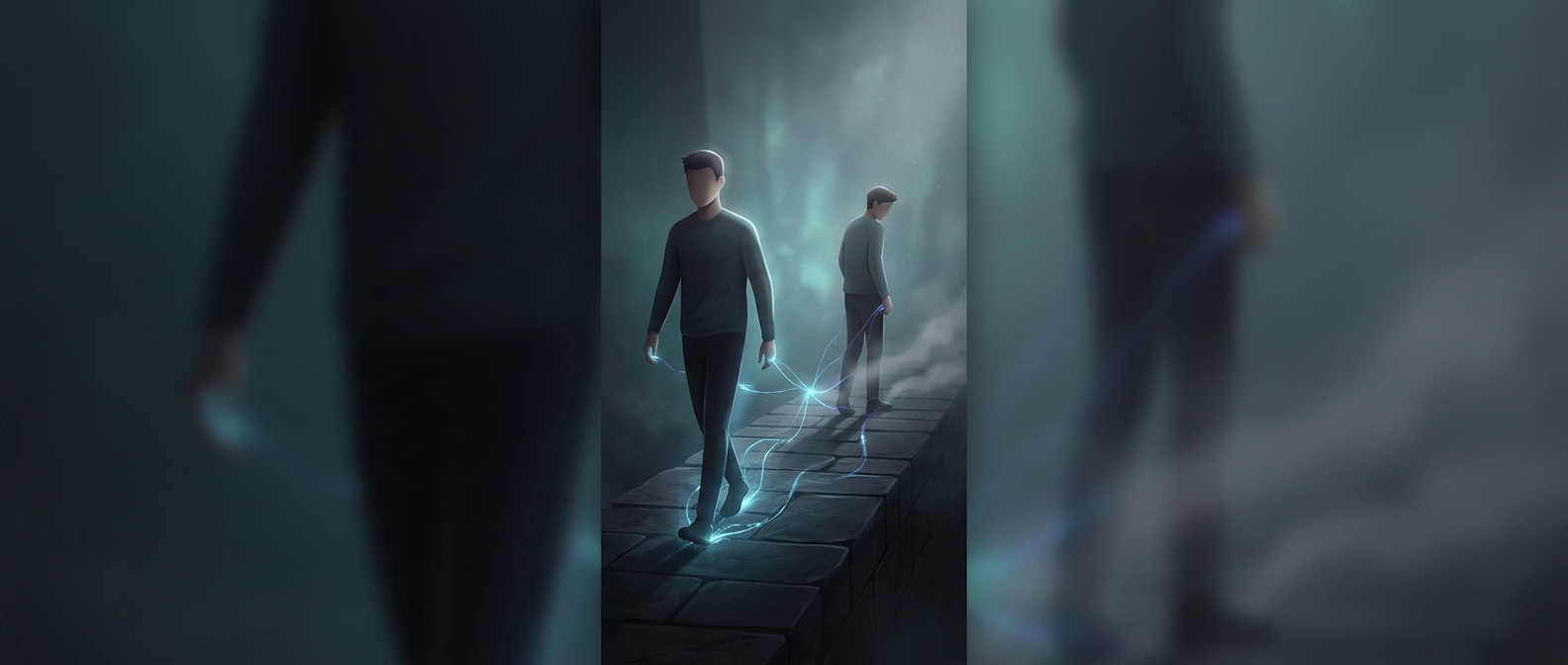
Why distance can sharpen relationship advice
A friend can make choices they would warn you against and still notice what is happening in your relationship. The difference is not necessarily wisdom; it is how emotionally involved the person is in the decision. In their own romance, affection and anxiety can make each choice feel loaded with consequences. In yours, those feelings are less immediate, leaving more room to weigh the evidence.
Your own relationship comes with a built-in bias
When you are attached to someone, you may focus on the moments that support what you hope is true: a kind gesture after an argument, a promise to change, a good stretch after a rough one. Fear can pull the other way, making one troubling incident seem to predict everything. Either way, personal history and emotional stakes compete with a clear reading of the pattern.
A friend is not free of bias, but they are less entangled in that particular history. They may notice that the same argument keeps returning, or that apologies are not followed by different behavior—details that are harder to hold in view when you are inside the cycle.
Distance helps, but it does not make anyone infallible
Advice from the outside has its own limits. A friend sees only what you share, may misunderstand what matters to you, or may bring their own experiences to the situation. And being perceptive about your relationship does not mean they can apply the same judgment to their own: recognizing a pattern is easier when you do not have to risk losing the person at its center.
That makes a messy friend’s advice most useful as a prompt, not a verdict. If their observation stings because it points to a repeated behavior, ask what specific evidence supports it. The clearest outside view can help you notice the pattern; deciding what to do still belongs to you.