Technology
Discover facts about technology. Small discoveries that change the way you see familiar things.
Technology

Modern apps use dozens of tiny services, so one crash can trigger a detective hunt
Instead of building one large application that occasionally fails, modern developers build dozens of tiny interconnected services. Now, when the system…
Discover more
The sorting algorithm that just keeps shuffling
Why use intelligence when you can use pure, unadulterated chaos? Bogosort is an intentionally terrible sorting algorithm that checks if a list of numbers is…
Discover more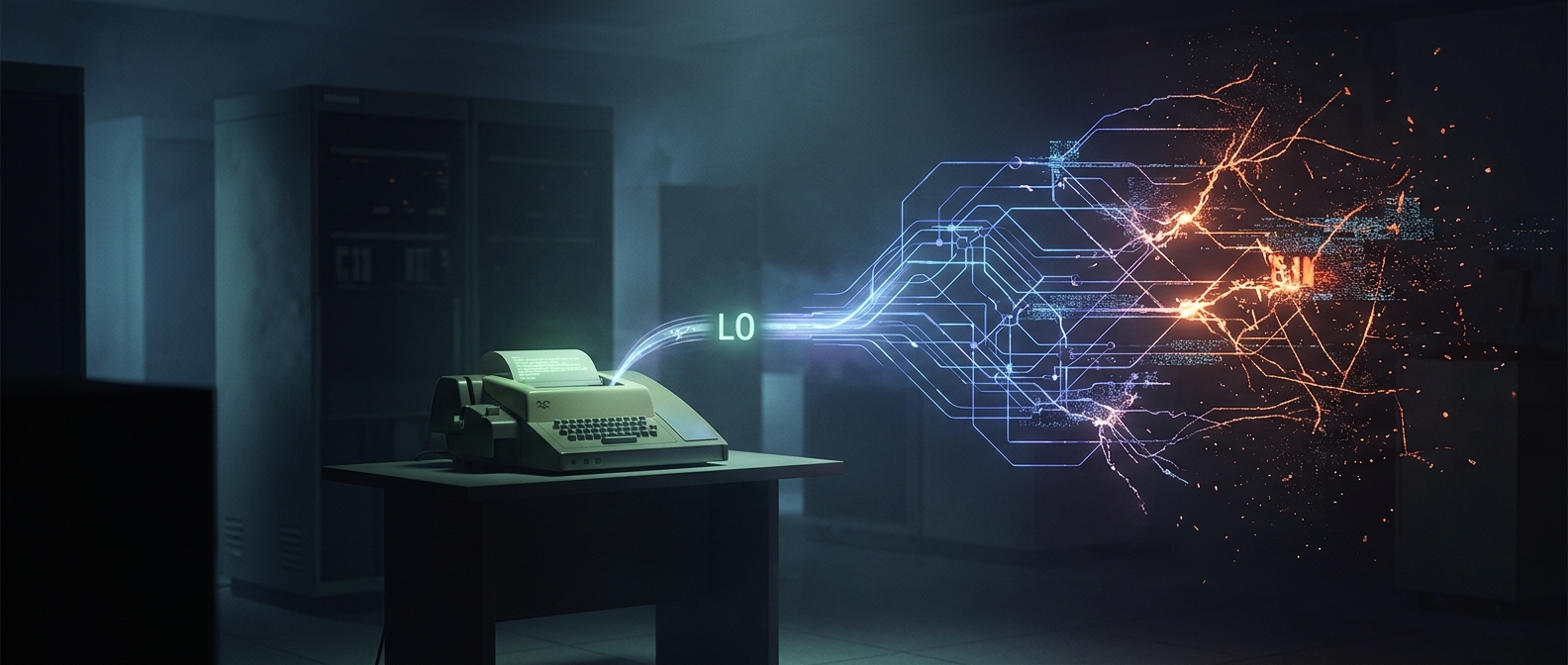
The internet's first message crashed after two letters
The digital network that currently handles billions of cat videos a second had an incredibly pathetic debut. In 1969, UCLA researchers attempted to send the…
Discover more
When internet domains were free
Imagine a utopian era where you didn't have to pay a yearly extortion fee just to own your own name on the internet. Before 1995, the National Science…
Discover more
The church that stores the internet's memory
The most important digital library in the world is quite literally a religion. The Internet Archive, responsible for the Wayback Machine and keeping our…
Discover more
Deep-space probes run on heat released by decaying plutonium
When solar panels are useless in deep space, engineers just shove a glowing lump of plutonium into a metal box and capture the raw thermal heat. It is…
Discover more STACKY FOR IPHONE
A bigger world.
One discovery
at a time.
Keep discovering with Stacky. Interesting facts in an app that is always within reach.
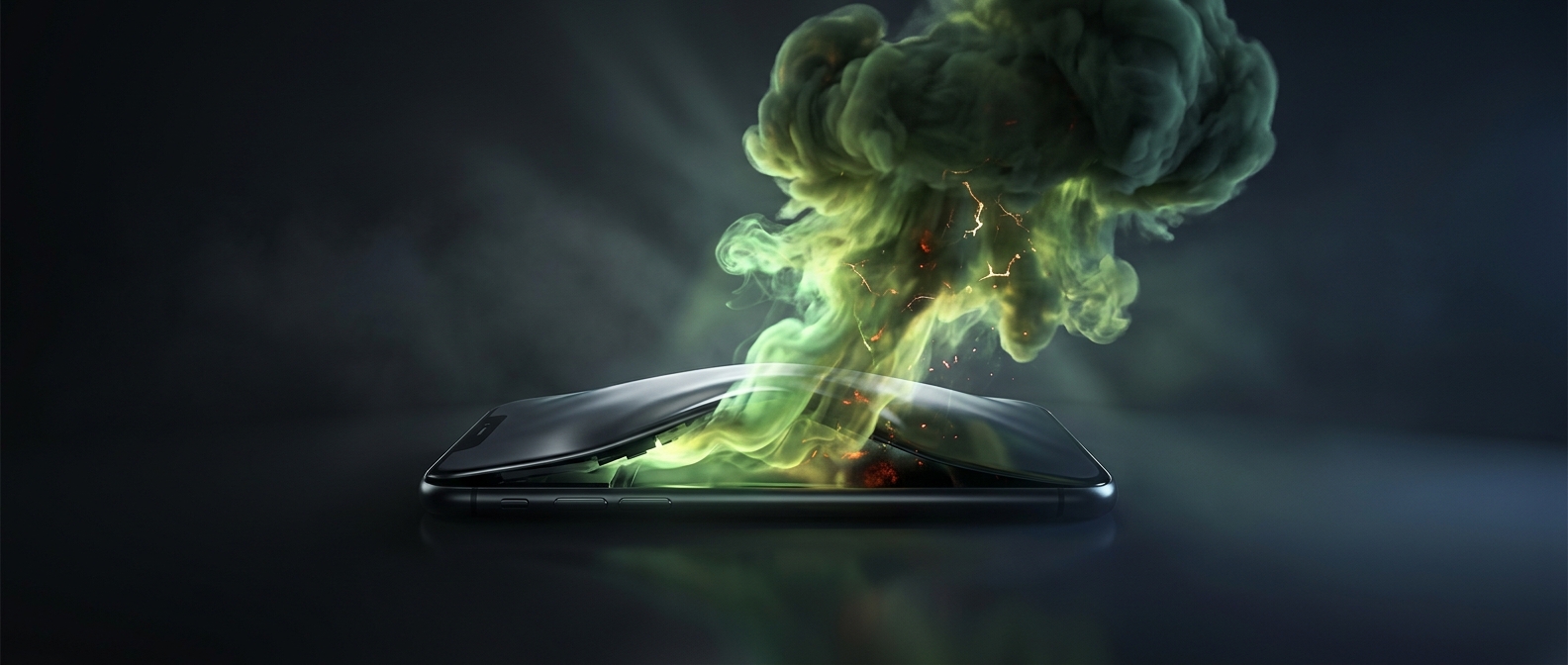
Why a damaged battery starts to swell
Your sleek rechargeable battery is secretly a volatile chemical balloon waiting to ruin your day. When lithium-ion cells age or get damaged, the liquid…
Discover more
A monitor’s supposedly compact base can consume much of the desk’s depth
You bought a brilliantly thin, flat panel display, but the mounting base requires the footprint of a small car. The sweeping, aggressive legs designed to keep…
Discover more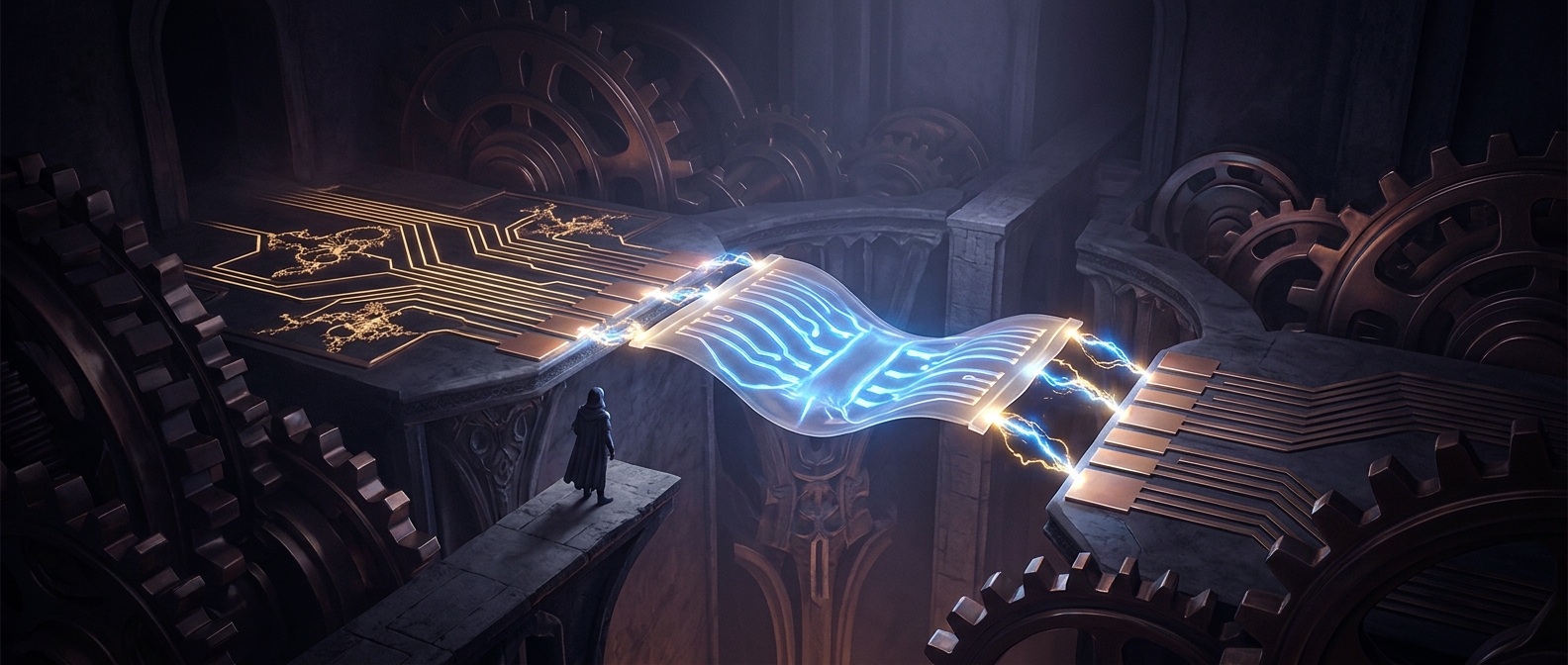
Microwave buttons work when a conductive pad presses two contacts together
Every button on your microwave operates via the simplest possible physical trick. The flexible plastic front has a tiny metallic pad printed on the back, and…
Discover more
American Standard Code for Information Interchange was developed from telegraph codes to standardize computer text
The foundation of all modern text messaging, Reddit threads, and poorly formatted emails is essentially an upgraded telegraph. ASCII was standardized in 1963…
Discover more
The $120,000 computer that became a video-game machine
Procrastination has always been the mother of invention. In 1962, a group of MIT students secured access to a newly installed PDP-1 computer, which cost over…
Discover more
The forgotten computer that inspired the PlayStation 2
That sleek, monolithic black tower that dominated your childhood living room was heavily inspired by a competitor's forgotten relic. Sony designers openly…
Discover more
How scientists solve impossible equations with random numbers
When an equation is too incredibly complex to solve normally, scientists use 'Monte Carlo Simulations'. They literally throw millions of randomly generated…
Discover more
Why syringes resemble snake fangs
When doctors realized pouring medicine on a wound was terribly inefficient, they looked at venomous reptiles for inspiration. The hollow needle was modeled…
Discover more
Lightning rods don’t attract lightning after all
Contrary to popular belief, Benjamin Franklin's pointy metal sticks are actually designed to safely bleed off ground charge into the sky, neutralizing the…
Discover more
How games hide the same sound repeating
Hearing the exact same sword swoosh four thousand times is a fast track to the asylum. To spare your sanity, audio engines apply microscopic variations in…
Discover more
Why fixing one typo can take all day
You want to fix a typo, but you need to update a library, which requires updating the operating system, which requires formatting a drive. This infinitely…
Discover more
That bright pixel on your screen is not dead
That agonizing tiny bright dot ruining your expensive new monitor is not dead at all. It is actually a single microscopic liquid crystal valve that has…
Discover more
VHS tapes had to be manually rewound before returning them
Because the concept of media magically resetting itself didn't exist in the physical era. After finishing a movie, users had to listen to the agonizing whir…
Discover more
Why your edge-to-edge screen still has a black border
You paid for an edge-to-edge display, but the manufacturer lied to you. Even though the physical frame is paper-thin, firing up the screen reveals a thick,…
Discover more
Why a greasy screen starts tapping itself
A slightly greasy screen is enough to convince your device that a ghost is aggressively tapping on it. Because touchscreens detect minuscule electrical…
Discover more
When your Mac's trash can visibly filled up
Early UI designers really wanted you to feel the clutter. In the original Mac OS, dragging files to the trash caused the icon to visually bloat, signifying…
Discover more
Why broken servers get blamed on DNS
It is an unwritten law among system administrators that whenever a server inexplicably breaks, it is a naming issue. Translating words into IP addresses fails…
Discover more
Without an exit condition, a recursive function can crash a program by overflowing its stack
A function commanding itself to run again is the digital equivalent of holding two mirrors facing each other. If the exit condition is poorly written, the…
Discover more