A web archive has to make copies before pages vanish
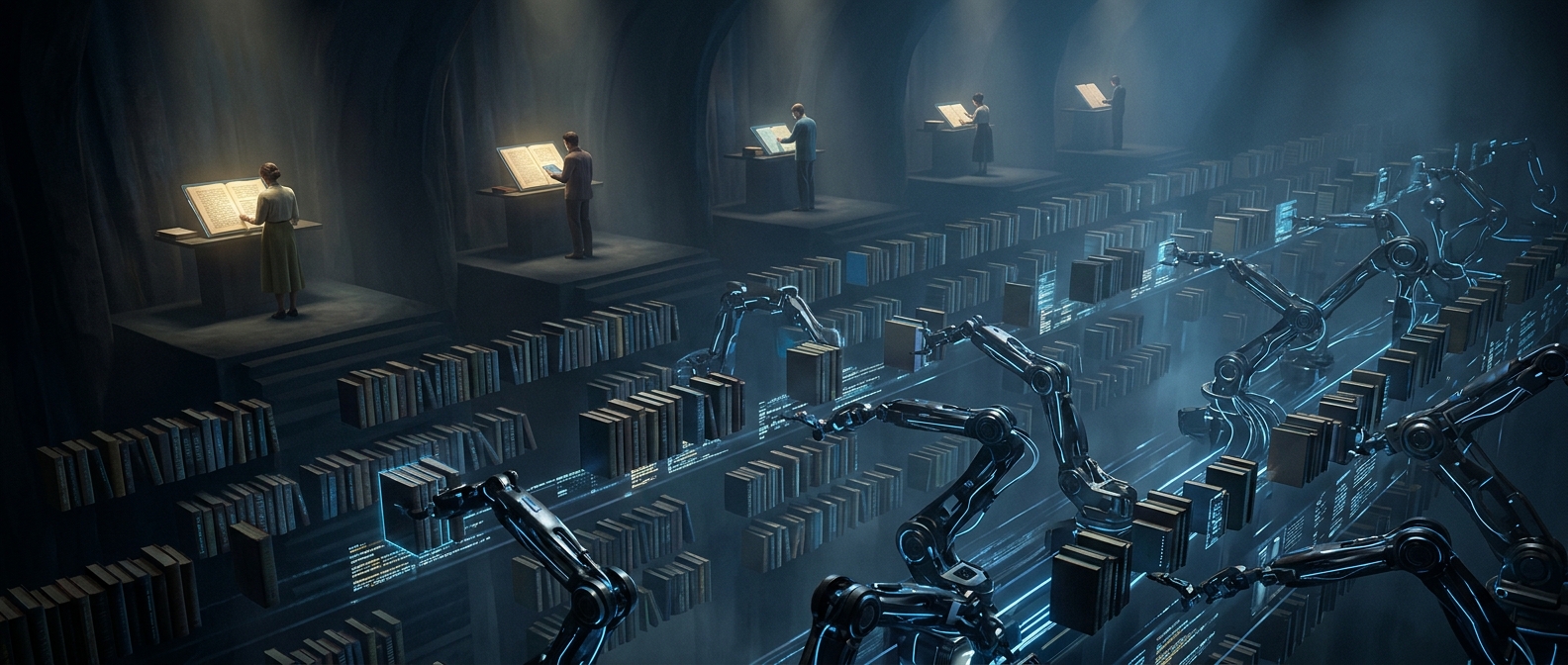
The Wayback Machine is not a live index of everything online. It works by collecting snapshots: automated crawlers visit websites and save the pages and files they can reach at that moment. Later, a visitor can enter a web address and, if a snapshot exists, open an earlier version of the page.
That process turns a changing web into a record with dates attached. A blog post can be edited, a site can disappear, and a link can break; a saved snapshot may still show what a crawler captured before those changes. But the archive is necessarily patchy. Crawlers cannot capture every page, and interactive features or material loaded in unusual ways may not survive intact.
A former church becomes part of the infrastructure
Preserving those snapshots takes more than a search box. The archive must store enormous quantities of files and keep them organized so a request for a particular address and date can retrieve the right copy. Server racks—the cabinets holding computers and storage equipment—make that work tangible inside the former San Francisco church that houses the organization.
The setting highlights a practical contrast: websites feel weightless because people reach them through screens, but their survival depends on physical machines, electricity, storage, and ongoing maintenance. A saved page is not simply remembered by the internet; it has been captured, stored, and made retrievable.
What the archive can—and cannot—save
The Wayback Machine is especially useful when a vanished page matters as evidence of what was once publicly available: an old announcement, a blog entry, or a piece of web culture. Its snapshots do not guarantee a complete reconstruction of a site, but they can preserve enough of a page to make its disappearance less final. The internet’s past survives not as one seamless copy, but as millions of dated fragments held on real hardware.