Why a Hawk Stands In for an Eagle
A red-tailed hawk’s scream has the sharp, rough-edged quality audiences often expect from a powerful bird of prey. An eagle’s real call is much less like the sweeping, piercing cry heard in adventure stories: bald eagles typically make a series of high-pitched whistles and chattering notes that can sound surprisingly gull-like.
That difference creates a sound-design problem. A call can be biologically accurate yet fail to communicate “eagle” instantly to a listener. A hawk’s rasp, by contrast, cuts through music and effects and carries the dramatic force the scene needs. Using it lets the sound signal a commanding bird without asking the audience to recognize a subtler, less familiar call.
The Sound Is a Cue, Not a Field Recording
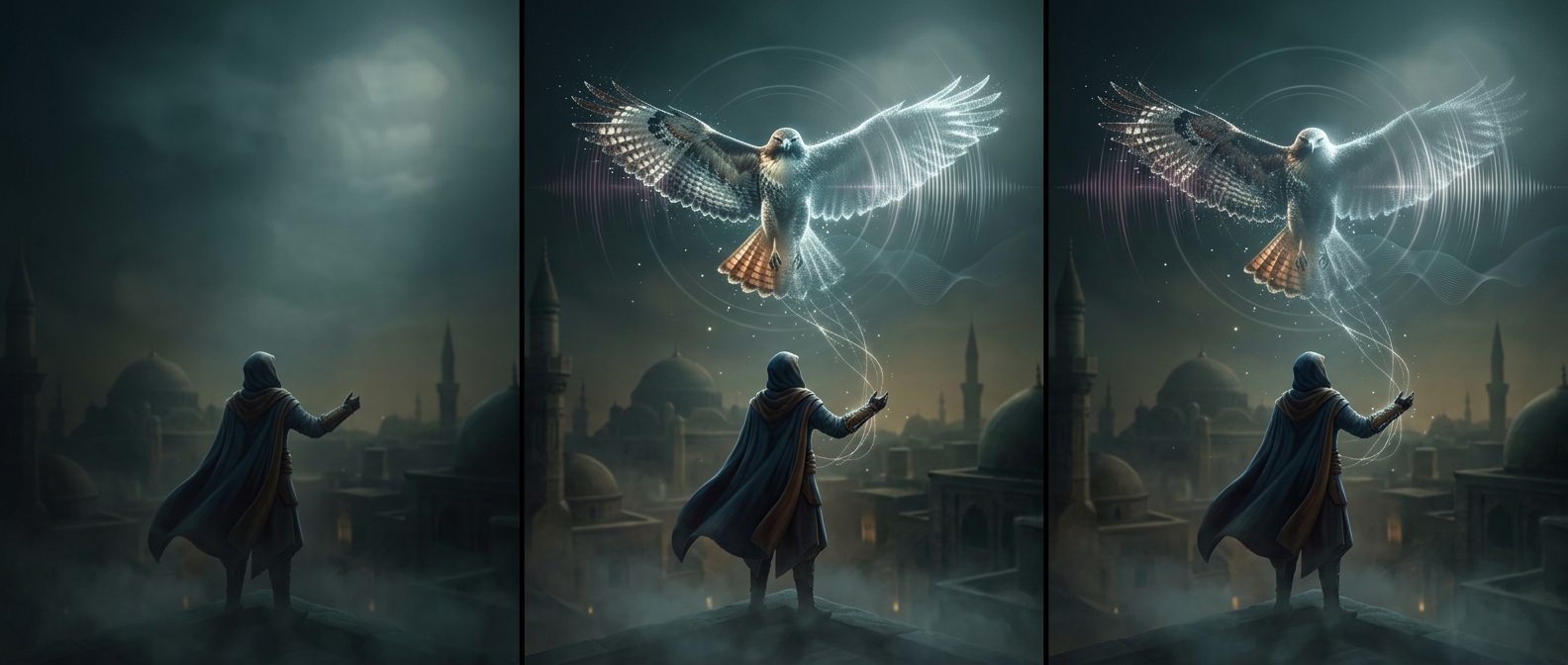
In Assassin’s Creed, the cry works as part of the game’s audiovisual language: it helps make the eagle feel vivid and imposing. The substitution is a reminder that sound effects often prioritize clarity and emotional impact over literal accuracy. Once a particular kind of scream becomes familiar from films and games, it can seem more “eagle-like” than an eagle’s own voice.
So the next time that piercing call rings out, listen for the mismatch: the scene is asking you to hear an eagle, but the rasp belongs to a red-tailed hawk.