The soundtrack made genre part of the race
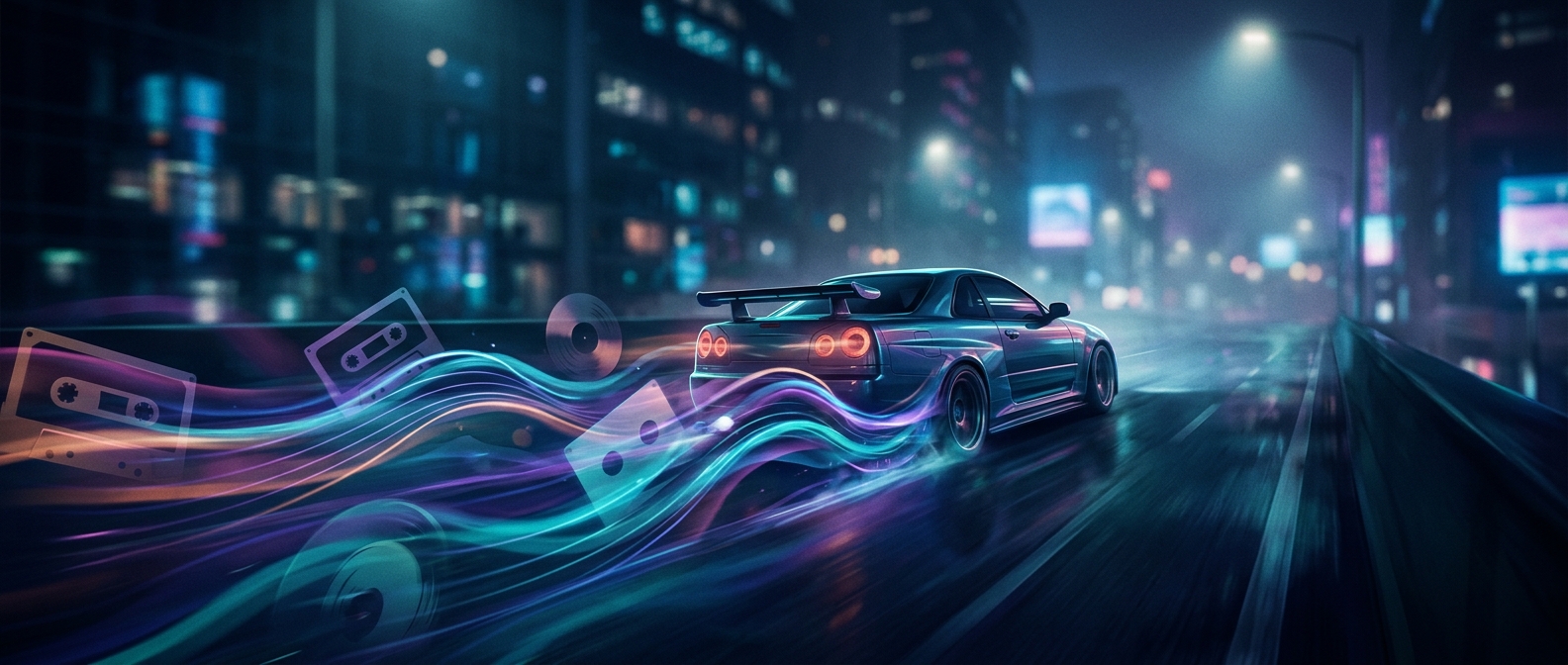
In Need for Speed, music did more than fill silence between engine sounds. Fast, forceful tracks matched the game’s central sensation—driving at speed under pressure—so a song could become bound to a memorable chase, escape, or close call. Players heard it not as a recommendation on a playlist, but as part of the action.
Repetition turned exposure into discovery
A soundtrack can introduce unfamiliar music simply by putting it in front of listeners repeatedly. Players returning to a favorite game heard its tracks across many races and sessions; the game’s momentum gave industrial metal, Southern hip-hop, and electronica an immediate setting and mood. Even without knowing an artist or genre beforehand, a player could recognize the sound as belonging to a particular kind of high-speed pursuit.
That association also made the music easier to remember. A track heard during a tense escape was attached to a scene the player helped create, rather than encountered only in the background. The game connected new sounds to an experience players were actively controlling.
A shared soundtrack, with different memories
The series’ music changed across releases, so no single track represents every player’s experience. But the format gave many players a similar route into music they might not otherwise have sought out: choose a car, start a race, and hear the soundtrack return as the action unfolded. Years later, a familiar song can bring back not just the game, but the feeling of trying to outrun the police with the next turn still ahead.