Turning animal behavior into machine movement
A robot creature can look convincing in a still image and feel lifeless as soon as it moves. The difference often lies in small transitions: a shift of weight before a lunge, the uneven rhythm of a heavy gait, or the quick adjustment that follows a change in direction. These details make motion feel like the result of a body responding to its surroundings, rather than a character sliding through a preset pose.
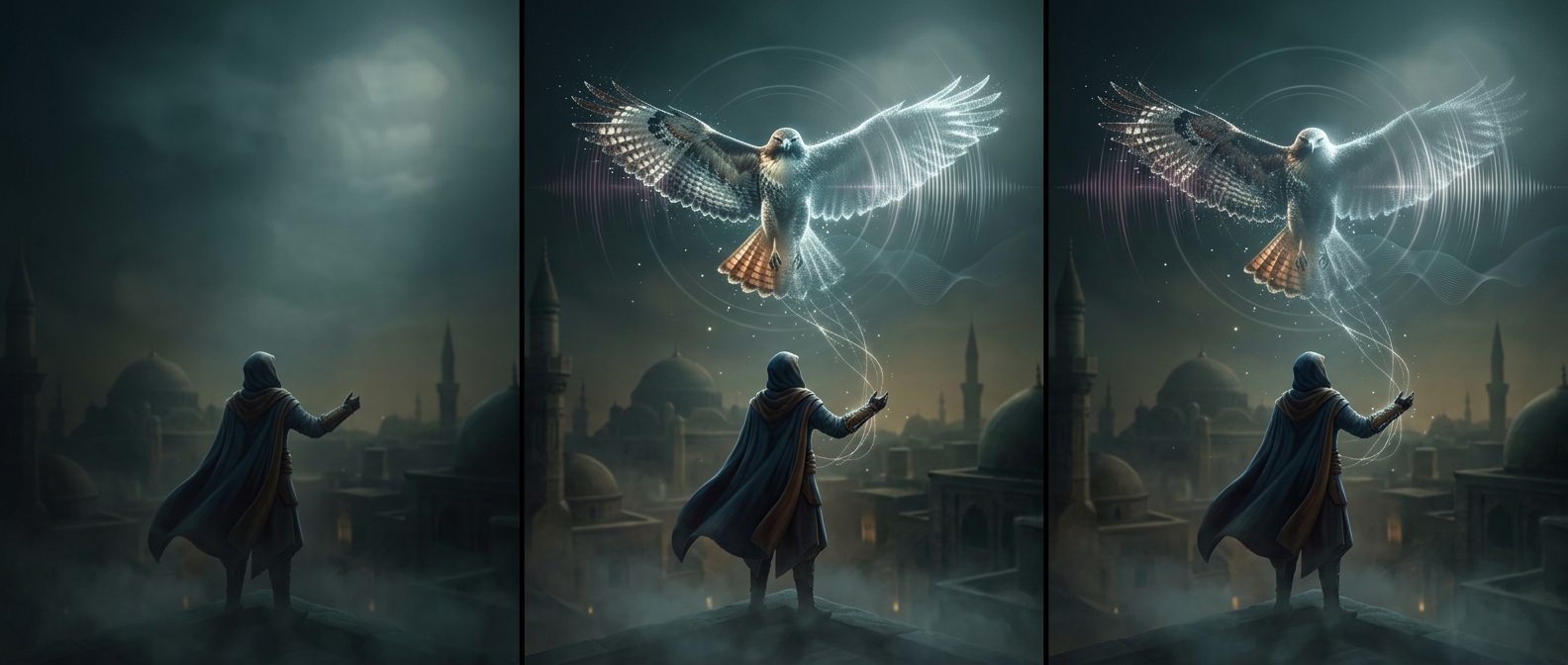
To study those transitions, Horizon’s animators watched hundreds of hours of BBC nature documentaries. They could observe how wolves, bears, and birds of prey moved not only at peak action, but while approaching, hesitating, turning, and recovering. That gives artists a library of physical behaviors to interpret for creatures built from machinery.
Why the animal reference matters
The goal is not to make a machine indistinguishable from wildlife. It is to borrow the cues that help viewers read an animal’s movement: a bear’s weight, a predator’s sudden acceleration, or a bird of prey’s decisive reaction. Those cues can make a mechanical creature feel both engineered and alive.
The result depends on more than choosing a recognizable animal gait. A lumbering step and a pounce tell different stories about what a creature can do—and what it might do next. By grounding those motions in observed behavior, the animators give each machine a physical presence that viewers can understand before it acts.