Technology
Discover facts about technology. Small discoveries that change the way you see familiar things.
Technology

What a screen protector really protects
A protector takes scratches and wear on a replaceable surface instead of the display itself. But surviving a drop also depends on the angle of impact, the…
Discover more
Who curved TVs were really made for
The curve mainly benefits one person sitting directly in front of the screen; viewers off to the side may see distorted images and more glare.
Discover more
The tiny switches that controlled arcade games
Arcade owners could change a game's settings, including its difficulty, with tiny physical switches on the motherboard. A pen was often enough to flip one.
Discover more
Premium computer cases focus more on airflow than silence
High-end cases often favor perforated mesh over sound-dampening foam because moving heat out matters more than muffling the fans.
Discover more
Mesh systems force internet signals to endlessly relay
Each station passes the signal to the next, helping it reach devices around walls.
Discover more
Google mapped a desert with a camel
For Street View in the Liwa Oasis, Google mounted its Trekker camera on Raffia, a 10-year-old camel.
Discover more STACKY FOR IPHONE
A bigger world.
One discovery
at a time.
Keep discovering with Stacky. Interesting facts in an app that is always within reach.

The first total artificial heart bought a patient 64 hours
In 1969, Denton Cooley implanted the Liotta-Cooley device in Haskell Karp while a donor heart was sought. It supported him for roughly 64 hours before…
Discover more
Vertical centering used to be a surprisingly awkward CSS job
Older layout techniques handled text flow and floating elements more naturally than aligning a box inside another box in both directions. Developers combined…
Discover more
The word podcast was coined as a throwaway
Journalist Ben Hammersley tossed “podcasting” into a Guardian article about amateur internet radio as a quick label. Apple didn’t invent the technology, but…
Discover more
Dropped PC screws vanish into thin air
A dropped screw can lodge under the motherboard, where it may cause a short circuit.
Discover more
A compression tool became a back door into Linux systems
In 2024, malicious code was discovered in two releases of XZ Utils, an open-source compression tool. On affected systems, the altered library could interfere…
Discover more
The PC Engine squeezed a console into a tiny square
NEC's 1987 Japanese system used thin HuCard games and a compact body instead of a bulky cartridge slot. Its small size hid capable graphics hardware. The…
Discover more
Why chess engines sacrifice pieces for a distant checkmate
A chess engine may sacrifice a piece because its search finds that the loss forces checkmate many moves later. What looks reckless can be a calculated route…
Discover more
Hardware bottlenecks happen when one component holds back
A fast processor can sit idle while waiting for files from a slow drive, so upgrading the processor alone may not speed up the computer.
Discover more
Task managers lack the authority to close kernel processes
The task manager can close ordinary apps, but the operating system protects essential kernel processes from being ended that way. If a critical driver…
Discover more
Resin 3D printers use toxic goo cured by ultraviolet light
A build plate dips into liquid photosensitive resin while an ultraviolet screen flashes each layer's pattern from below, hardening the object a layer at a time.
Discover more
Snow plows use heavy angled steel blades to push snow aside
As the truck moves forward, the blade redirects snow to the side instead of gathering it up.
Discover more
World of Warcraft has a secret island
Game masters use the hidden island to test commands and banish rule-breakers, away from the game’s regular players.
Discover more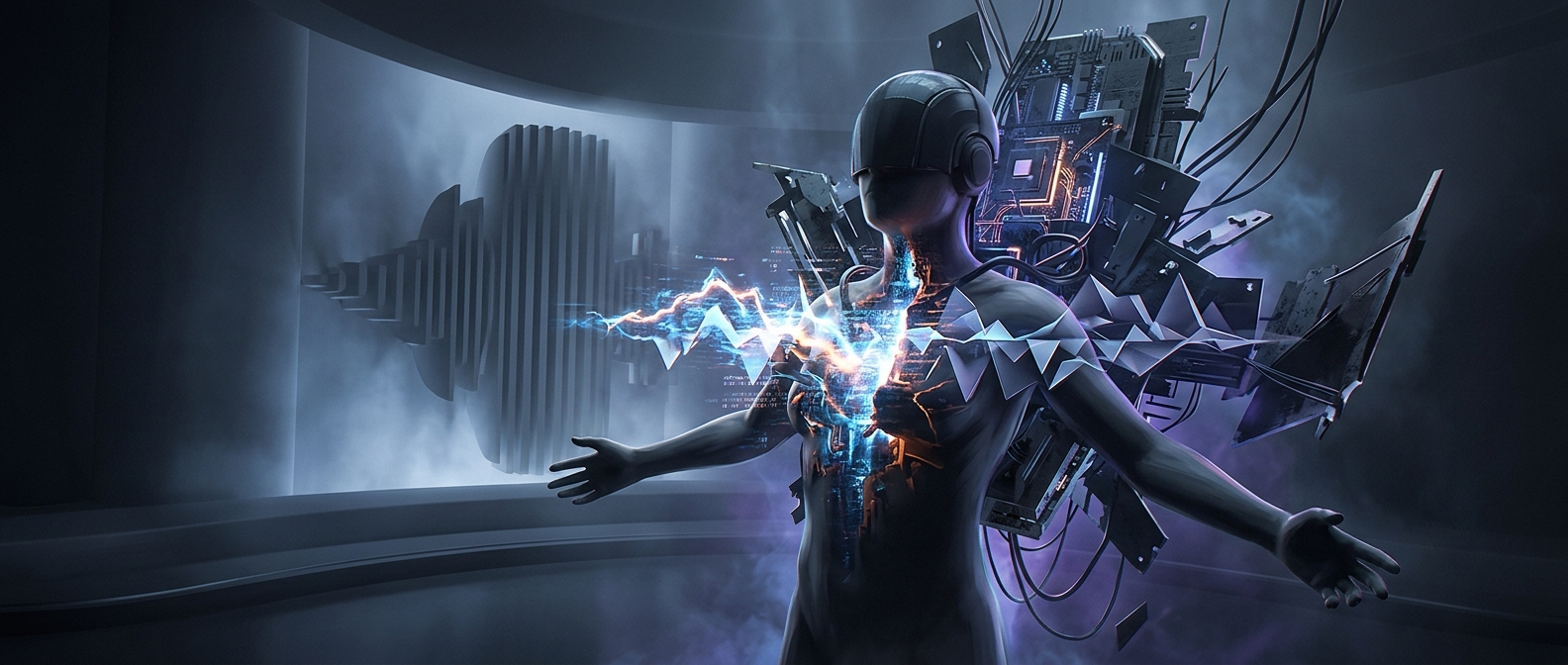
How a vocoder turns voices into robots
A vocoder analyzes a voice’s frequency bands, then uses their rhythm to open and close filters on a steady synthesizer tone. The result sounds robotic because…
Discover more
Why HTML isn't a programming language
HTML structures webpage content, but it can't perform calculations or run logic on its own. Those tasks require a programming language.
Discover more
What happens when AI learns from itself
When successive models learn from earlier models' output without enough grounding in real data, rare details can disappear and errors can compound.…
Discover more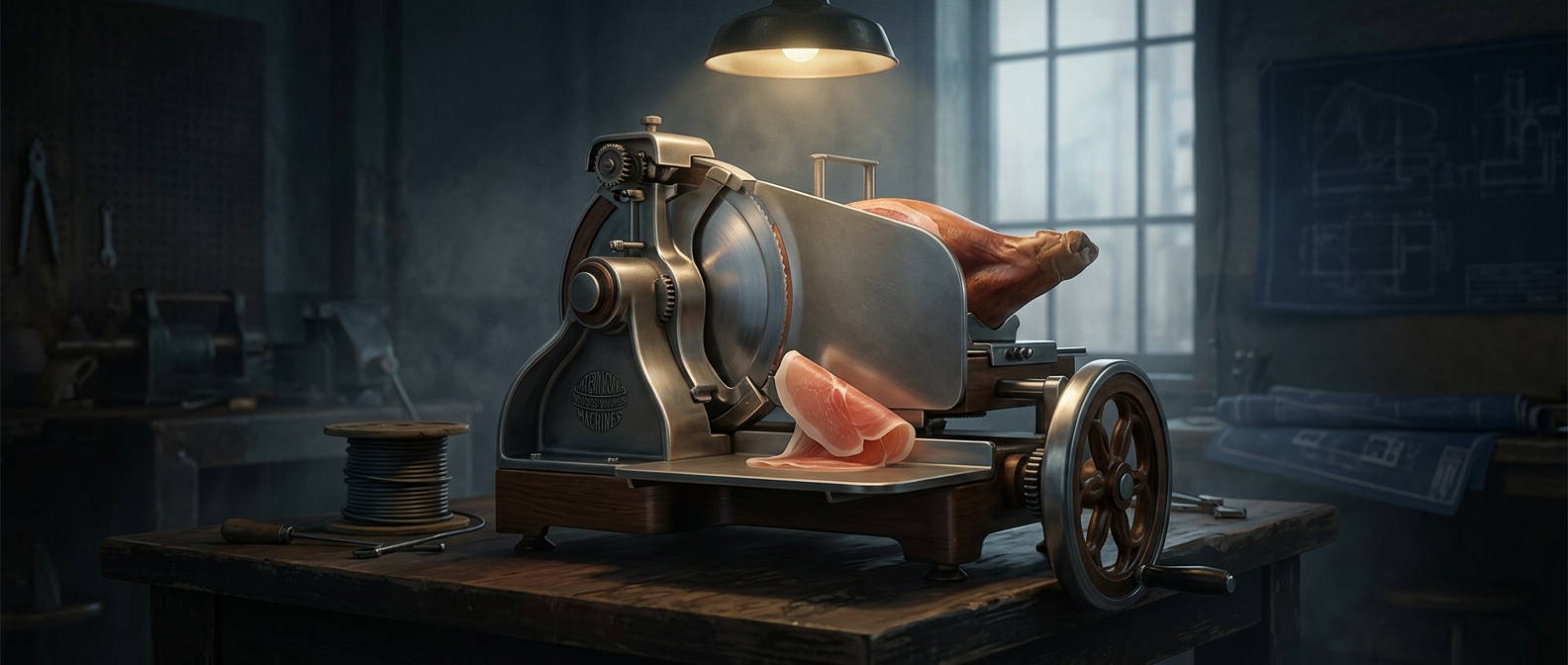
IBM once sold cheese slicers
Alongside scales and punch clocks, IBM sold commercial cheese slicers before it became known for computers.
Discover more
State machines rigidly lock software into specific modes
They define which transitions are legal, so a shopping cart can’t jump straight to shipping without passing through payment.
Discover more
How tree shaking cleans useless code
A compiler’s “tree shaking” removes code that an application never calls, trimming unused functions from the final app.
Discover more