Technology
Discover facts about technology. Small discoveries that change the way you see familiar things.
Technology
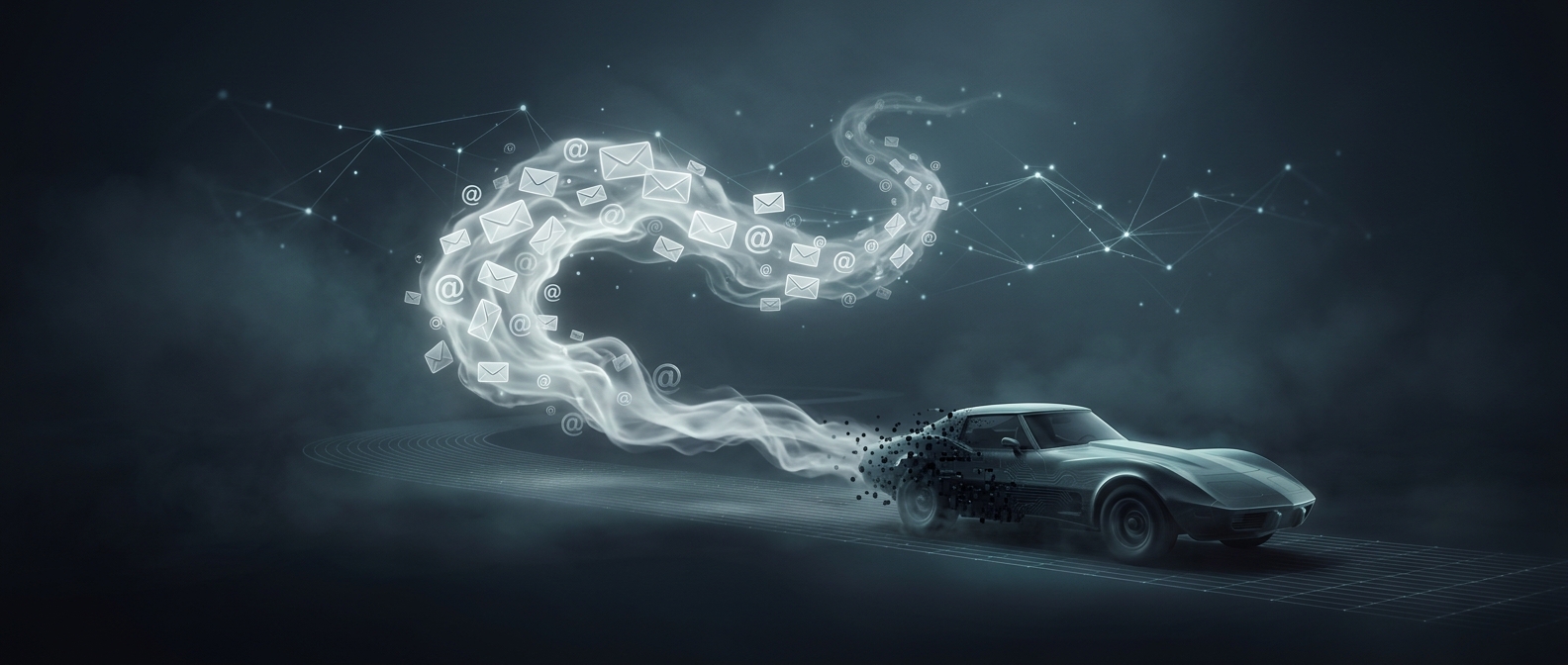
How your emails leave a carbon footprint
Storing and transmitting billions of daily emails requires massive data centers. The electricity used to power these giant servers generates global emissions…
Discover more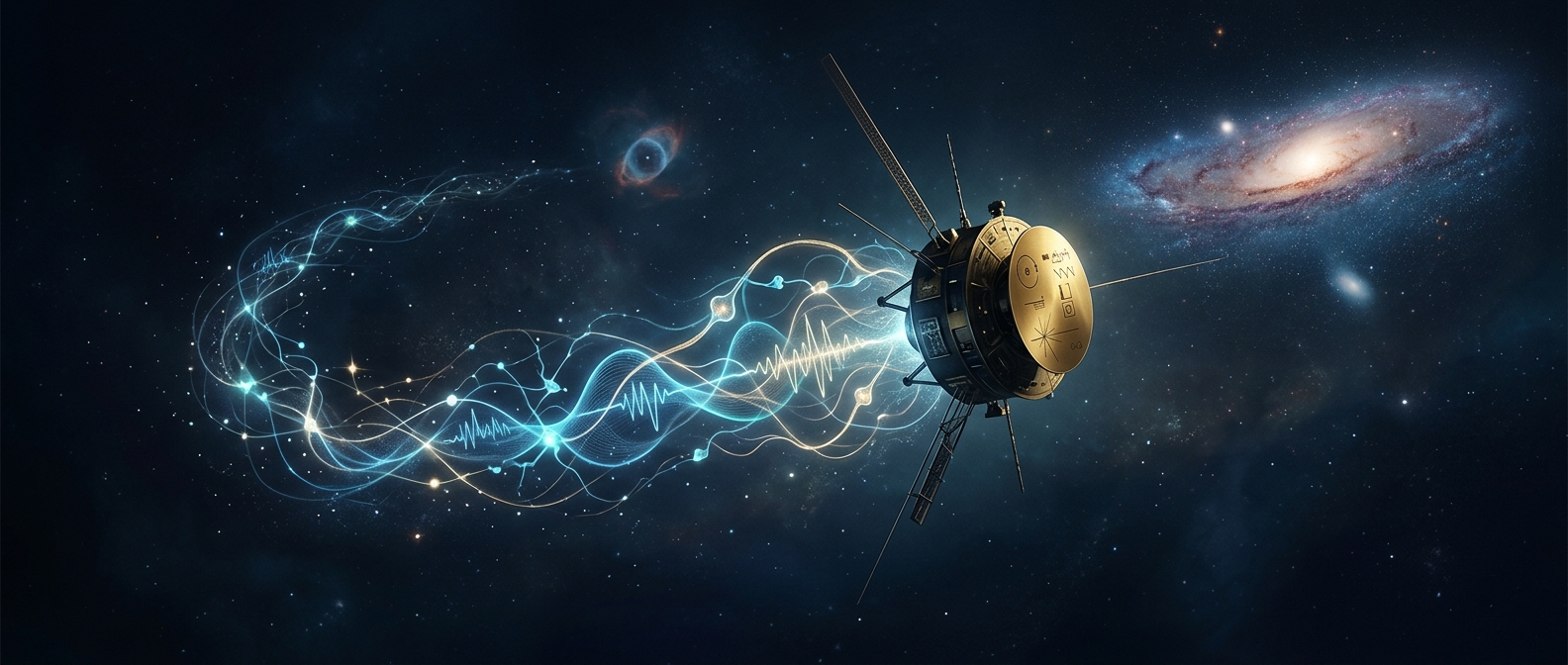
Voyager's Golden Record contains an hour of brainwaves
The famous Voyager Golden Record contains a full hour of recorded human brainwaves specifically meant to convey complex biological emotion to potential alien…
Discover more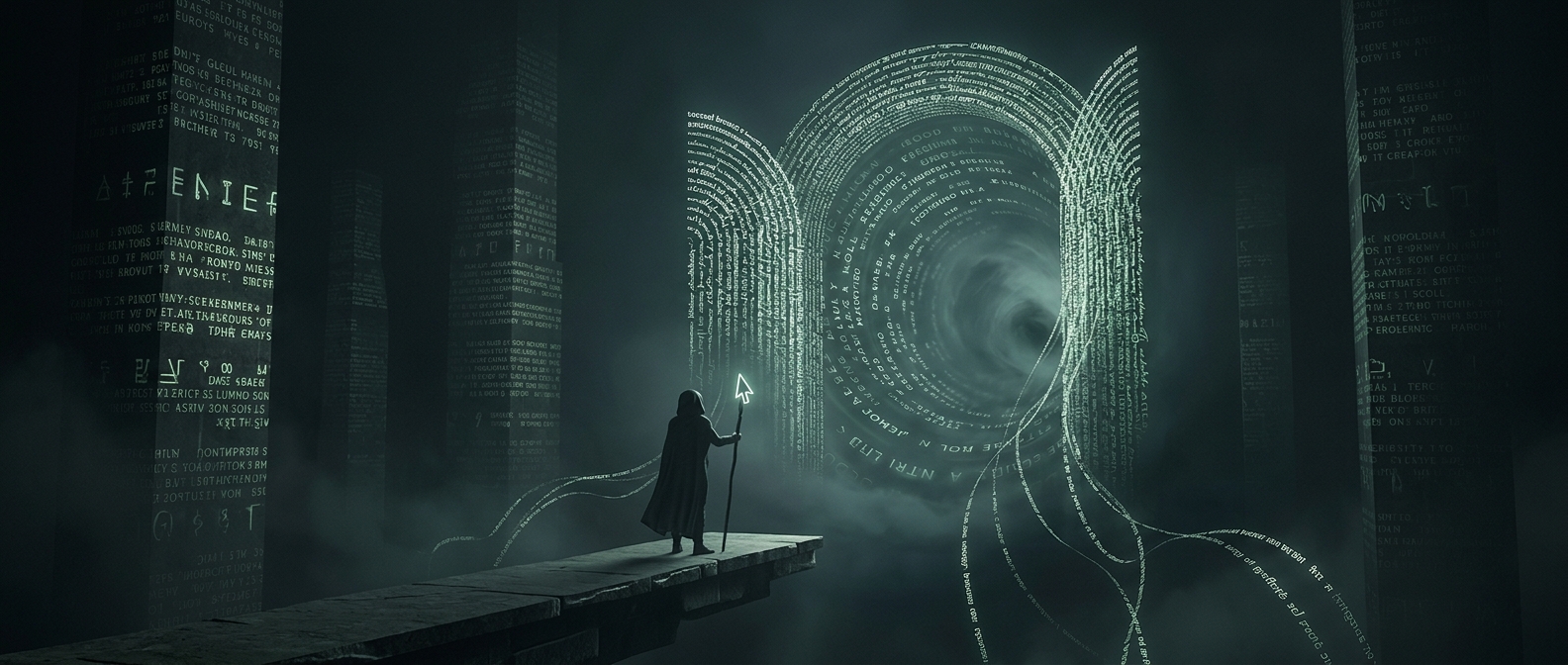
Early web browsers were primarily text navigators
Before flashy images and videos dominated the internet, early browsers like Lynx were entirely text-based. Users navigated the emerging web entirely via…
Discover more
How submarines navigate without GPS
Since traditional GPS signals are utterly blocked by ocean water, deep sea submarines must navigate entirely blind using spinning atomic lasers. These…
Discover more
The Cold War search for invisible sound weapons
During the height of espionage, intelligence agencies attempted to develop silent acoustic weapons capable of transmitting devastating low-frequency sound…
Discover more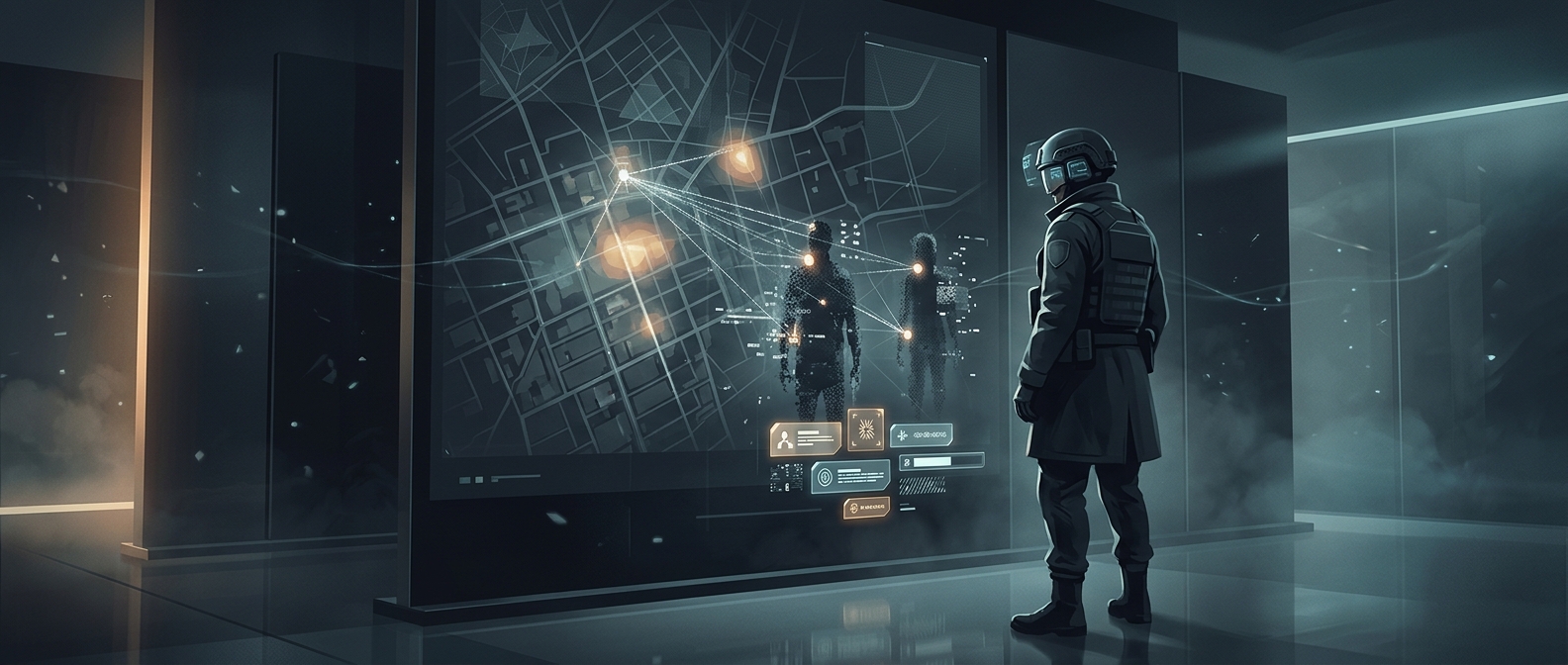
How predictive policing can create its own evidence
Law enforcement agencies are increasingly using complex algorithms to predict exactly where and when a crime is likely to occur before it happens. By feeding…
Discover more STACKY FOR IPHONE
A bigger world.
One discovery
at a time.
Keep discovering with Stacky. Interesting facts in an app that is always within reach.

Computer mice were once called turtles
Before settling on the rodent-inspired moniker due to the attached tail-like cord, early interface engineers experimented with calling the device a 'turtle'.…
Discover more
Modern smartphones contain precious rare earth metals
Every modern smartphone relies heavily on obscure elements like neodymium and yttrium to generate brilliant screen colors and powerful speaker vibrations.…
Discover more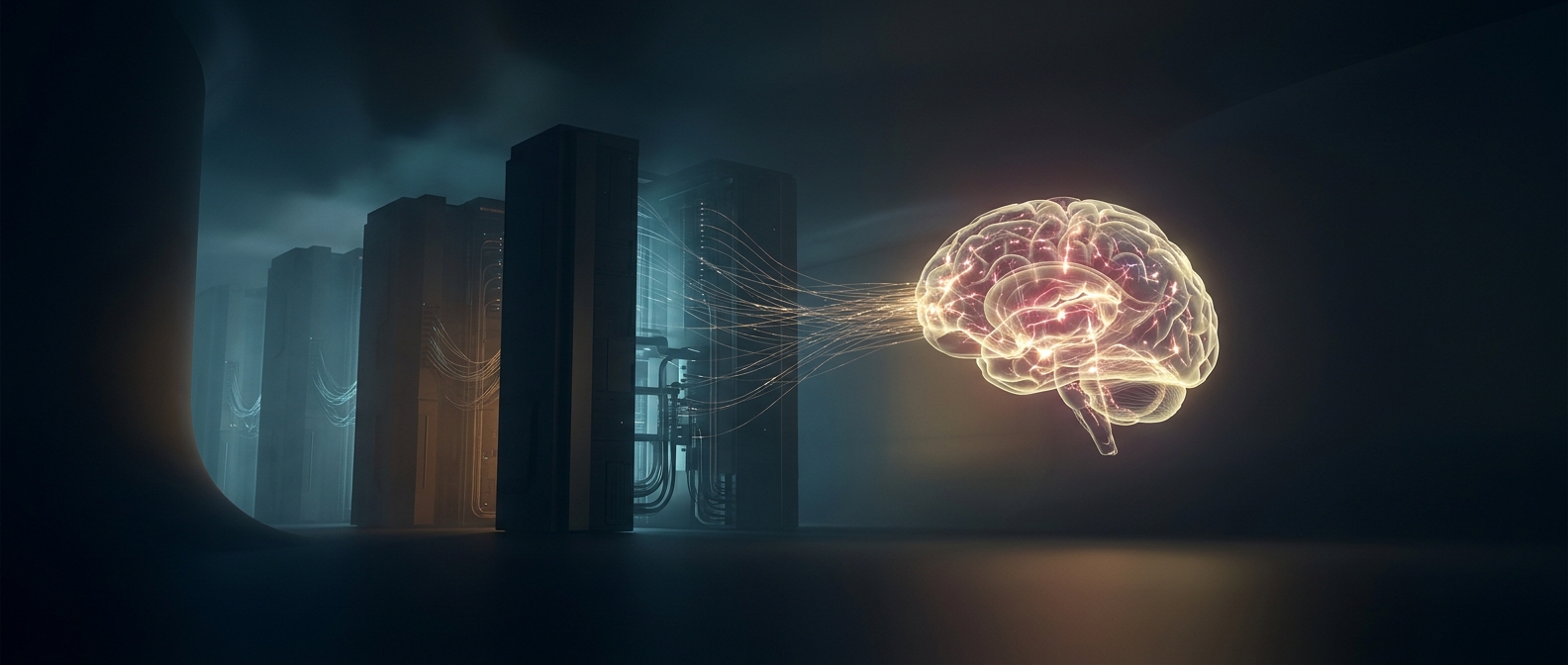
A second of brain activity took 40 minutes to simulate
Simulating merely one second of complex human biological brain activity required eighty-two thousand processors running intensely on the world's fourth most…
Discover more
Before Google, the internet had no central index
Before modern search engines existed, the entire World Wide Web was manually cataloged by dedicated hobbyists curating simple hyperlink lists. Users literally…
Discover more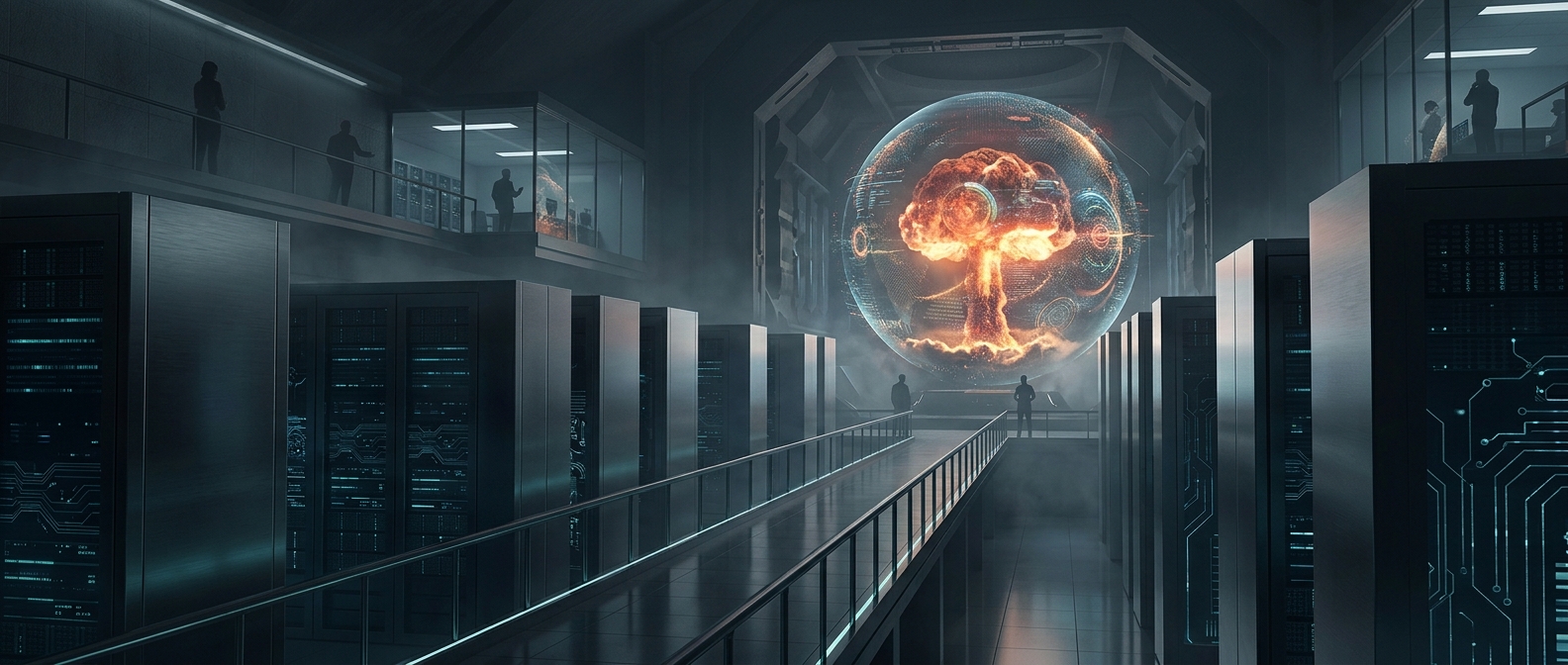
Why supercomputers simulate nuclear explosions
The world's most powerful and expensive supercomputers are primarily built for a terrifying singular purpose. Because international treaties ban physical…
Discover more
Why spider silk makes an unusually sensitive microphone
Scientists have created the most sensitive microphones on the planet by utilizing strands of actual spider silk. Traditional microphone diaphragms rely on…
Discover more
Why audio CAPTCHAs sound demonic
To prevent bots from easily parsing audio security tests, engineers specifically layer human speech over heavy distortion and chaotic background noise. The…
Discover more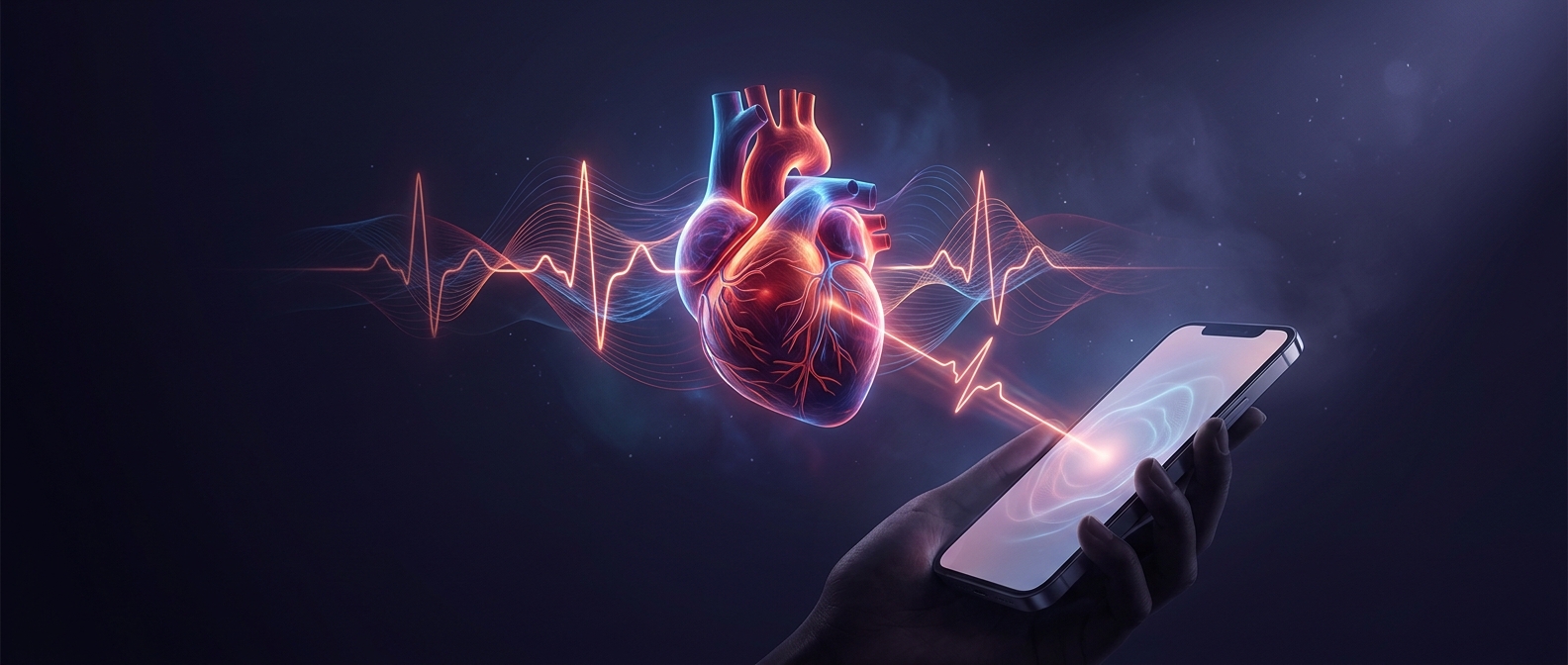
Your heartbeat could become your phone's password
Because the exact size and shape of every human heart is completely distinct, your personal electrocardiogram rhythm acts exactly like a fingerprint. Advanced…
Discover more
Why keyboard letters are scrambled
The classic keyboard layout was not designed to slow down typists or prevent typewriter jams, as popular myths suggest. It was explicitly created for early…
Discover more
QR codes were created for car factories
Long before they were used for restaurant menus and concert tickets, QR codes were invented in 1994 by a Japanese engineer named Masahiro Hara. He developed…
Discover more
The typo that knocked thousands of websites offline
An Amazon Web Services engineer tried to execute a routine command to debug an issue, but accidentally typed a value that was too large. This single keystroke…
Discover more
AI can reconstruct blurry images from your dreams
Researchers are currently using artificial intelligence to reconstruct visual images from human brain waves during sleep. This technology can interpret fMRI…
Discover more
AI is helping read lost languages on clay tablets
Machine learning algorithms are now being trained on fragmented clay tablets to decipher lost human languages, such as Akkadian and Elamite. By identifying…
Discover more
The silent signals linking your TV to your phone
While you are watching a commercial on television, your phone might be silently listening to high-frequency audio beacons hidden in the broadcast. These…
Discover more
Why faster computers still feel slow
Even though our computers are exponentially faster than a decade ago, apps feel sluggish and bloated. This paradox is driven by developers relying on heavy,…
Discover more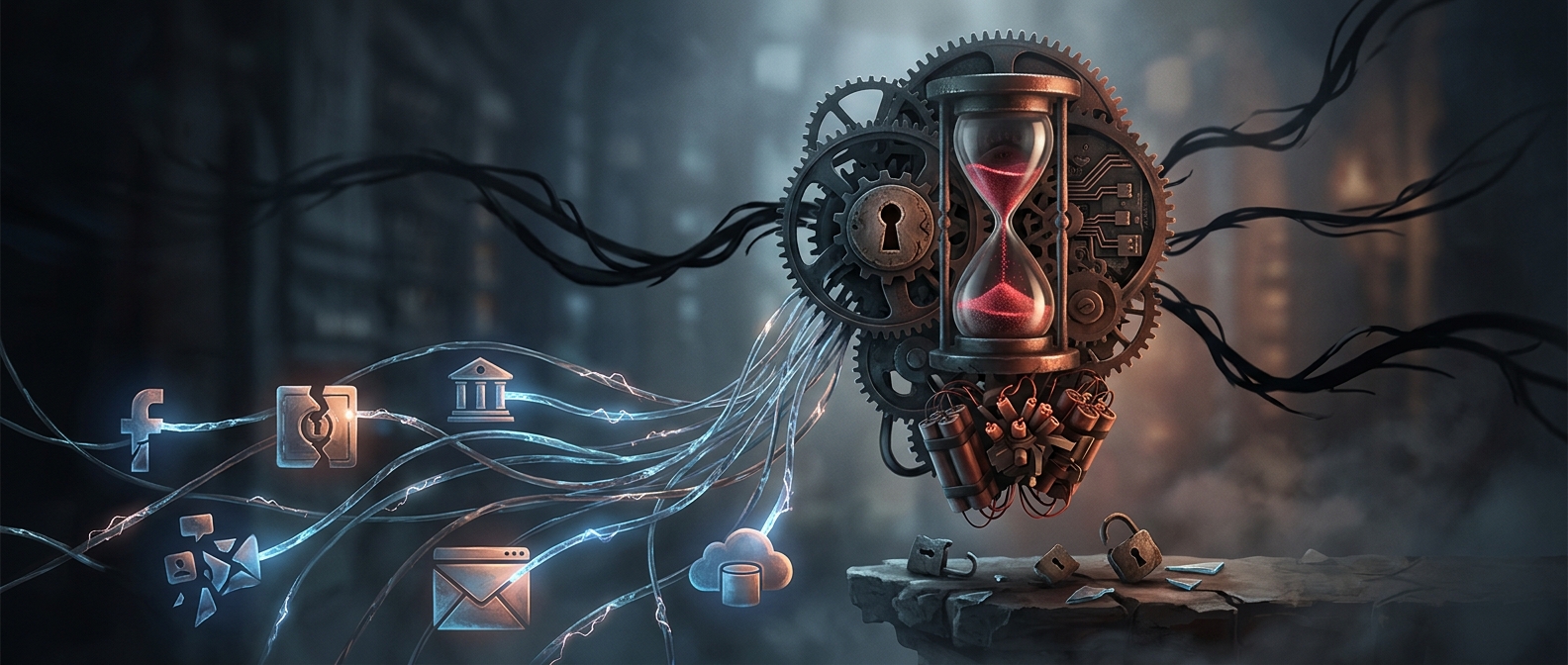
Why reusing passwords puts your whole digital life at risk
Credential stuffing is a cyberattack where hackers use automated scripts to test stolen passwords across thousands of websites simultaneously. If you use the…
Discover more
AI-generated text may carry an invisible signature
Tech giants are silently embedding algorithmic watermarks into AI-generated content. By subtly altering the distribution of specific words, these invisible…
Discover more
Your cloud storage is becoming a junk drawer
We accumulate thousands of unread emails, duplicate photos, and abandoned files, creating a psychological burden disguised as digital convenience. This…
Discover more