Technology
Discover facts about technology. Small discoveries that change the way you see familiar things.
Technology

The Soviet computer that solved equations with water
In 1936, a Soviet scientist built a massive water integrator, an analog computer that used a complex network of pipes and water levels to solve differential…
Discover more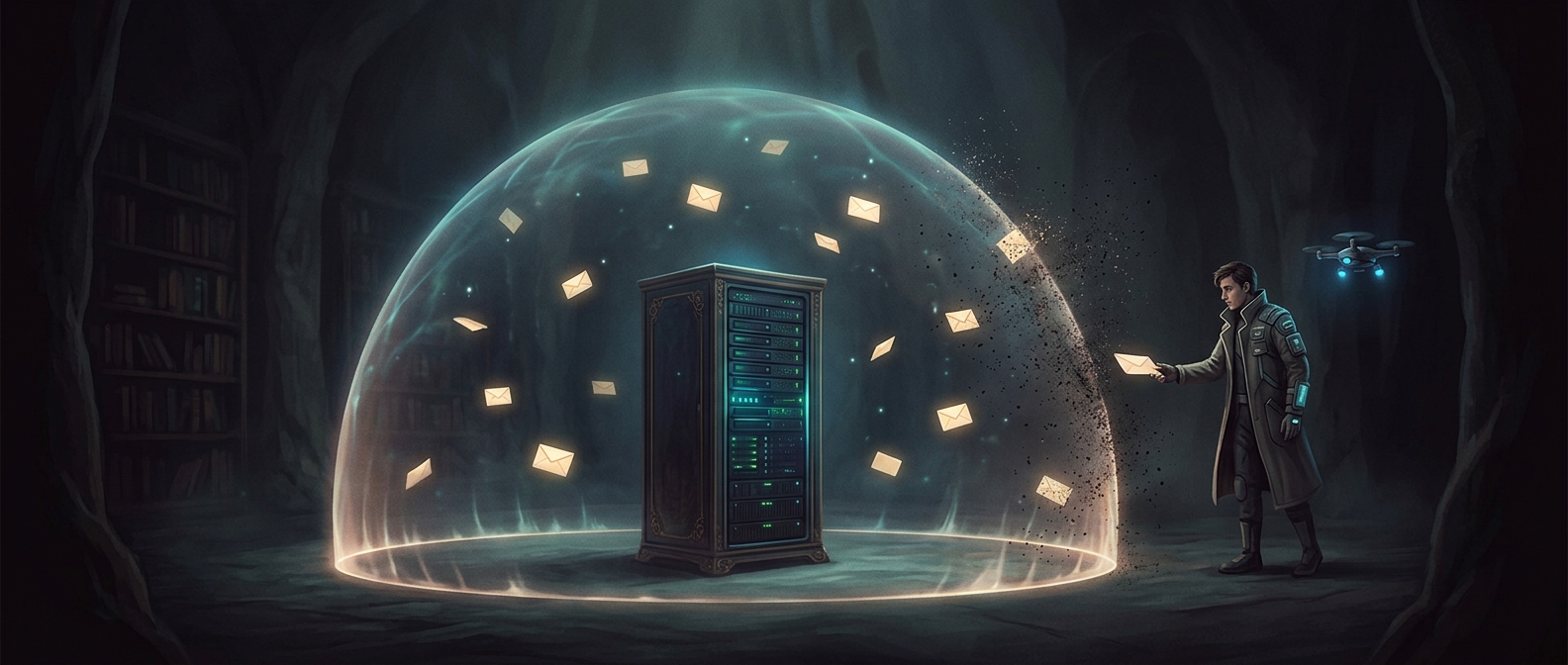
When email stopped working past 500 miles
In a legendary university network malfunction, an operating system update caused email servers to completely drop any digital message sent to a recipient…
Discover more
Why the mouse wheel was invented
The clickable scrolling wheel situated between your mouse buttons was not designed to make web browsing easier. It was exclusively invented by an impatient…
Discover more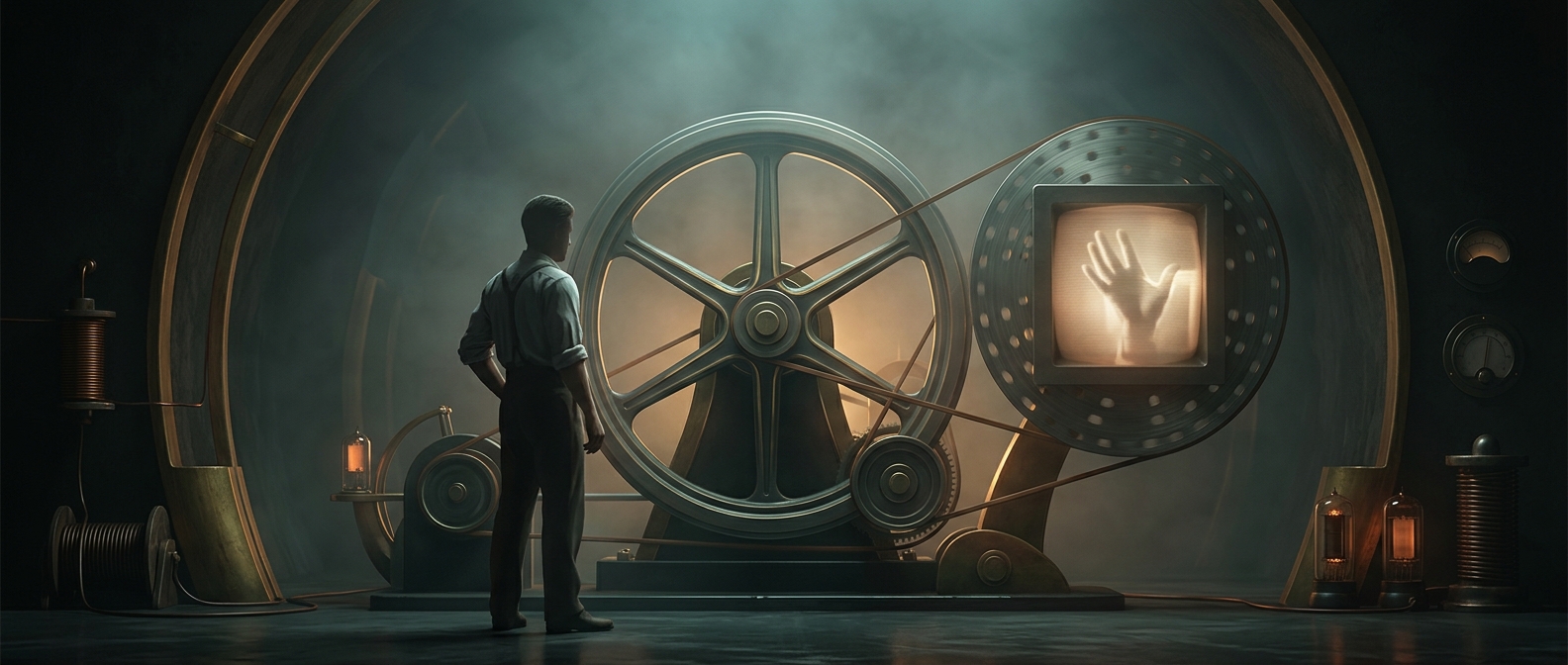
Early TV worked with spinning metal discs
Before the invention of electronic cathode ray tubes, the first experimental television broadcasts relied entirely on physically spinning metallic discs…
Discover more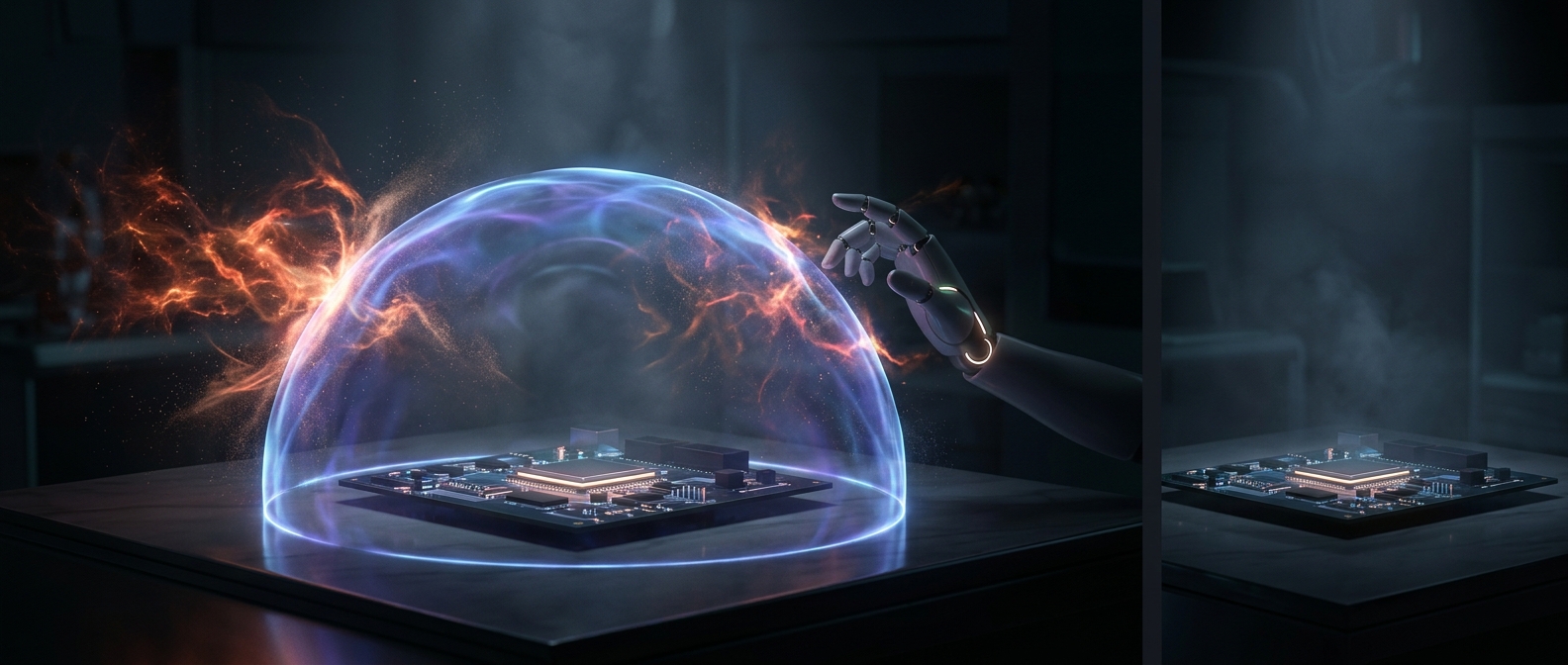
Invisible light barrier protecting electronics
When high voltages need to interact with sensitive microchips without instantly frying them, engineers use light. Opto-isolators are tiny electronic…
Discover more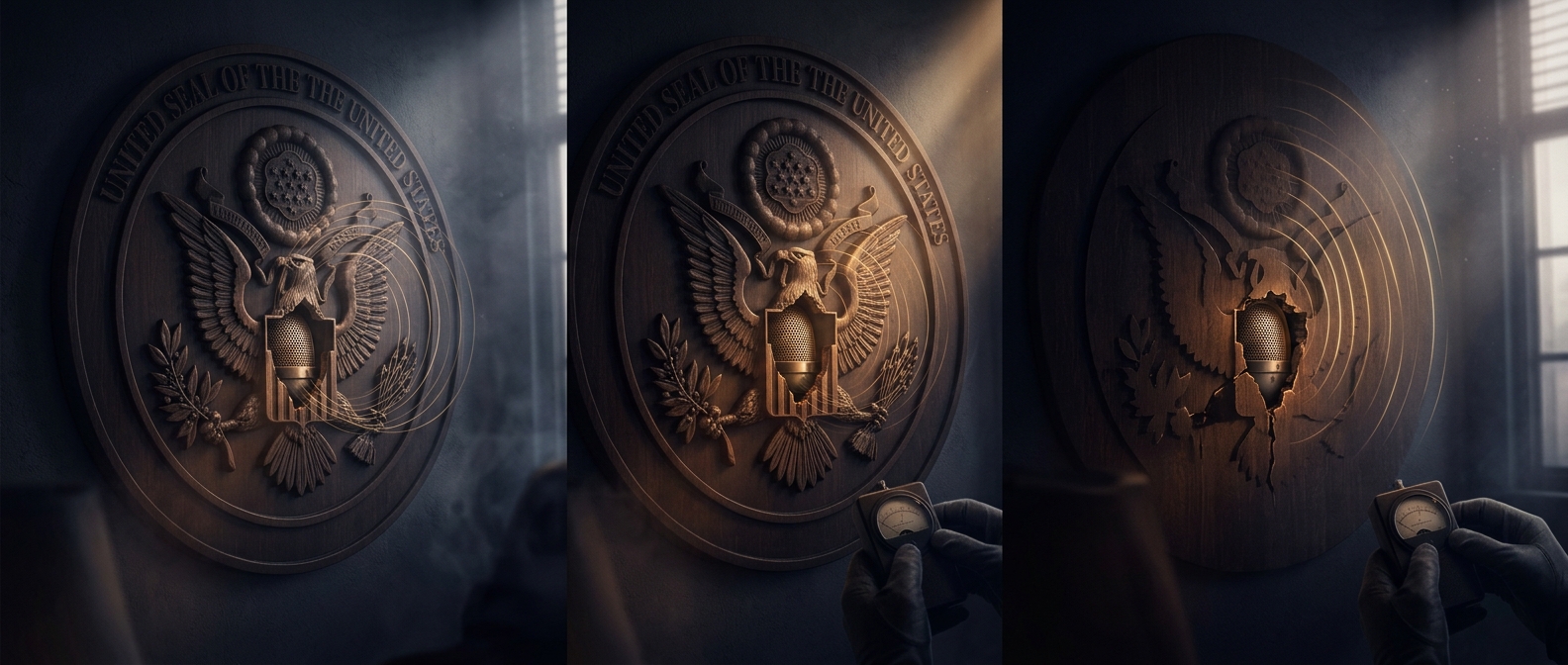
A wooden seal hid a listening device for seven years
For seven years, the US Ambassador to the Soviet Union unknowingly kept a listening device directly above his desk. 'The Thing' was an espionage device hidden…
Discover more STACKY FOR IPHONE
A bigger world.
One discovery
at a time.
Keep discovering with Stacky. Interesting facts in an app that is always within reach.
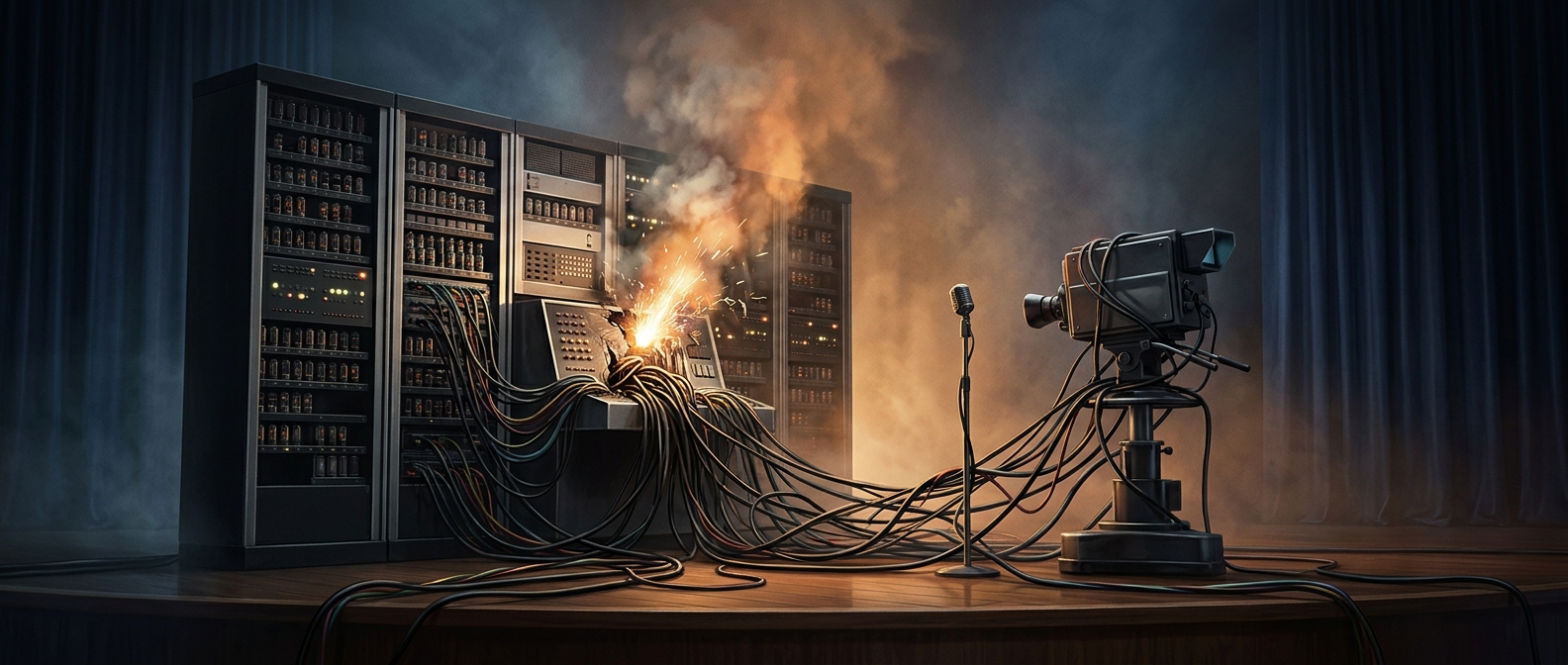
The computer that predicted Eisenhower's landslide
During the 1952 US presidential election, the UNIVAC computer accurately predicted a massive landslide victory for Eisenhower long before the physical polls…
Discover more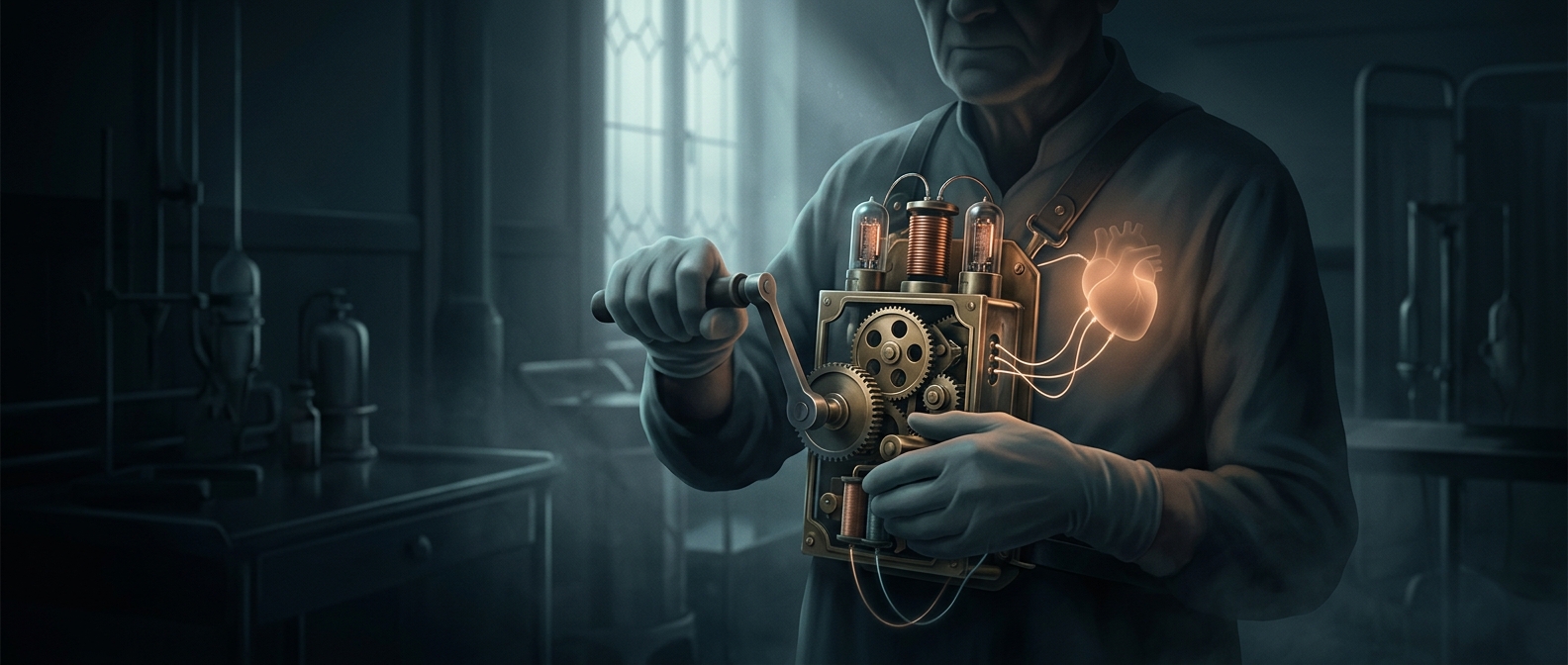
Some early pacemakers needed a hand crank
Before the invention of compact, long-lasting lithium batteries, early cardiac pacemakers were incredibly inconvenient. Some experimental external versions…
Discover more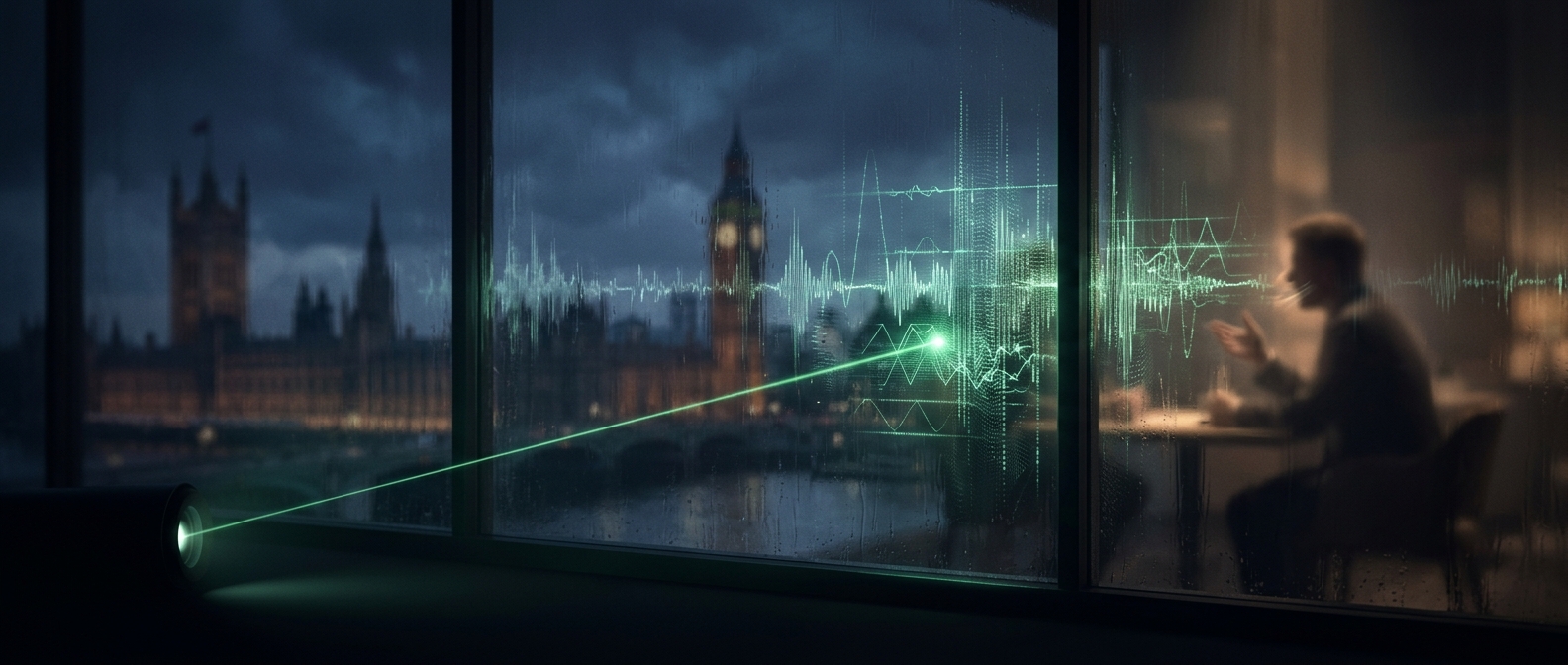
How lasers can listen through a window
Intelligence agencies do not always need hidden microphones to eavesdrop. By bouncing an invisible infrared laser off a window pane, they can perfectly…
Discover more
The tiny group writing most of Wikipedia
Despite being crowdsourced by the entire planet, an astonishingly small community does the heavy lifting for the world's largest encyclopedia. Statistics show…
Discover more
Your phone camera has roots in space exploration
The tiny CMOS active pixel sensor inside your smartphone was originally pioneered by NASA's Jet Propulsion Laboratory. They desperately needed a highly…
Discover more
The cloud began as a shape on network diagrams
Before 'the cloud' became a ubiquitous marketing buzzword for massive remote servers, telecom engineers used a literal cloud shape to represent unknown…
Discover more
The computer mouse wheel was invented for zooming
When the ubiquitous scroll wheel was first developed and patented, its primary intended function was to zoom in and out of complex documents rather than…
Discover more
Apollo mirrors still bounce lasers back to Earth
During the Apollo missions, astronauts left behind retroreflector panels designed to bounce light straight back to its source. To this day, scientists…
Discover more
The first barcode looked like a bullseye
Before the familiar rectangular stripes took over the retail world, the very first patented barcode resembled a giant bullseye. It was originally designed…
Discover more
Your bank card chip began in France
The secure EMV metallic chip sitting on your current bank card was actually pioneered in France during the mid-1980s. Originally deployed to combat rampant…
Discover more
How spoofed GPS signals put yachts on land
Advanced cybercriminals have mastered the art of hijacking satellite location data, causing massive luxury vessels to report their coordinates miles inland.…
Discover more
Modern password spaces are highly secure and memorable
Cybersecurity experts now strongly recommend using long phrases with natural spaces instead of complex jumbles of numbers and symbols. A simple sentence like…
Discover more
Early weather forecasts used rooms full of human computers
Before the invention of digital supercomputers, meteorology relied on massive rooms filled with human mathematicians literally called 'computers'. Each person…
Discover more
The internet of things began with a vending machine
In the early 1980s, university computer science students rigged micro-switches inside a campus vending machine to track bottle availability over the local…
Discover more
In Japan, some vending machines change prices with the weather
In Japan, technologically advanced vending machines are equipped with sophisticated environmental sensors and facial recognition cameras to maximize daily…
Discover more
The invisible barcodes hidden on your mail
Hidden securely within the fluorescent orange ink of almost every mailed envelope lies a microscopic, invisible barcode. Postal services utilize sophisticated…
Discover more
Touch screens began in British air traffic control
Decades before smartphones revolutionized daily life, capacitive touch technology was developed in the 1960s for British air traffic control. Engineers needed…
Discover more
The drunken joke that made text blink online
The infamous HTML blink tag, which caused text on early websites to incessantly flash on and off, was created during a late-night drinking session. A Netscape…
Discover more