Technology
Discover facts about technology. Small discoveries that change the way you see familiar things.
Technology
How AI can forget one piece of training data
Teaching an AI is easy, but forcing it to forget a specific fact is a cryptographic nightmare. Because neural networks blend data into a massive soup of…
Discover more
When switched off, these screens look like glass
The science fiction dream of invisible monitors is finally sitting in corporate boardrooms thanks to Transparent Conductive Oxides (TCOs). Traditional…
Discover more
How the internet could transmit the feel of touch
Audio and video compression changed the world, but the next frontier of the internet is downloading physical touch. To make remote surgery a reality, the…
Discover more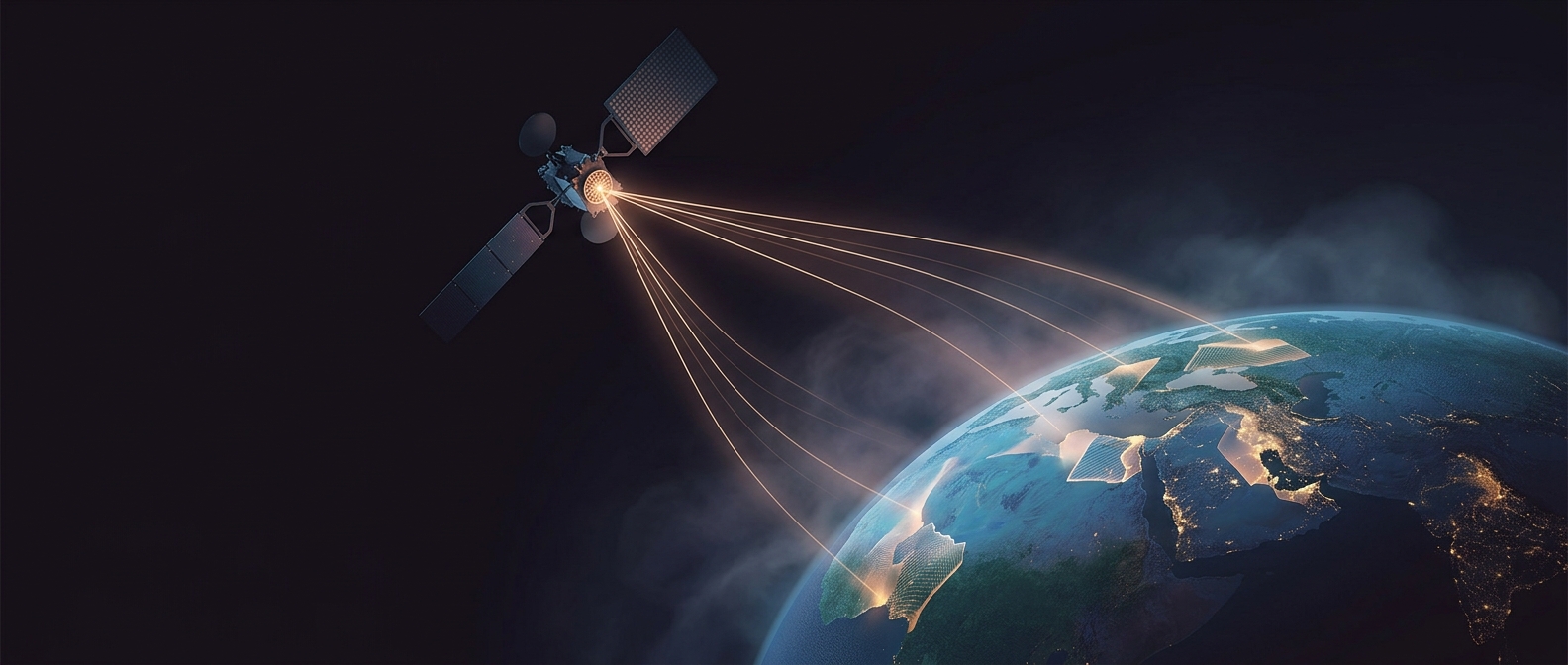
The satellite whose coverage can be reshaped from Earth
Launching a satellite used to mean committing to a specific hardware frequency for fifteen years. Eutelsat shattered this rigid paradigm with entirely…
Discover more
Face ID stores a map, not your face
Unlocking your smartphone with your face feels like a massive corporate privacy violation, but Apple essentially rigged the game in your favor. Instead of…
Discover more
Da Vinci robots can simulate the feel of human organs
Operating on a human from three thousand miles away has a glaring flaw: the surgeon can't actually feel the organs. To fix this terrifying lack of touch,…
Discover more STACKY FOR IPHONE
A bigger world.
One discovery
at a time.
Keep discovering with Stacky. Interesting facts in an app that is always within reach.
The newspaper machine that cast hot lead
Thomas Edison called the Linotype machine 'the eighth wonder of the world,' ignoring the fact it was basically an industrial hazard that spewed hot metal.…
Discover more
Why AT&T hid the answering machine
In 1934, Bell Labs engineer Clarence Hickman built a genius magnetic recording device that automatically answered missed calls. Instead of rejoicing, his…
Discover more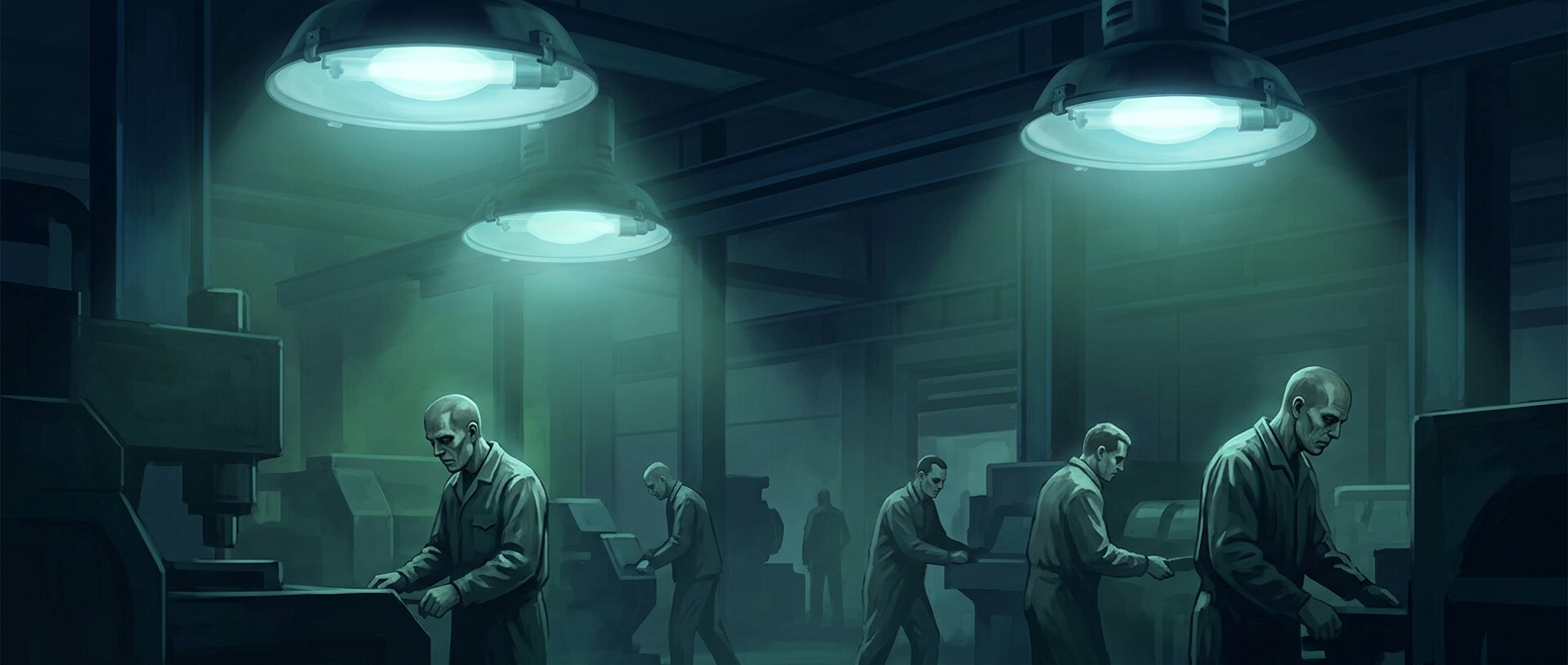
When fluorescent light made people look dead
Peter Cooper Hewitt invented the modern fluorescent light’s ancestor in 1903, successfully proving that efficiency can come at a terrifying aesthetic cost.…
Discover more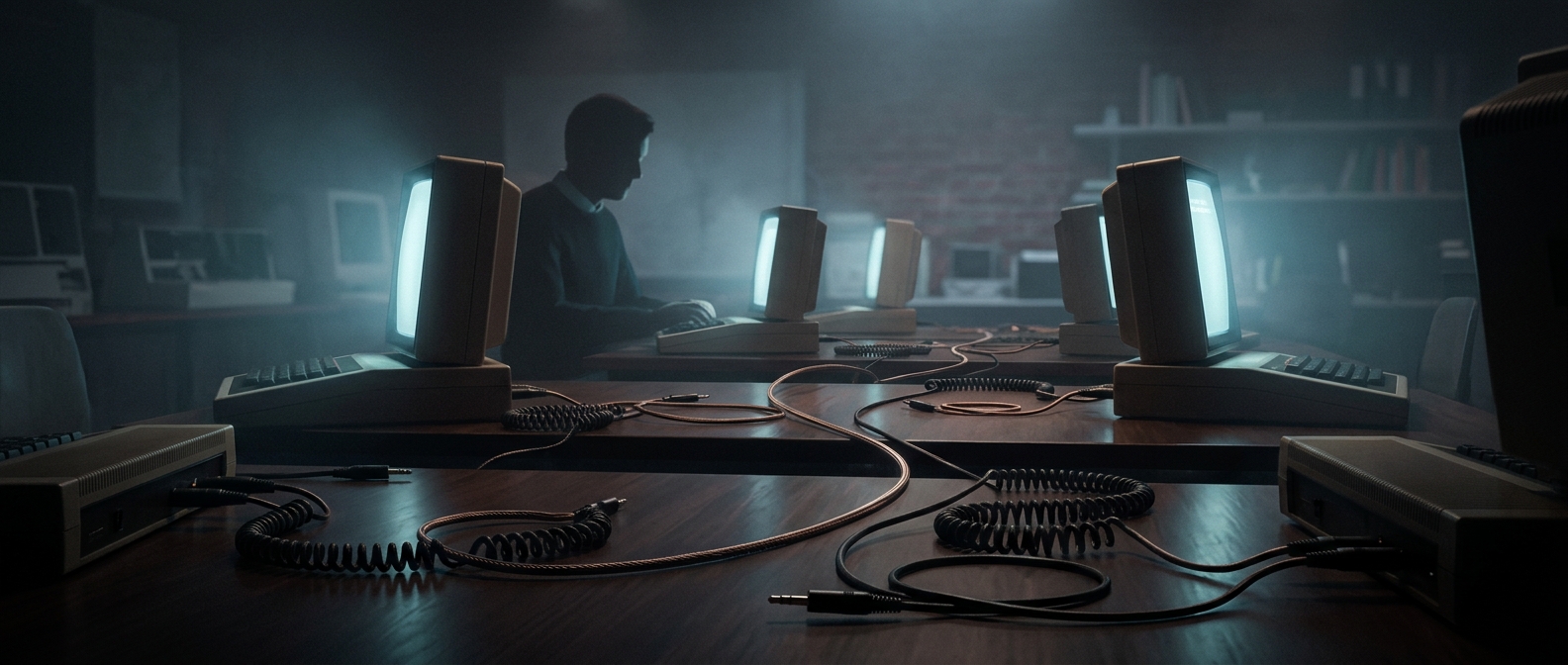
British schools once networked computers with audio cables
In the 1980s, British schools wanted to network their clunky microcomputers, but Ethernet was laughably expensive. Enter Econet: a brilliant,…
Discover more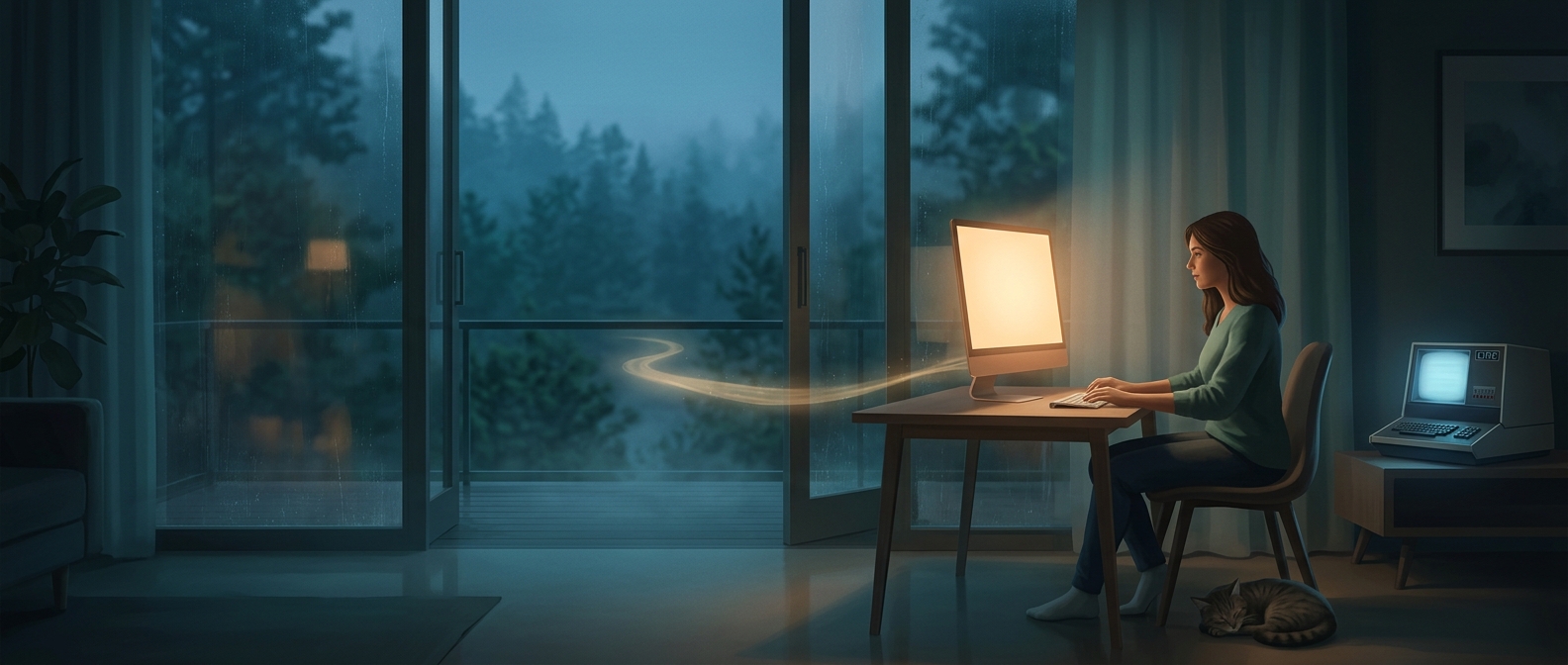
The woman who worked from home with a 1965 computer
Decades before the pandemic made working from your couch a global norm, Mary Allen Wilkes was doing it in 1965 with a computer the size of a refrigerator.…
Discover more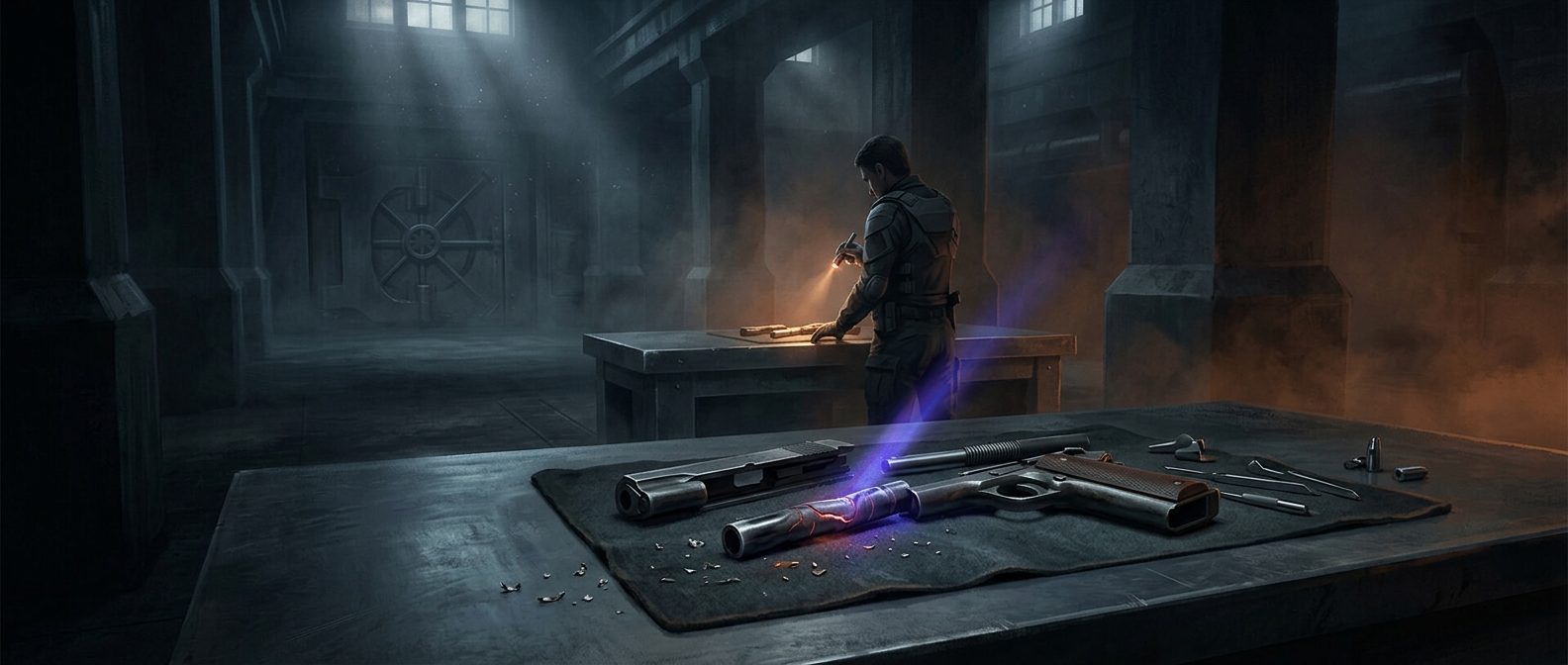
The Secret Service turned an assassin’s gun into a lesson
When Manson family member Lynette "Squeaky" Fromme tried to assassinate President Gerald Ford in 1975, her Colt M1911 failed because she didn't rack the…
Discover more
How nepotism brought down Wang Laboratories
You can build a multi-billion dollar tech empire that dominates the 1980s word-processing market, but you can't out-engineer your own hubris. An Wang held the…
Discover more
The KGB turned IBM typewriters into keyloggers
IBM spent seven agonizing years over-engineering the Selectric typewriter's iconic 'golf ball' print head, and Soviet spies immediately weaponized it. The KGB…
Discover more
Speak & Spell created speech with math
That terrifying, robotic voice from your childhood Speak & Spell wasn't just a gimmick; it was a massive breakthrough in computational linguistics. Texas…
Discover more
Before streaming, Londoners listened to theater by phone
A century before you were sharing Netflix passwords, Edwardian aristocrats were wearing oversized headphones to pirate live operas over the telephone. The…
Discover more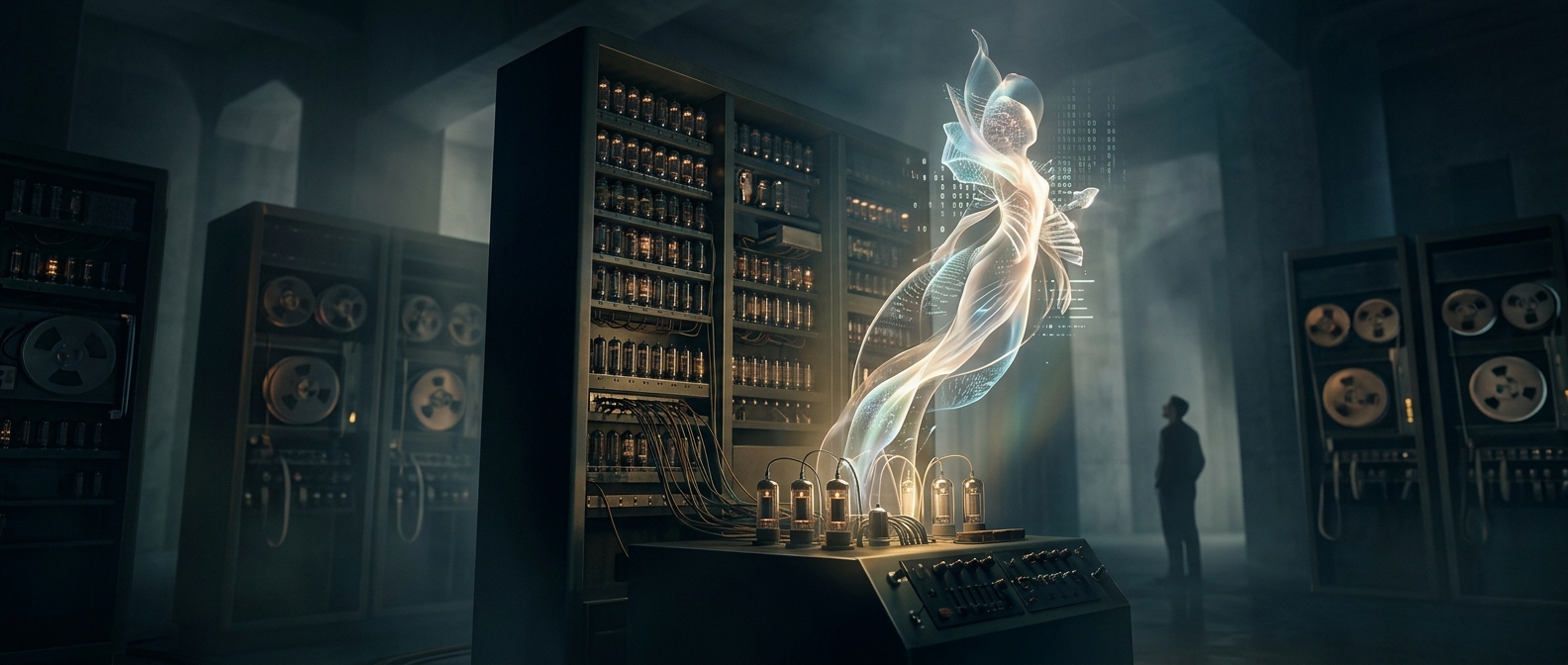
The 1953 computer creatures that evolved
Decades before tech bros started selling algorithmic apes, a brilliant virologist named Nils Aall Barricelli was using the IAS machine at Princeton to…
Discover more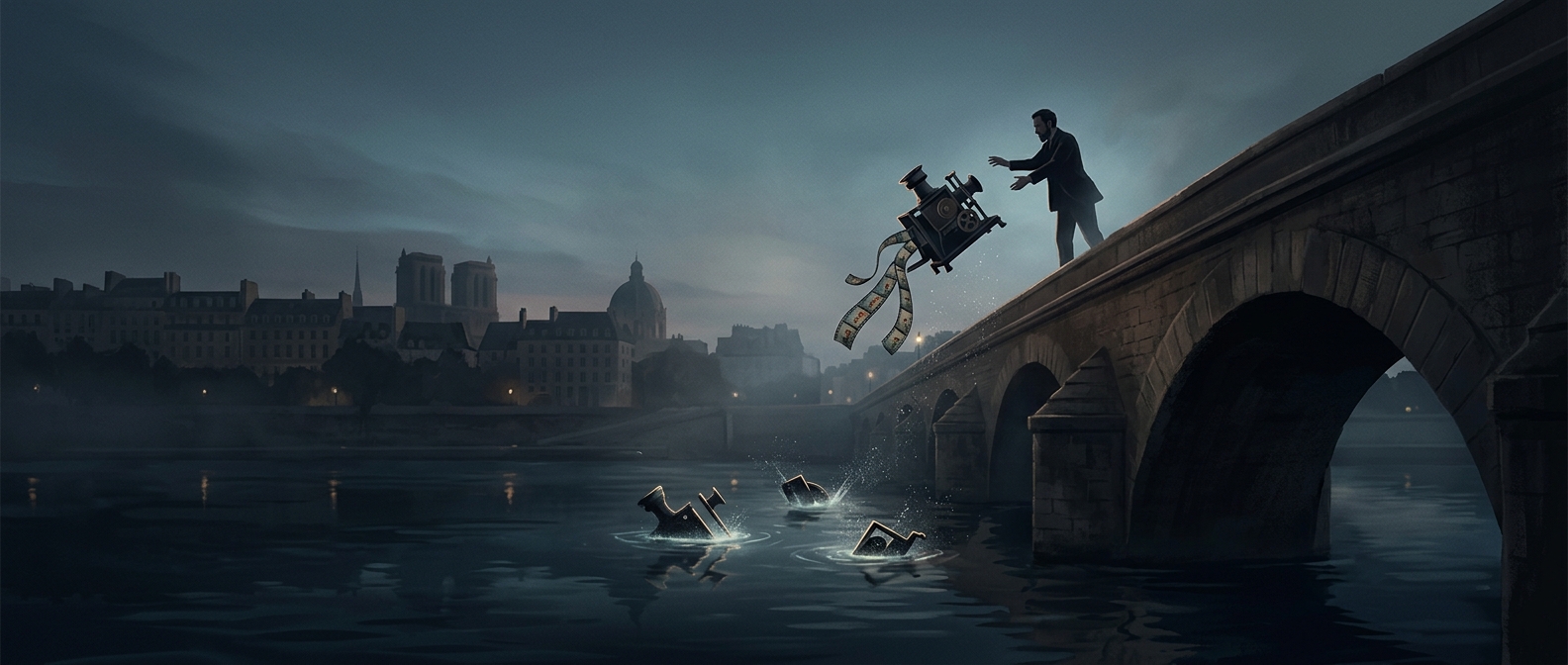
The animator who threw his life's work into the Seine
Before Disney monopolized childhoods, Charles-Émile Reynaud was hand-painting hundreds of frames on gelatin squares for his Théâtre Optique in 1892. This…
Discover more
Stolen code may have triggered a Soviet pipeline blast
The first major cyberattack in history might have caused an explosion so massive it was visible from space, all thanks to some deliberately weaponized…
Discover more
A failed lightbulb helped launch modern electronics
While everyone else was obsessing over making lightbulbs last longer, John Ambrose Fleming stared at the weird dark smudges inside Edison's failed tubes and…
Discover more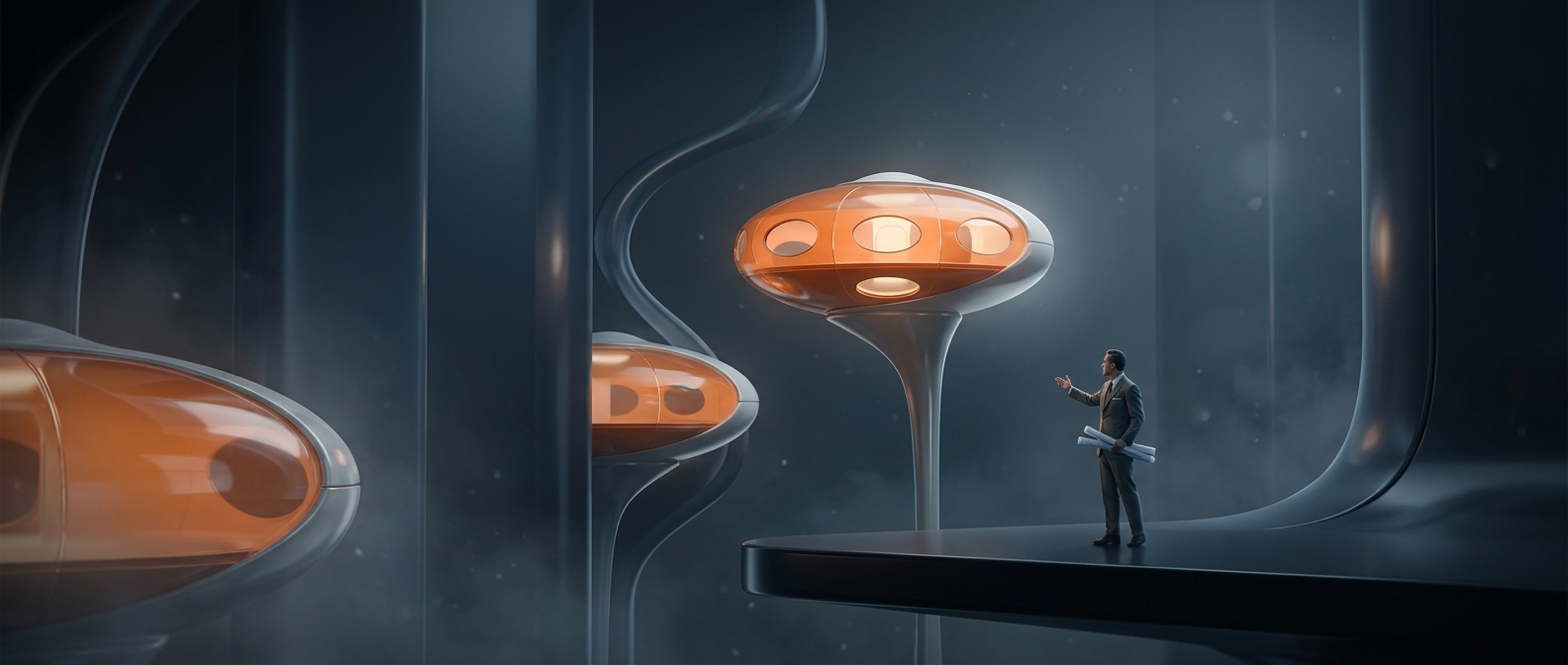
The plastic UFO cabins built for skiers
In 1968, Finnish architect Matti Suuronen decided the ultimate ski cabin should look exactly like a plastic flying saucer. He mass-produced these prefab…
Discover more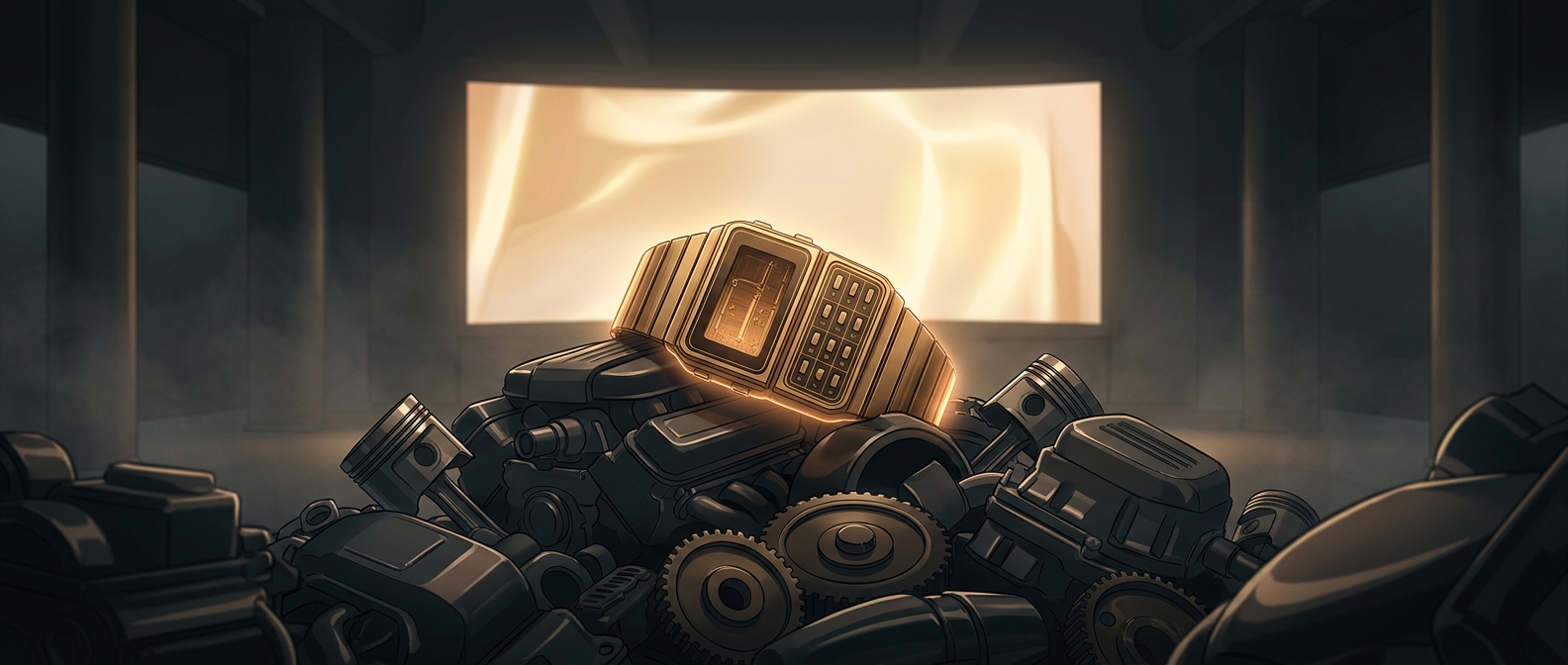
The gold calculator watch that cost more than a car
Decades before Apple convinced us to strap glowing rectangles to our wrists, the 1972 Pulsar calculator watch debuted for a cool $2,100. It was wrapped in…
Discover more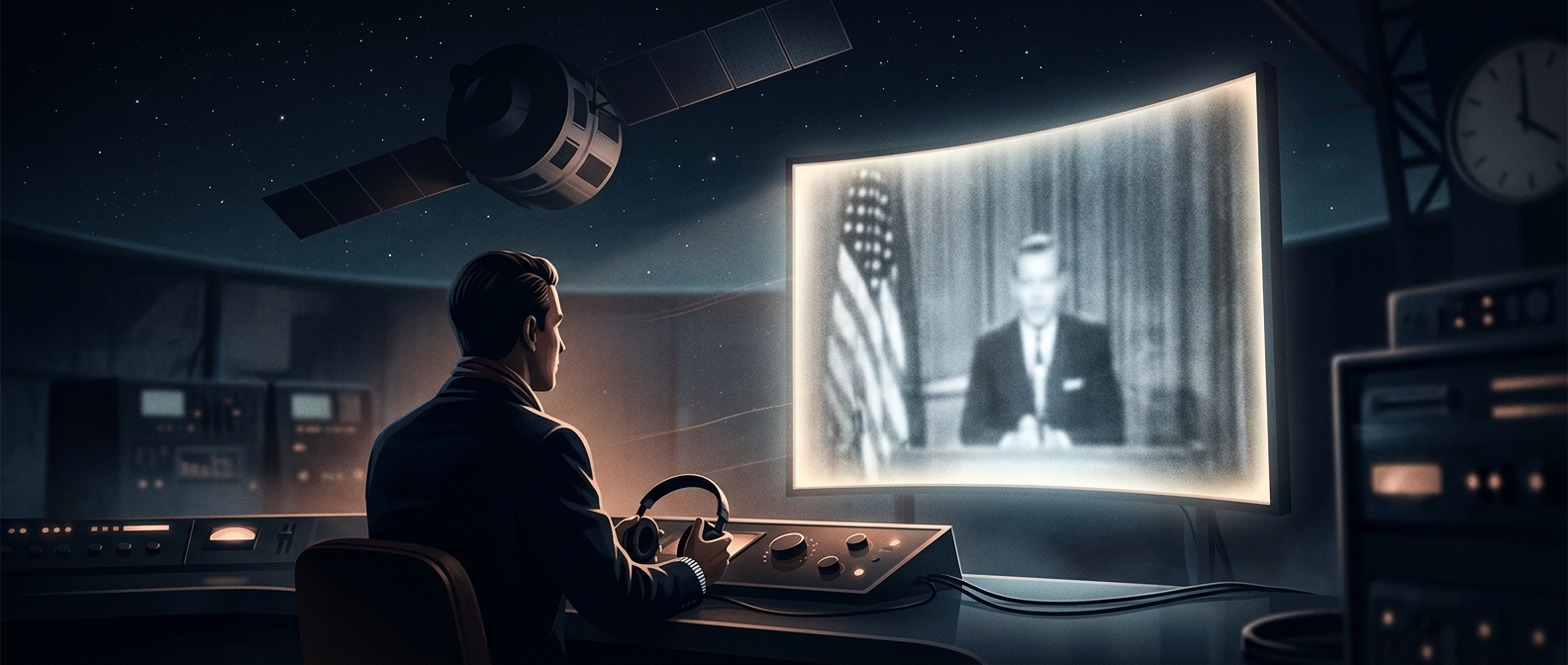
The first live satellite broadcast featured a song about a goat
The US government poured millions into Telstar 1 to dunk on Soviet tech with the first live transatlantic broadcast. But instead of an epic presidential…
Discover more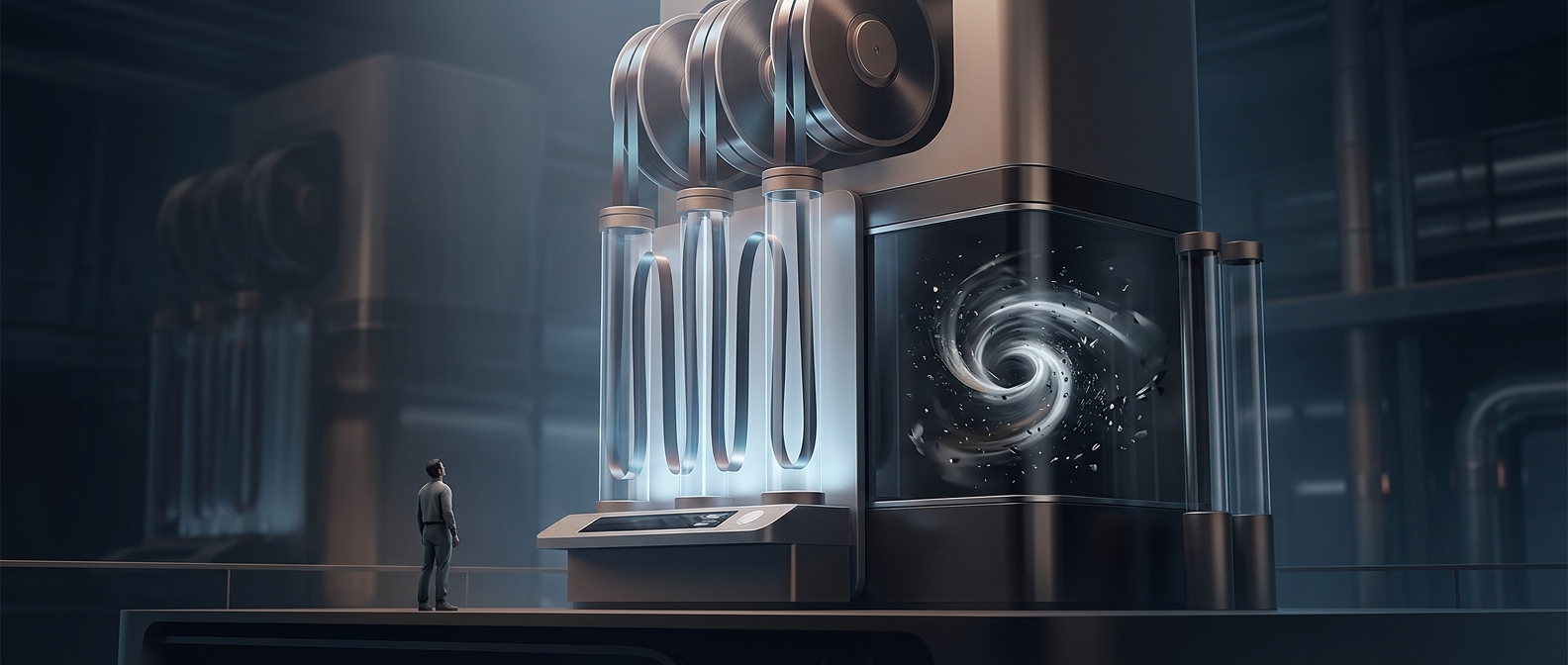
Why old tape drives had giant hanging loops
If you’ve ever watched a 1960s sci-fi movie, you’ve seen the iconic IBM 729 tape drives erratically spinning in the background. But those giant loops of…
Discover more