How a line of numbers became an organism
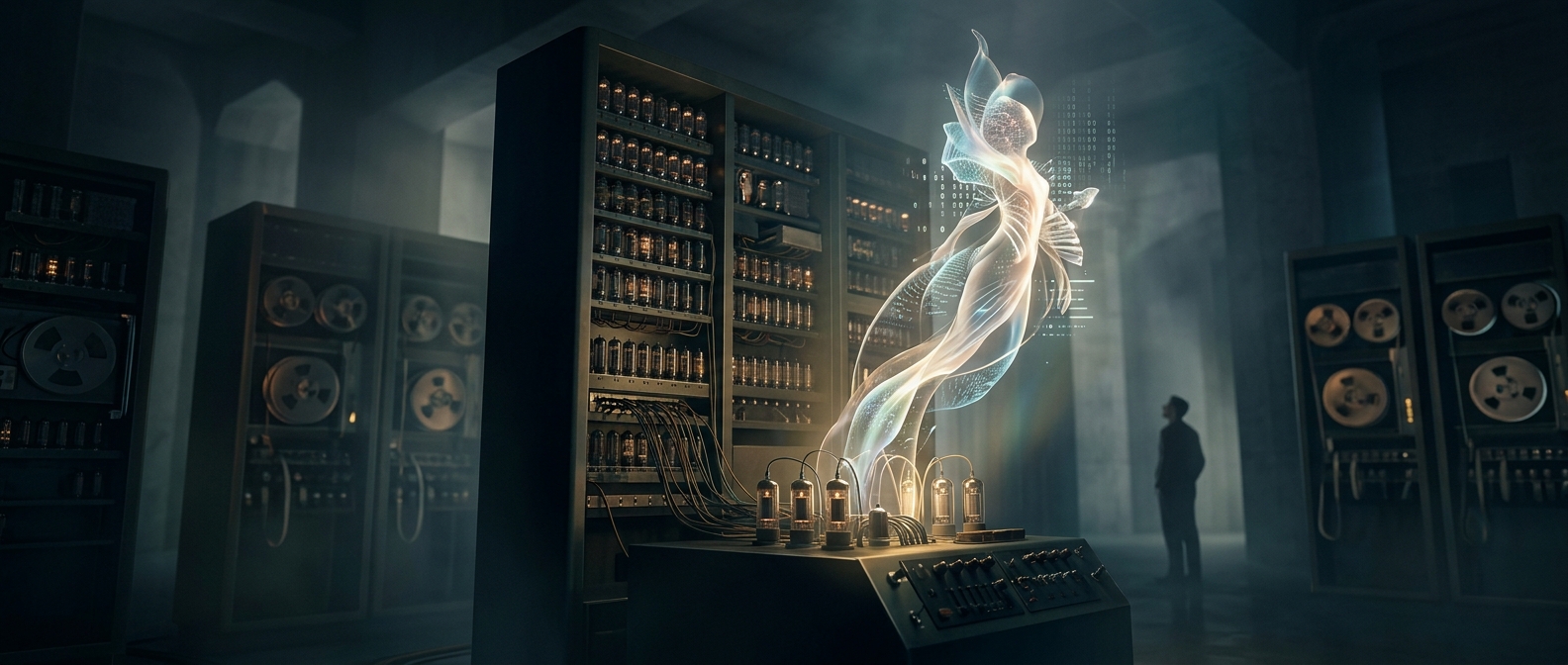
Barricelli’s digital creatures were not tiny biological models with cells or DNA. They were patterns of numbers stored and processed by the IAS computer. The machine repeatedly applied rules to those patterns, allowing some to copy themselves and pass numerical information to the next generation. A copying error could alter a pattern—a computer-made counterpart to mutation.
That simple setup mattered because Barricelli did not have to specify what each generation should become. He could define the rules for copying and change, then let repeated interactions produce outcomes he had not programmed as a finished result.
When copying turned into competition
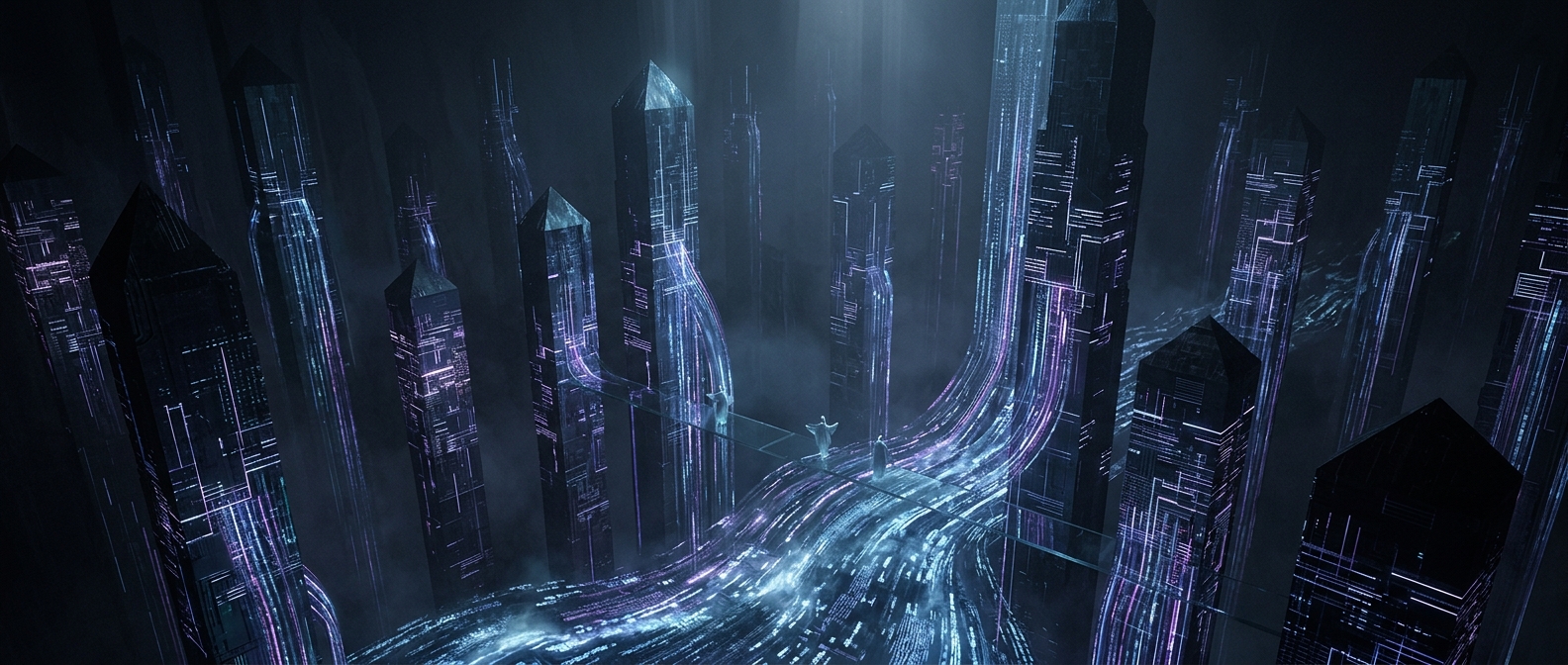
The computer’s shared numerical space made reproduction a contest. Patterns could spread, encounter one another, and affect one another’s chances of being copied. In some runs, a pattern could benefit by using the replication behavior of another rather than reproducing as effectively on its own. Barricelli described such interactions as parasitic relationships.
“Parasitic” here describes a behavior in the simulation, not a living infection: one digital pattern gained an advantage at another’s expense. The important shift was from modeling a single organism to modeling a population whose members could compete and form relationships.
Evolution as a process to run
In 1953, this was an unusually direct way to explore evolution. Instead of drawing a fixed picture of what evolution might produce, Barricelli made inheritance, variation, and competition part of a running computer process. The IAS machine’s numerical patterns were not alive, but their changing fortunes let him investigate how evolutionary-looking behavior could emerge from a small set of rules.
The striking idea was that a computer could host not just a description of evolution, but a system in which digital patterns reproduced, changed, and sometimes exploited one another.