stackyFACTS
Technology

Da Vinci robots can simulate the feel of human organs

HERE’S THE INTERESTING PART

Operating on a human from three thousand miles away has a glaring flaw: the surgeon can't actually feel the organs. To fix this terrifying lack of touch, modern surgical teleoperation relies on haptic rendering algorithms. The robotic console physically pushes back against the doctor's joysticks, artificially mimicking the exact squish and resistance of a real human liver.
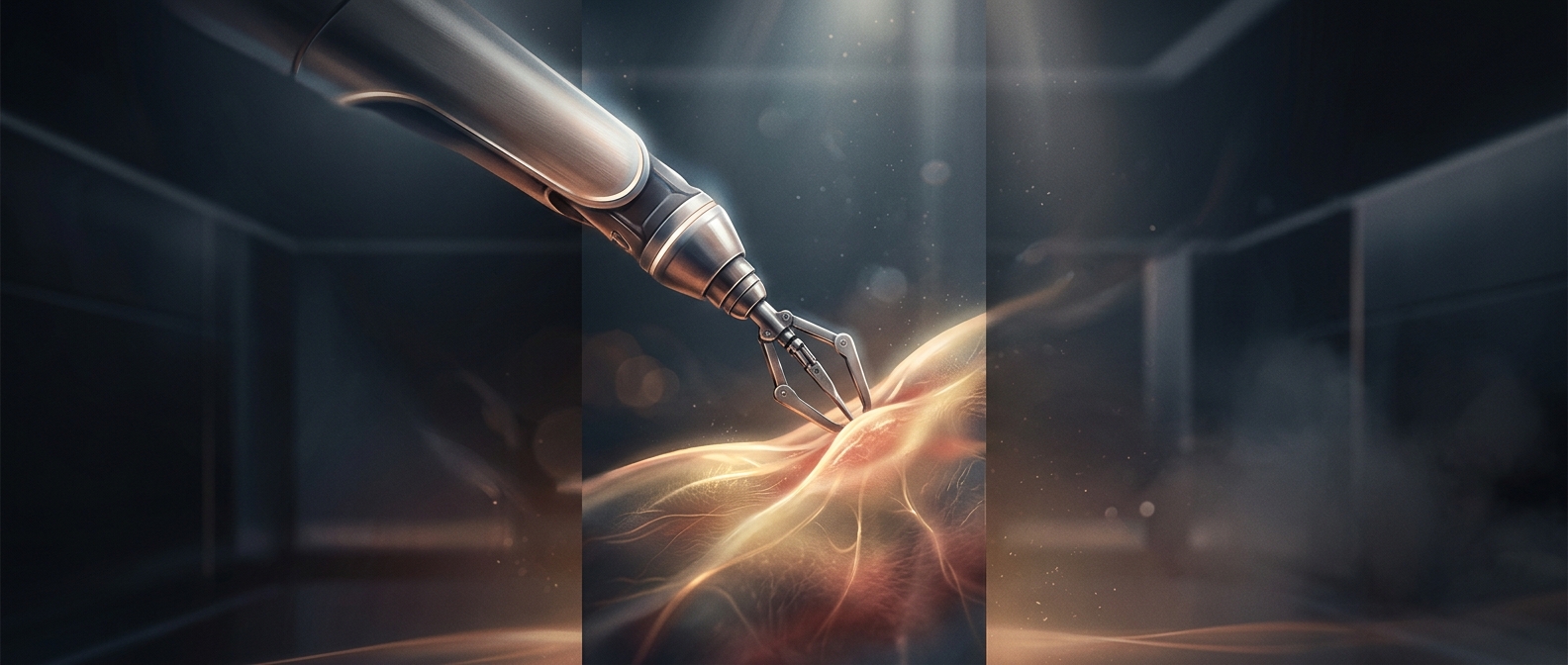
Da Vinci robots can simulate the feel of human organs
STACKY / Technology
One discovery leads to another.

Keep exploring facts in this topic.

Technology →

STACKY FOR IPHONE

A bigger world.
One discovery
at a time.

Keep discovering with Stacky. Interesting facts in an app that is always within reach.

Download on the App Store
ONE MORE DISCOVERY?

Keep exploring

All in this topic →
Shock therapy was inspired by a slaughterhouse
Technology

Shock therapy was inspired by a slaughterhouse

Electroconvulsive therapy wasn't born in a sterile psychiatric lab; it was conceptualized in a butcher shop. Italian neurologist Ugo Cerletti noticed that…

Discover more
Three laws of robotics are completely fictional concepts
Technology

Three laws of robotics are completely fictional concepts

People constantly cite Isaac Asimov's laws as if they are actual legislative bedrock for artificial intelligence. In reality, they are plot devices created by…

Discover more
Technology

Scientists at Harvard and MIT are literally strapping lab-grown rat heart muscle tissue onto gold and silicone skeletons to create cyborg stingrays that swim toward light sources…

Frankenstein was just ahead of his time. Why build a clumsy, heavy motor when millions of years of evolution already perfected the muscle? Biohybrid soft…

Discover more
How tiny robots build shapes without a central brain
Technology

How tiny robots build shapes without a central brain

Imagine a pile of metallic sand that suddenly decides to stand up and form a wrench. Swarm robotics pushes us closer to programmable matter, where thousands…

Discover more
Early synthetic vitamins came from toxic coal tar
Technology

Early synthetic vitamins came from toxic coal tar

Your modern daily gummy vitamin owes its existence to industrial waste. When scientists first figured out how to synthesize essential vitamins in a lab, they…

Discover more
The first successful organ transplant was between twins
Technology

The first successful organ transplant was between twins

Organ transplants were a spectacular failure for decades because the human immune system is aggressively xenophobic to foreign tissues. The breakthrough…

Discover more
StackyMore discoveries in the app
Download on the App Store