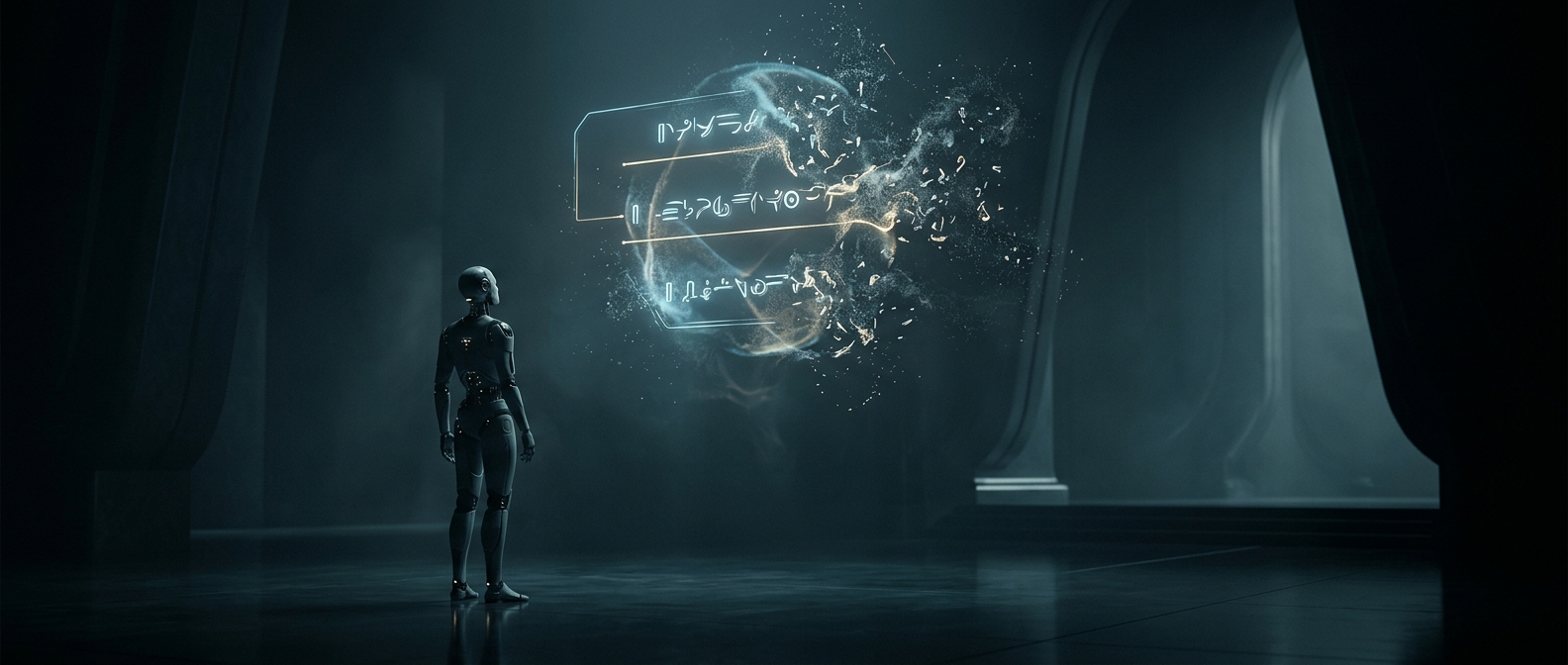
Rules Built to Create Trouble
Isaac Asimov introduced the Three Laws of Robotics in his science-fiction stories as a way to frame conflicts between humans and machines. The rules sound like a tidy safety code: a robot must not harm a human, must obey human orders unless that would cause harm, and must protect its own existence unless doing so conflicts with the first two laws.
Their neat ranking is what makes them useful in fiction. A robot may face an order that seems harmless but has dangerous consequences, or two duties that cannot both be met. Asimov’s stories turn those collisions into mysteries: readers have to work out how a machine interpreted its instructions and where the reasoning went wrong.
A Storytelling Device, Not a Safety Standard
The laws are fictional principles, not legislation or a technical specification used to govern real AI. Actual systems do not acquire a dependable moral framework simply by being given a short list of rules. They operate through designs, training, testing, and safeguards shaped for particular tasks—and those measures can have limits of their own.
That difference matters because the laws’ memorable simplicity can make them sound more practical than they are. They leave crucial words such as “harm” and “human” undefined, and they assume a machine can reliably recognize what its actions will cause. In a story, those gaps are openings for a plot. In real technology, they are engineering and governance problems that require specific decisions and checks.