Technology
Discover facts about technology. Small discoveries that change the way you see familiar things.
Technology
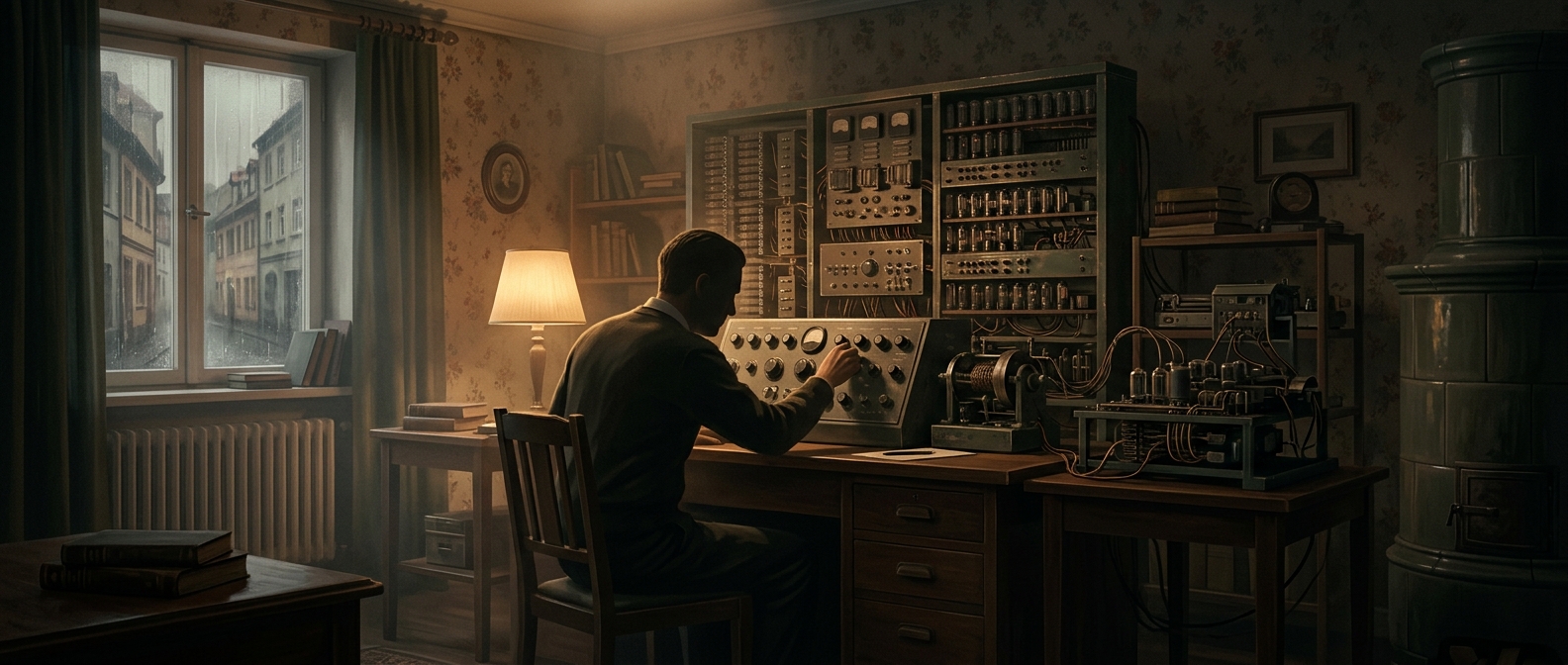
Zuse's computer read its instructions from punched film
Completed in 1941, the Z3 used more than 2,000 relays and stored 64 numbers. A punched strip supplied the program to the electromechanical machine. It was…
Discover more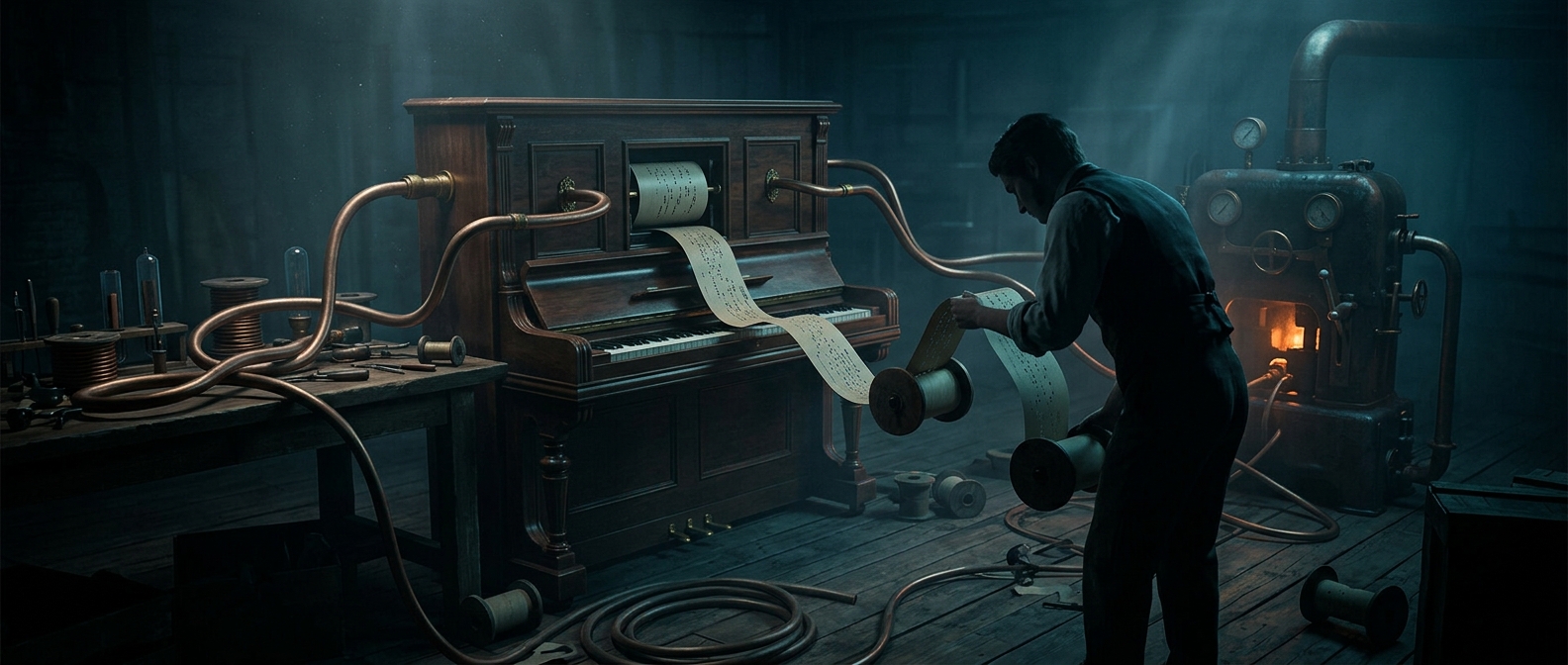
The Victorian machine that played Chopin from paper
The Phonola used perforated paper rolls and pneumatic suction to play notes, with the user pumping foot pedals to power it.
Discover more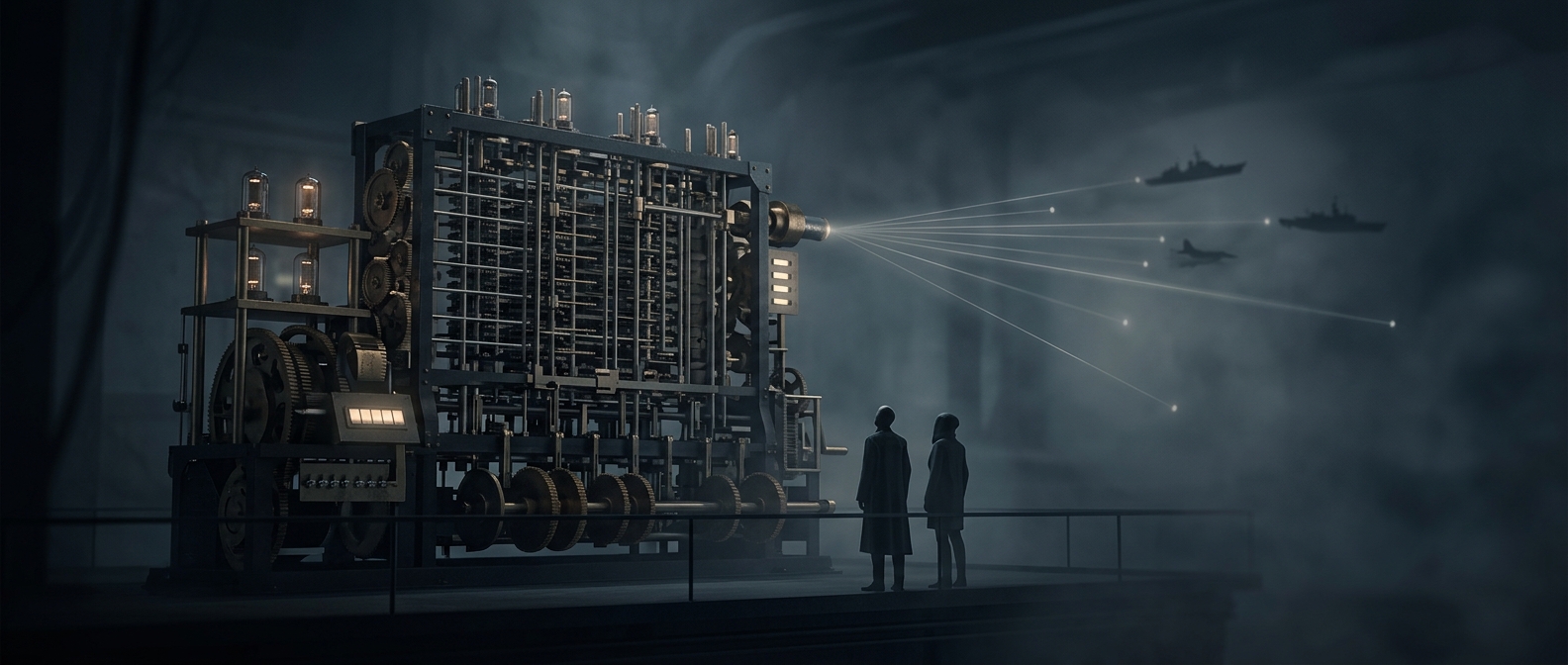
The billion-dollar bombsight that missed its mark
The Norden was a gear-and-gyroscope analog computer designed to account for wind drift and airspeed. But it needed clear visibility and a steady…
Discover more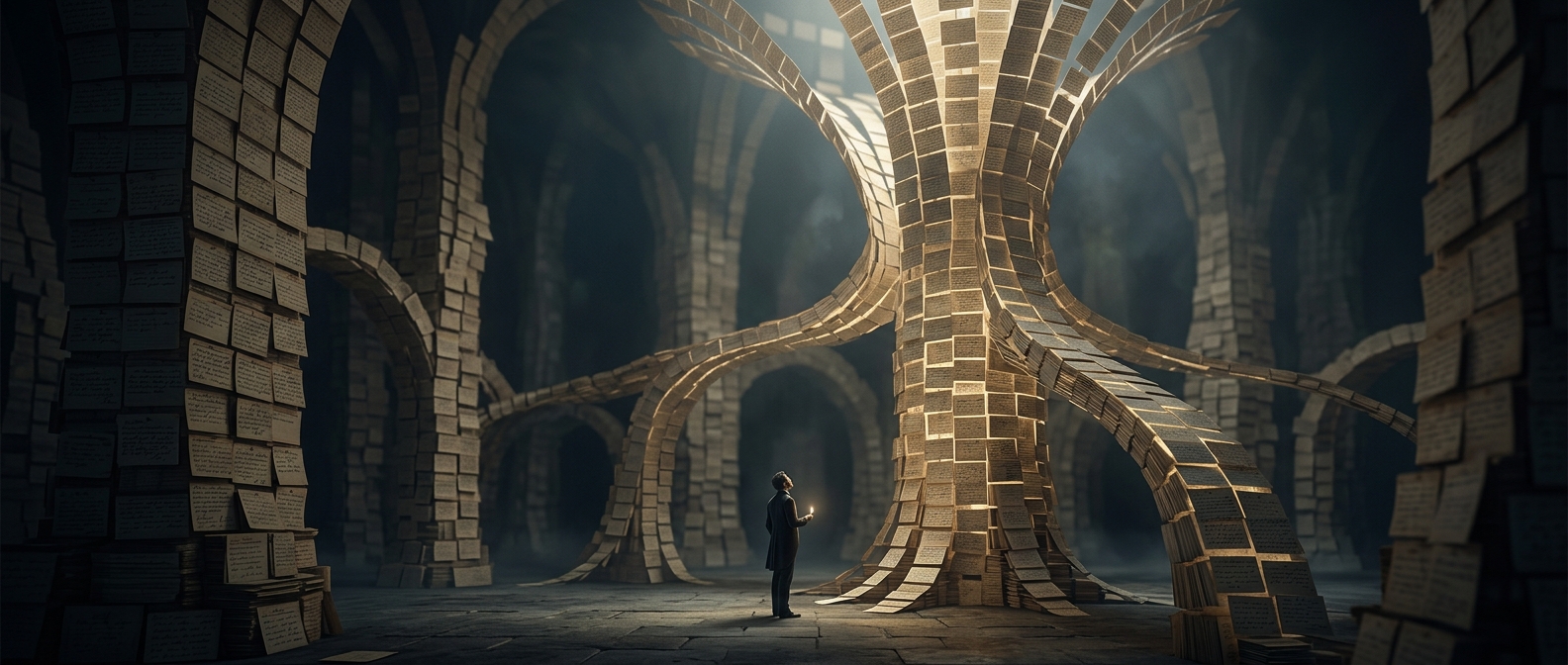
Before search engines, the Mundaneum tried to index knowledge on cards
Paul Otlet and Henri La Fontaine began their bibliographic project in 1895. Standardized cards made information sortable and cross-referencable instead of…
Discover more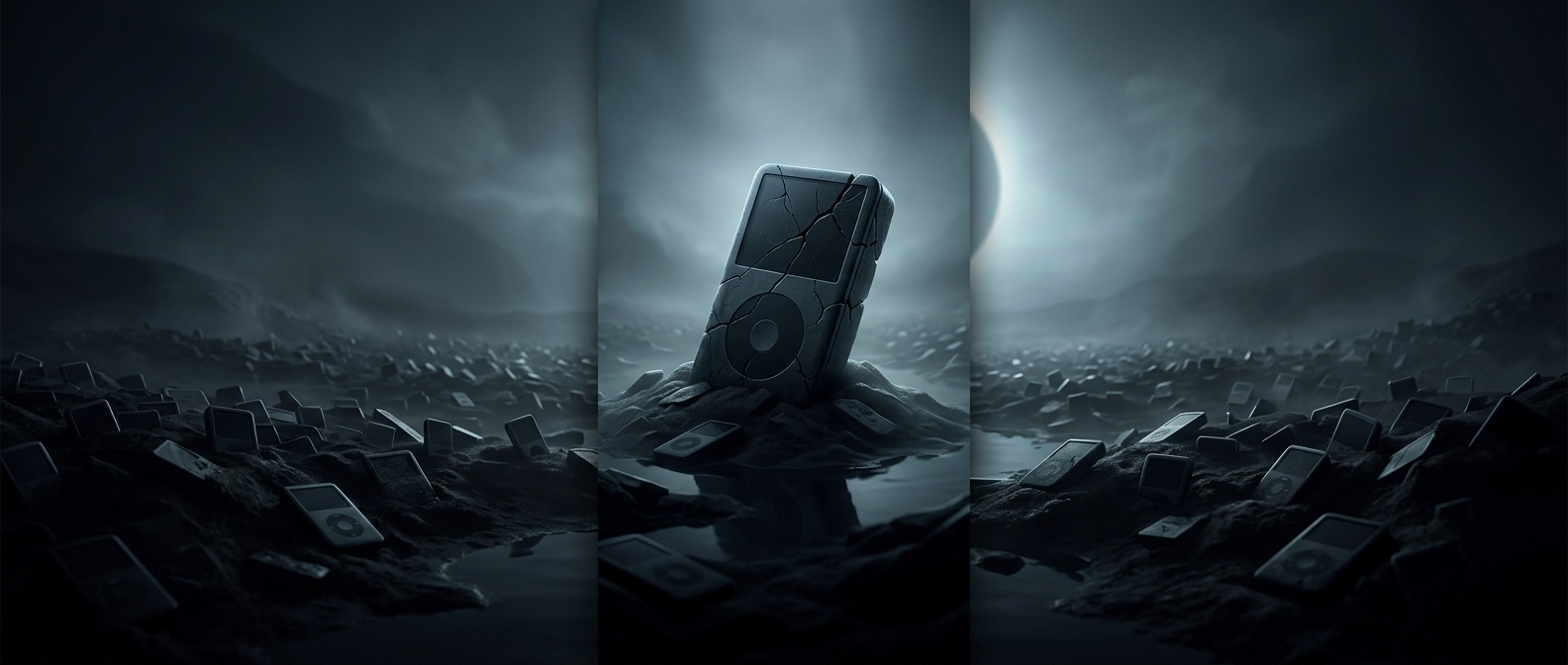
A leap year froze the 30GB Zune
On December 31, 2008, a date-handling bug made affected 30GB Zune players freeze during startup. The code got stuck processing the extra day in a leap year. A…
Discover more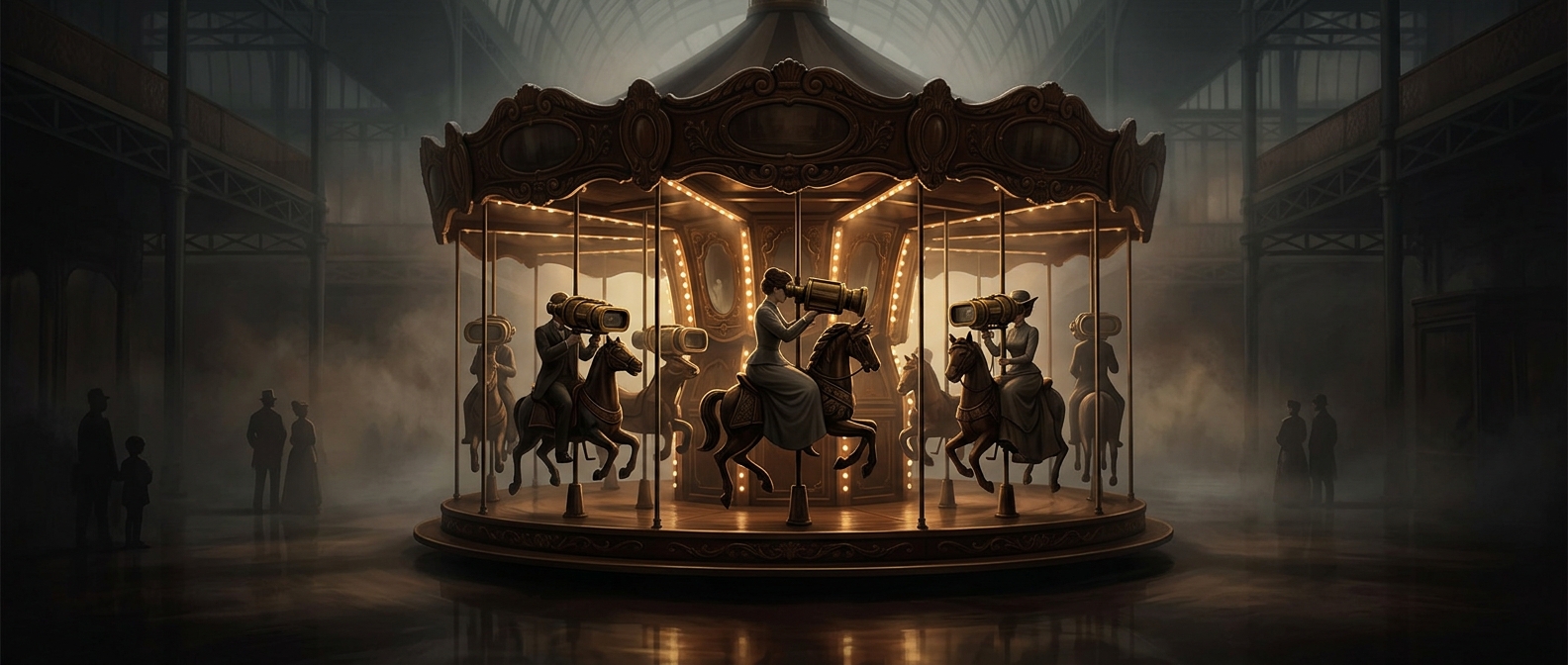
Before VR, 25 people could share a mechanical world tour
A Kaiserpanorama seated viewers around a wooden cabinet fitted with pairs of eyepieces. Stereoscopic photographs advanced past them, making distant places…
Discover more STACKY FOR IPHONE
A bigger world.
One discovery
at a time.
Keep discovering with Stacky. Interesting facts in an app that is always within reach.
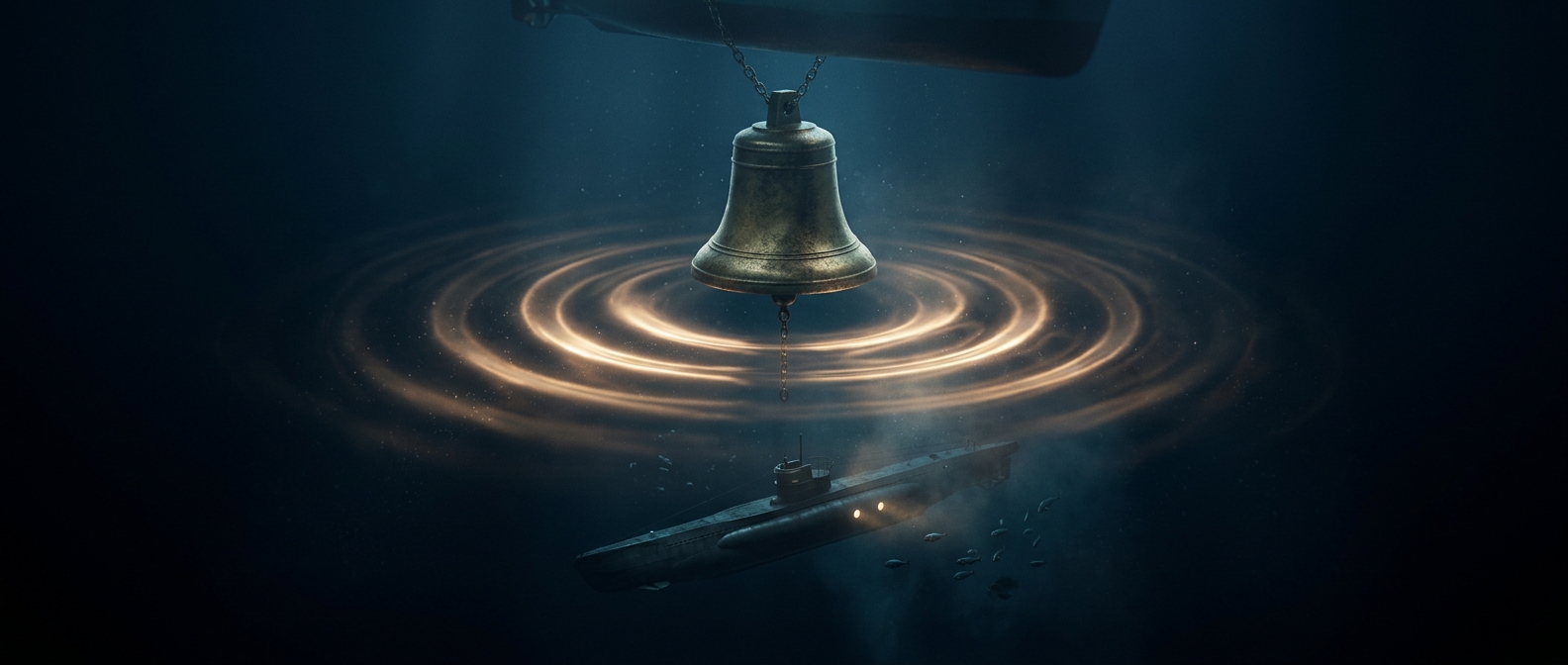
Ships once listened for bells ringing underwater
Submarine signaling meant sound below the surface, not necessarily a submarine vessel. Bells installed beneath lightships or other navigation markers sent…
Discover more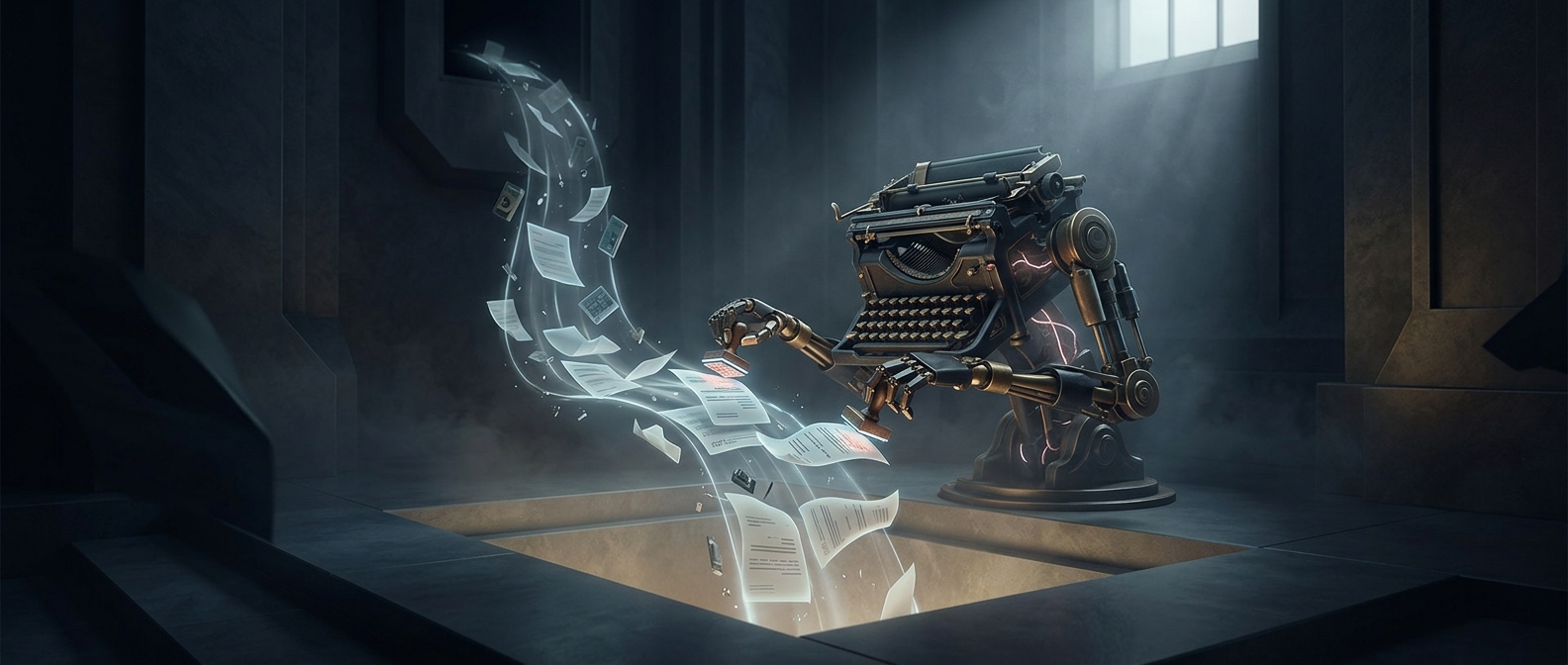
Typewriters could replay letters like player pianos
The Autotypist stored standard paragraphs as holes punched into paper rolls. Press a button, and air valves translated those holes into keystrokes on a…
Discover more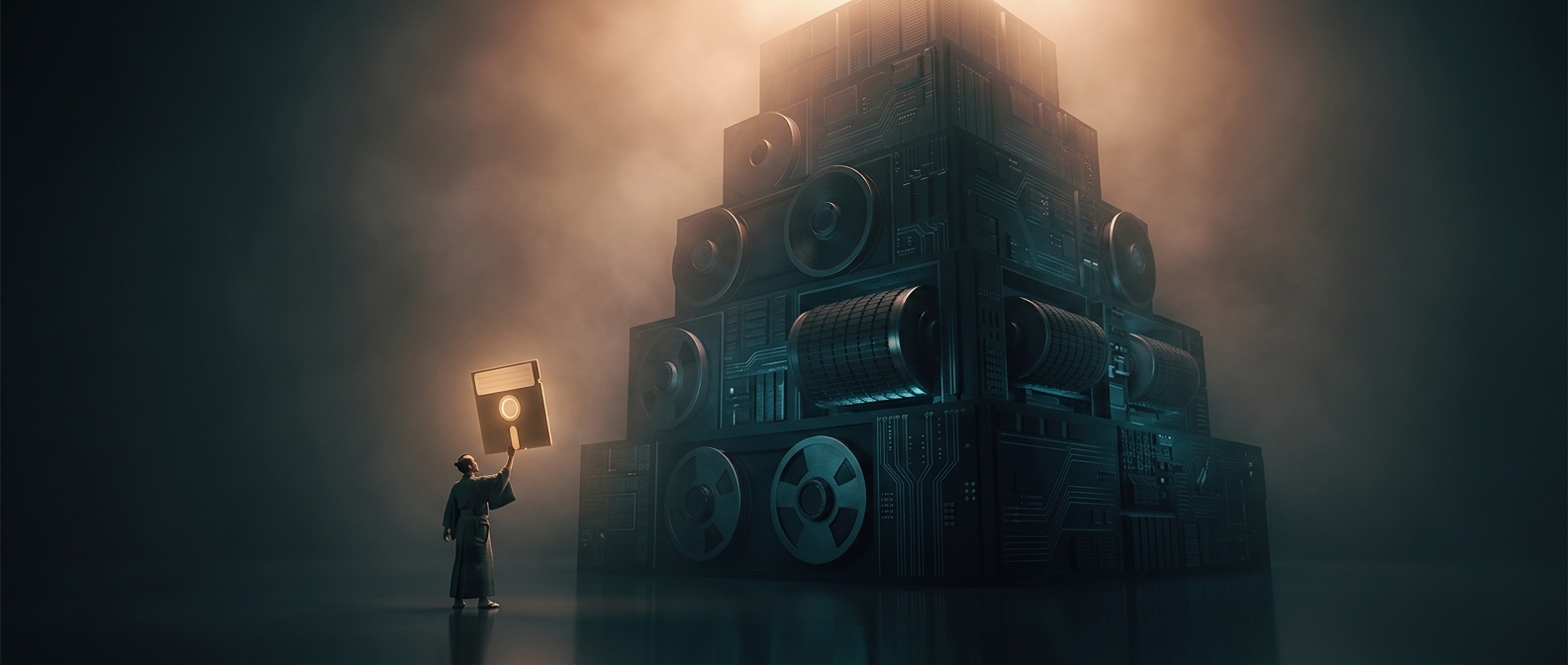
The first IBM floppy packed a stack of punch cards into one disk
Introduced in 1971, the eight-inch floppy held roughly the information in 3,000 punched cards. Its protective envelope included a lining that helped remove…
Discover more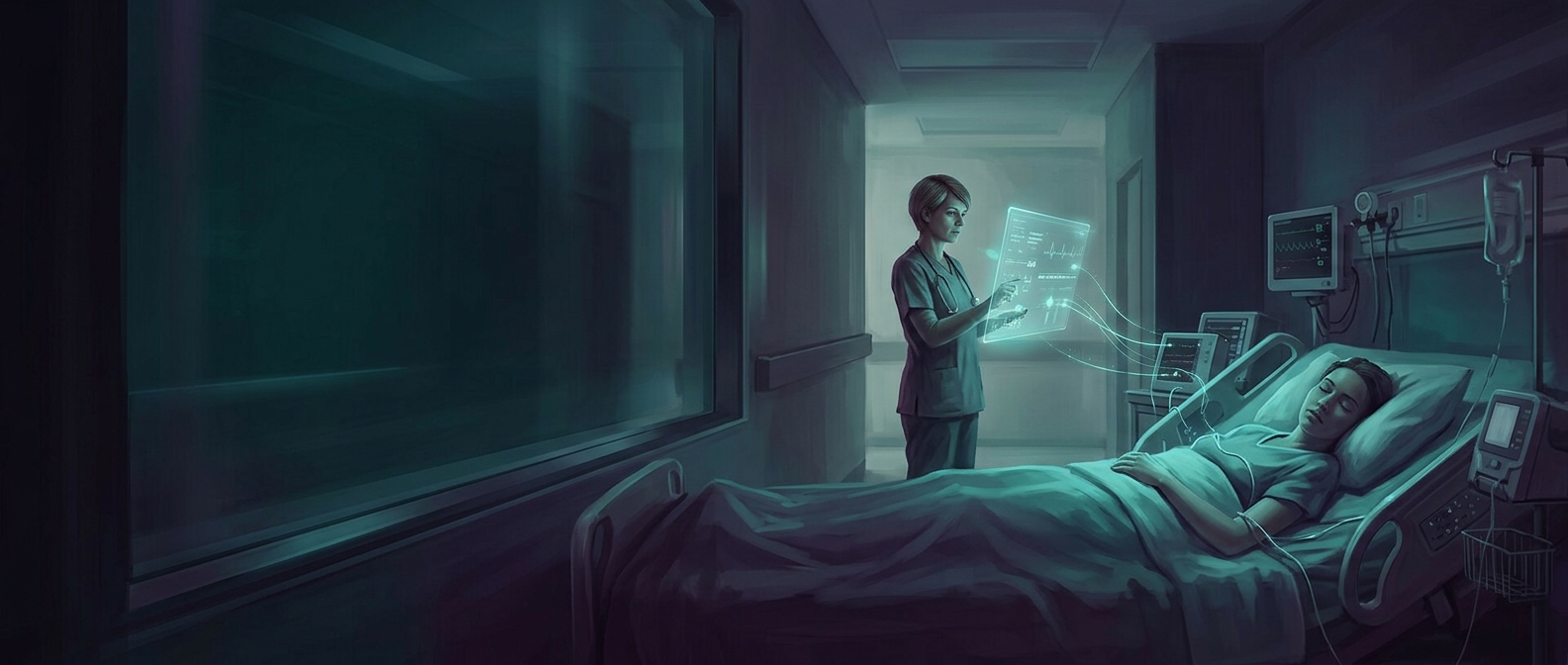
The early monitors that let nurses track hearts remotely
Early systems wired ICU patients to central nursing stations, letting staff monitor irregular heartbeats without entering the patients’ rooms.
Discover more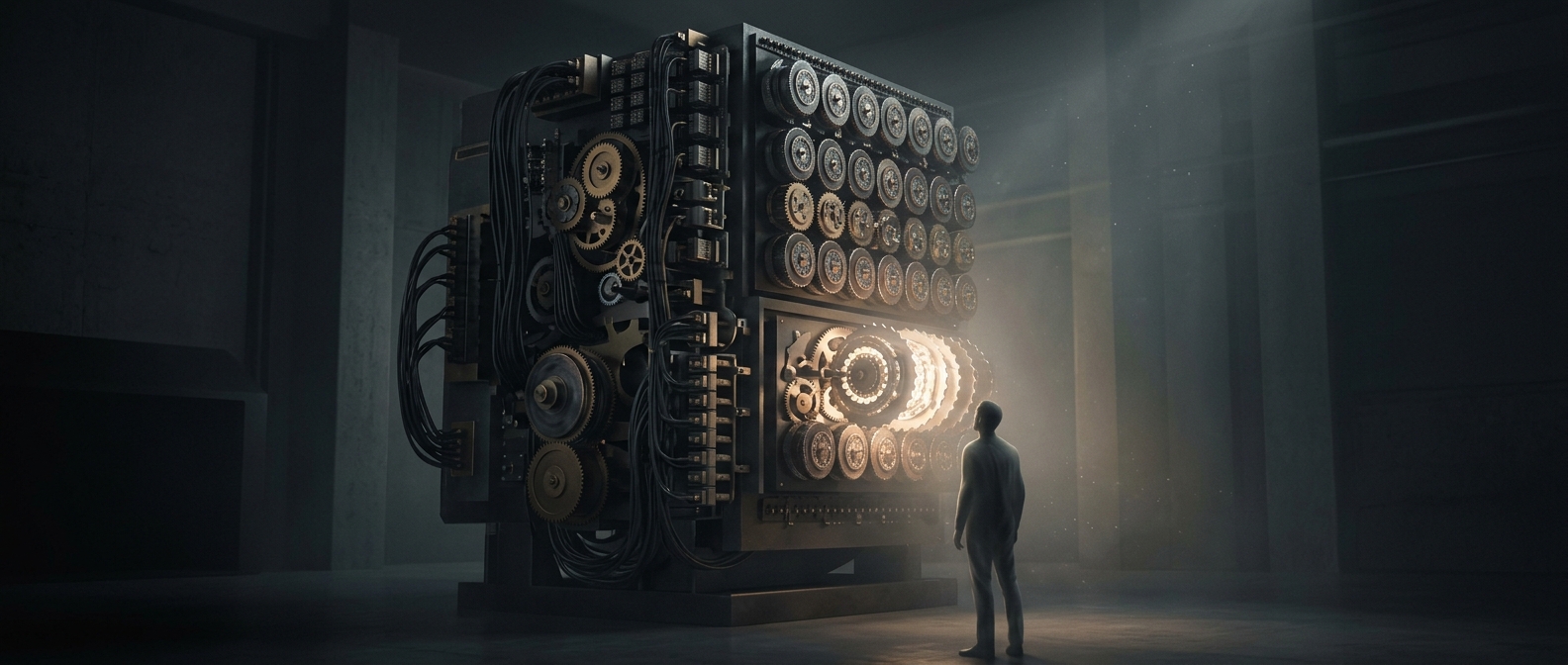
The Enigma machine hunter ruled out wrong answers
Bletchley Park's electromechanical Bombes tested relationships between encrypted messages and guessed words. Contradictions eliminated possible settings;…
Discover more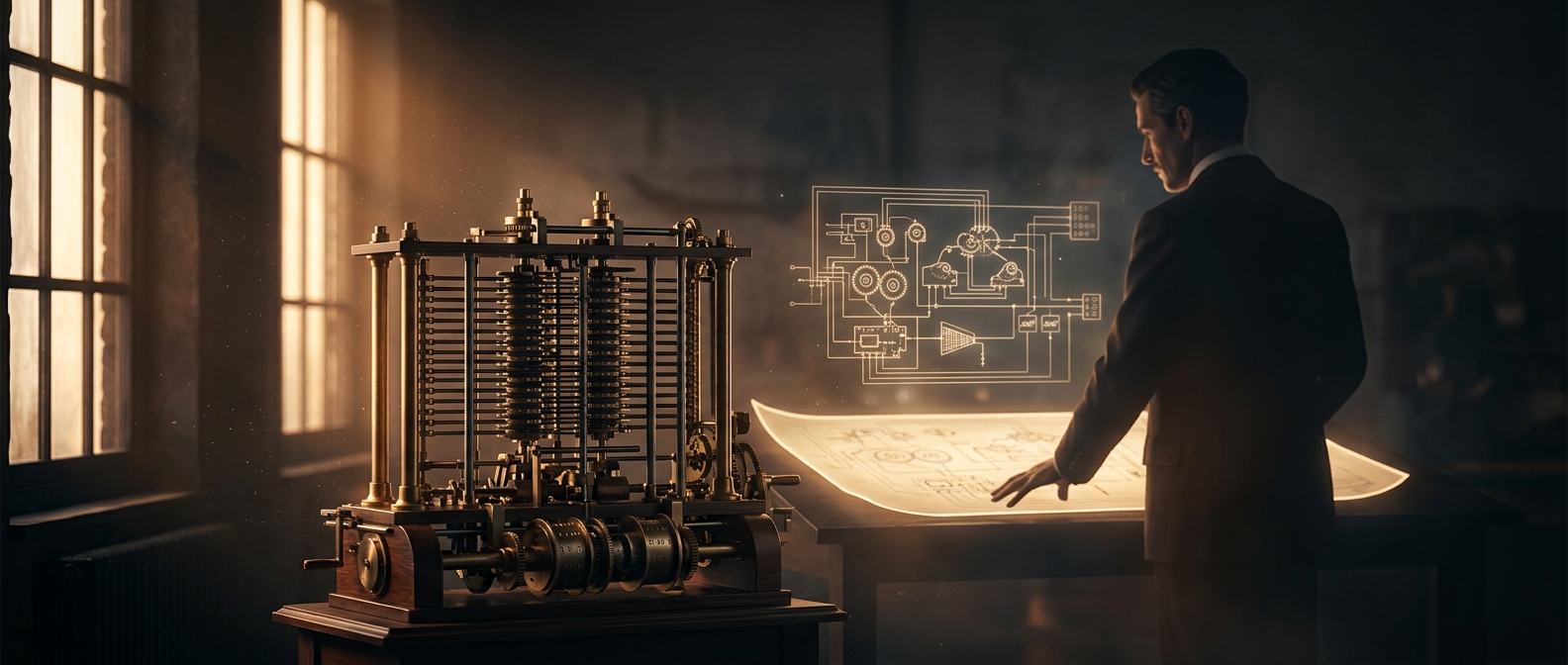
Percy Ludgate designed a rival analytical engine in 1909
Instead of Babbage’s gears, Ludgate’s design used sliding rods to multiply through logarithms and ran on perforated paper tape. It was compact enough for a…
Discover more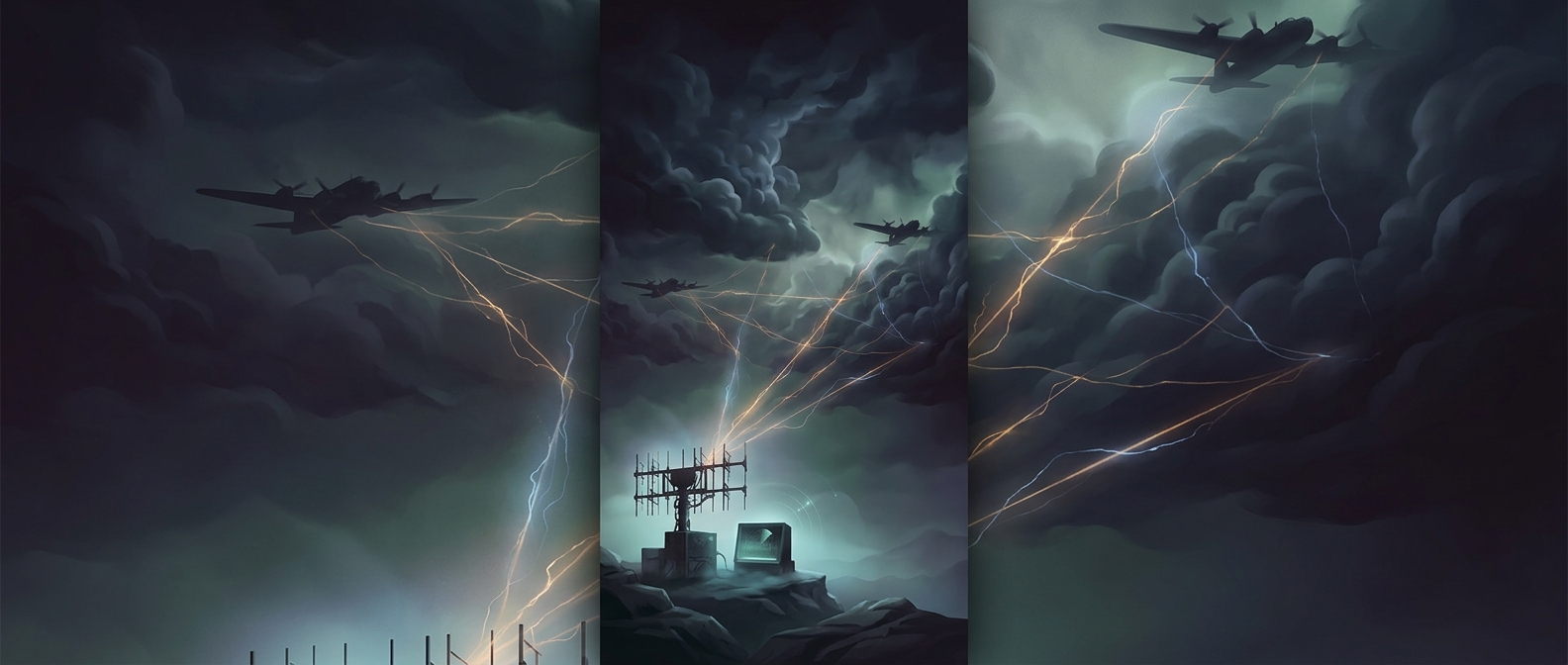
Rain was once noise on a radar screen
Early radar operators looking for aircraft found that precipitation could produce unwanted echoes. Weather researchers turned that interference into useful…
Discover more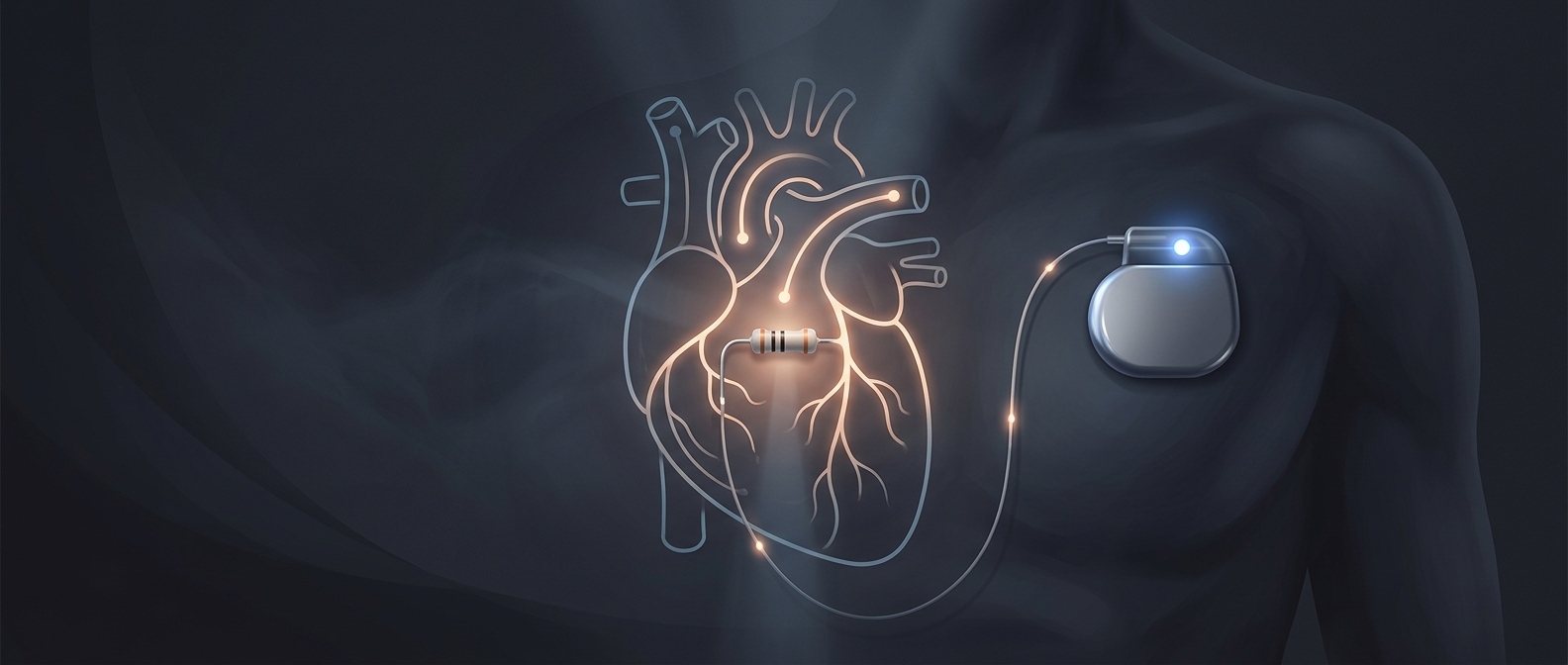
The humble resistor that made pacemakers possible
Otis Boykin’s inexpensive, reliable wire-wound resistor held up across extreme temperatures, helping make pacemakers smaller and more affordable while…
Discover more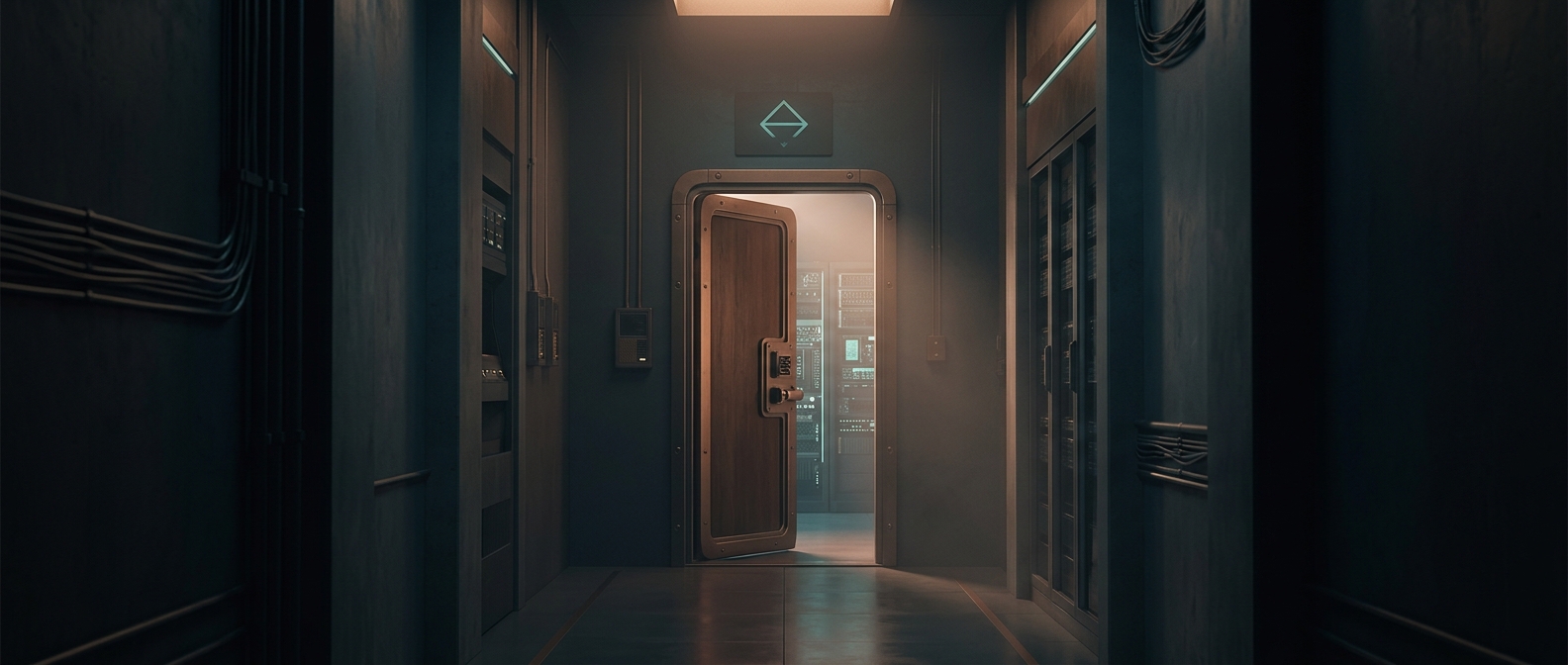
The internet report named after an office room
The ARPANET’s foundational networking specification was BBN Report 1822, named for the room where its authors were working. It described how host computers…
Discover more
How a nuclear blast damaged the first live-TV satellite
A day before Telstar 1 launched in 1962, the U.S. detonated Starfish Prime, creating a radiation belt that damaged the satellite's transistors. Telstar had…
Discover more
The student worm that crashed 10% of the internet
Robert Tappan Morris’s research worm repeatedly reinfected computers that were already infected, multiplying until systems were overwhelmed. The resulting…
Discover more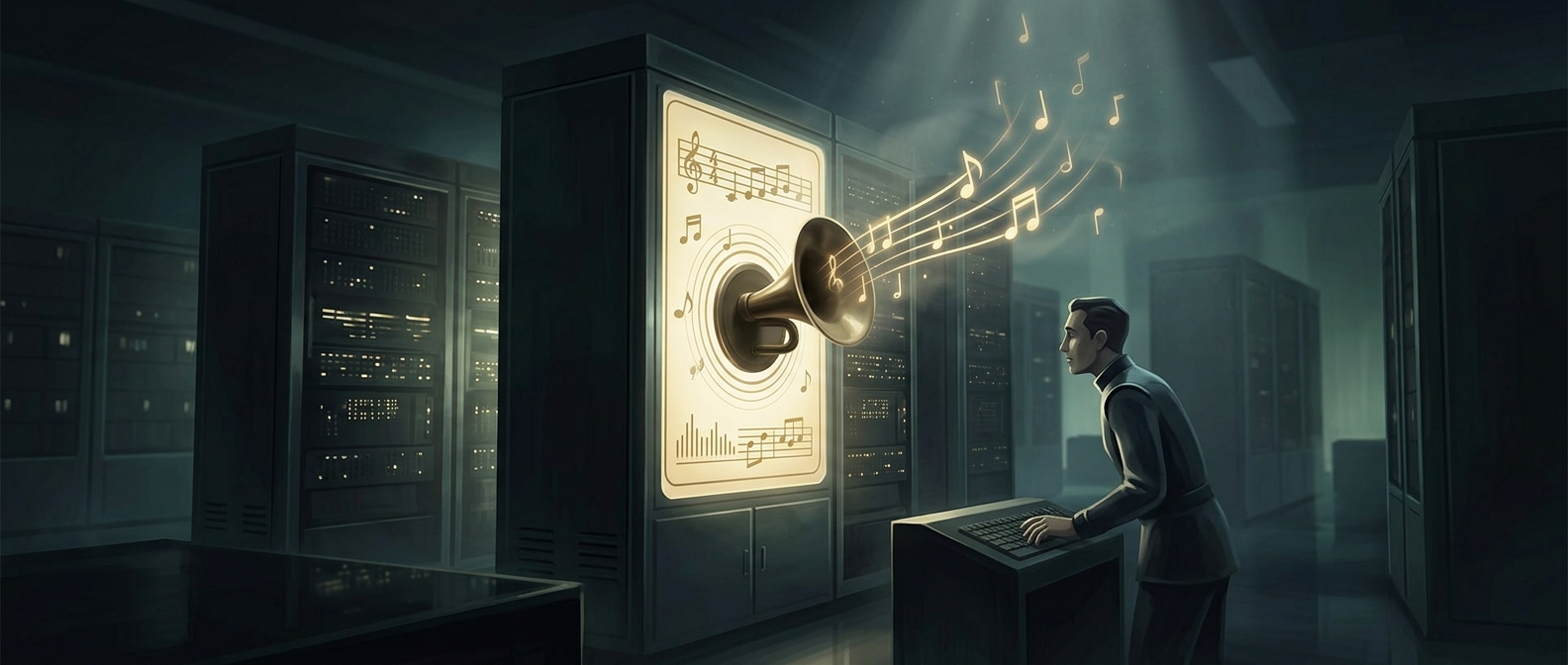
A computer's monitoring sounds became an early musical performance
Manchester's computer could emit pulses used to indicate what it was doing. Christopher Strachey programmed those pulses into melodies, and a BBC recording…
Discover more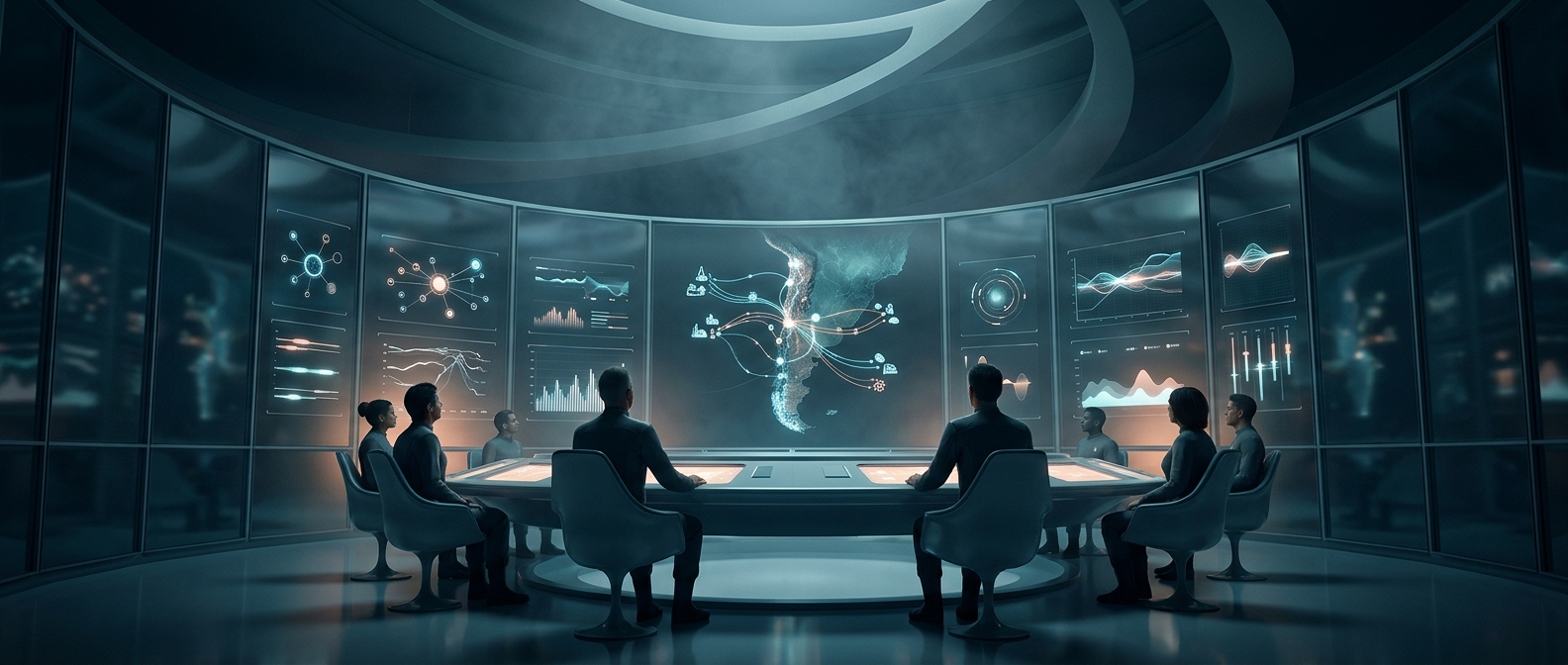
Chile built a sci-fi cockpit for its economy
Project Cybersyn linked factories through telex reports and computer analysis in the early 1970s. A prototype operations room displayed information around…
Discover more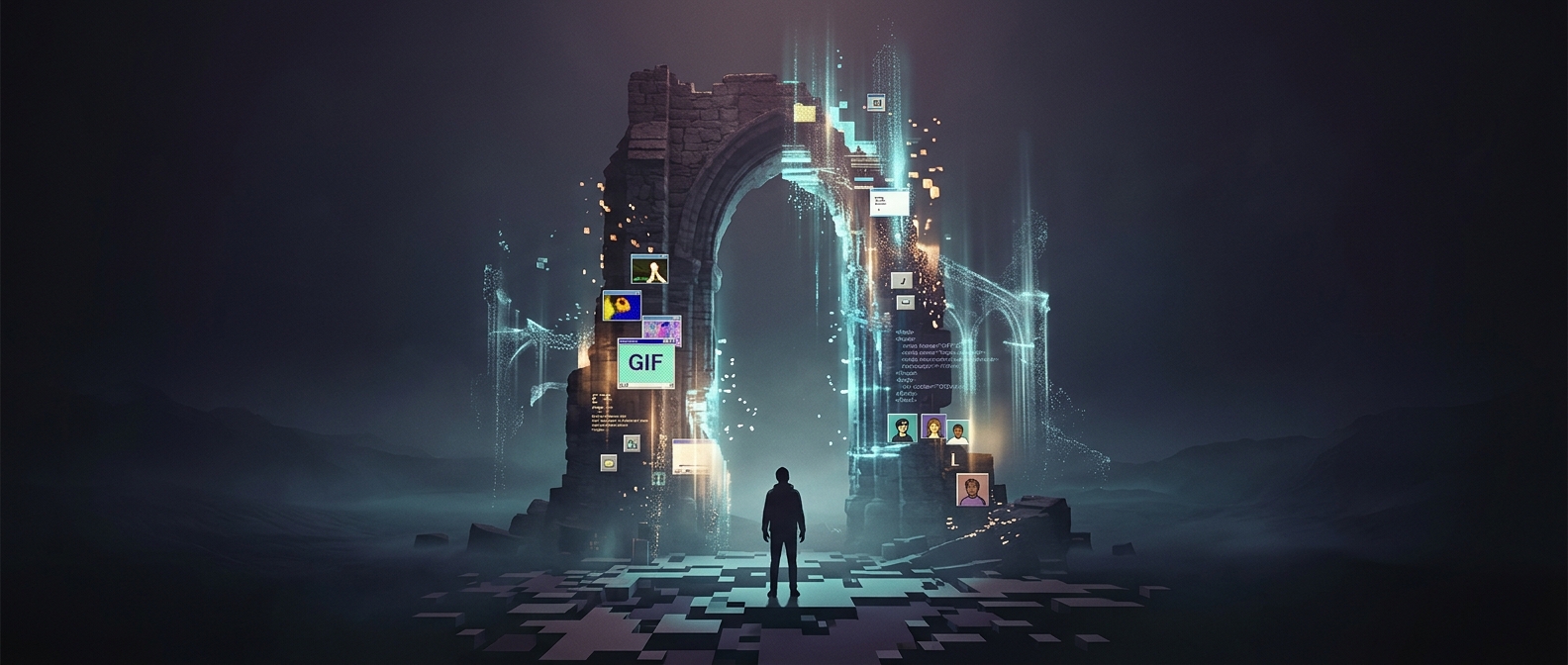
An online fringe theory erased three centuries of history
Heribert Illig's Phantom Time Hypothesis claimed that part of the early Middle Ages had been invented. Personal webpages helped circulate the idea long after…
Discover more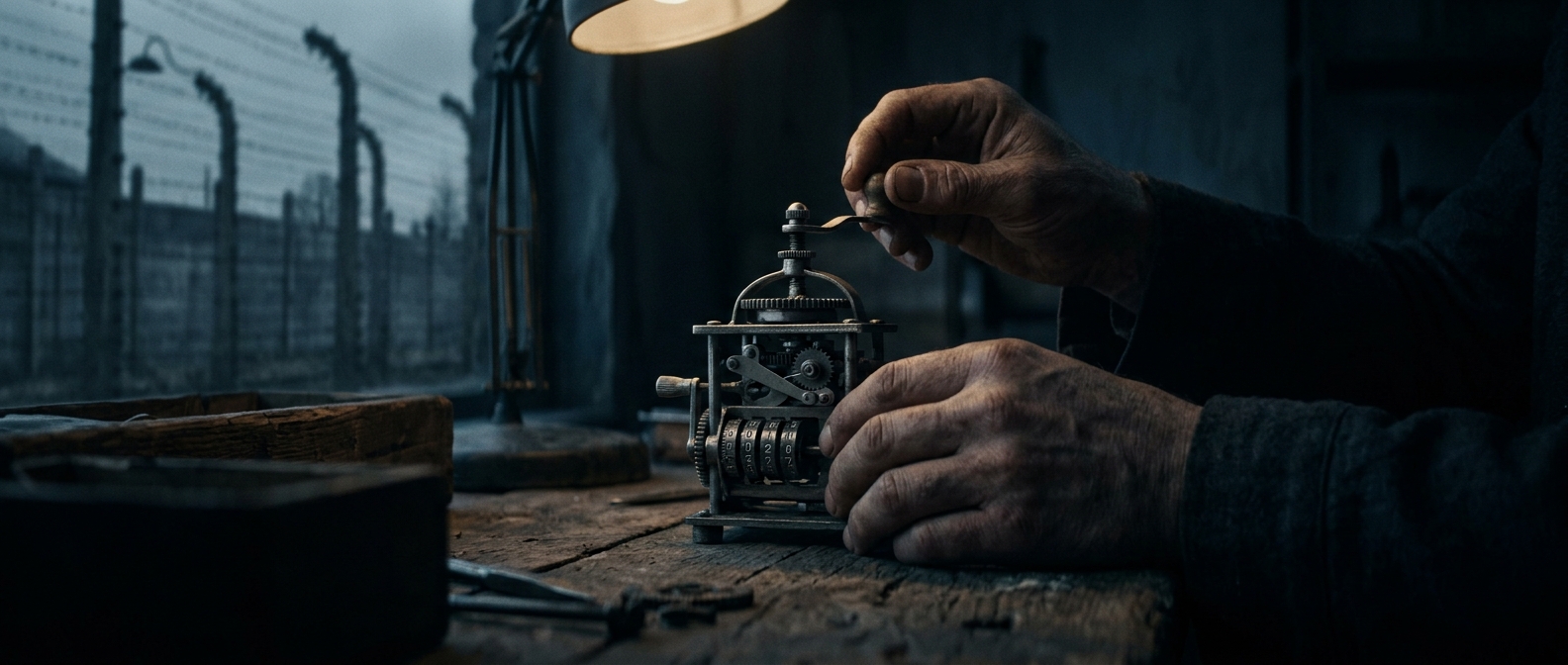
The calculator designed in a concentration camp
Curt Herzstark finalized the blueprints for the Curta while imprisoned at Buchenwald; the SS allowed him to work on it as a possible gift for Hitler. He…
Discover more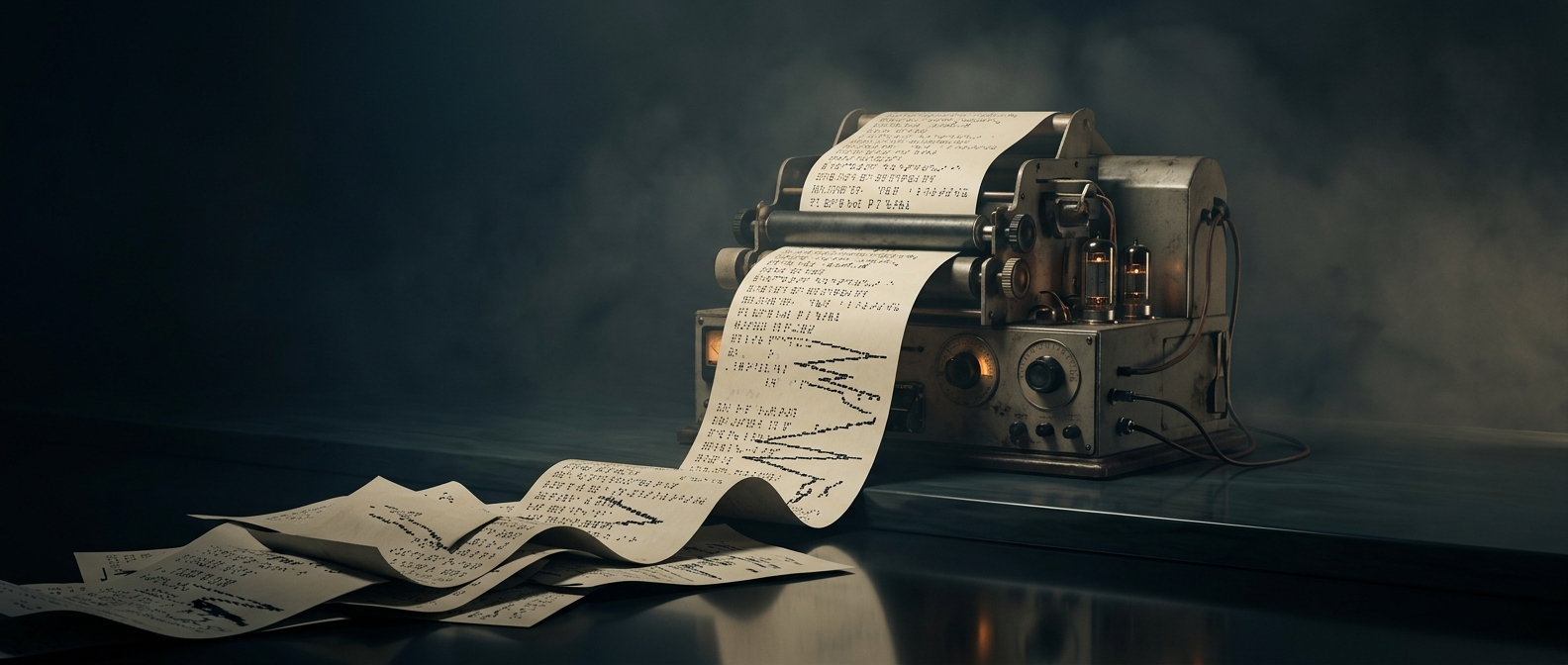
Hellschreiber hacked bad radio signals with dot matrix
Rather than send character codes that static could garble, it transmitted letters as columns of pixels encoded in audio tones. The receiver printed a…
Discover more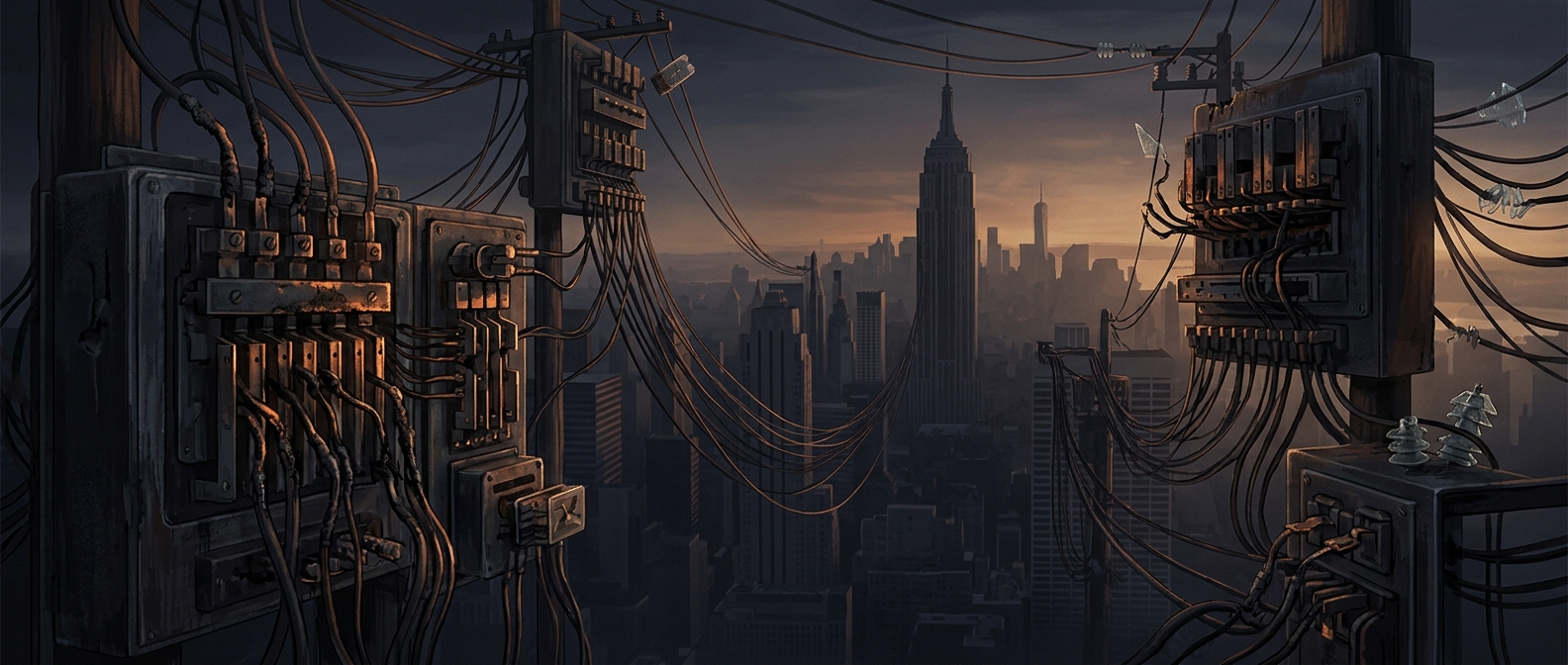
A telephone fire left 170,000 New York phones silent
The 1975 fire at a Manhattan telephone exchange destroyed the connections behind a huge slice of the city's phone service. Restoring it meant rebuilding and…
Discover more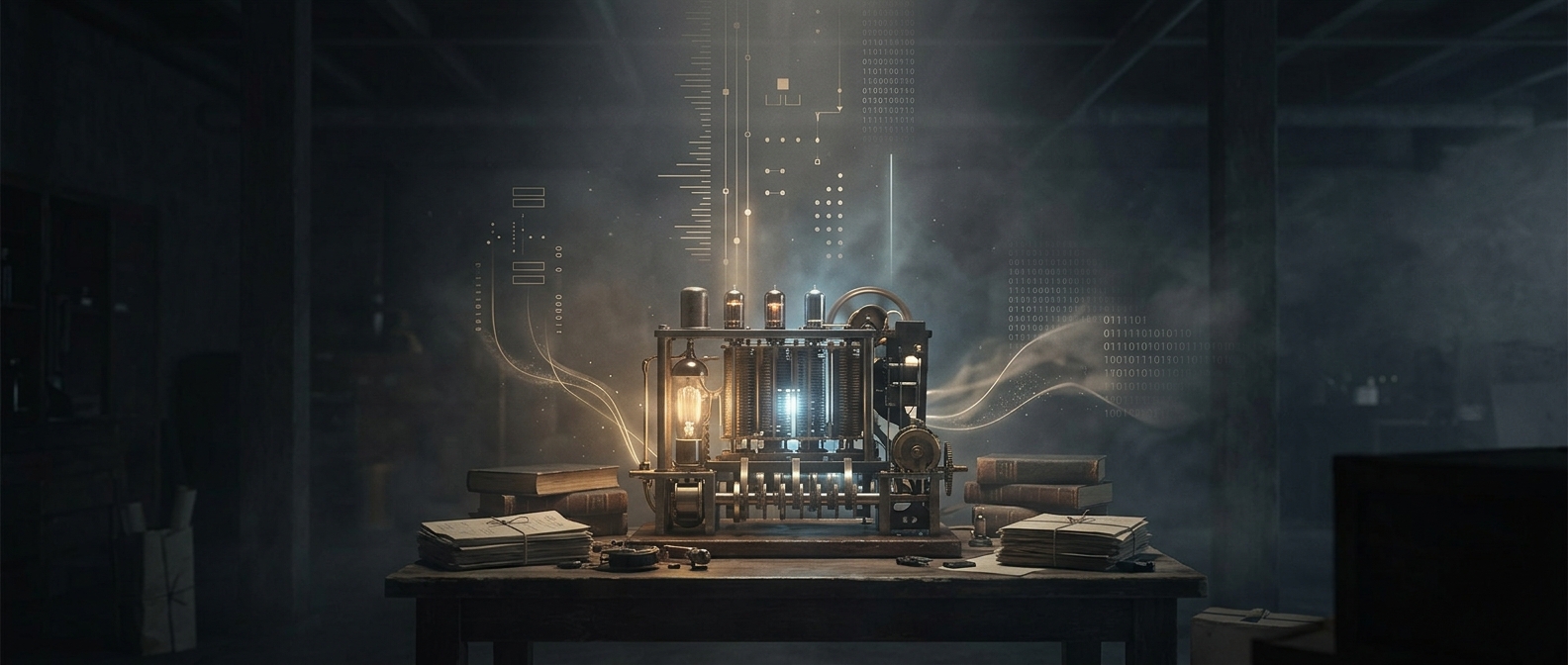
An early digital computer hid in an Iowa physics basement
John Atanasoff and Clifford Berry built the ABC at Iowa State between 1939 and 1942. It tackled systems of equations with electronic arithmetic and rotating…
Discover more