Technology
Discover facts about technology. Small discoveries that change the way you see familiar things.
Technology
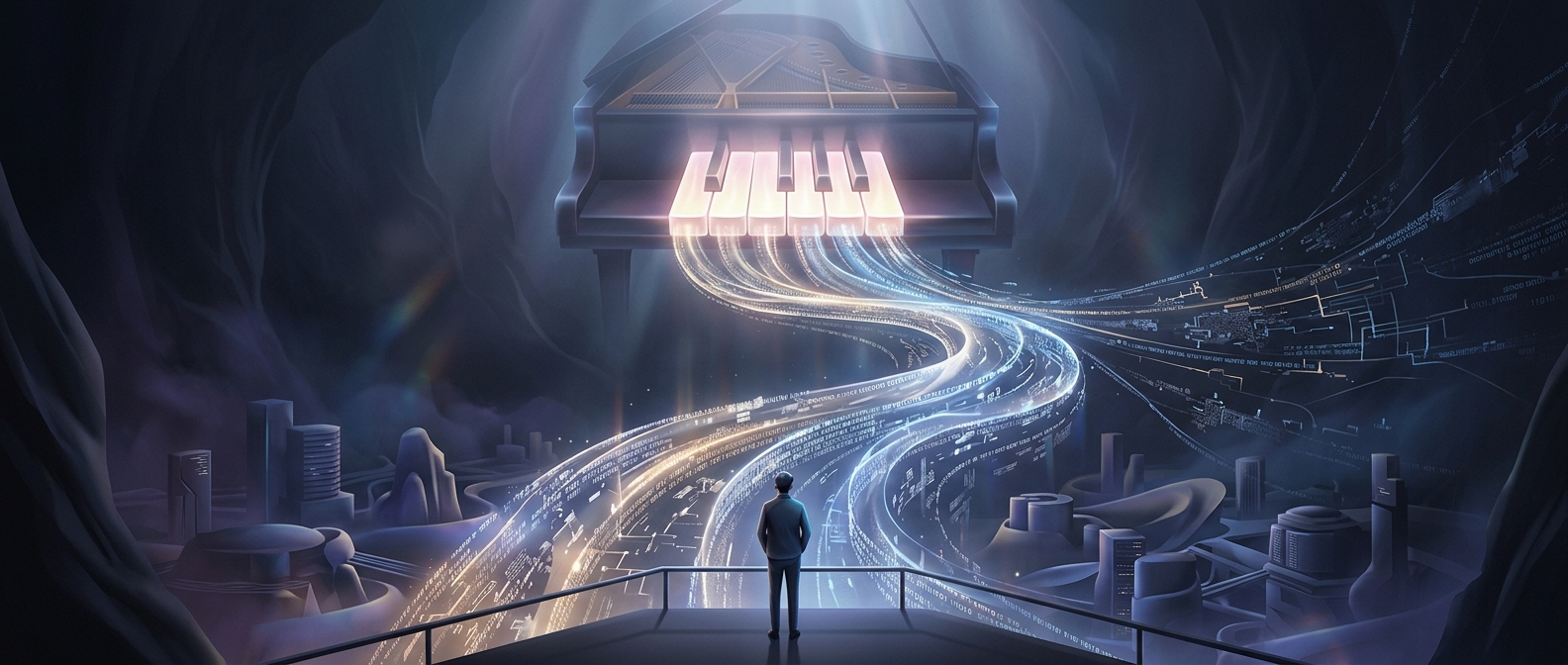
The tiny piano that helped create digital code
Baudot’s five-key telegraph console let operators send combinations that encoded letters in a 5-bit code; the system also allowed multiple messages to share a…
Discover more
One student's worm brought the early internet to its knees
In 1988, Robert Tappan Morris released a program that spread between Unix computers. It repeatedly infected machines, consuming resources until thousands…
Discover more
A wrecked fleet helped turn weather reports into warnings
After the devastating Black Sea storm of 1854, Urbain Le Verrier investigated whether observations from elsewhere could have warned ships. Telegraphy offered…
Discover more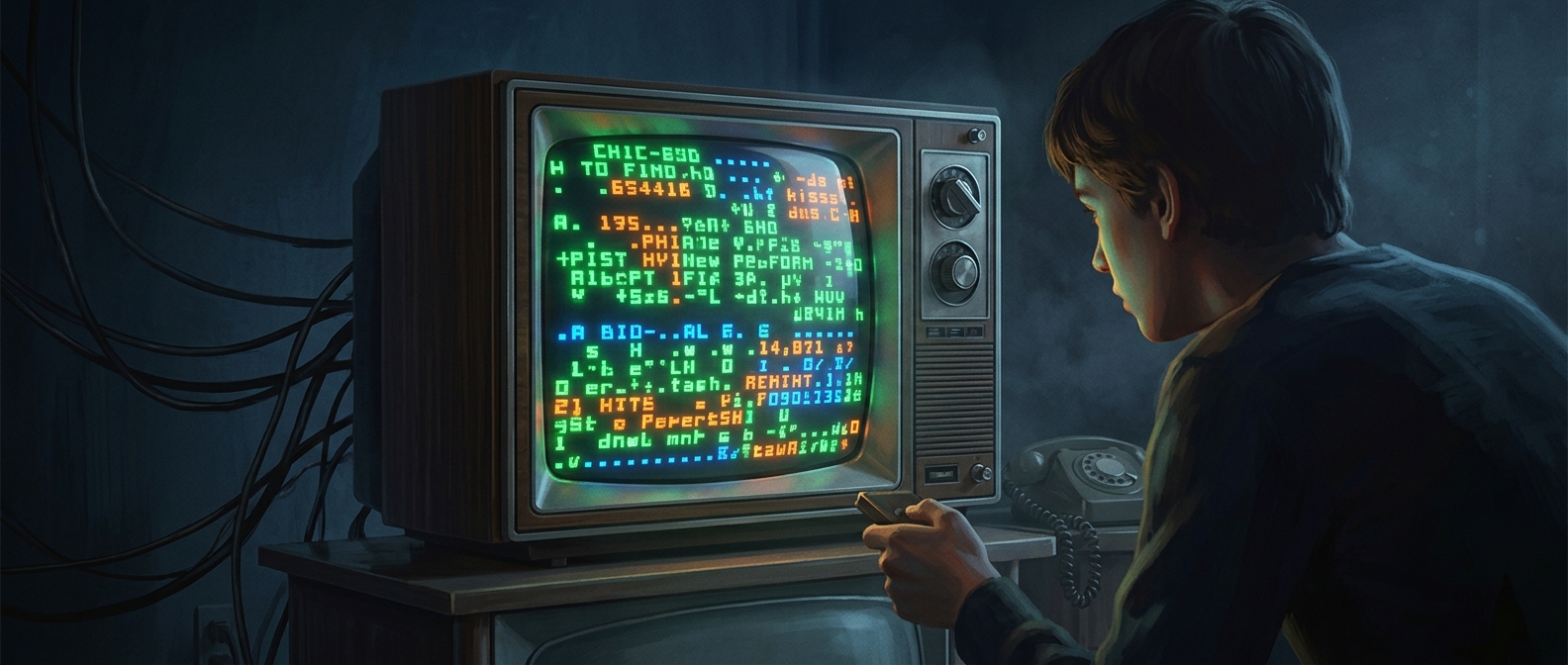
The 1970s system that brought text to British TVs
Viewdata connected a television to a phone line to display text, such as weather forecasts. Users paid by the minute to browse its slow, pixelated pages.
Discover more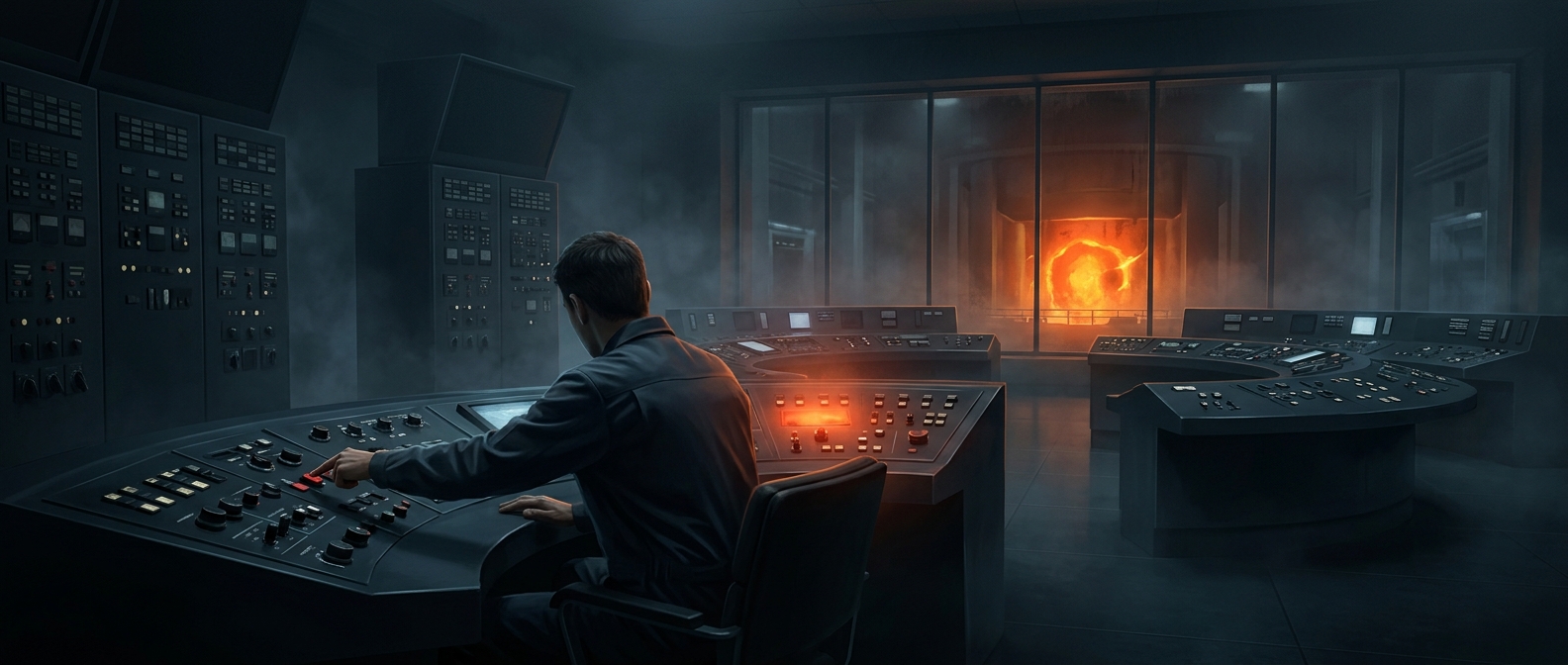
A valve indicator helped mislead a nuclear plant's operators
At Three Mile Island in 1979, a light showed the control signal sent to a valve, not whether the valve had physically closed. Operators could therefore read…
Discover more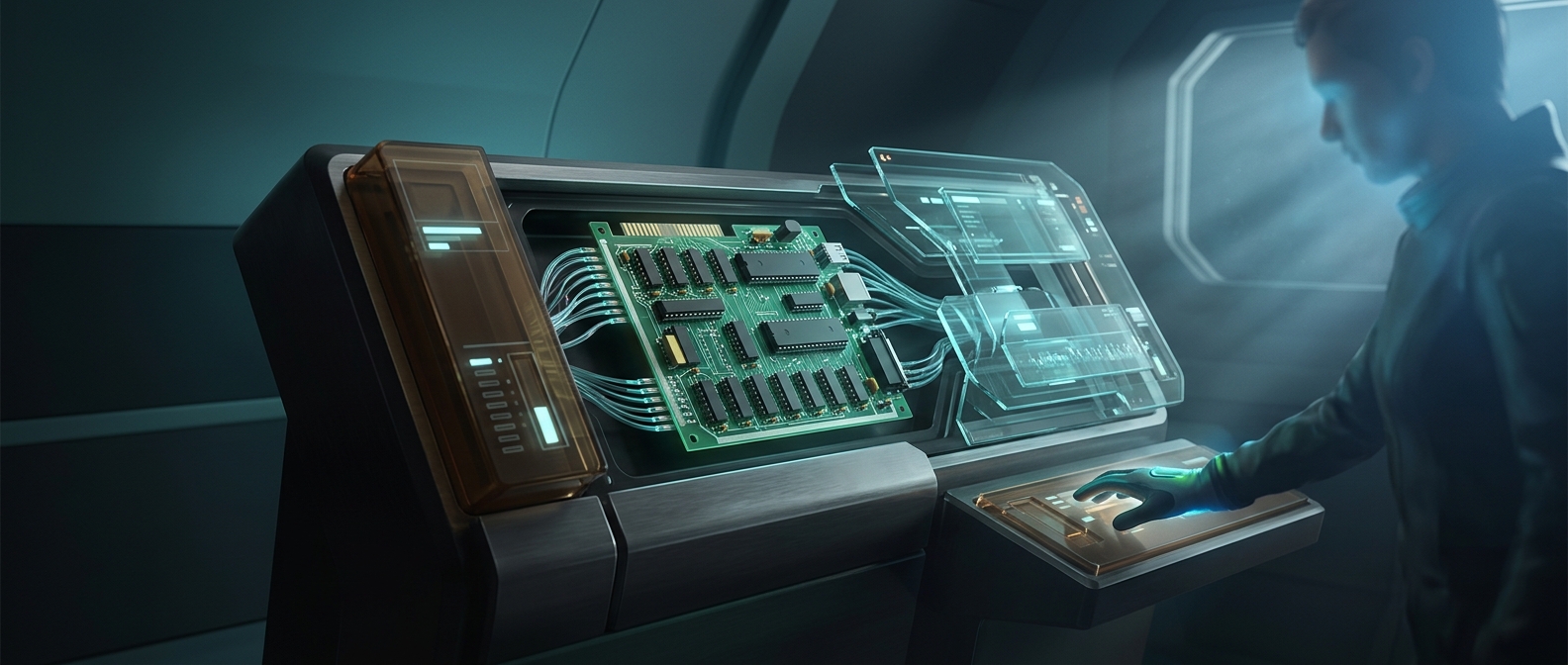
Blake's 7 gave a real microcomputer a spaceship job
The front board of an Acorn System 1 served as a control panel for the fictional computer Slave. Its exposed electronics already looked suitable for…
Discover more STACKY FOR IPHONE
A bigger world.
One discovery
at a time.
Keep discovering with Stacky. Interesting facts in an app that is always within reach.
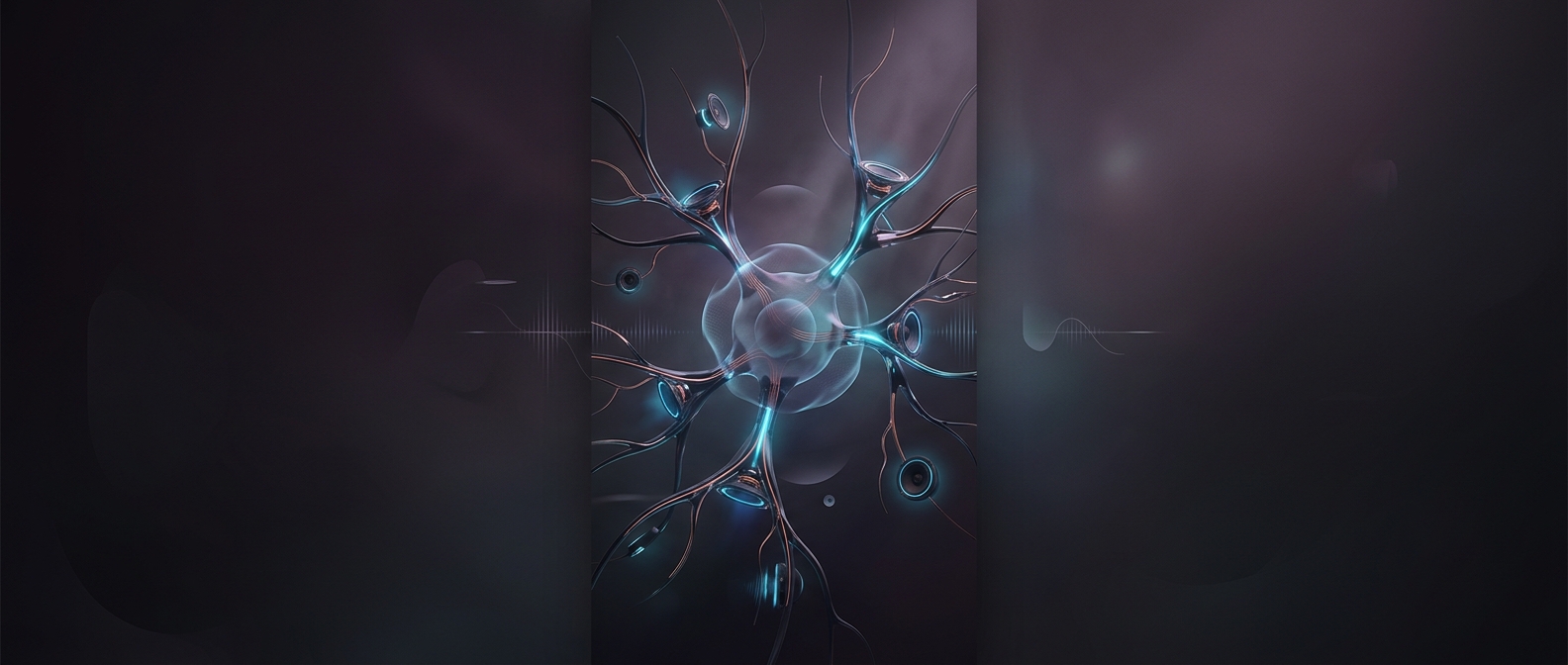
Windslow Burhoe acoustic crossover neurons
While designing high-end speaker crossovers, Winslow Burhoe used inverted-dome tweeter circuits that resembled early neuristors, electronic models of neurons.
Discover more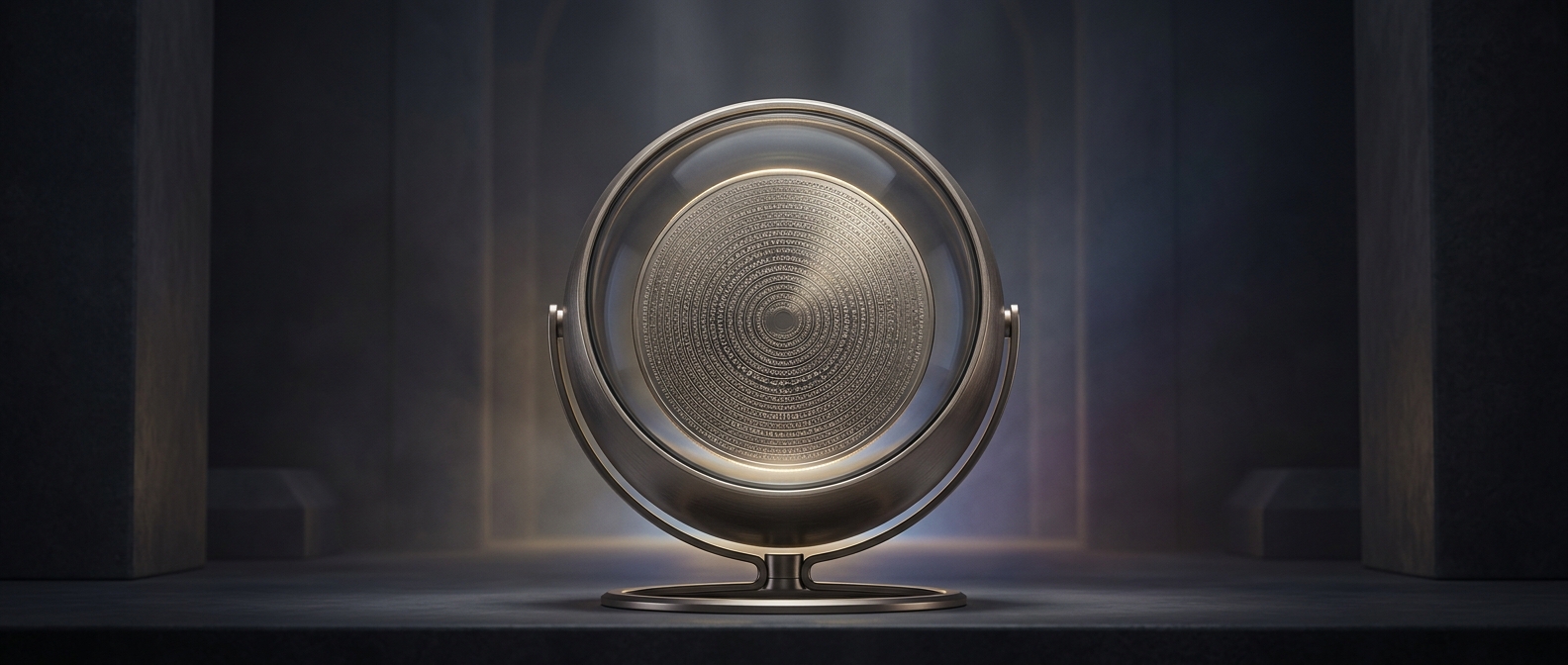
The Rosetta Disk stores language pages too small for the naked eye
Thousands of page images are etched onto a small nickel disk, including material from more than 1,500 languages. Magnification reveals the text without…
Discover more
How tiny packets made the modern internet possible
Packet switching breaks data into small pieces that can share network cables with traffic from other computers, then be reassembled at their destination.…
Discover more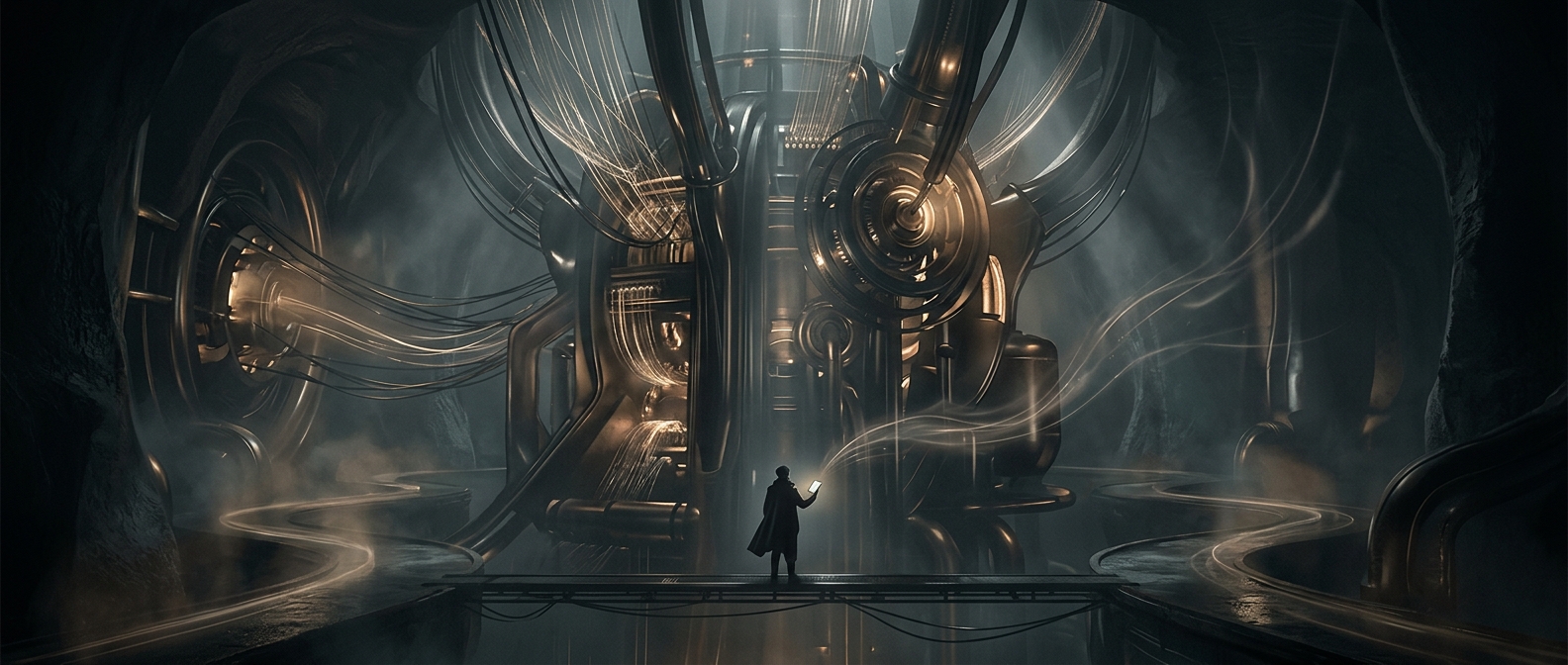
The 200-ton machine that streamed music by telephone
Thaddeus Cahill's 200-ton synthesizer sent music over phone lines, but its loud, robotic organ music also interfered with Manhattan calls. The phone company…
Discover more
Enigma's extra dial turned one wiring setup into 40
The Uhr attachment added a 40-position switch to the machine's plugboard system. An operator could change connections by turning a dial instead of rearranging…
Discover more
The Soviet plan to network an economy ran into its own bureaucracy
OGAS proposed connecting computers across the Soviet economy to improve planning and information flow. Building it required institutions to coordinate…
Discover more
The TV that fried its own circuit boards
The Philco Predicta’s vacuum tubes ran hot enough to damage its cheap phenolic circuit boards, sometimes snapping components loose or breaking circuits. This…
Discover more
IBM built a storage machine that physically fetched magnetic strips
The IBM 2321 Data Cell kept data on individual strips stored in bins. Its mechanism selected a strip, brought it to a read/write drum, then returned it to…
Discover more
The engineer who stopped network loops also wrote them a poem
Radia Perlman's Spanning Tree Protocol lets connected network bridges avoid circulating traffic endlessly around loops. She also explained the idea in a verse…
Discover more
The first personal computer had no microprocessor
John Blankenbaker’s 1971 Kenbak-1 used dozens of discrete logic chips instead of a microprocessor and had just 256 bytes of memory. Users programmed it with…
Discover more
ARPANET gave incompatible computers a common neighbor
Each host connected to an Interface Message Processor, a dedicated machine that handled traffic for the network. The 1822 specification defined how a host…
Discover more
How a Hawaiian radio network helped create Wi-Fi
In 1971, University of Hawaii researchers built ALOHAnet to connect computers by radio. It sent packets whenever a computer had data, retransmitting after…
Discover more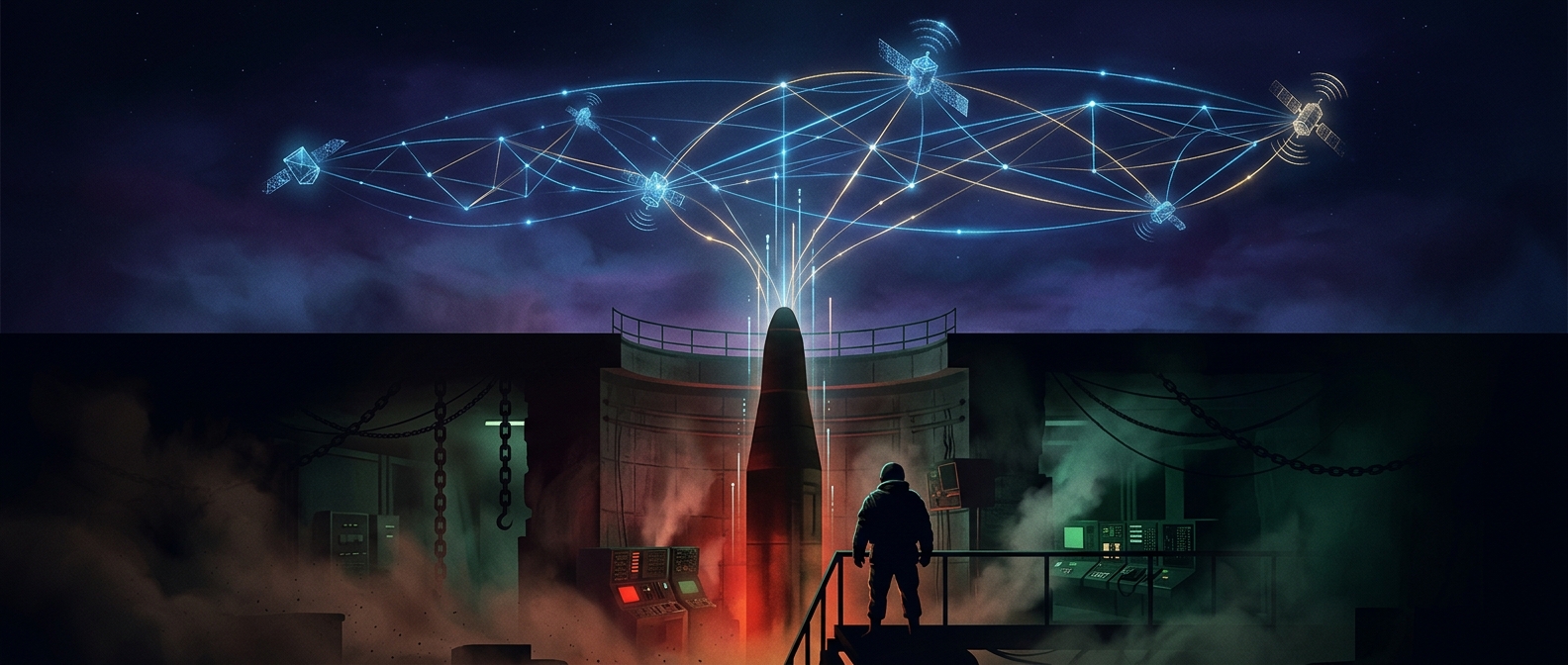
How nuclear fears shaped the internet
To keep military communications working after a nuclear strike, Paul Baran proposed a distributed network in the early 1960s: data packets could travel…
Discover more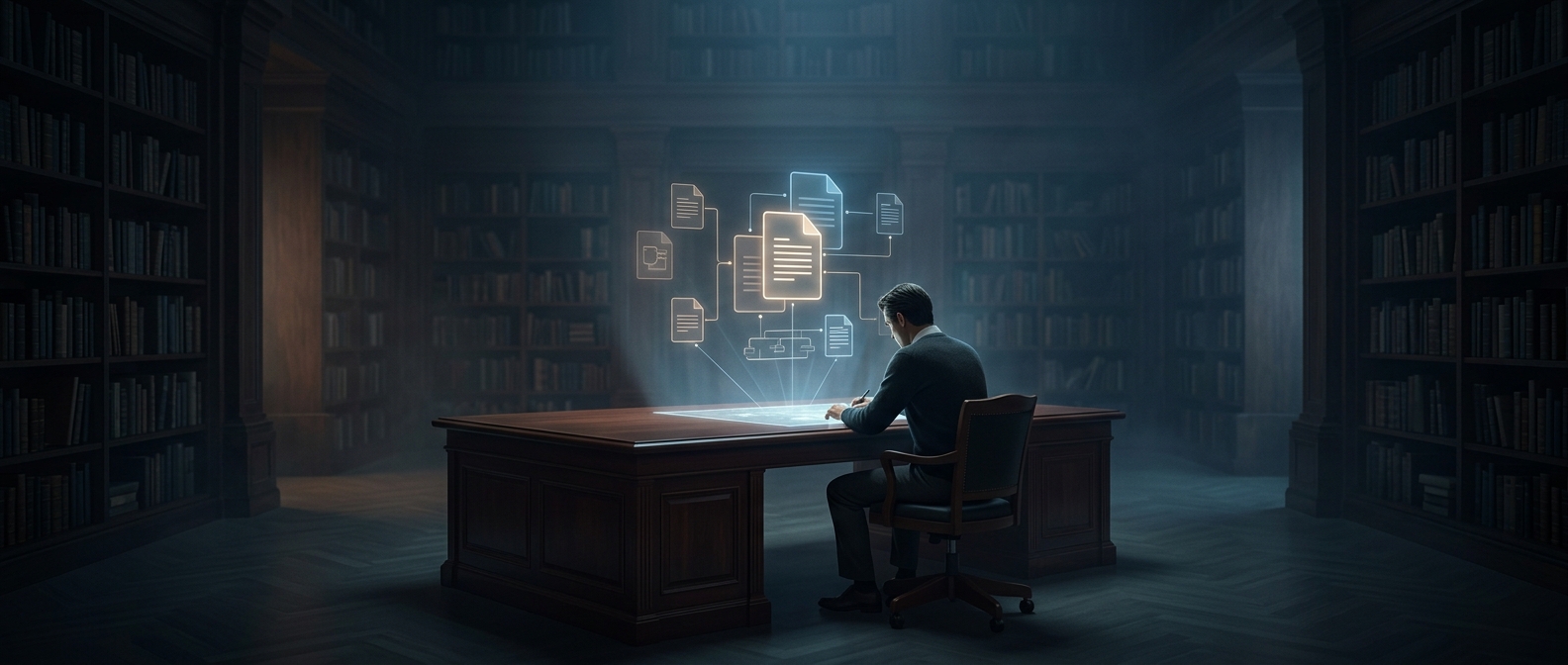
Google Docs' collaboration trick has a 1989 ancestor
Clarence Ellis and Simon Gibbs described operational transformation for their GROVE group editor in 1989. The problem sounds small: if you insert a word while…
Discover more
A Russian radio frequency has buzzed for decades
Listeners know the shortwave signal on 4625 kHz as the Buzzer, often associated with the name UVB-76. Its repetitive sound is occasionally interrupted by…
Discover more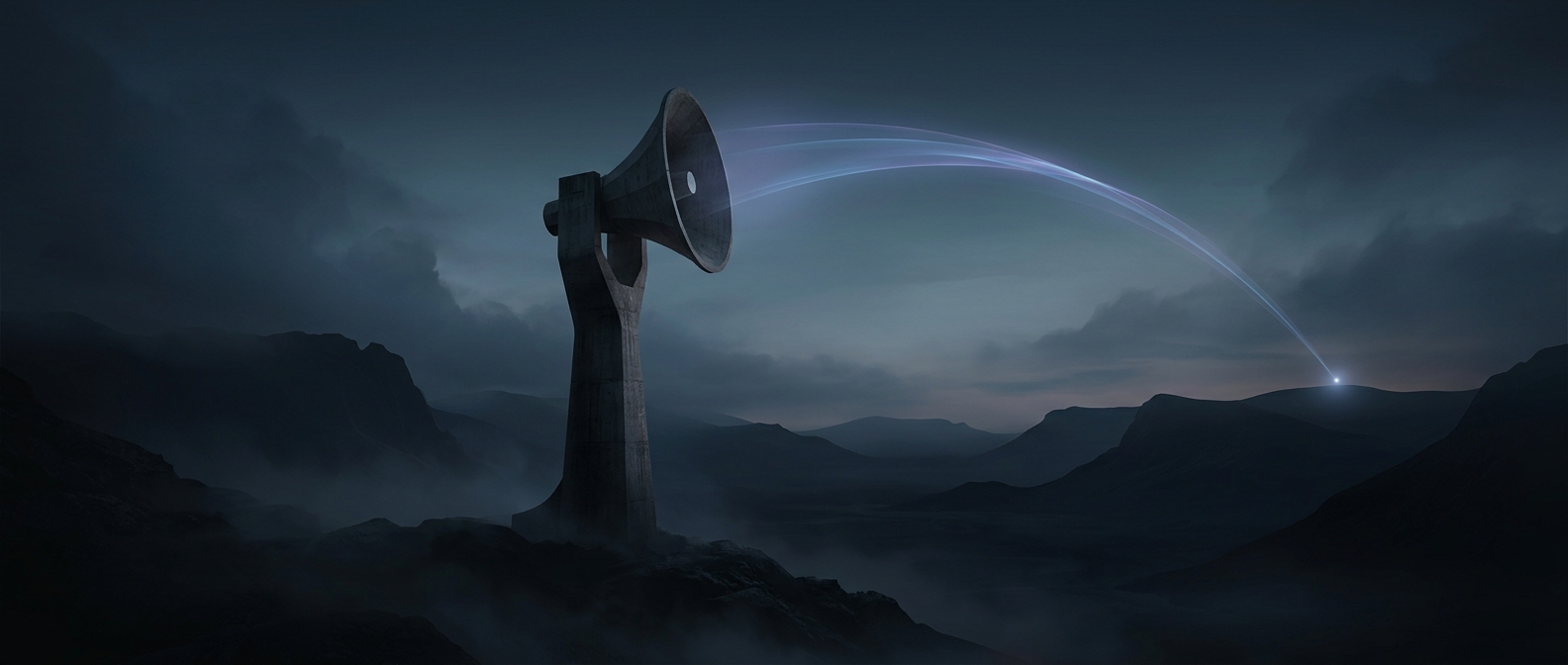
The towers that carried calls across America
Before fiber optics, AT&T’s Long Lines network used thousands of horn-shaped antennas on towers spaced about 30 miles apart to relay analog calls across the…
Discover more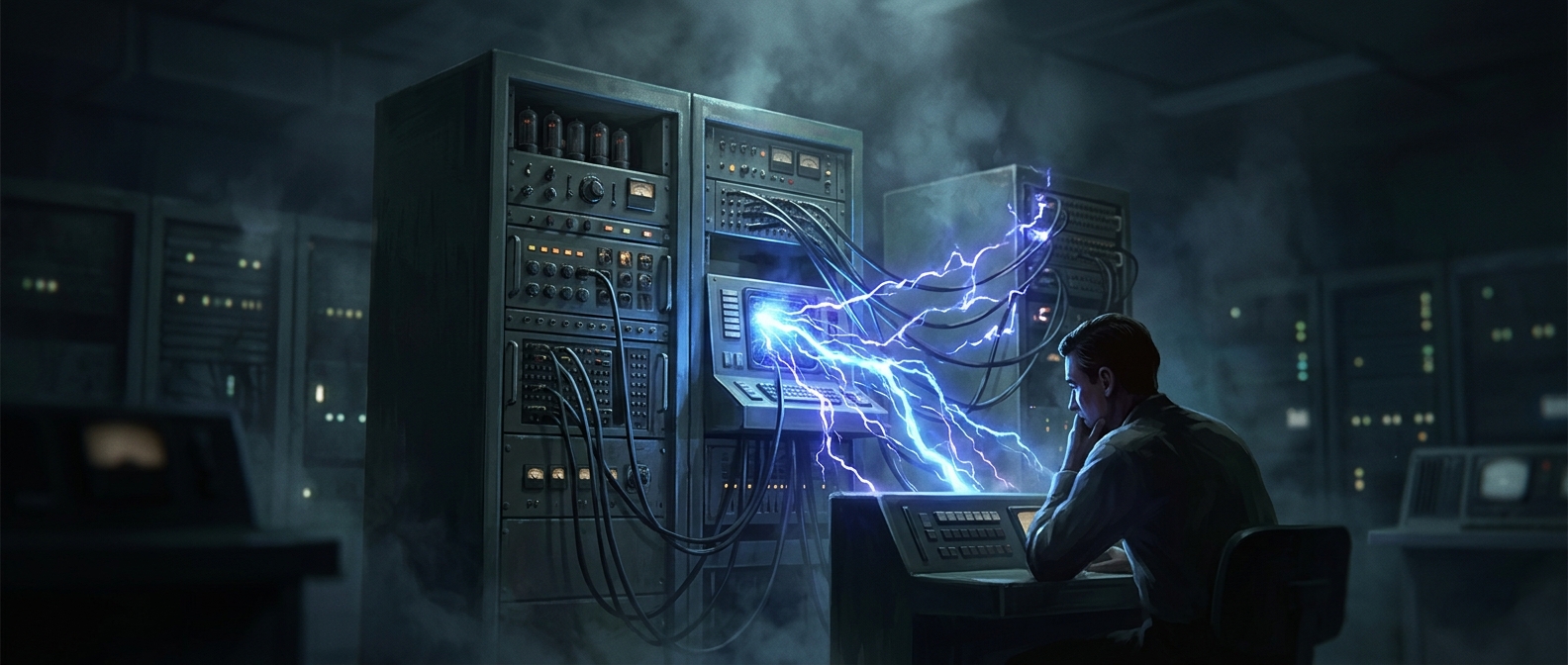
How one bad update nearly broke the early internet
A single flipped bit corrupted a routing node's status message, which other nodes repeatedly relayed and updated, creating a loop that brought the network down.
Discover more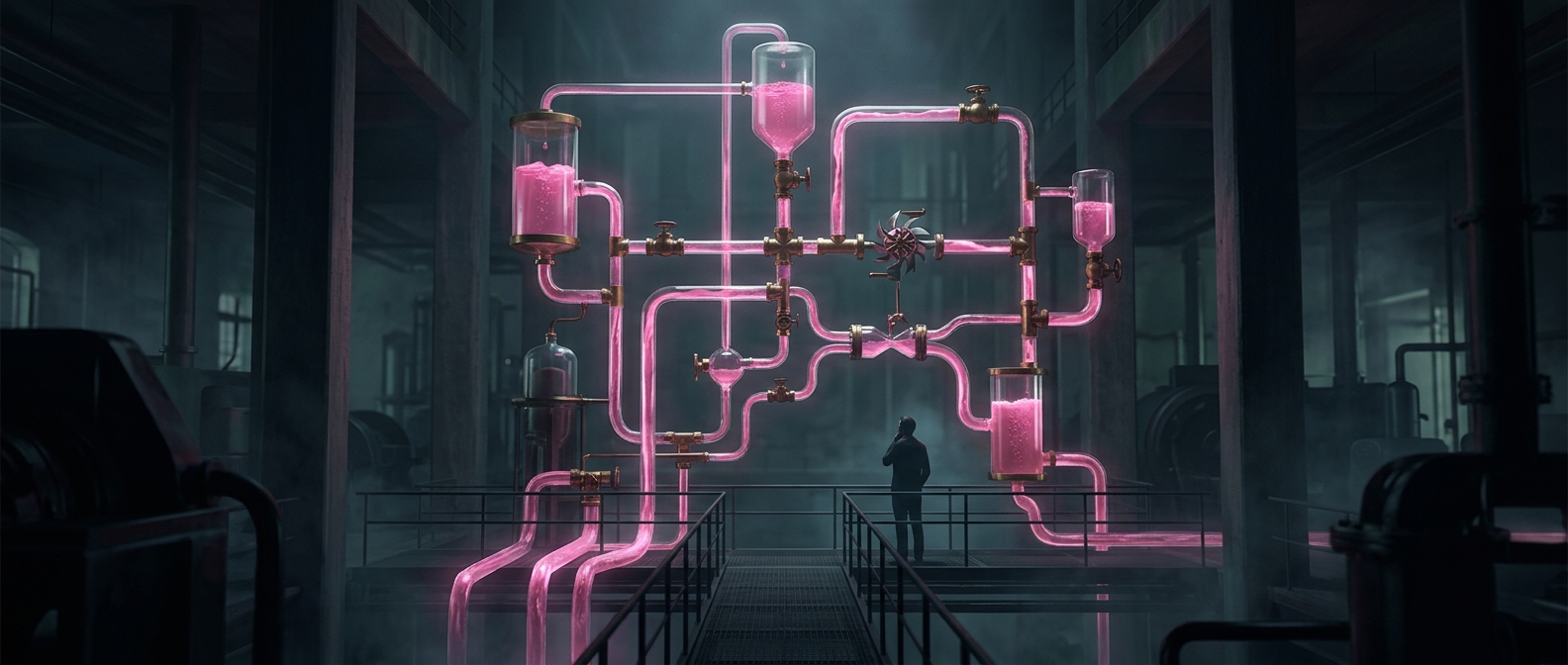
The computer that modeled Britain’s economy with water
Bill Phillips built the 1949 MONIAC with clear tanks, sluices, and colored water. Pumps sent water through tubes representing taxes, savings, and investments,…
Discover more