Technology
Discover facts about technology. Small discoveries that change the way you see familiar things.
Technology
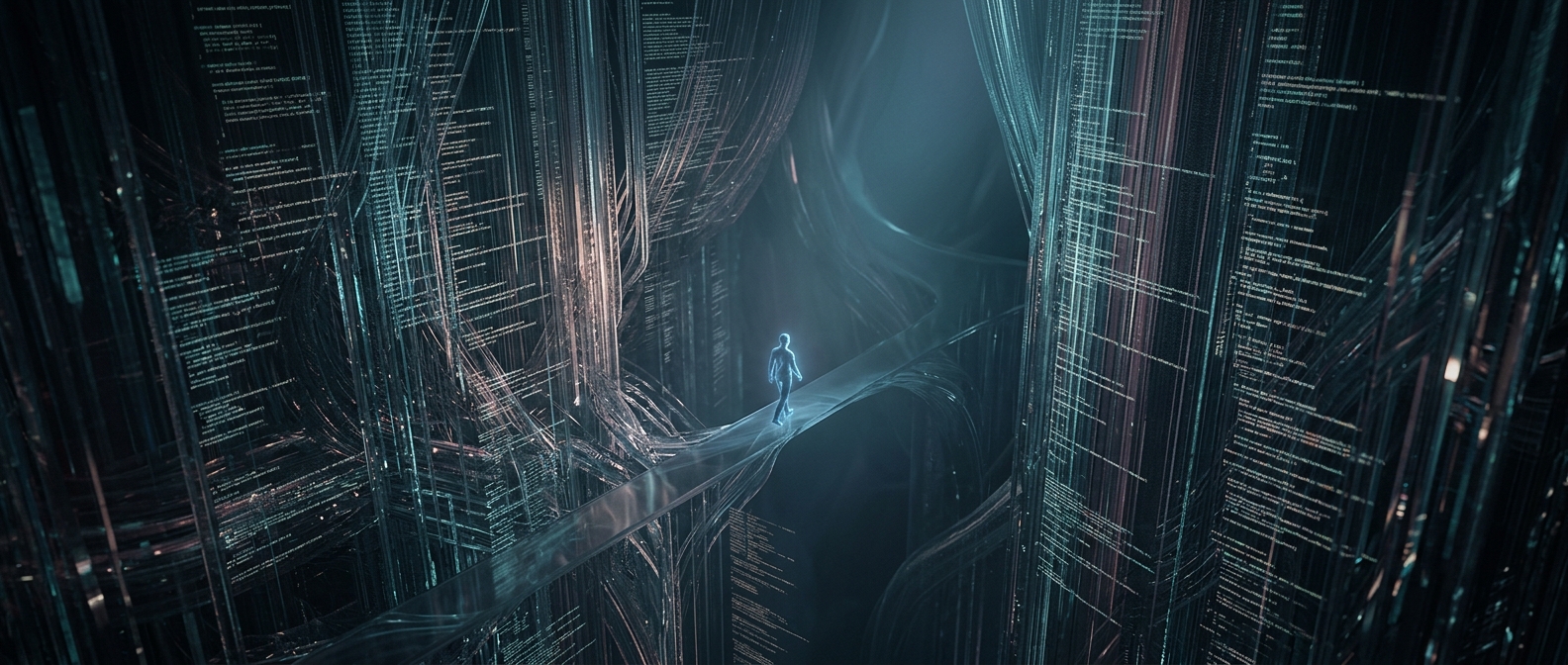
The Linux kernel contains tens of millions of lines of code powering servers and smart devices
Code reviews help maintain the kernel, which supports everything from enterprise servers to smart thermostats.
Discover more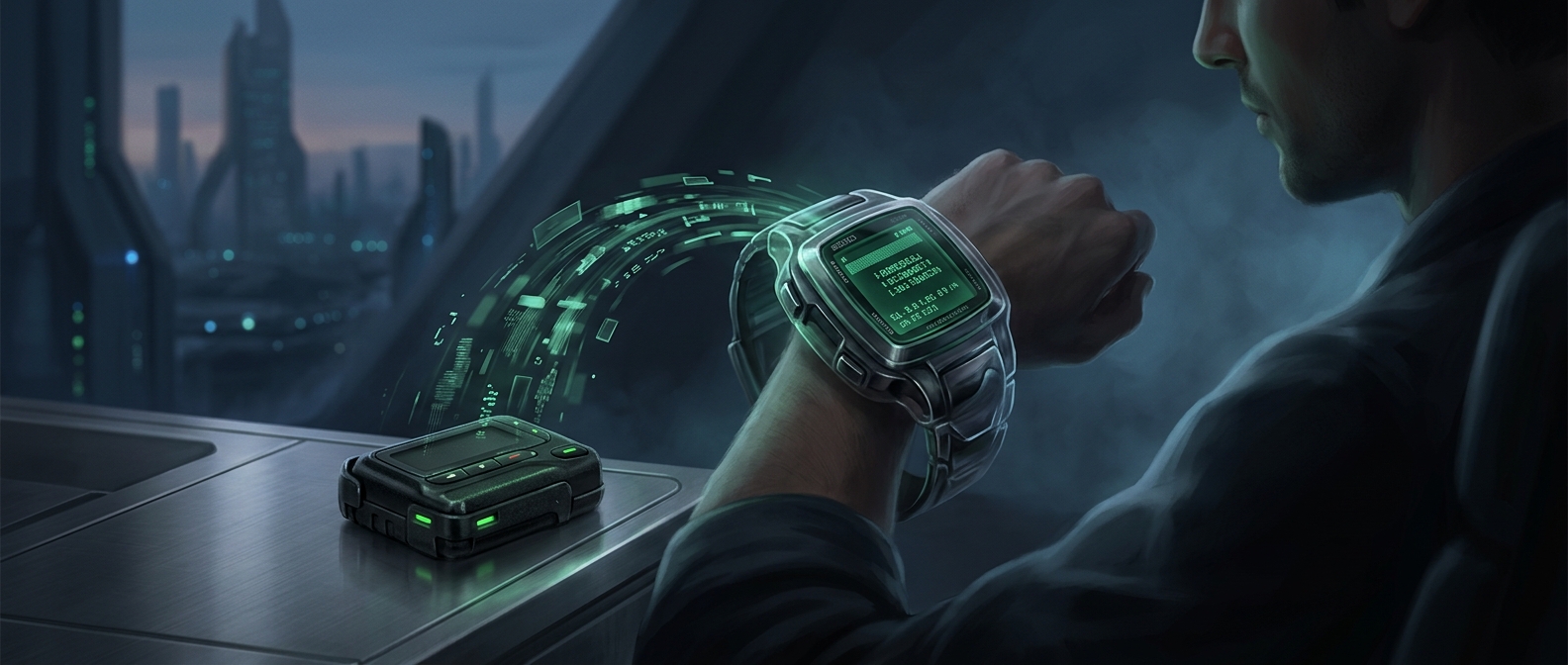
Seiko made a smartwatch in 1998
The Ruputer had a 16-bit processor, 128 KB of RAM, and a tiny joystick for navigating menus. It synced with a PC through a docking station.
Discover more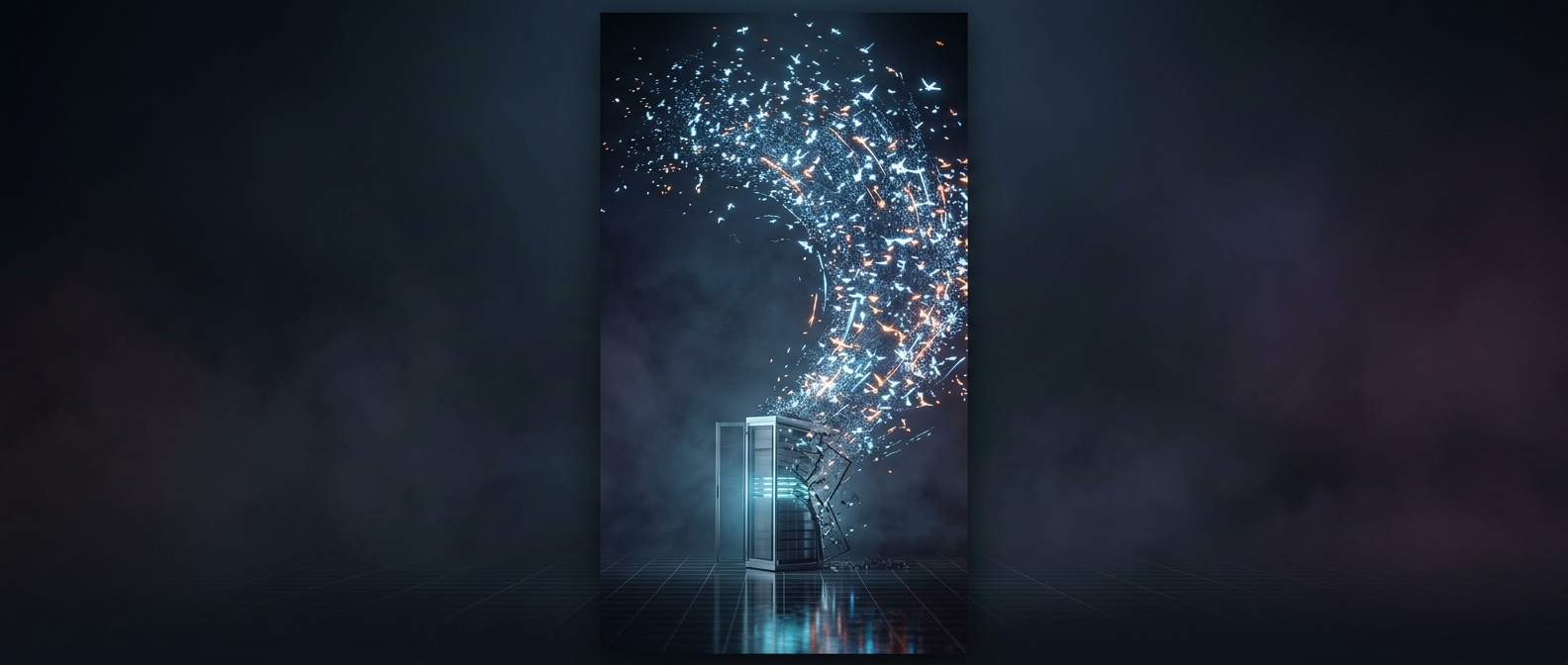
How sudden internet fame can crash a website
A link from a major aggregator can send a flood of visitors to a small site at once, overwhelming its server.
Discover more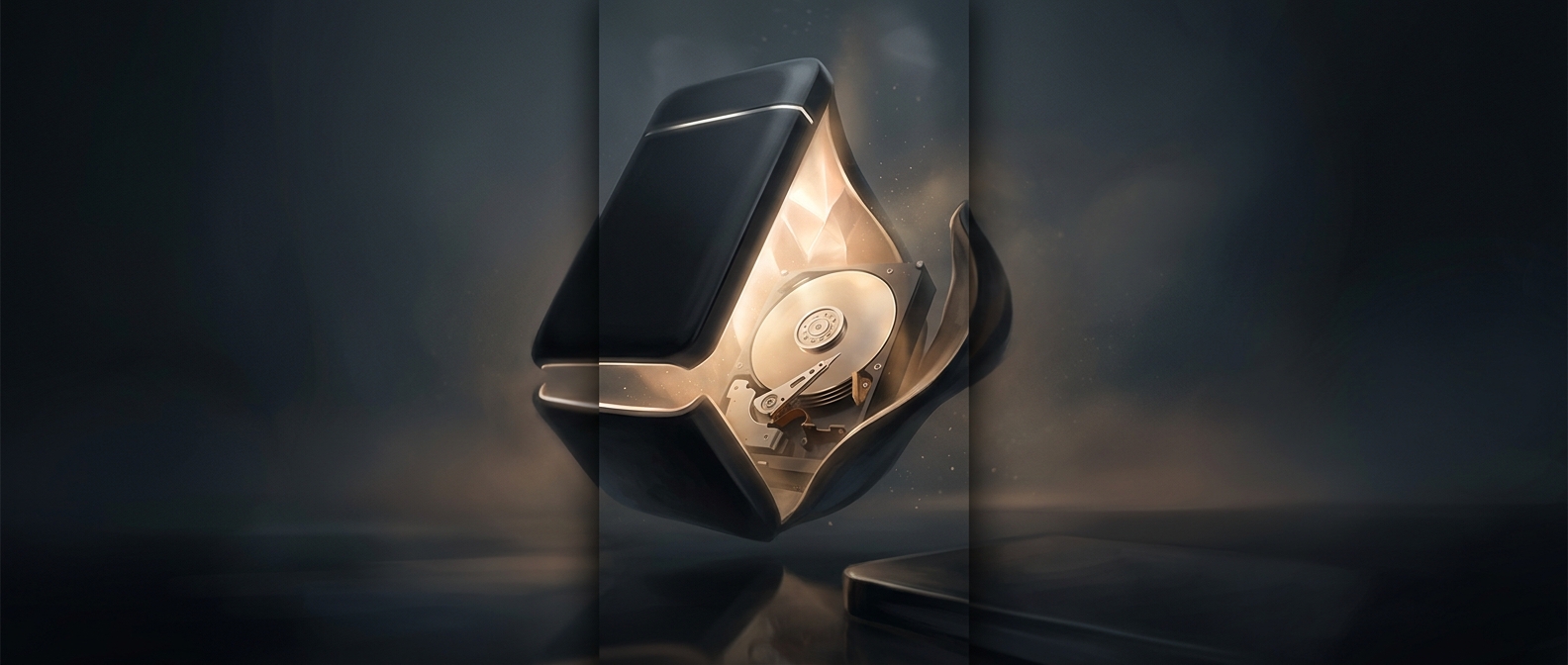
An external hard drive is often just an internal one in a case
Many thick external-drive cases simply hold a standard desktop drive connected to a small USB adapter board.
Discover more
How Magellan's crew lost a day
As the crew sailed west and kept chasing the sunset, local dates advanced faster than their shipboard calendar. They returned with logs a day behind the date…
Discover more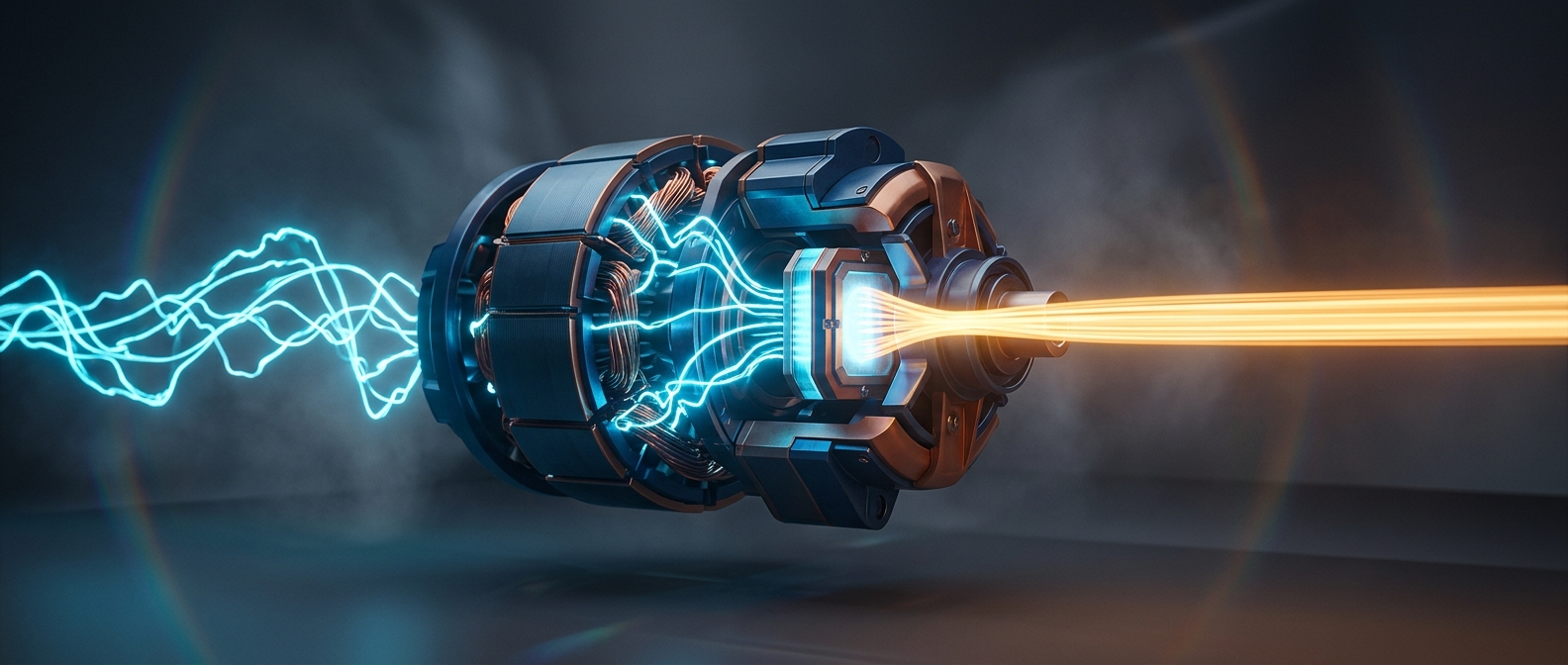
Alternators generate alternating current before rectifying
Your vehicle demands perfectly smooth direct current to function, but spinning magnets physically insist on creating wavy, back-and-forth power that must be…
Discover more STACKY FOR IPHONE
A bigger world.
One discovery
at a time.
Keep discovering with Stacky. Interesting facts in an app that is always within reach.
Superabsorbent hydrogels drink vastly more than their weight
Water moves into the hydrogels through osmosis, and chemical cross-links keep the polymer network from dissolving. The material swells into a gel that can…
Discover more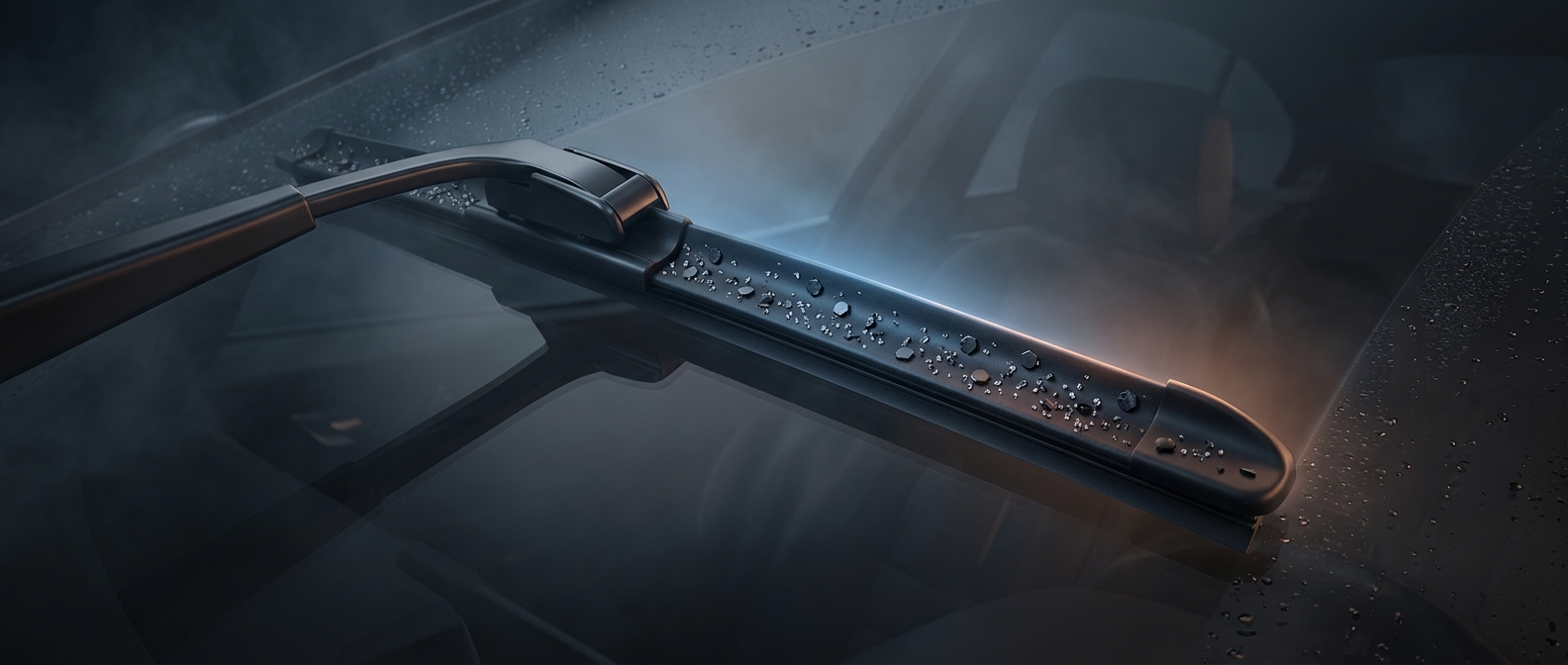
Windshield wipers use graphite-treated rubber to glide quietly across wet glass
A thin layer of graphite embedded in the rubber acts like a lubricant, helping the blade move quietly across the glass.
Discover more
Old virtual worlds preserve places their makers never planned
WorldsChat let users build spaces and avatars, creating a sprawling social environment beyond its original design. Preservation projects have documented its…
Discover more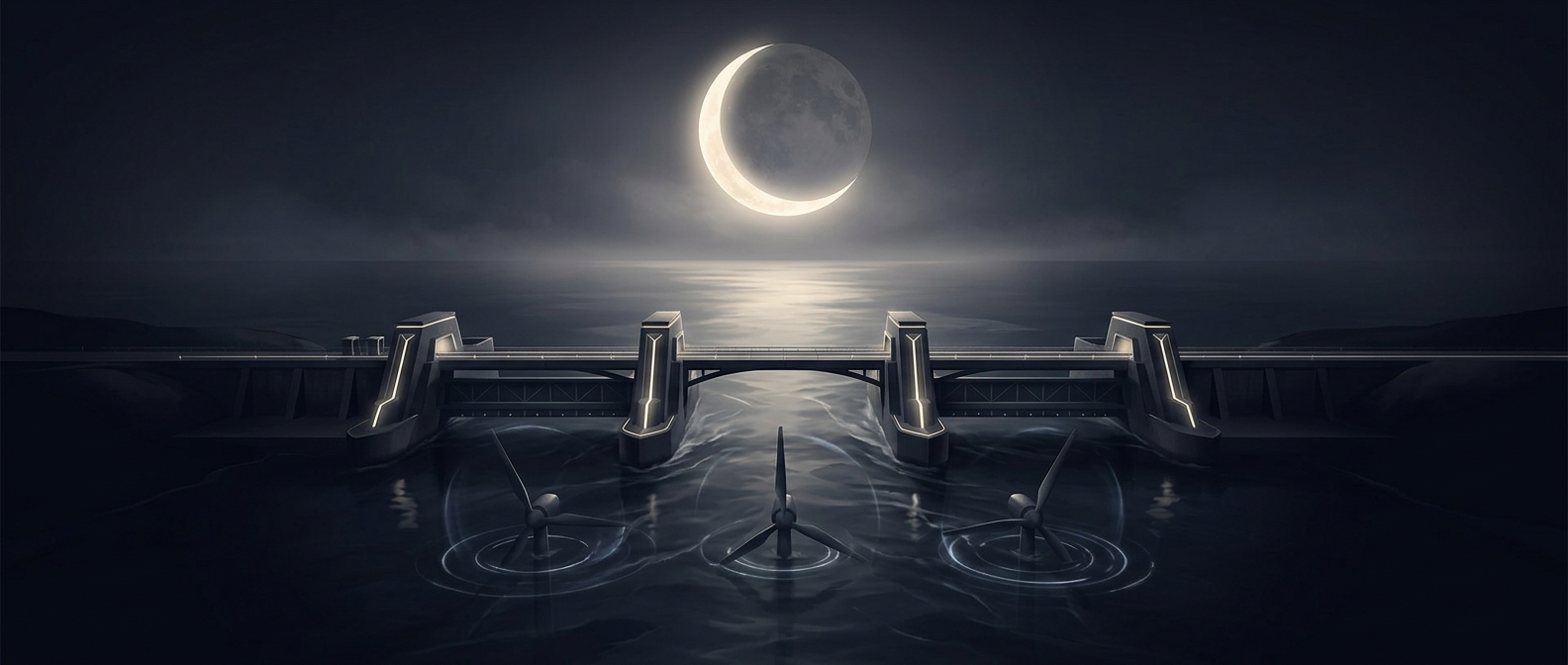
Tidal power plants completely rely on the moon
The moon's gravity drives the tides, and generators capture the water's movement as it flows in and out of bays.
Discover more
Why the original Apple mouse had one button
Early testers found multiple mouse buttons confusing, so Steve Jobs insisted on a single-button design.
Discover more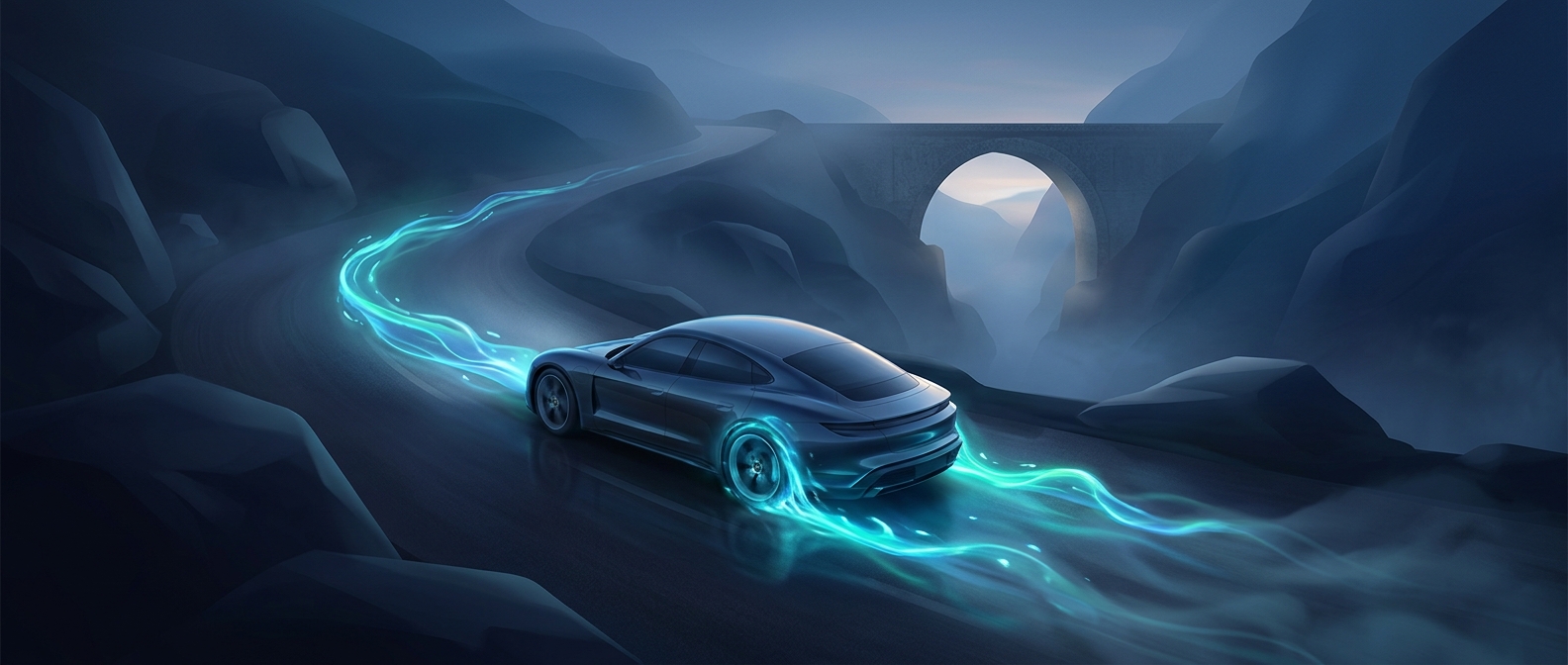
How electric cars recharge when you brake
When you brake, the motor works as a generator, converting some of the car's motion into electricity and slowing it down.
Discover more
A cheap projector can need a replacement bulb that costs as much as the projector
The lamp's limited lifespan can erase the bargain: when it dims or fails, a replacement may cost nearly as much as the projector itself.
Discover more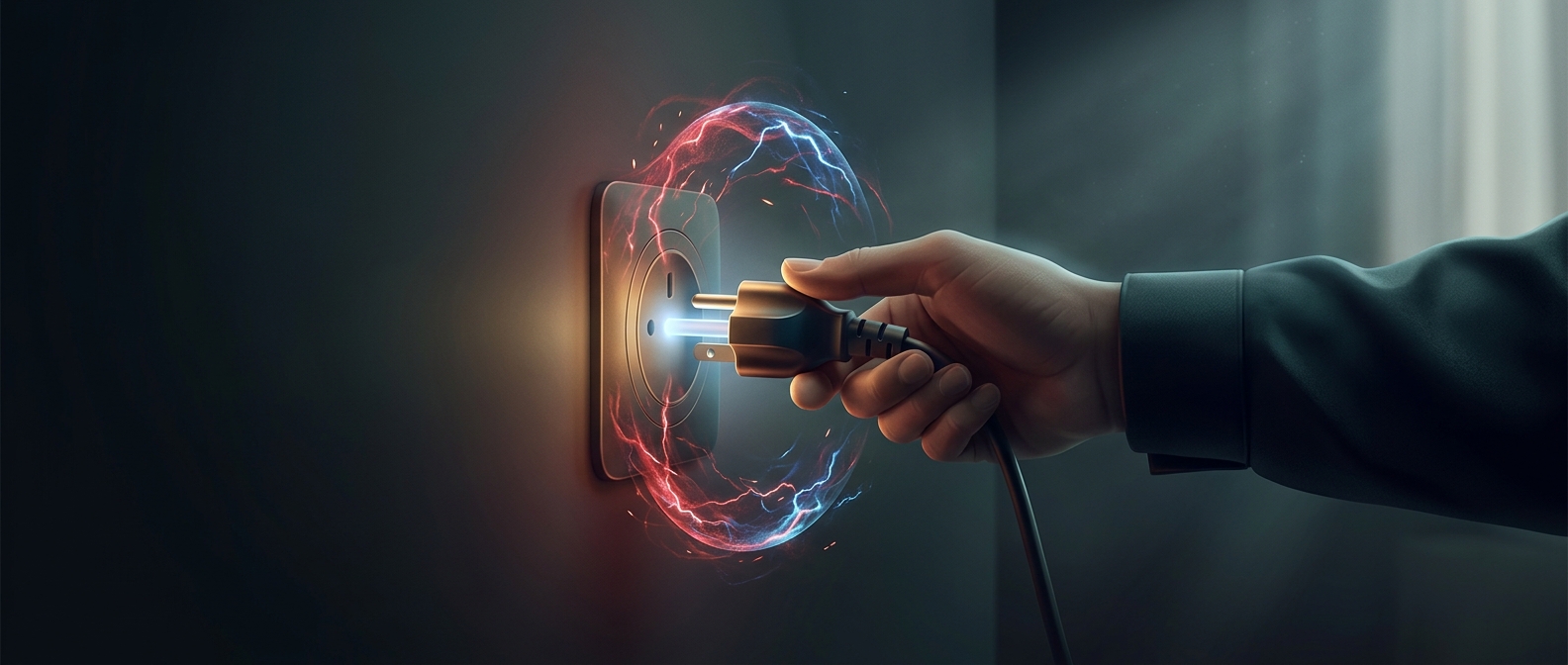
Why the ground pin is longer than the others
The ground pin connects first and disconnects last, so if a fault occurs, it can provide a path for current to flow to ground before the live pins make contact.
Discover more
Why video games call digital characters avatars
A game designer borrowed the term from a sacred Hindu concept to name the player’s character. He wanted players to feel responsible for their actions in the…
Discover more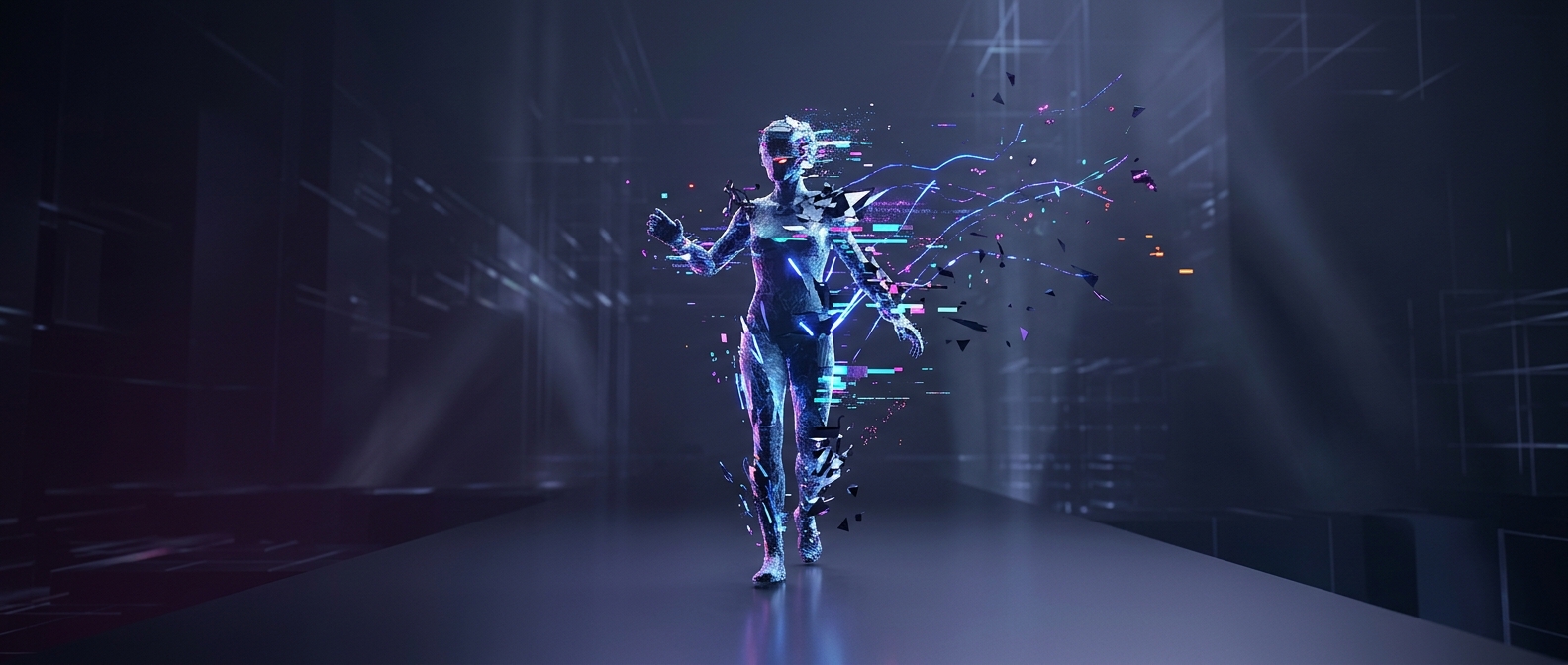
Virtual reality avatars glitch wildly during normal movement
Consumer headsets mainly track the head and hands, so software has to guess where the elbows and knees are. Those guesses can fail, making virtual limbs snap…
Discover more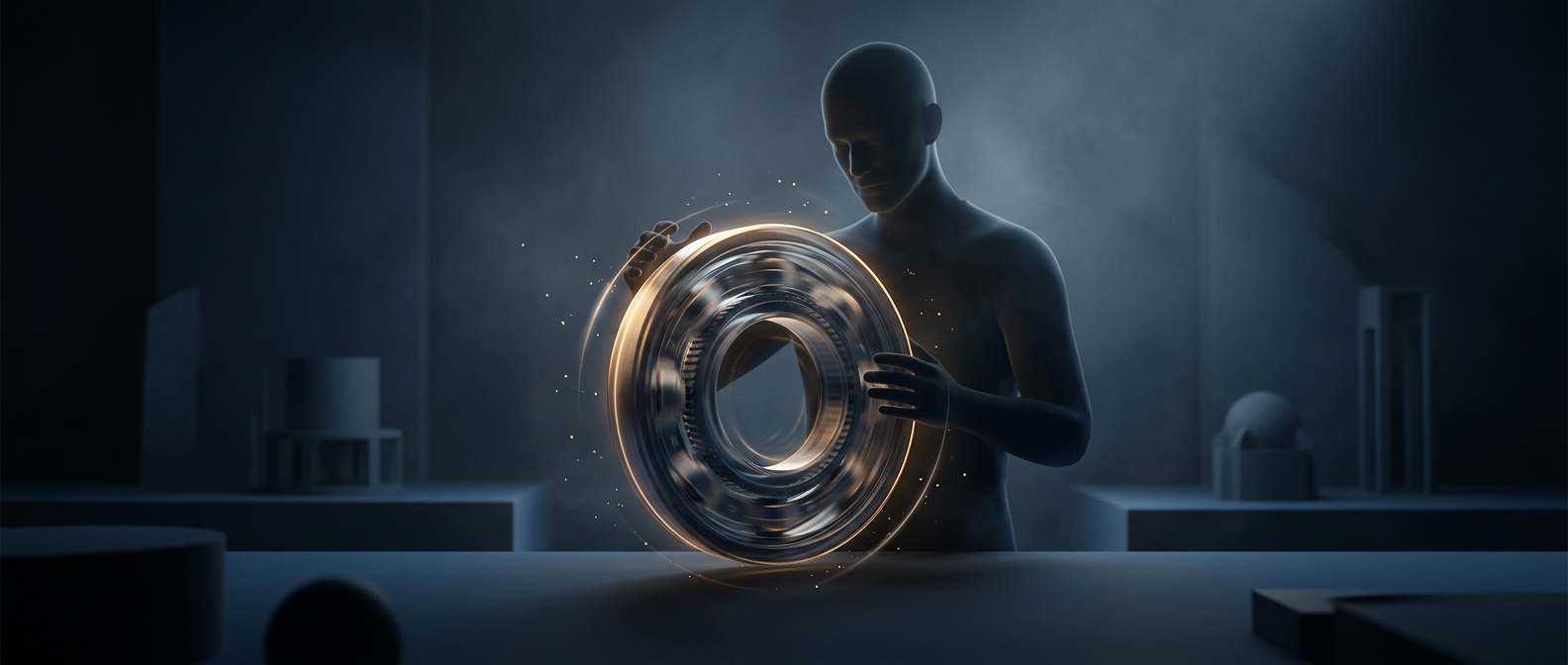
A pocket-sized spinning toy was marketed as a tool for stress relief and focus
The small bearing was promoted as a way to relieve stress and improve focus. Those benefits were marketing claims, not a miraculous cure.
Discover more
Your phone’s sleek edges hide a maze of antennas
The phone's metal frame is divided by tiny plastic lines into separate antenna sections for different radio frequencies. If it were one continuous piece of…
Discover more
Old computer monitors weighed a ton due to massive glass
A cathode-ray tube's funnel-shaped glass had to be thick enough to withstand the vacuum inside; without it, atmospheric pressure could crush the tube.
Discover more
A giant Zelda boss began as a deliberately vague challenge
For Skyward Sword, developers recalled being asked to create a huge enemy attacking one place, leaving the team to figure out how the encounter should work.…
Discover more
The computers that can do anything painfully slowly
A Turing tarpit can compute anything a general-purpose computer can, but its commands are so cumbersome that even simple tasks take far longer.
Discover more
The Web was created to share physics documents
Tim Berners-Lee created the Web at CERN in 1989 to help particle physicists share documents across different computers.
Discover more
The holes in a microwave door are a frequency filter
Visible light has a much shorter wavelength than the microwaves used to heat food. The metal mesh's openings let you see through while helping keep those…
Discover more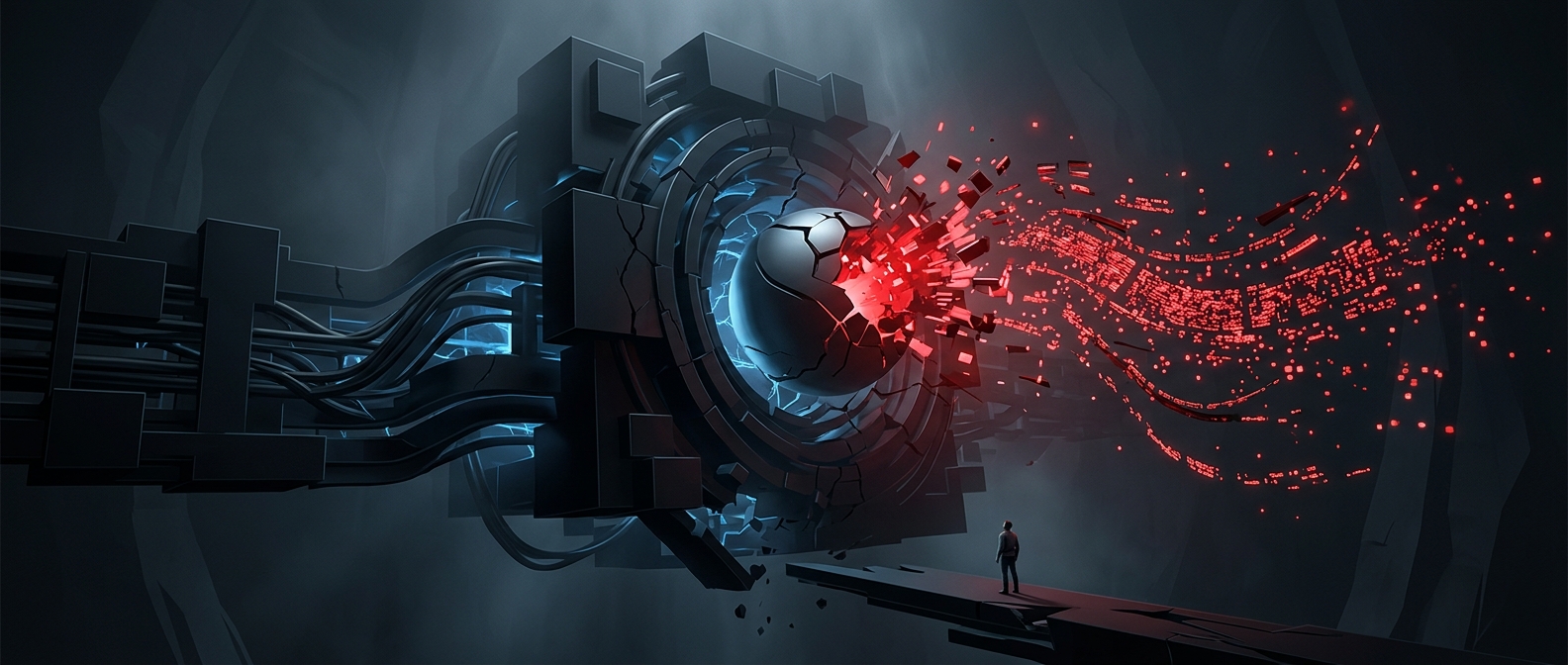
An algorithm can be fast for ten items and hopeless for a million
Big O describes how the work grows as the input grows. Double the data and a linear task roughly doubles; a quadratic one can require about four times the…
Discover more