Why an Empty Virtual Town Can Stay Open
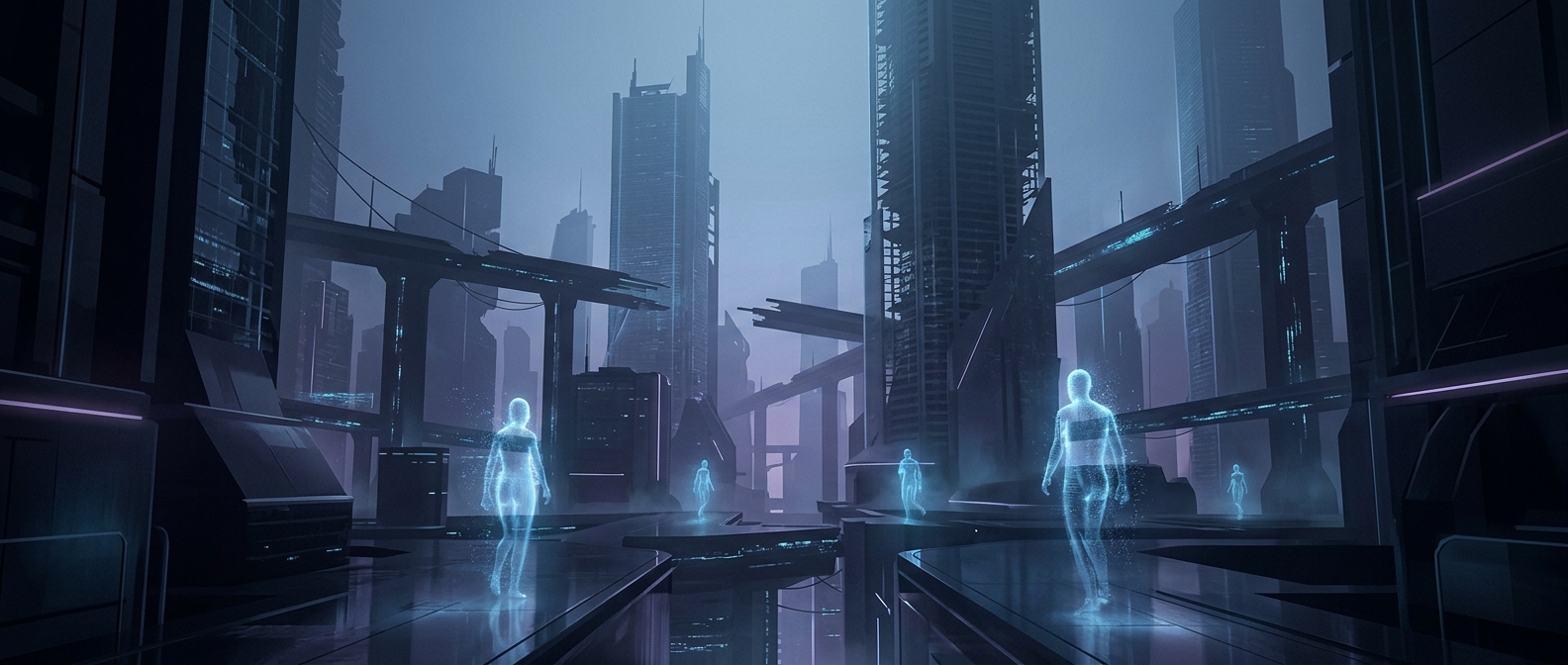
A multiplayer world does not necessarily disappear when its crowds do. If the computer running it remains online and its software keeps accepting connections, visitors can still enter streets, rooms, or landscapes built years earlier. The result can feel less like a closed game than a town whose lights are on but whose residents have gone.
An avatar’s apparent presence depends on how the world handles connections. A player’s device sends updates to a server—the computer that keeps track of who is connected and where their characters are. If a session is not properly closed, or the software fails to clear it, the server may continue showing that character as present. That can make an avatar look as though it has been left behind, though it does not prove anyone is still controlling it.
What “Decaying” Means Online
Virtual places do not weather like physical buildings. Their worn-down appearance usually comes from old design choices: low-resolution textures, simple shapes, dated lighting, or unfinished areas that become more noticeable when there are few people around. A quiet plaza that once felt busy can seem uncanny when its scenery remains but the activity that gave it meaning is gone.
These spaces also depend on a chain of aging parts: the server, the world’s software, and whatever equipment or compatibility visitors need to connect. Keeping one running can preserve a slice of online life, but it does not guarantee that the world will remain accessible. A machine can be switched off, software can stop working, or the people maintaining it can move on.
That makes each visit a small encounter with digital preservation: the place may still exist, but its continued existence depends on someone—or something—keeping the system alive.