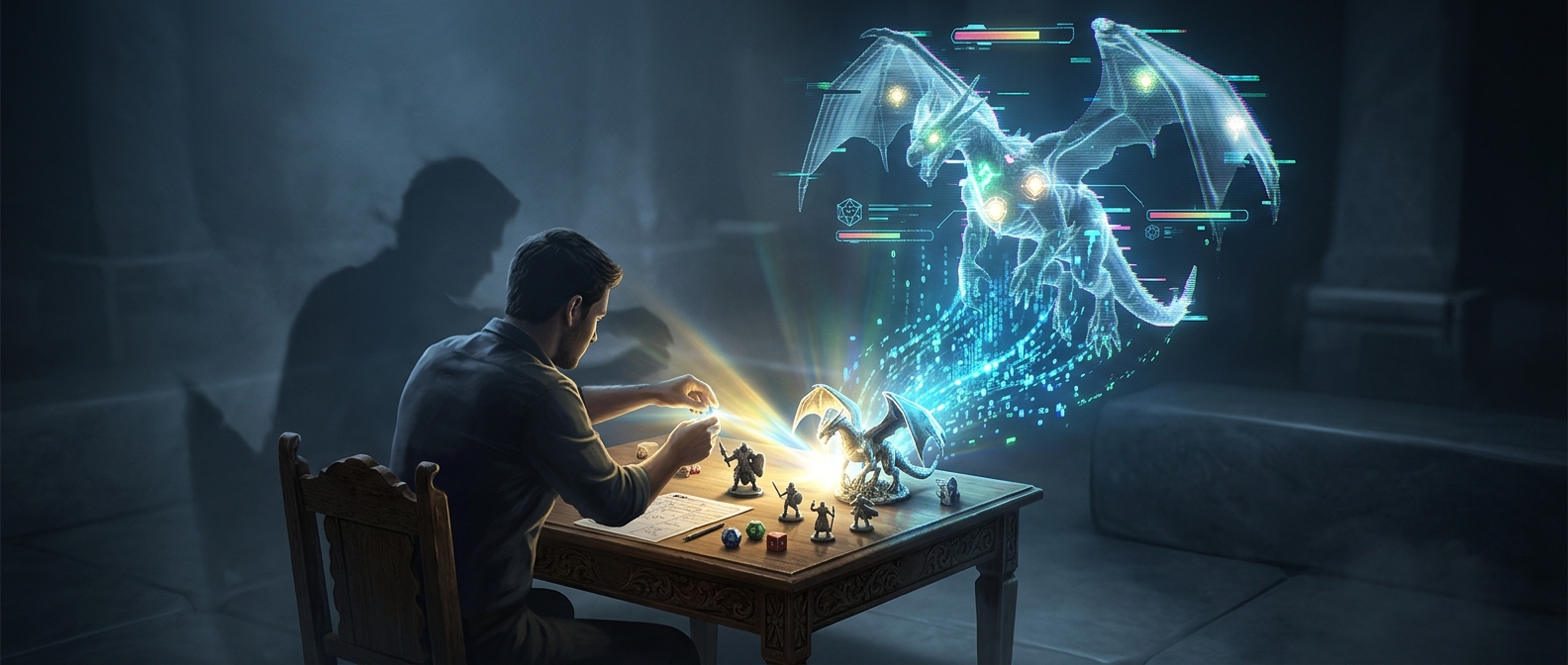
From the Dungeon Master’s Monster to the Level Boss
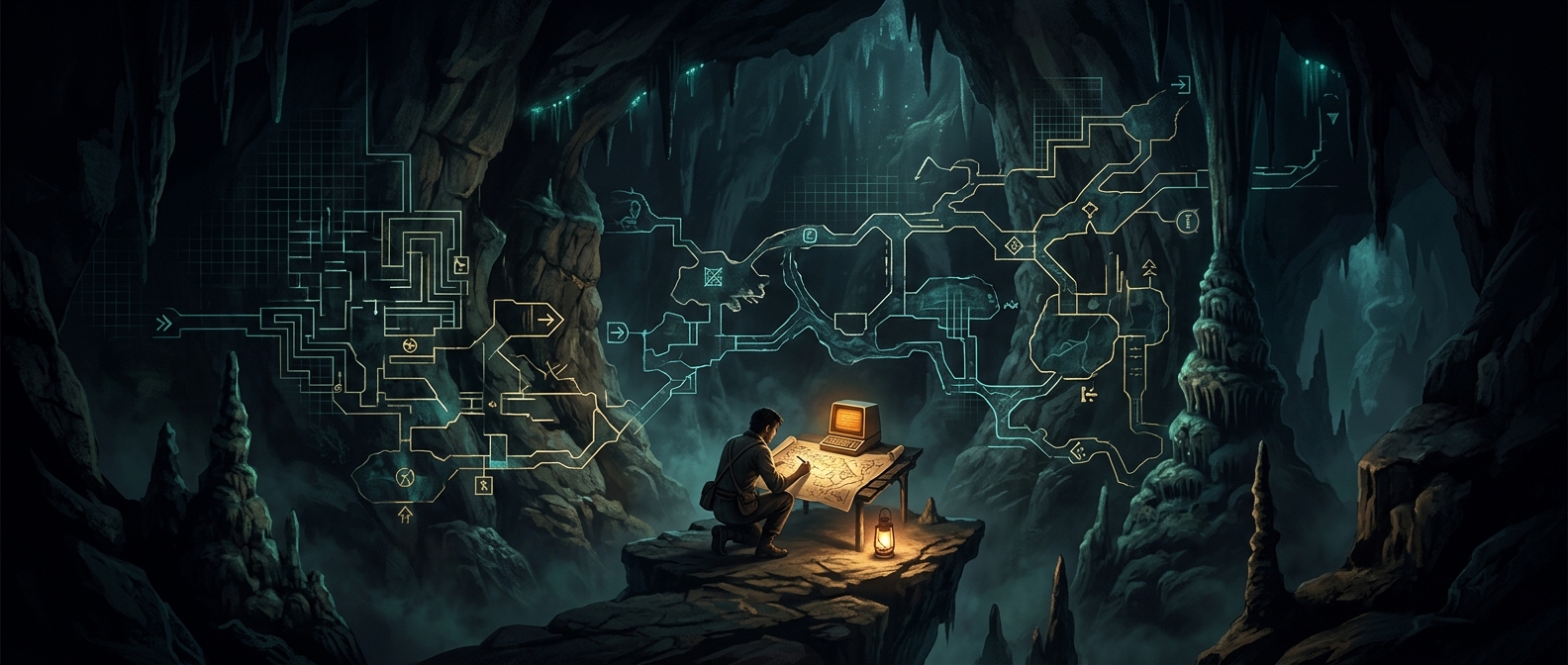
In a tabletop dungeon campaign, a dungeon master can make a creature feel important through more than its size: the party may hear rumors about it, find signs of its presence, and finally face it in a carefully staged encounter. Early video games borrowed that dramatic shape. They could not rely on a human referee to improvise, so developers built the climax directly into the level as a single, conspicuous enemy.
That change made the encounter legible to a player moving through a screen. Ordinary enemies tested moment-to-moment skills; the boss signaled that the level’s challenge had changed. A large or distinctive foe, often placed at the far end of the stage, gave the player a clear goal: survive the fight, learn how this enemy behaves, and earn the right to continue.
A Tabletop Encounter Becomes a Game System
At a table, the dungeon master adjusts the monster’s actions in response to the group. A video-game boss has to create that sense of encounter through programmed rules. It might attack in repeating patterns, expose a weakness only at certain moments, or change tactics as the fight progresses. The player studies those cues and responds; the game turns a conversation between referee and players into a loop of observation and action.
The boss also solves a pacing problem. A long level needs a point of arrival, and a memorable final fight makes the journey feel like it led somewhere. It can test abilities the player has practiced along the way, then add pressure by combining them. In that sense, the tabletop inheritance was not just “put a monster at the end.” It was the idea that an enemy can serve as the climax of a designed adventure—only now the rules, timing, and outcome are all built into the game.