When too many games crowded the shelves
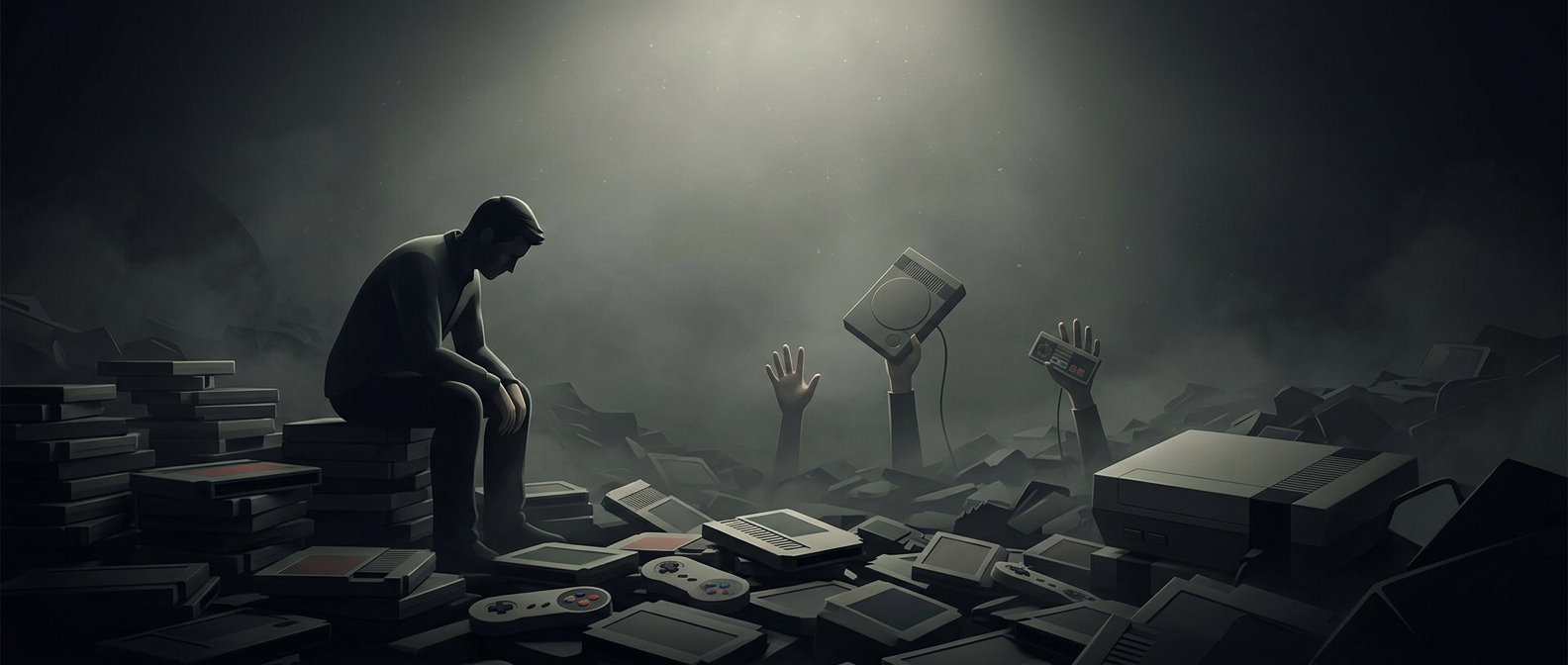
In the early 1980s, making a video game was relatively easy, and companies rushed to sell consoles and cartridges. Retailers filled their shelves with titles, but shoppers had little way to tell which games were worth buying. When many disappointed players stopped spending, stores were left with unsold stock—and became wary of ordering more.
The downturn was not simply the result of one famously bad game. It grew from a market that had expanded faster than its ability to maintain quality or predict demand. Falling sales then fed on themselves: fewer orders meant less shelf space, which made it harder for even good games to find an audience.
Rebuilding trust, one cartridge at a time
Nintendo’s response was to make the Nintendo Entertainment System feel less like another interchangeable console and more like a carefully controlled product. The company limited which outside developers could release games for it and used technical checks to prevent unauthorized cartridges from running. Those restrictions helped curb the flood of releases and gave Nintendo more control over what appeared on store shelves.
That approach also helped retailers feel safer stocking the system. Nintendo promoted it as an entertainment system, not just another video-game console, and the games themselves gave customers a reason to try it. Mario—already established in earlier games—became the recognizable face of that effort as Super Mario Bros. showcased a large, lively world built around responsive movement and exploration.
A recovery built on more than one character
Mario did not single-handedly restore the business. Nintendo paired memorable games with tighter publishing controls, hardware, and a retail strategy designed for a skeptical market. The larger lesson was that recovery required rebuilding confidence among players and stores, not merely producing another hit. A plumber could draw people back to the screen; a more disciplined system helped keep the shelves stocked.