Science
Discover facts about science. Small discoveries that change the way you see familiar things.
Science

Why switching doors doubles your odds
Imagine your first choice is wrong—which happens two-thirds of the time. Because the host knows the answer, they can open a losing door without accidentally…
Discover more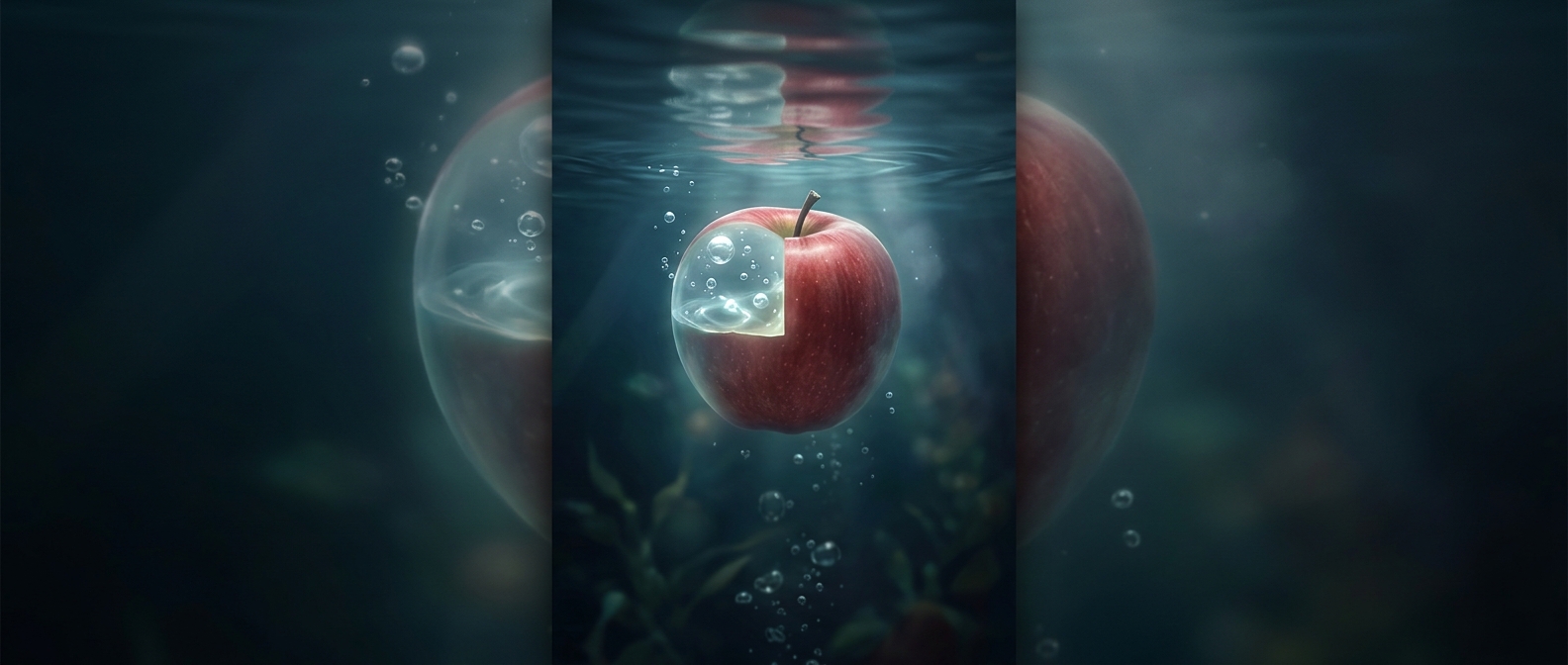
Air pockets make apples float
An apple’s flesh contains tiny air pockets between its cells, making the whole fruit less dense than water. Those pockets work a bit like the air in a life…
Discover more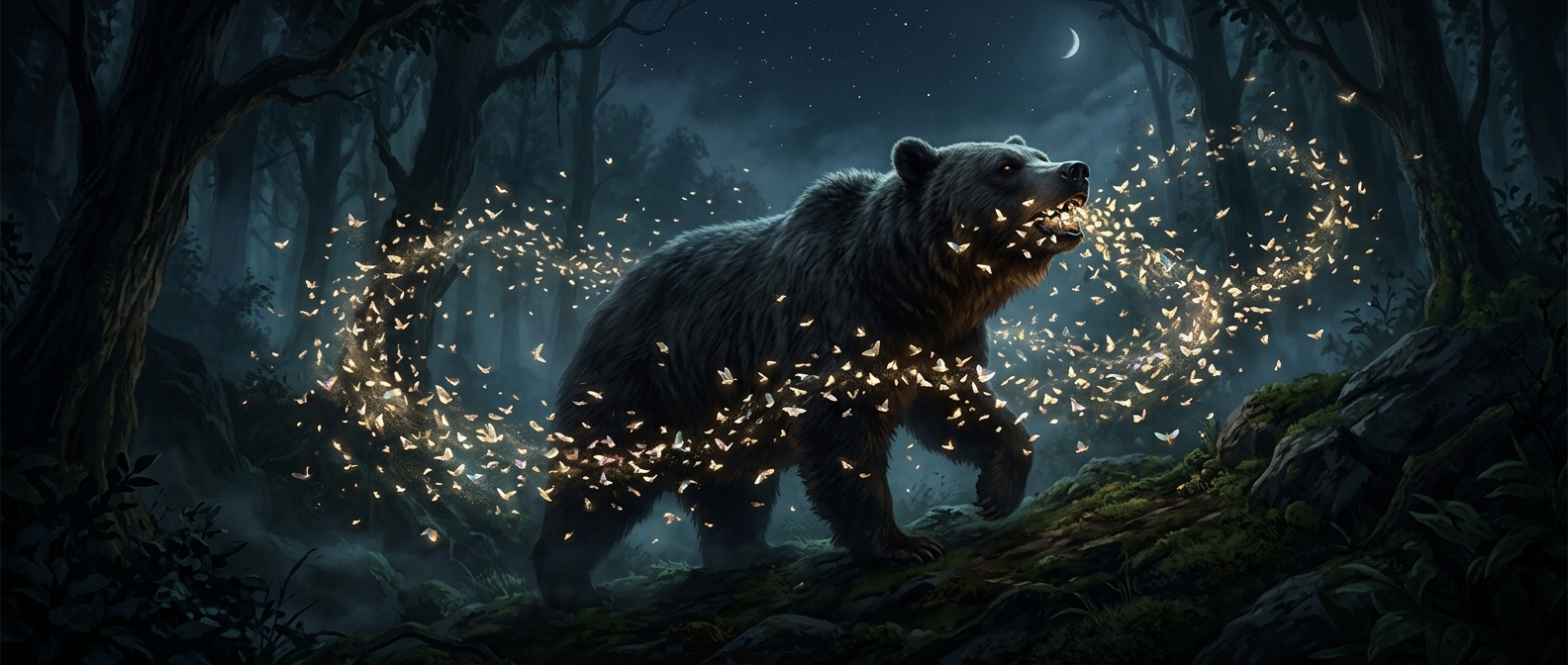
Why brown bears climb mountains for moths
Brown bears head to rocky mountain fields because moths gather there to shelter during the day. The bears dig up these clusters for a seasonal meal, turning a…
Discover more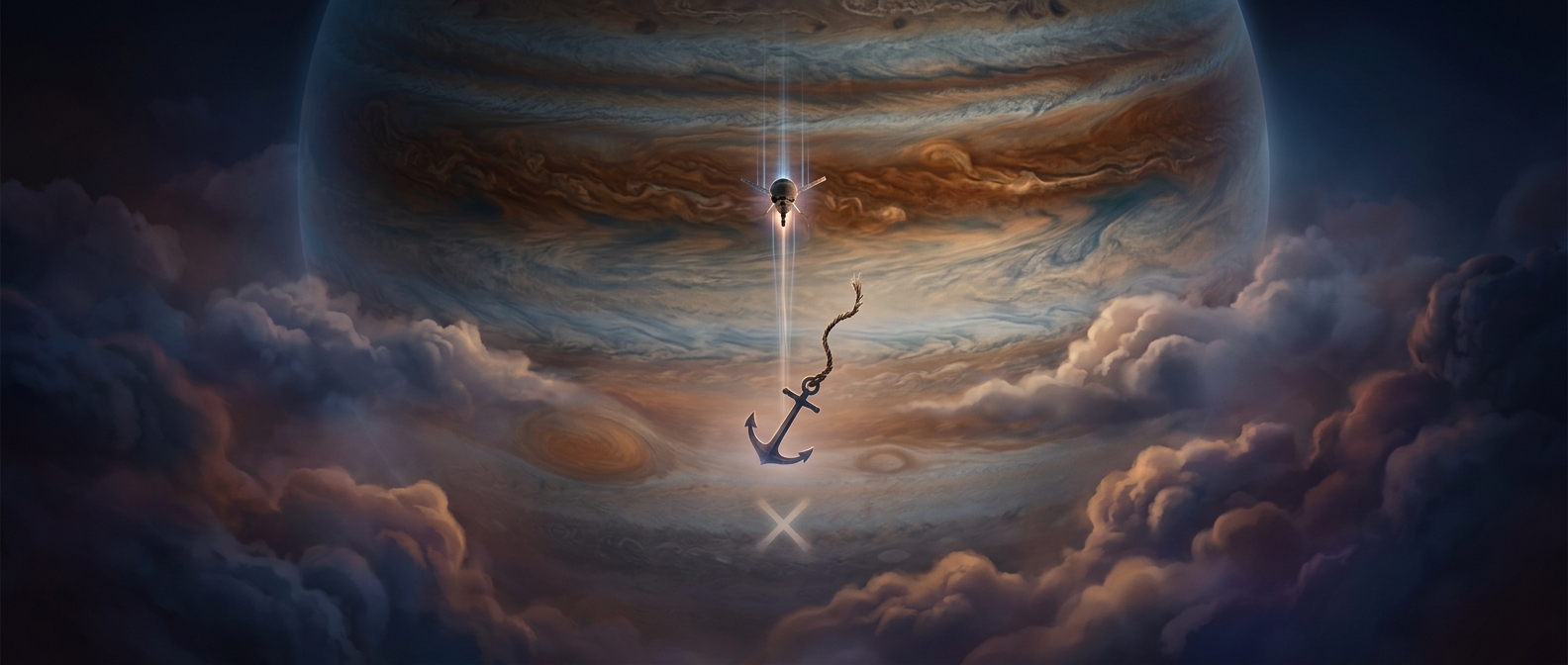
Jupiter has no solid surface to stand on
Jupiter has no clear border where its atmosphere ends and solid ground begins. Go deeper and the gas grows denser and hotter, eventually becoming exotic fluid…
Discover more
A mushroom chemical taps into the brain's serotonin system
The body converts psilocybin into psilocin, which acts on receptors normally involved in serotonin signaling. That interaction changes how brain networks…
Discover more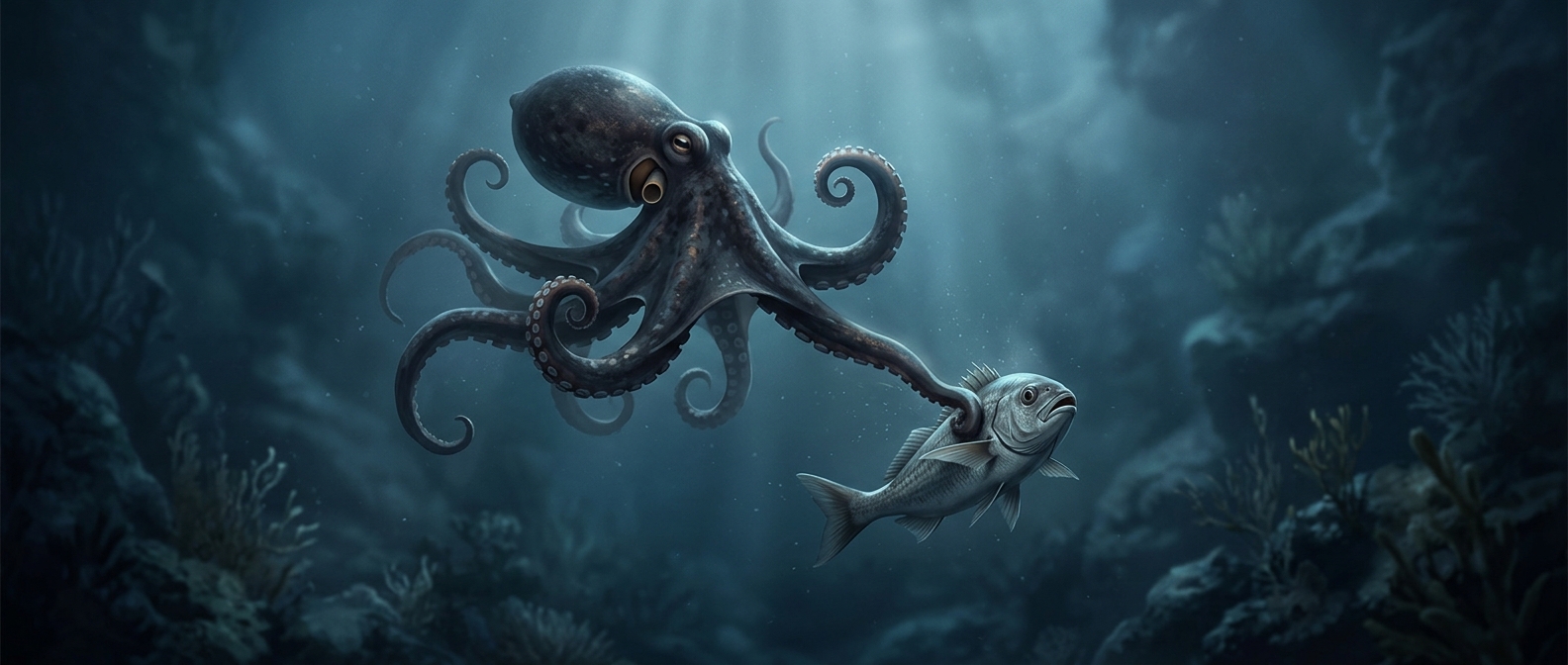
Octopuses punch fish on joint hunting trips
Fish can help locate hidden prey, but a hunting partnership also creates competition over who gets the meal. Researchers filmed octopuses striking nearby fish…
Discover more STACKY FOR IPHONE
A bigger world.
One discovery
at a time.
Keep discovering with Stacky. Interesting facts in an app that is always within reach.
Goldbach's conjecture keeps surviving without a proof
Goldbach’s conjecture says every even number greater than two can be written as the sum of two primes. A computer can check example after example, but any…
Discover more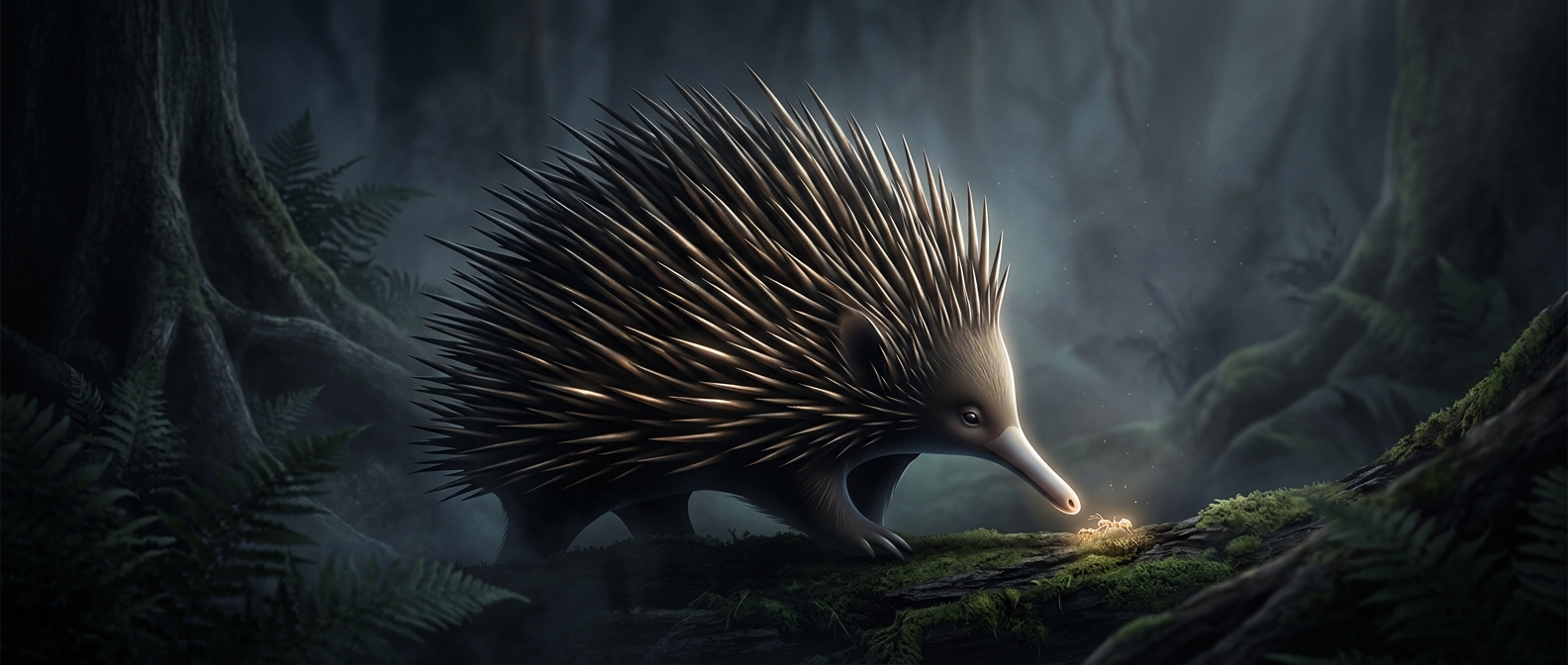
Echidnas grind insects without teeth
An echidna catches ants and termites with a long, sticky tongue, then grinds them between hard pads inside its mouth. Those pads do a tooth’s job without any…
Discover more
Capacitors release stored energy in a quick burst
A capacitor separates opposite charges onto two plates, storing energy like a spring held under tension. Connect it to a circuit and the charges can rush…
Discover more
Why comets grow tails near the Sun
Sunlight heats a comet and loosens gas and dust from its surface. Light and the solar wind—the flow of particles from the Sun—push that material away from the…
Discover more
Dunes move as sand climbs and slides down their slopes
Wind pushes loose sand up a dune's shallow face, then gravity sends it sliding down the steeper side. Repeat that small climb-and-slide, and the dune itself…
Discover more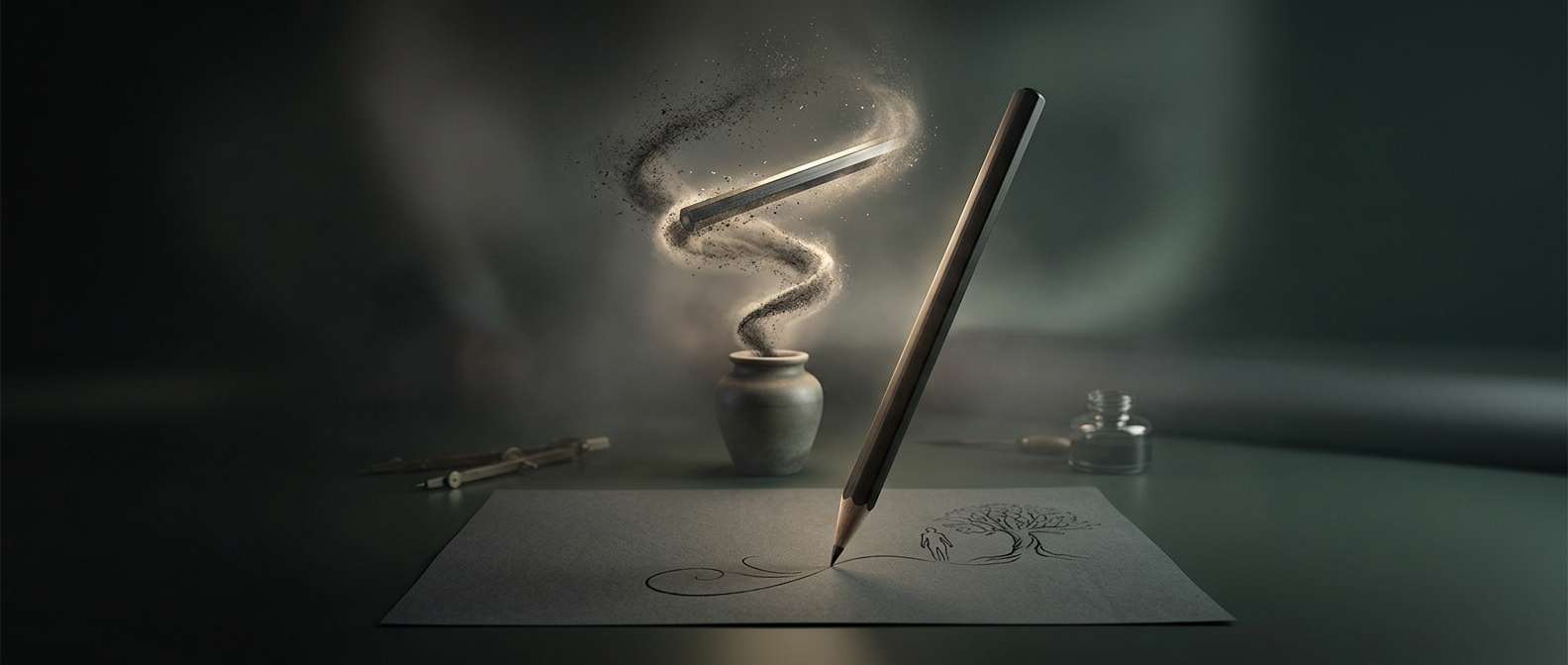
One person’s ashes could make 900 pencils
A pencil core needs graphite, but cremated remains are mostly mineral bone fragments. Any carbon that can be recovered has to be separated and converted into…
Discover more
Volcanoes can cool the planet by sending millions of tons of sulfur dioxide skyward
A volcano can cool Earth if sulfur dioxide from an eruption reaches high into the atmosphere. It forms tiny particles that reflect some sunlight back to…
Discover more
Scientists once put Iguanodon’s thumb spike on its nose
The nose horn was a fossil-era mix-up. Early remains didn’t make the spike’s position clear, so artists placed it on Iguanodon’s nose; better evidence showed…
Discover more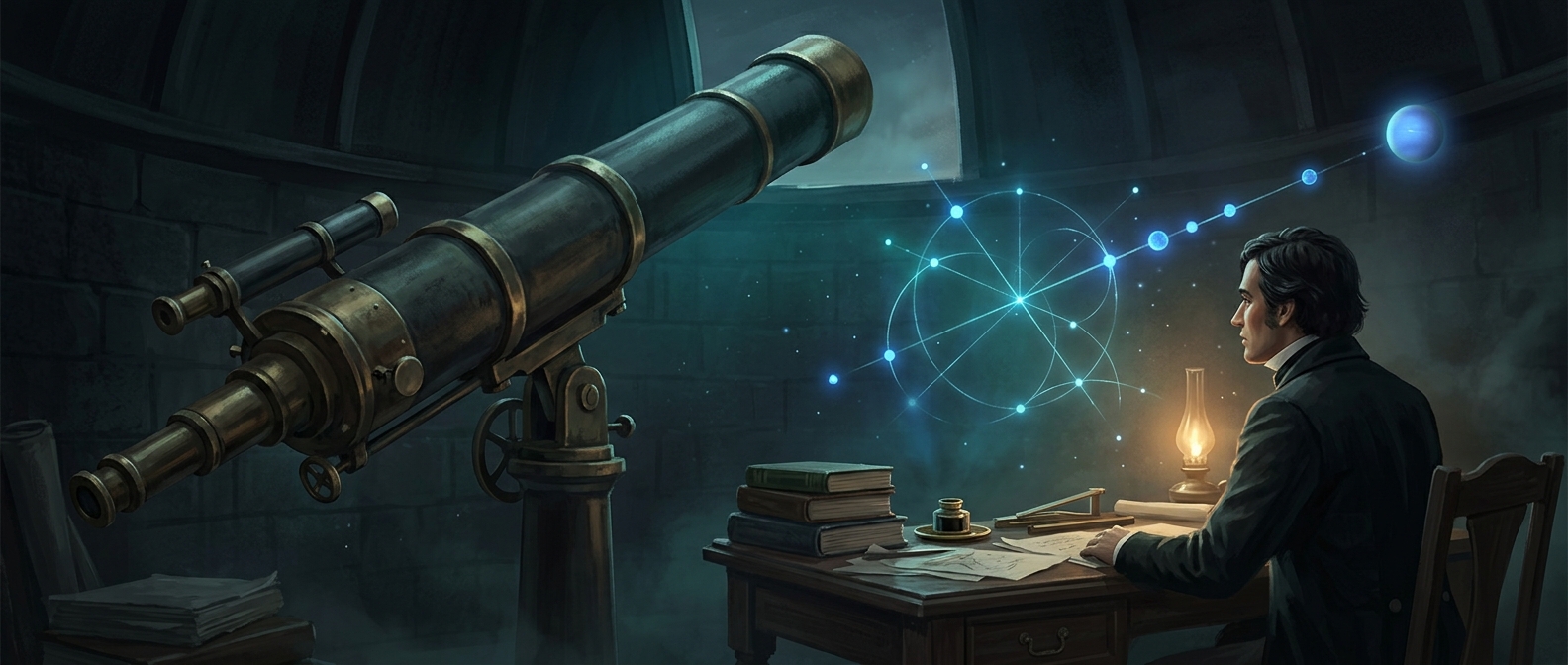
Neptune was found with math before a telescope
Neptune’s gravity was detectable before the planet itself was. Astronomers noticed Uranus moving off its expected path and worked backward to ask what unseen…
Discover more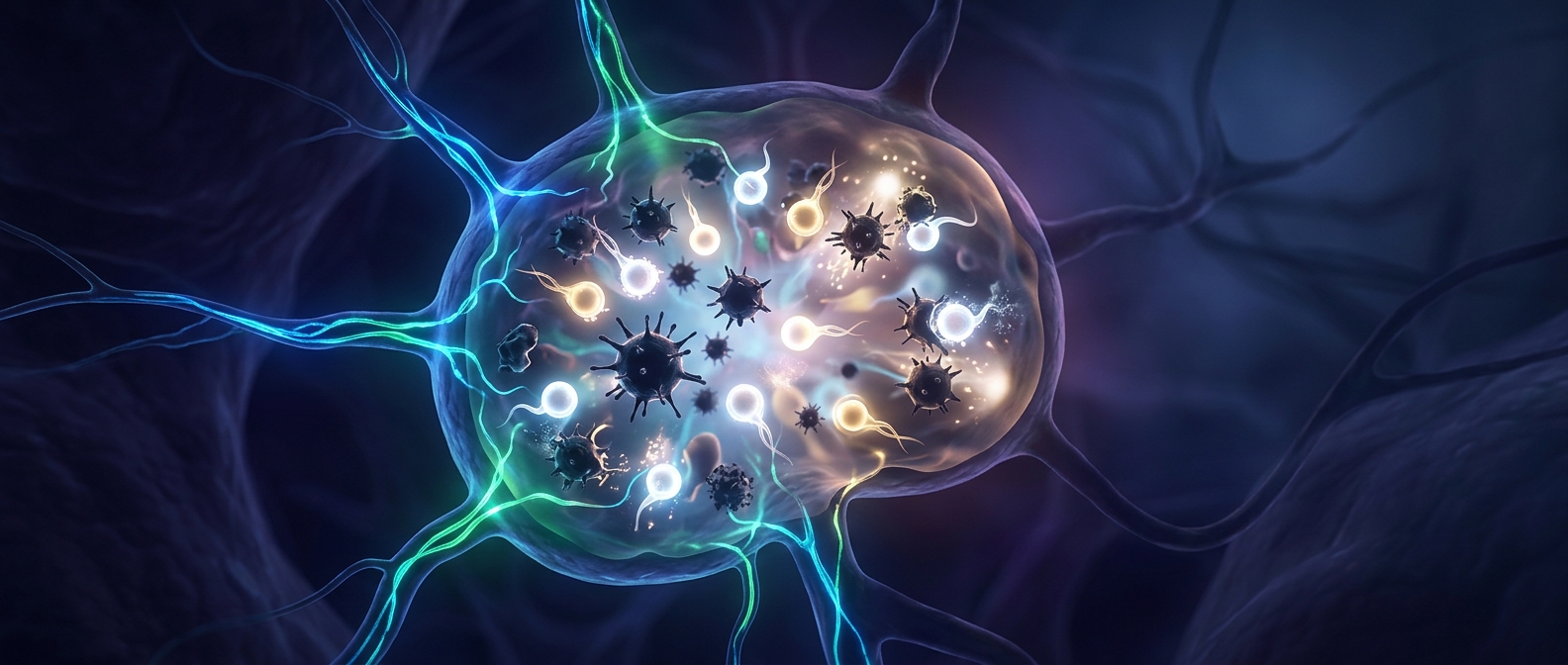
Why the glands under your jaw swell
A swollen lump under your jaw may be a lymph node reacting to an infection nearby. The node filters fluid from your mouth and face, and immune cells inside…
Discover more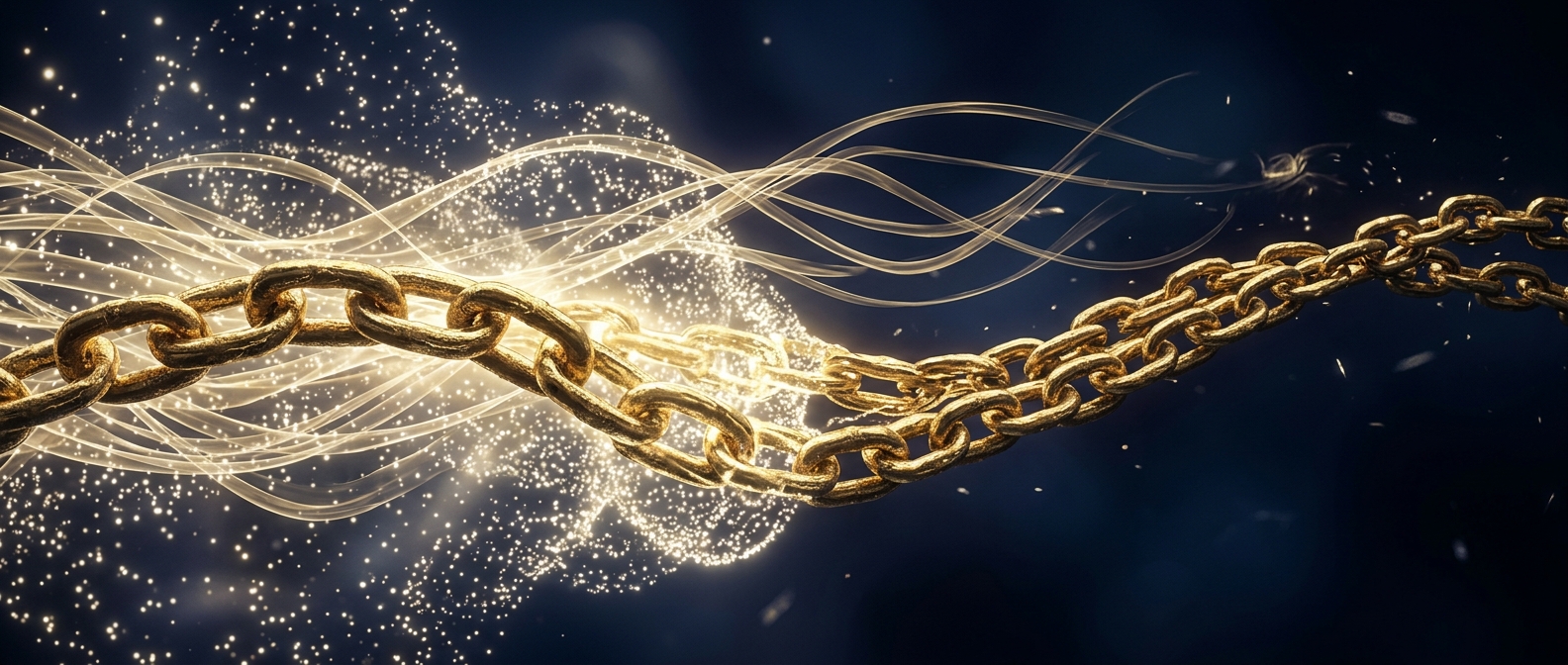
Why anything has mass at all
The Higgs field gives mass to many elementary particles, but most of the mass in everyday matter comes from a different source. Inside protons and neutrons,…
Discover more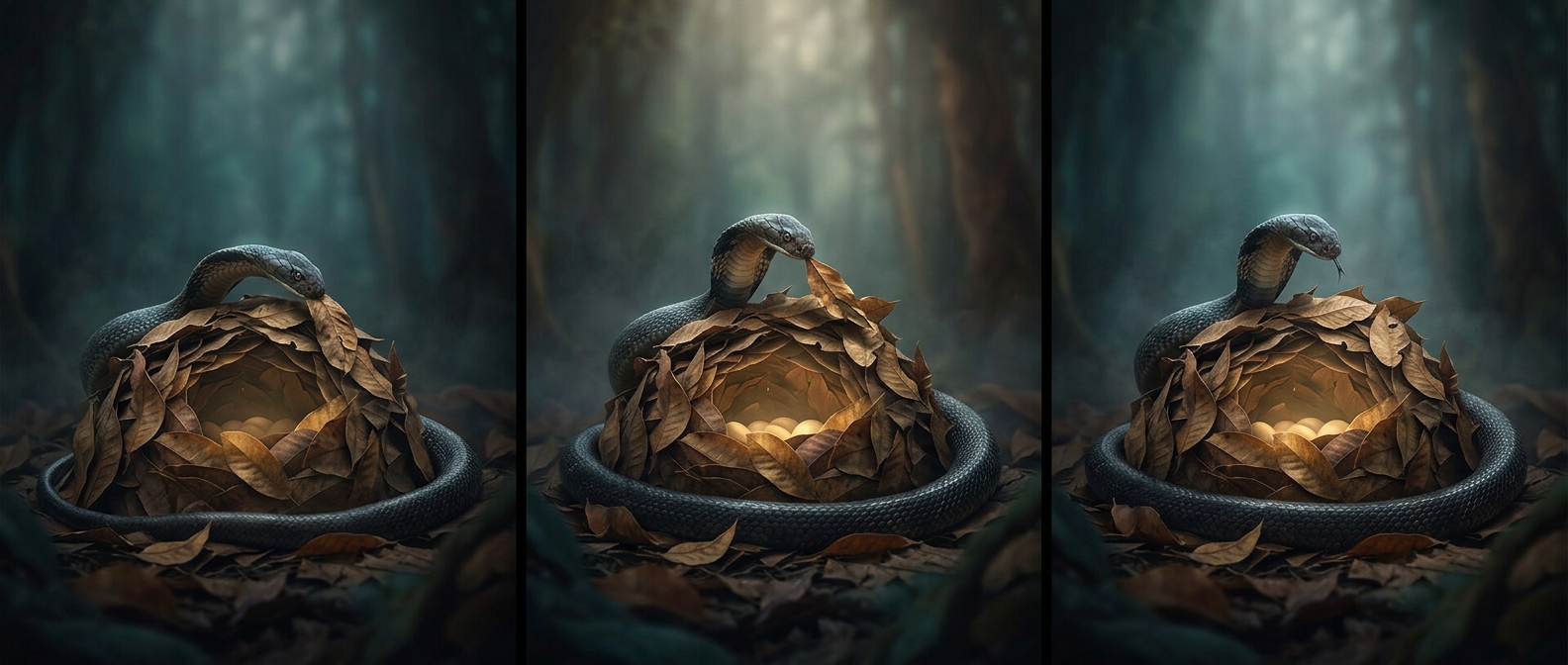
A king cobra builds her nursery without hands
The female uses her head and body to gather leaves into a nest, then lays and protects her eggs there. That makes her an unusual snake parent: she constructs…
Discover more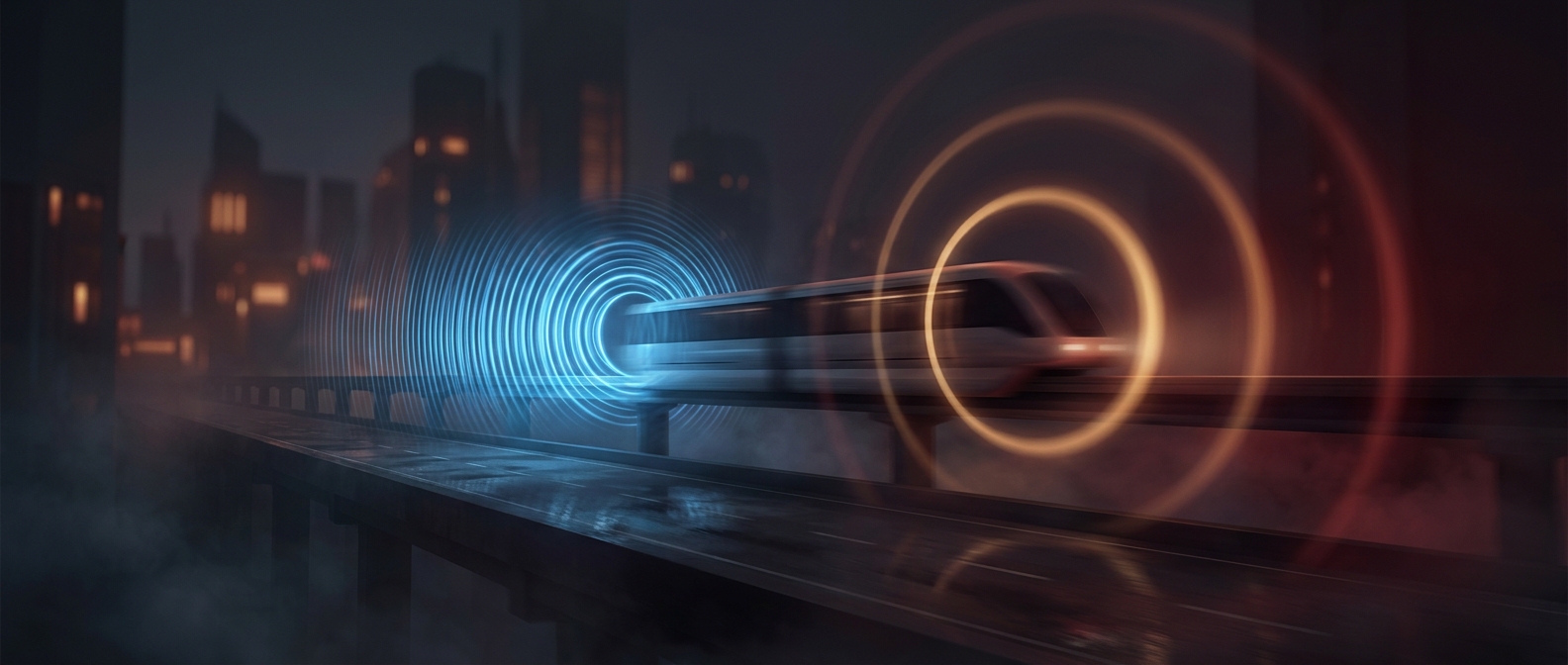
Doppler explained sound frequency changes in motion
A passing siren sounds higher as it approaches because its moving source bunches the sound waves reaching you. After it passes, the waves spread farther apart…
Discover more
Einstein explained the photoelectric effect strictly
Light comes in packets, and a metal releases electrons only when an individual packet clears an energy threshold. Raising the light’s frequency raises each…
Discover more
The finch that drinks seabird blood
When drought makes normal food and water scarce, a vampire finch can get both nutrients and moisture from seabird blood. It may also raid eggs, then switch…
Discover more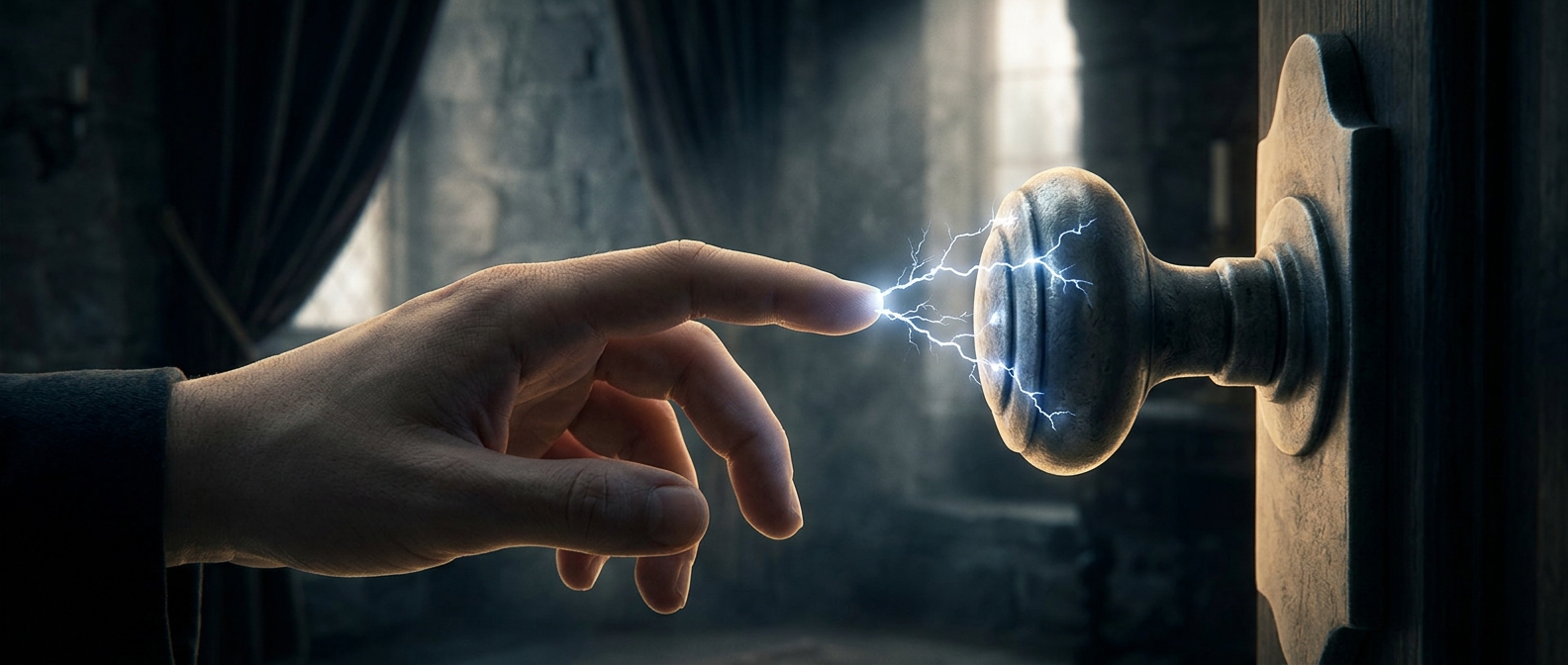
A static shock is miniature lightning
Rubbing two materials can shift electrons from one surface to the other, leaving an electrical imbalance. When the charge leaps across a small gap, it heats…
Discover more
Vector addition perfectly dictates actual travel paths
On a moving treadmill, you walk forward while the belt carries you sideways. Add those two motions and your path across the ground becomes diagonal. Vector…
Discover more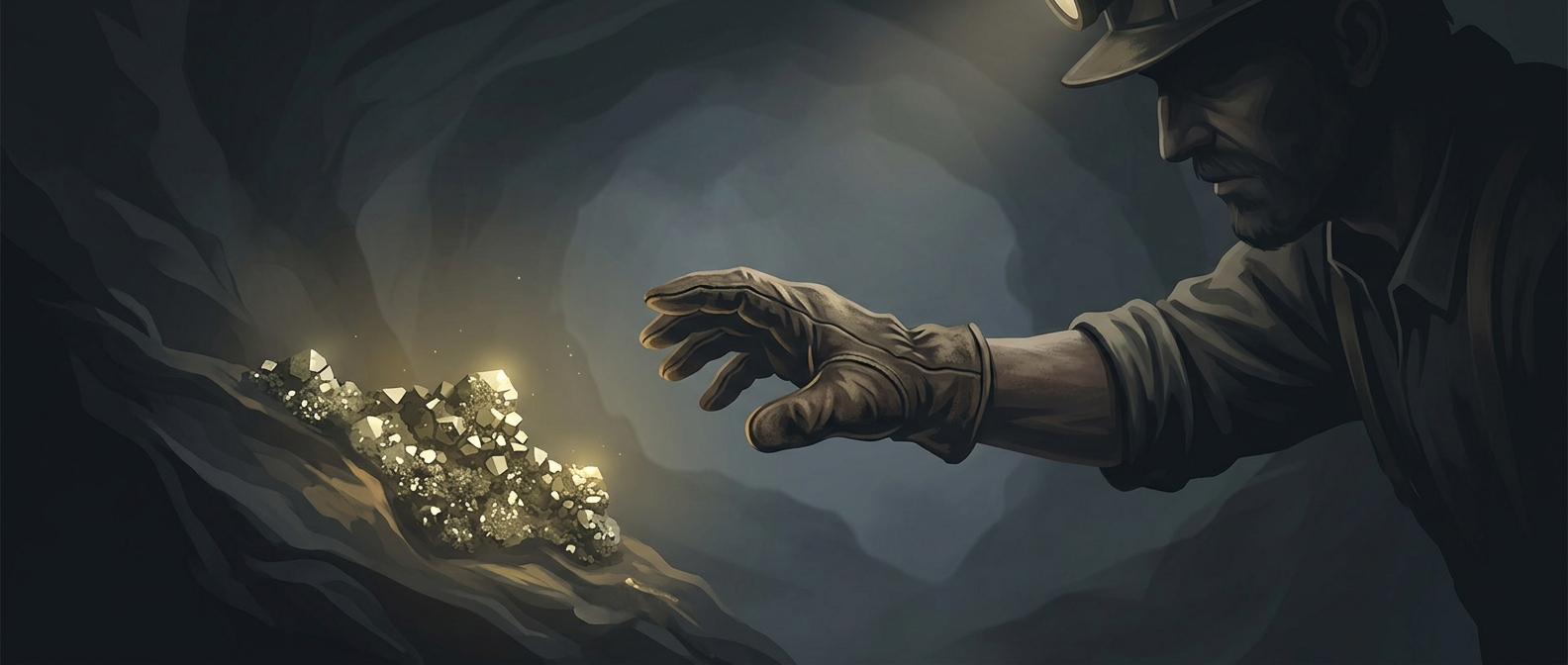
Why pyrite fools people into thinking they found gold
Pyrite can flash like gold, but grinding it reveals a darker clue: its streak is greenish-black, while gold leaves a yellow mark. Pyrite is also brittle and…
Discover more