From cremated remains to pencil graphite
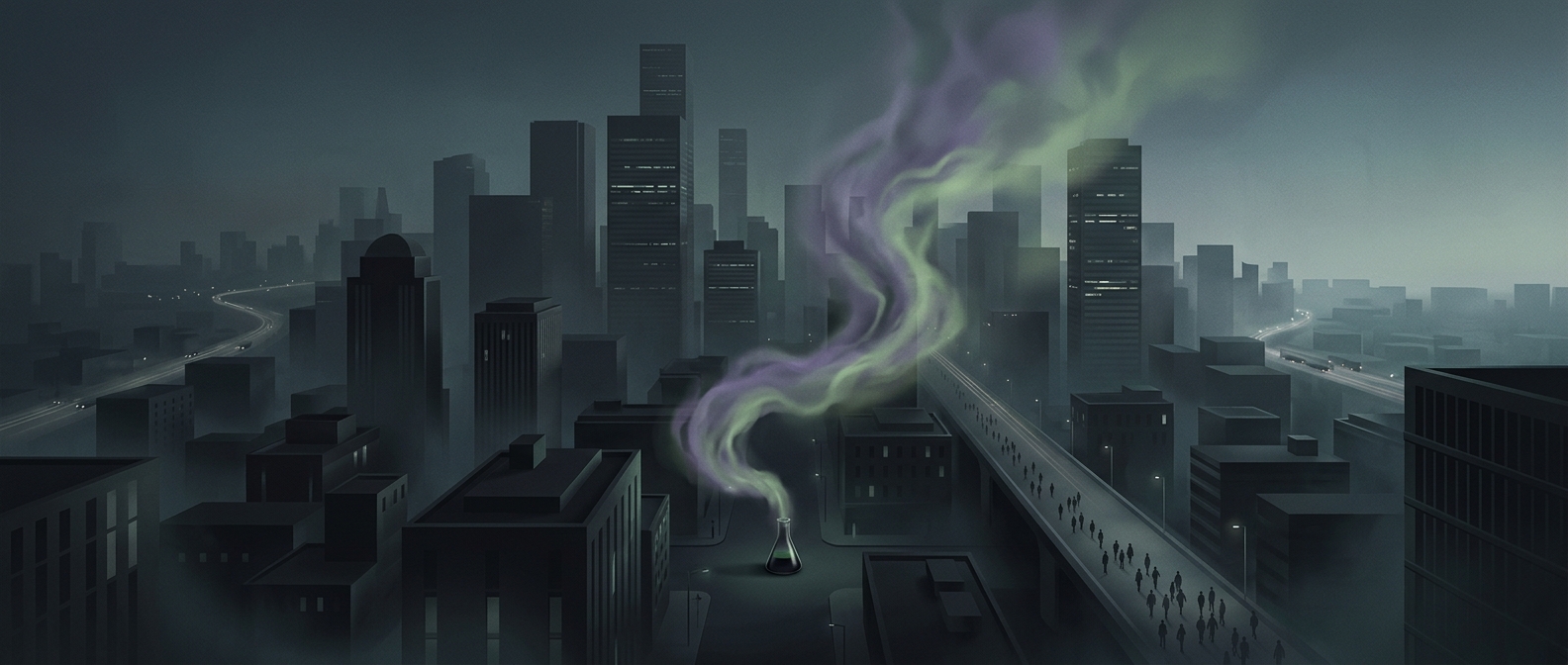
Cremated remains are not piles of carbon waiting to be shaped into pencil cores. They consist mostly of mineral bone fragments, while a pencil’s dark writing material is graphite—a form of carbon whose atoms are arranged in layers that slide across paper. Producing graphite from ashes therefore requires a transformation, not simply grinding the remains into pencil lead.
Why the yield varies
The carbon must first be recovered from material dominated by minerals, then converted into graphite suitable for a pencil core. Each step can leave some carbon behind or produce material that cannot be used. The amount available also depends on the starting remains and the efficiency of the processing, so the same input does not guarantee the same output.
That is why a figure such as 900 pencils is best understood as an estimate, not a standard yield. It describes what a particular process might produce, rather than a fixed conversion rule for every person’s ashes.
The pencil is a manufactured core
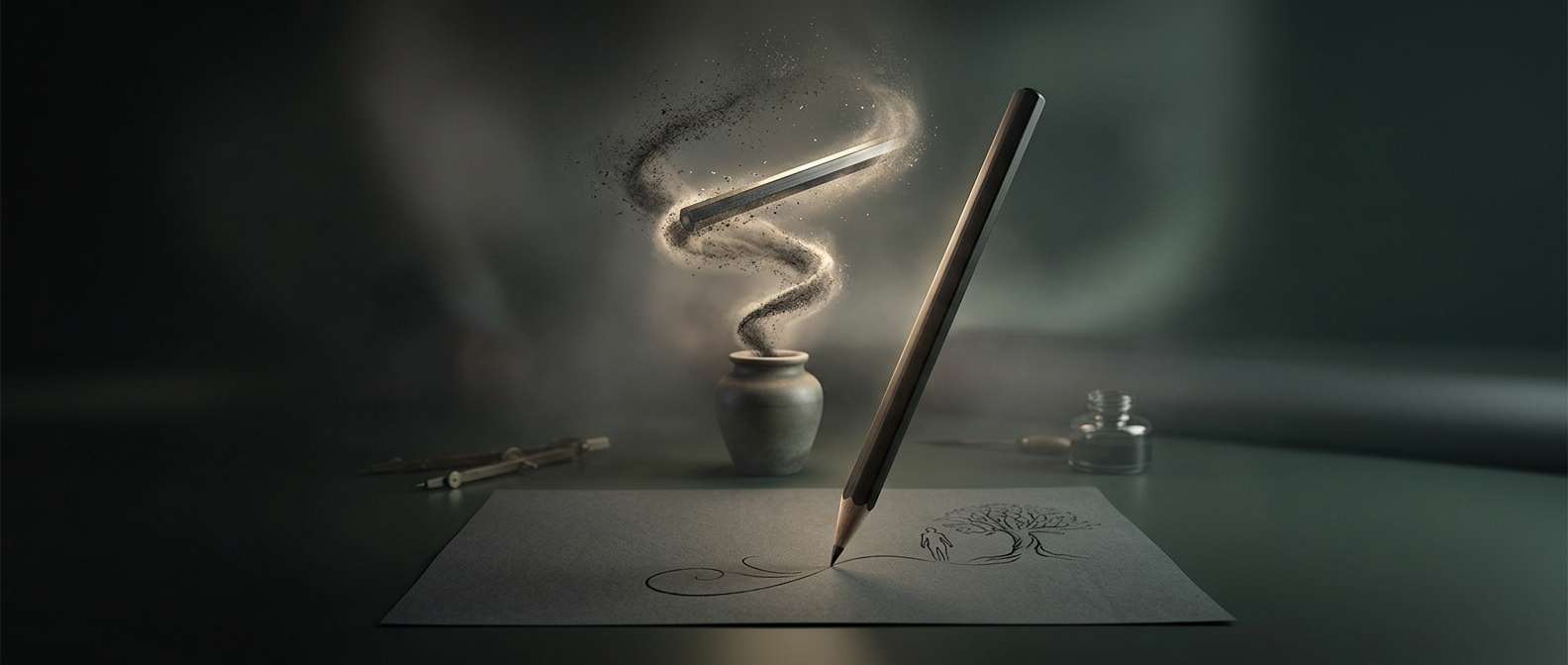
Pencil “lead” is not metallic lead. It is a formulated core made with graphite and other ingredients, shaped so it leaves a visible mark without crumbling too easily. Recovered graphite would need to work within that manufactured material; carbon alone is not automatically a usable pencil core.
The striking part of the process is its scale: a small amount of recovered carbon can be distributed across many slim cores. But the count is determined by what survives recovery and processing—and by how much graphite each pencil contains—not by the ashes alone.