How a dune moves one grain at a time
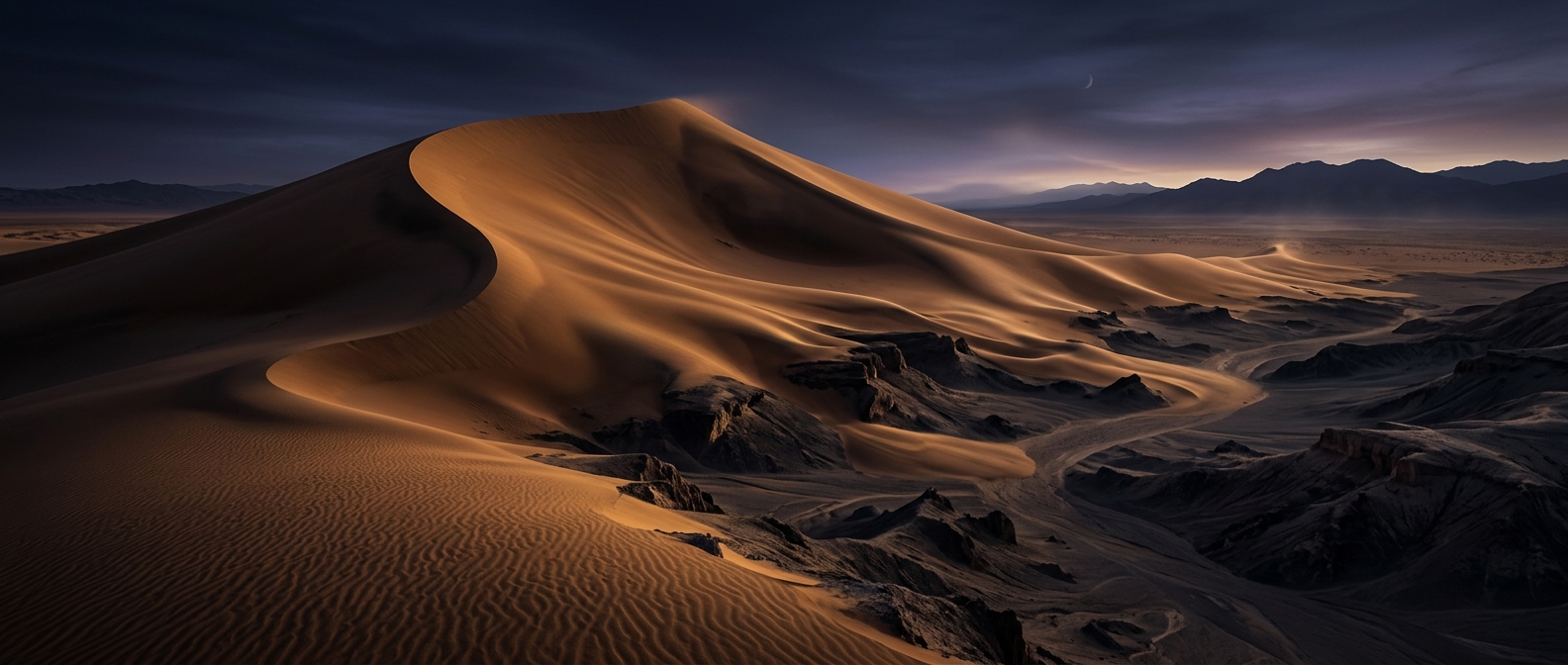
A dune can look solid, but its surface is a shifting layer of loose grains. Wind lifts or rolls sand up the gently sloping side facing the wind. Near the crest, where the airflow can no longer carry every grain onward, sand spills over. It then tumbles down the steeper slope in small slides, called avalanches.
Each slide leaves the steep face at an angle the sand can hold. When more grains gather above that face, another small avalanche carries them down. The grains move in bursts, while the dune’s overall shape advances more steadily.
Wind sets the pace; sand sets the limit
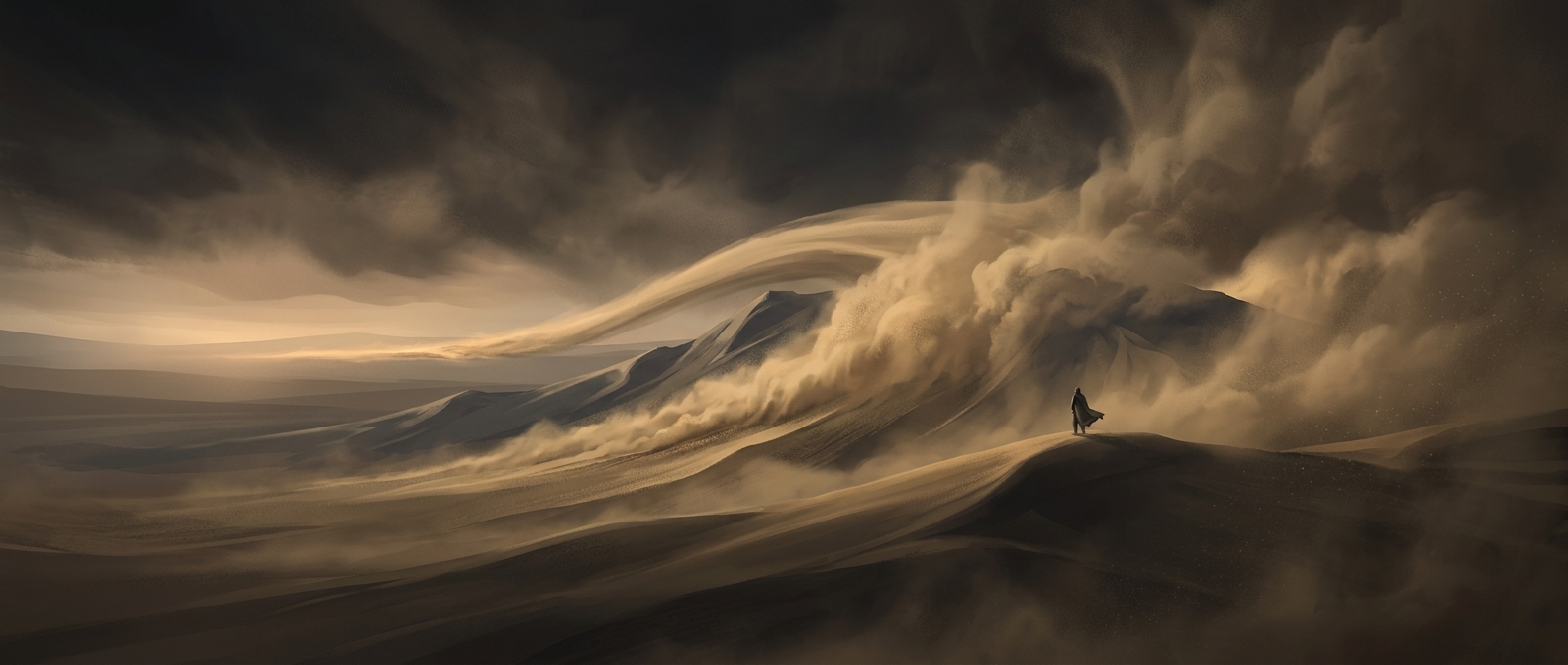
The wind does not push every grain equally. It first picks up the smallest, loosest particles; those grains can strike others and knock them into motion. Once moving, grains may travel briefly through the air or hop along the surface, helping redistribute sand. The dune shifts only when enough sand is moved from its windward side and deposited beyond the crest.
Its shape and surroundings affect that balance. A change in wind direction can alter where sand accumulates, while plants, rocks, or other obstacles can slow it by trapping grains. If the wind carries sand away faster than new material arrives, the dune may shrink instead of simply migrating intact.
A moving landscape, not a moving mass
As a dune travels downwind, its grains continually trade places: sand exposed on one side may eventually become buried, then emerge elsewhere. The hill is therefore less like a block sliding across the ground than a pattern maintained by moving material. That distinction explains how a dune can reshape a barren landscape without any single grain making the whole journey. Its apparent motion is the visible result of countless small transfers, repeated whenever wind and loose sand meet.