How a moving plate makes a volcanic trail
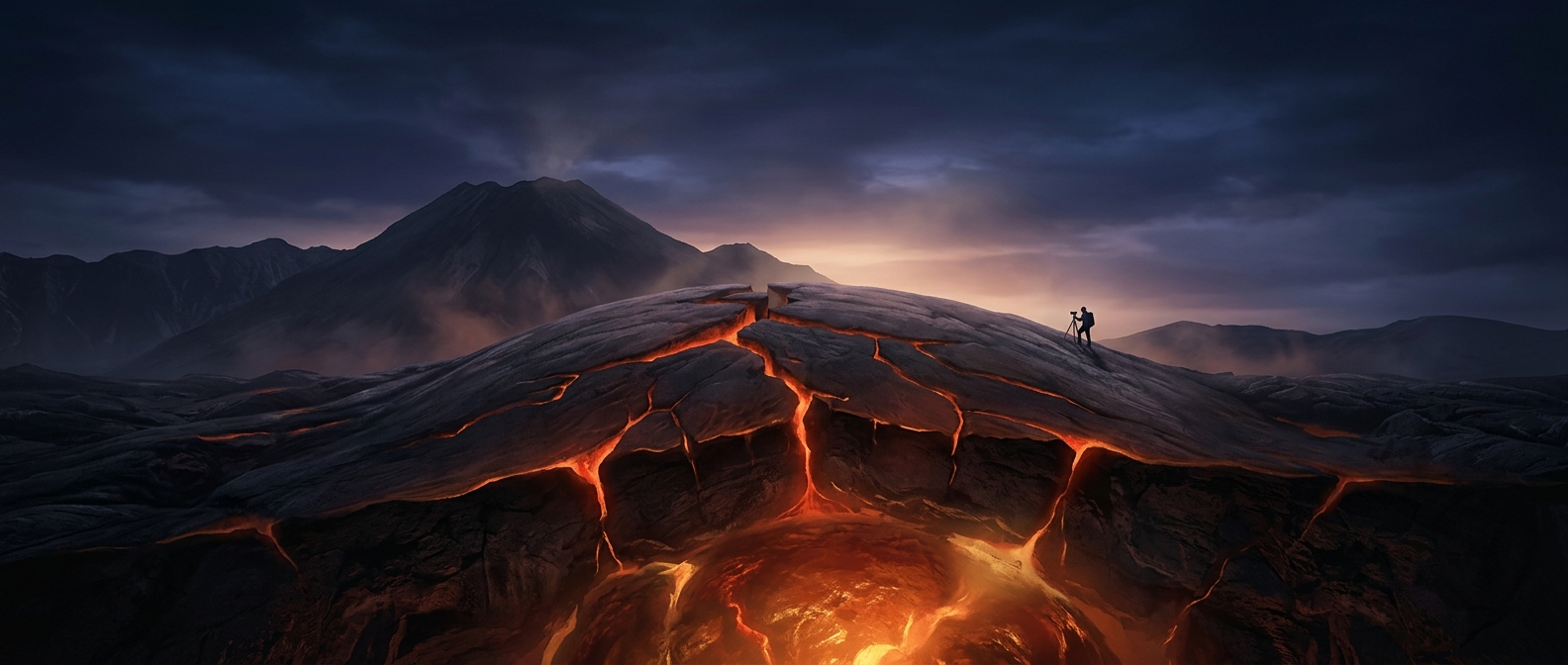
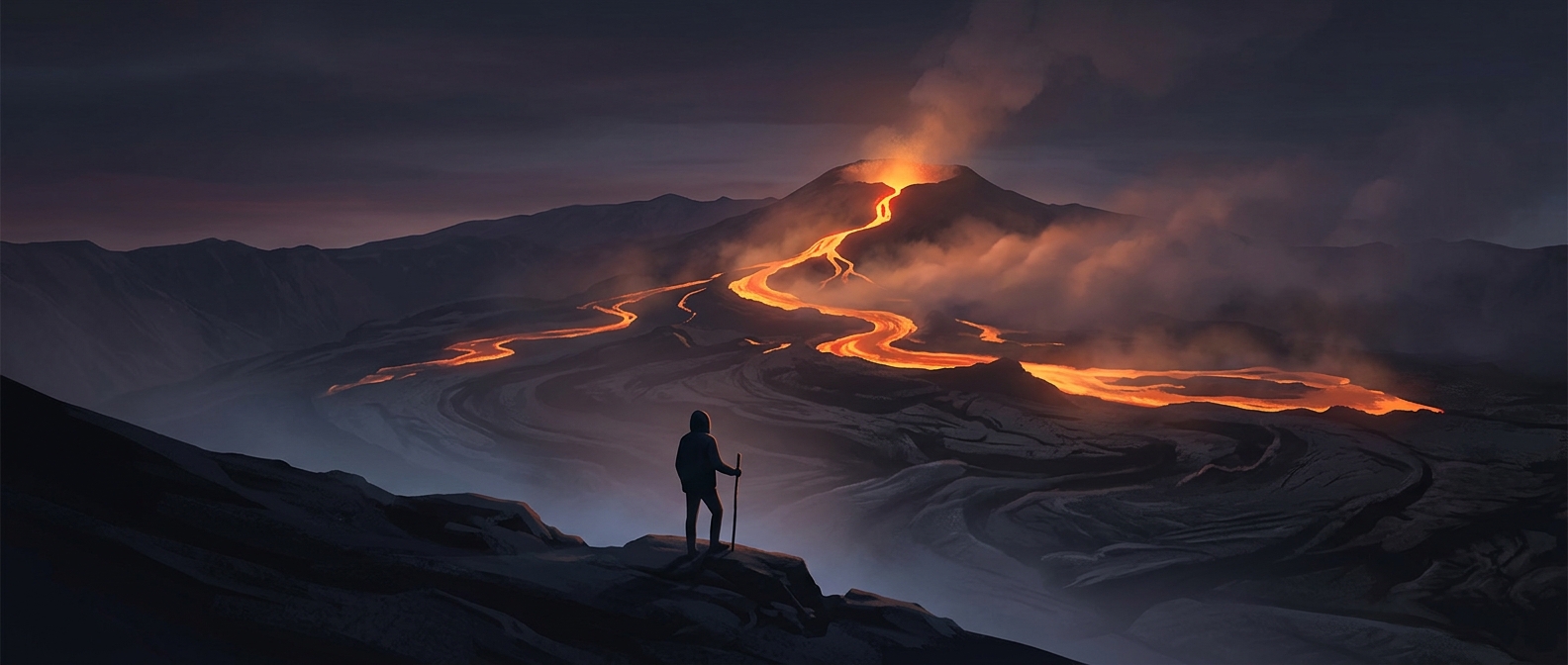
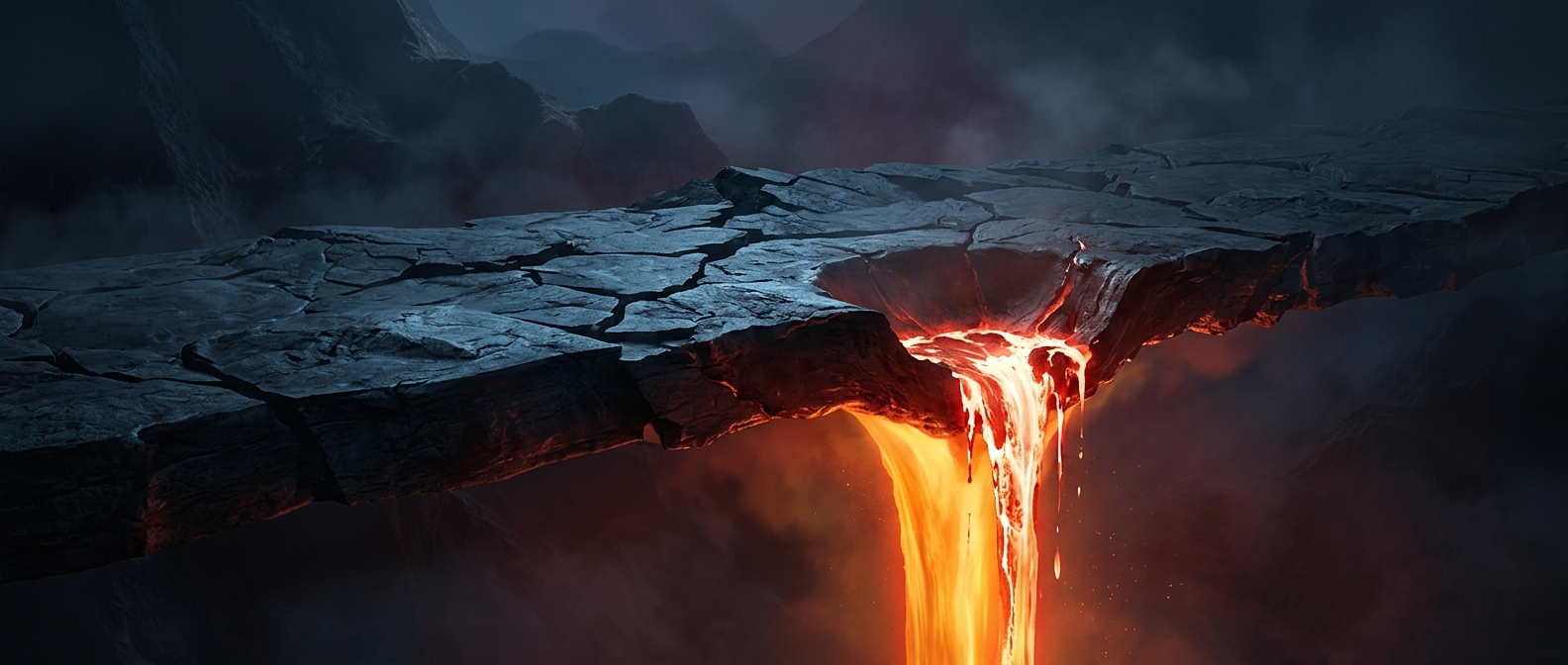
A mantle plume is an upwelling of unusually hot rock from deep inside Earth. When it reaches the base of the rigid outer shell, called the lithosphere, some of that rock melts as pressure drops. The molten rock can rise through cracks and build a volcano on the seafloor or on land.
The plume is not a literal torch, and it is not perfectly fixed. But compared with the tectonic plate above it, the heat source can remain in roughly the same place for a long time. The plate’s movement then shifts each volcano away from the plume that formed it.
Volcanoes become a record of motion
While a volcano sits over the plume, it can keep growing. As the plate carries it onward, its supply of plume-fed magma dwindles; meanwhile, a younger volcano may begin forming above the heat source. Over millions of years, this process can produce a chain of volcanoes, with the youngest near the active hot spot and older ones farther away.
Scientists can estimate the ages of volcanic rocks and compare them with the chain’s orientation. That combination helps reveal the plate’s direction and speed of travel. A bend in the chain can indicate that the plate’s motion changed—or that the plume itself shifted—so the trail is evidence to interpret, not a perfectly simple track.
The trail has a limit
The pattern works best when the plume persists and the plate moves steadily enough to leave a readable sequence. It also explains why a volcano can become extinct without its magma system simply “switching off”: the moving plate has taken it away from the heat source. The island or seamount left behind is, in effect, a marker of where the plate once passed over deep heat.