Why a mineral can split cleanly in one direction
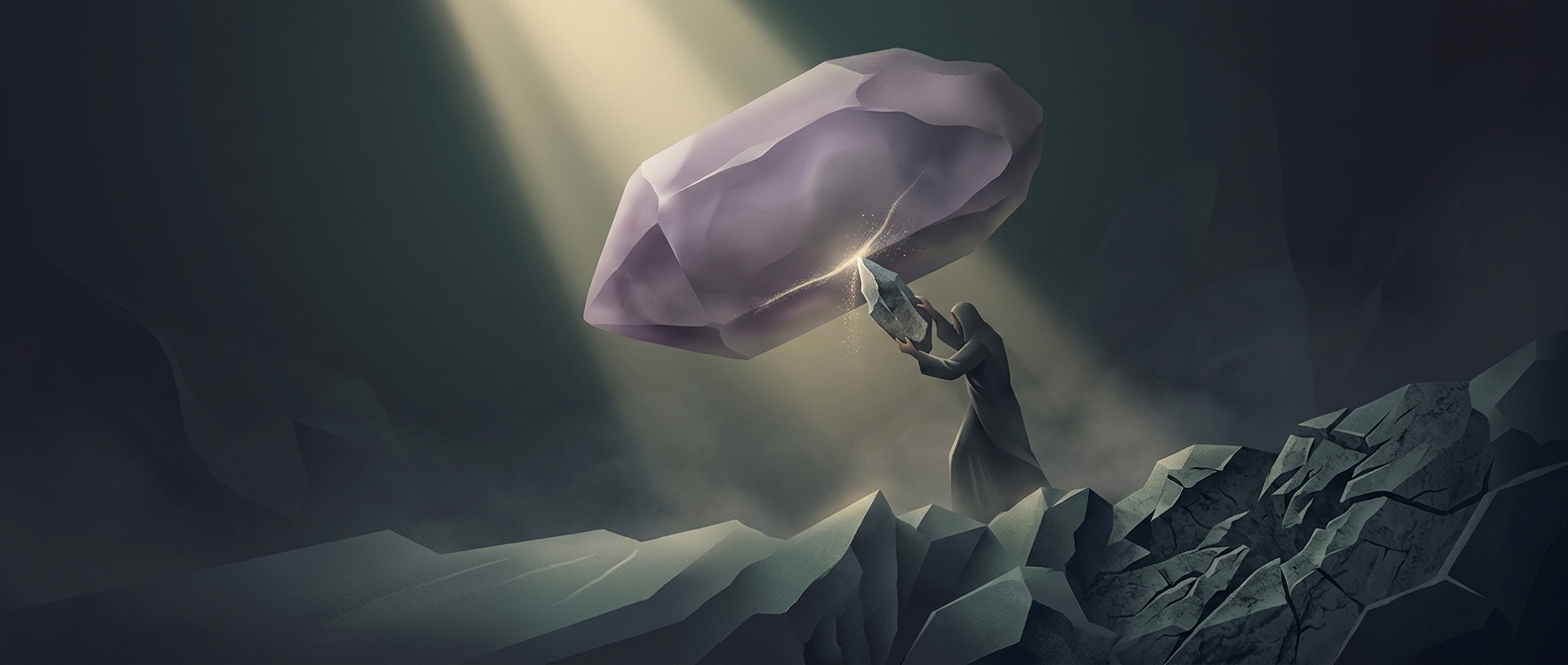
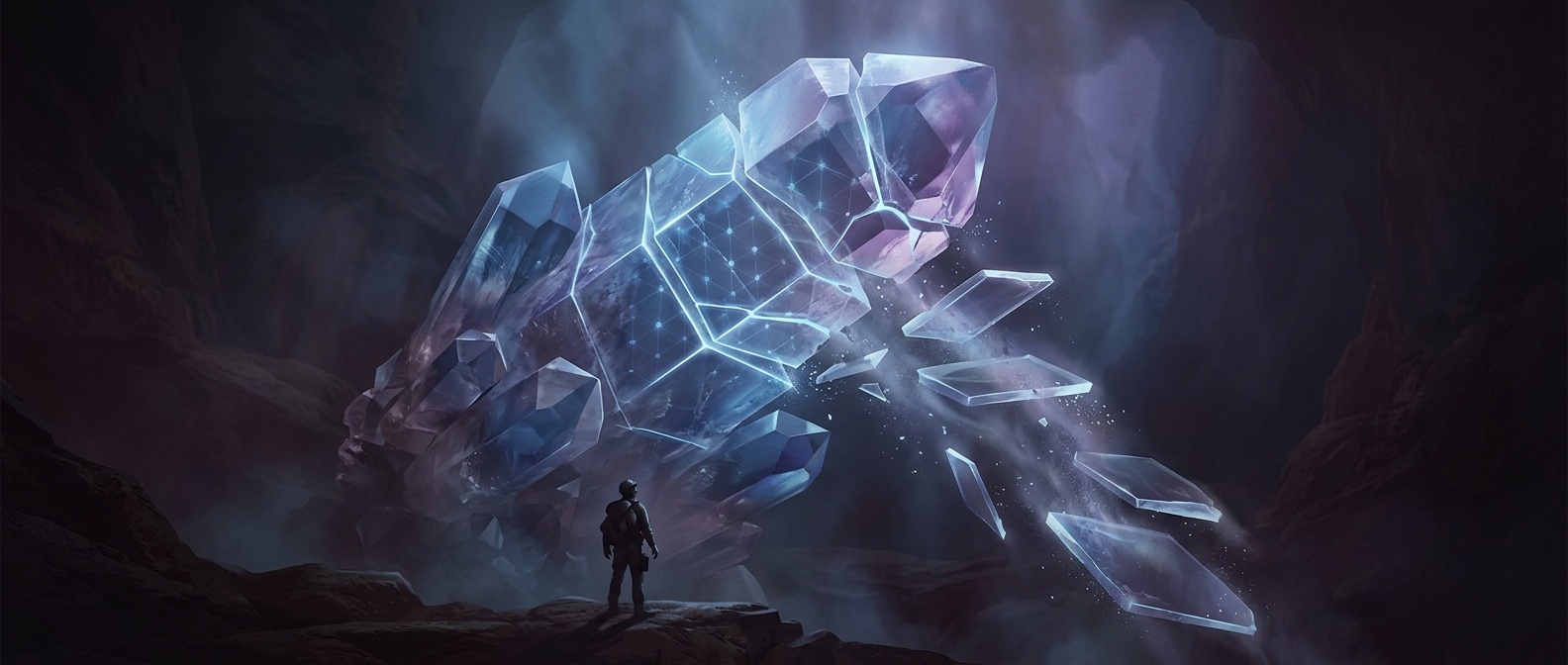
A crystal is not an equally bonded lump. Its atoms repeat in an orderly pattern, and the bonds between neighboring atoms can differ in strength depending on direction. A cleavage plane is a flat route through that pattern where the crystal is easier to separate than to break across it.
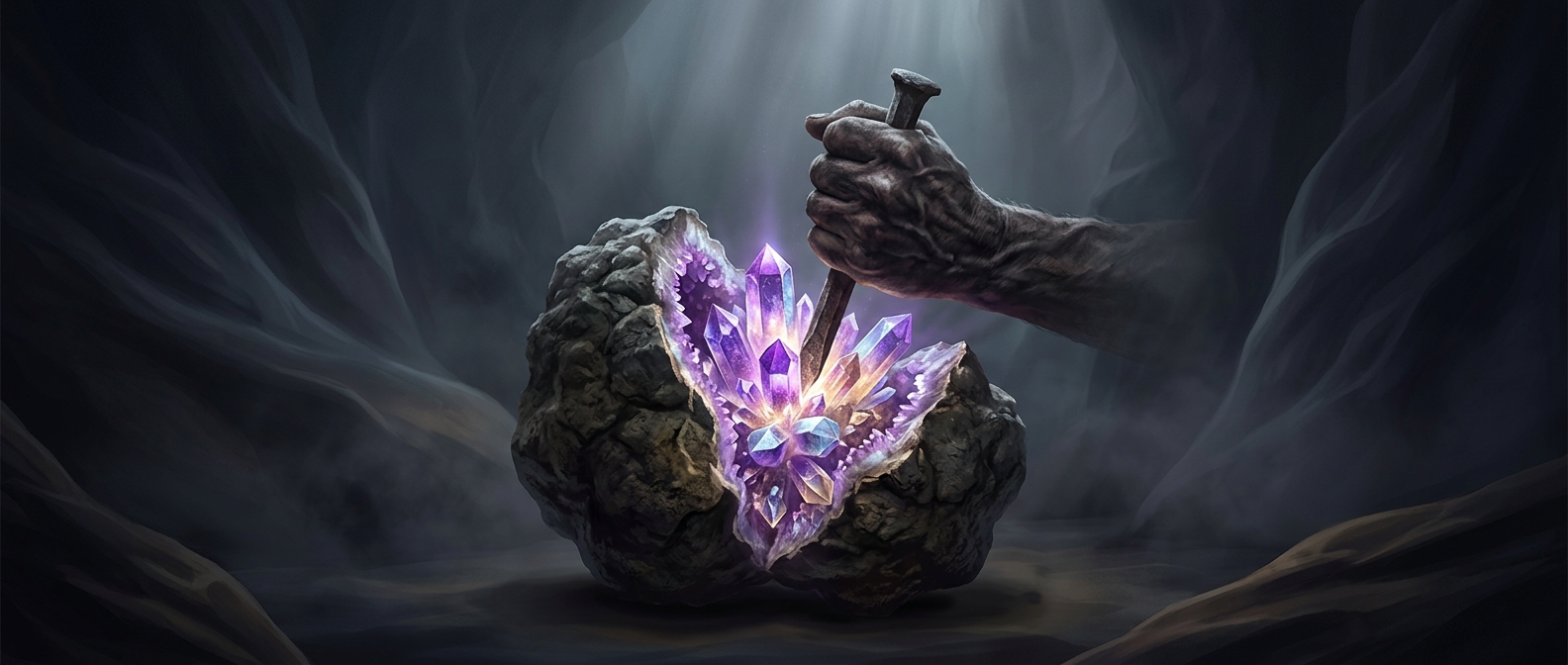
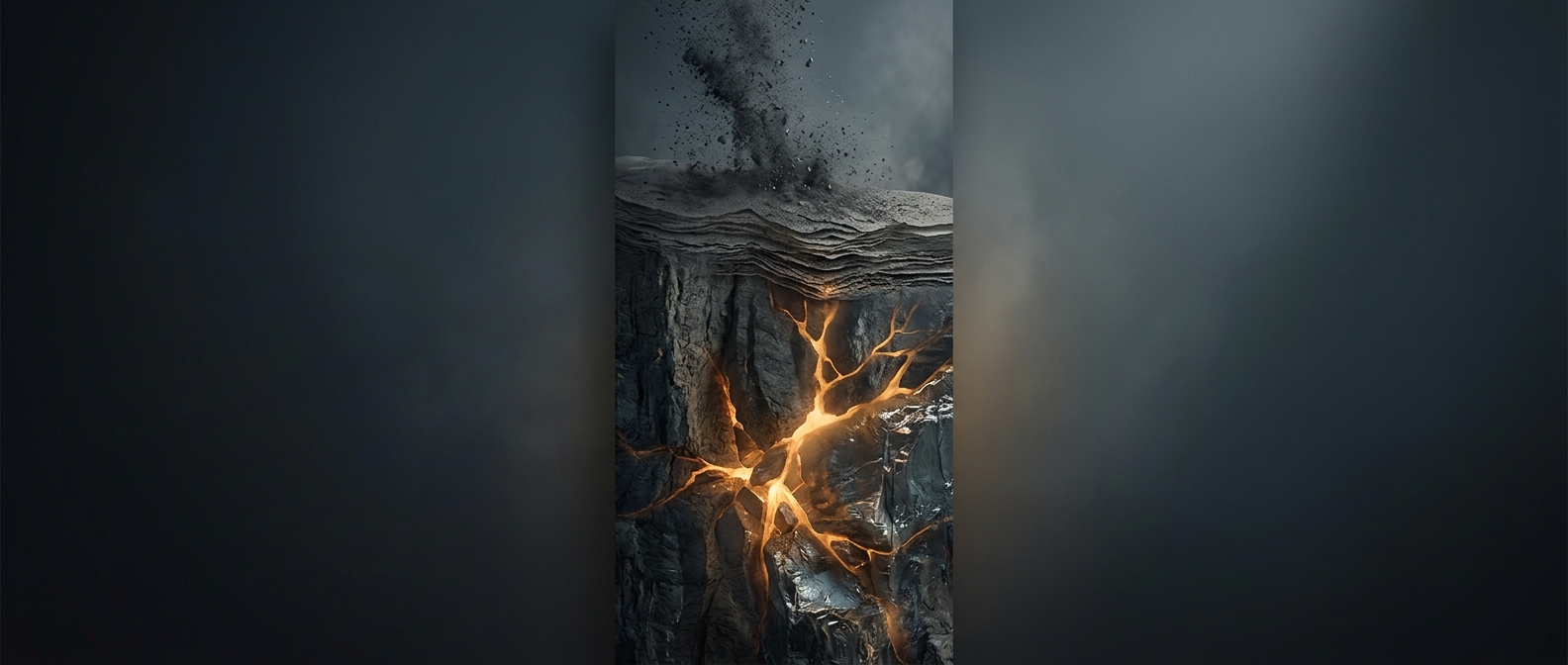
When a force reaches the mineral, cracks tend to follow these weaker routes. The mineral may resist scratching or crushing in some circumstances yet still split readily along a particular plane. Cleavage describes this directional breakage, not simply how soft or fragile a mineral is.
From atomic bonds to visible shapes
In mica, atoms are held together strongly within broad sheets but more weakly between them. A crack can travel between those layers, allowing a piece to peel into thin, flat sheets. In galena, weak directions intersect at right angles, so breaks can expose flat faces and produce cube-like fragments.
The shape is not a tiny model of every atom; it is the visible result of cracks following the crystal’s internal structure. Minerals with several cleavage directions can form characteristic angles and faces, while a mineral without easy cleavage may break unevenly instead.
A fracture becomes a clue
Geologists examine fresh breaks alongside other properties because cleavage can help distinguish minerals that look similar. The key is the repeated pattern: smooth, flat surfaces in consistent directions suggest the crystal is parting along planes built into its atomic arrangement.
A small fragment can therefore reveal something hidden inside a solid. Its faces record where the crystal’s structure made breaking easiest.