How loose ash becomes tuff
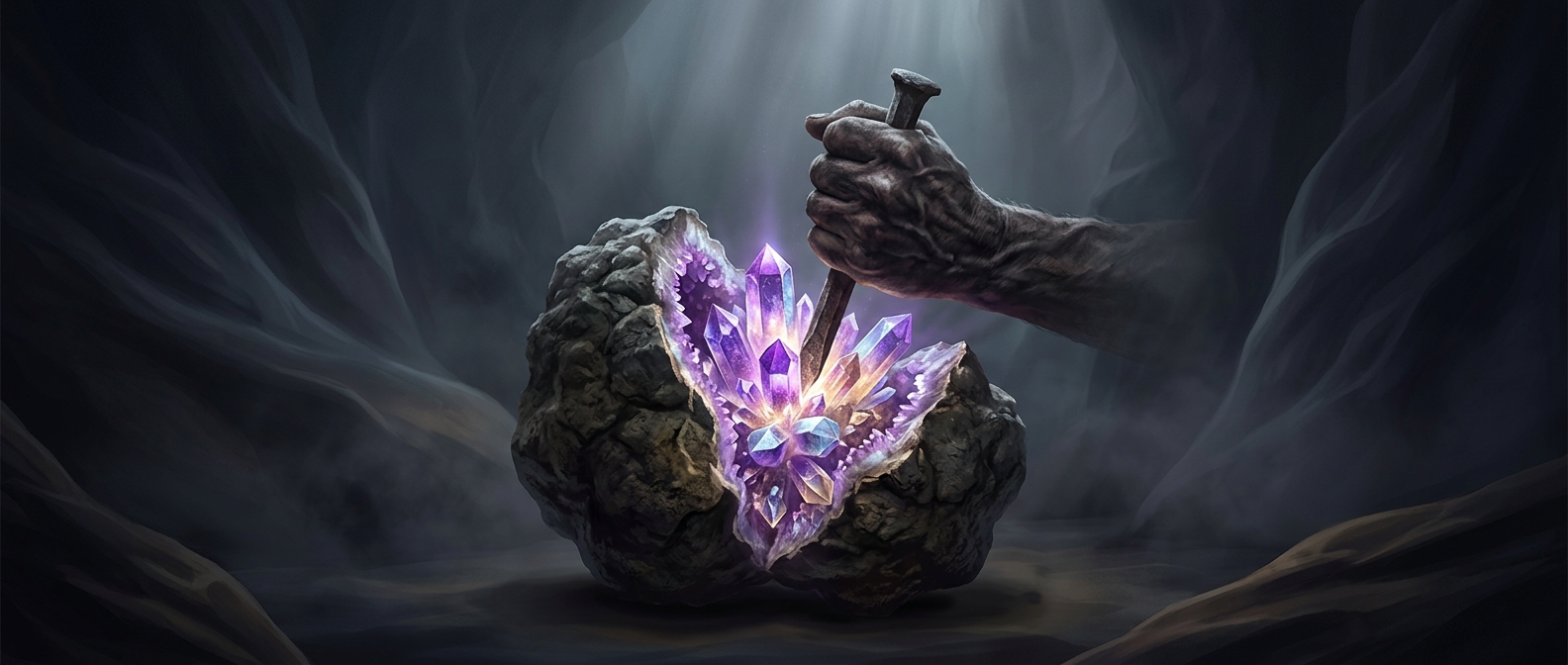
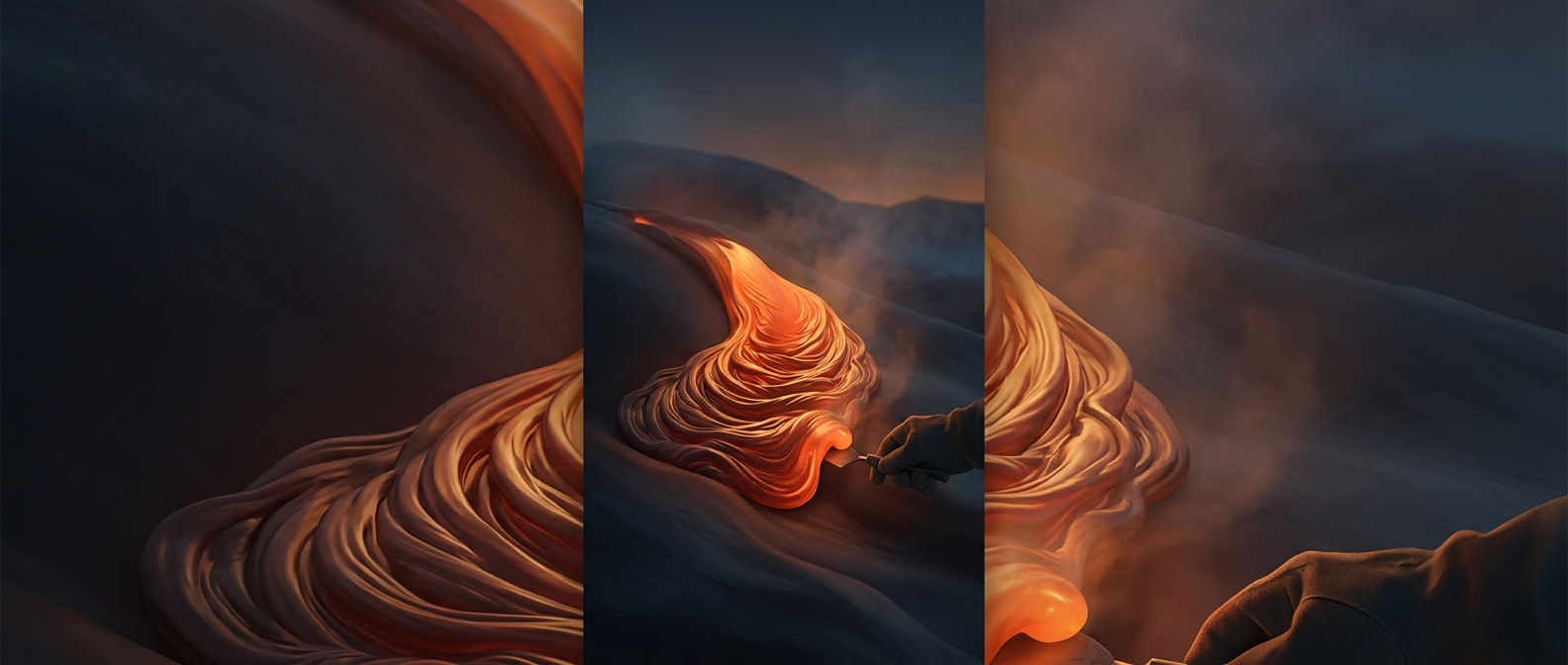
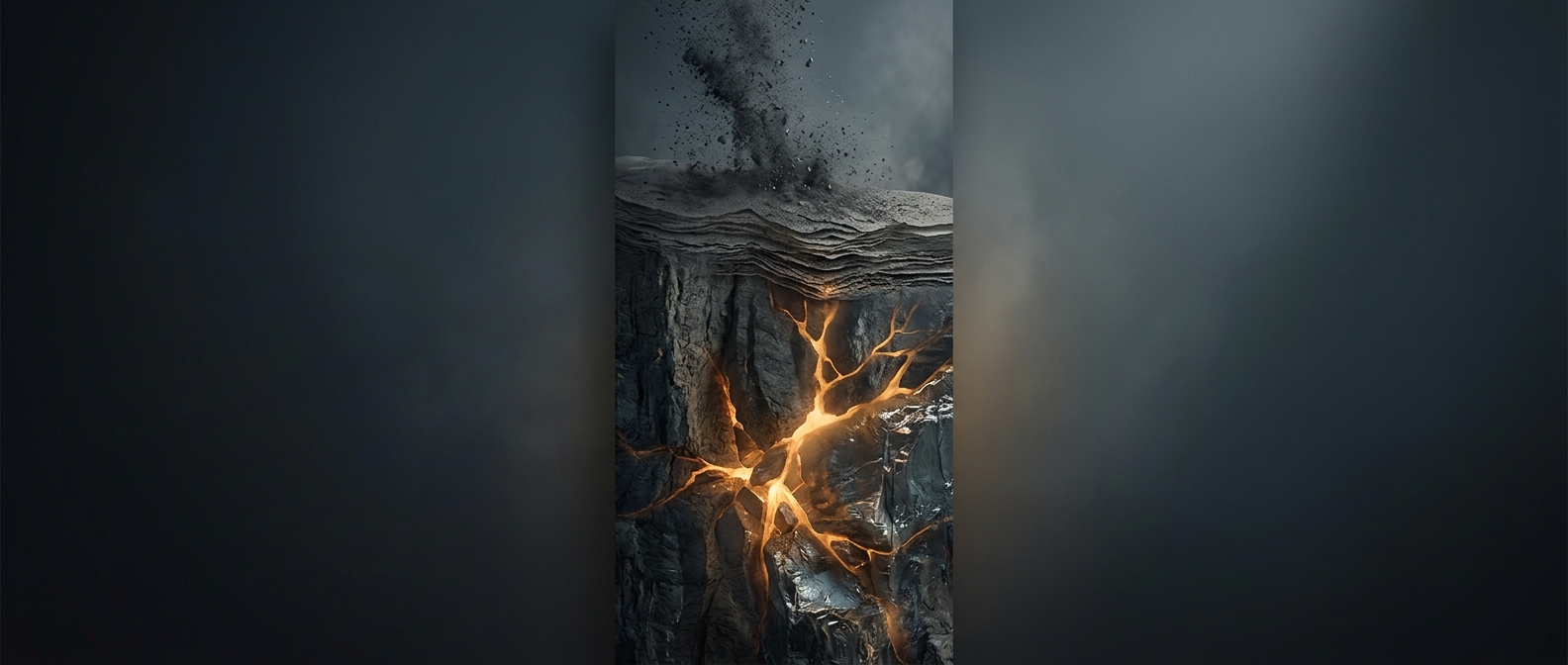
A fresh ash deposit is a jumble of tiny volcanic-glass shards and rock fragments, with open spaces between them. Rainwater and groundwater seep through those spaces, carrying dissolved substances and reacting with the glass. As the ash alters, minerals can dissolve from the grains and later crystallize in the pores. These crystals form bridges between neighboring particles—the geological equivalent of cement.
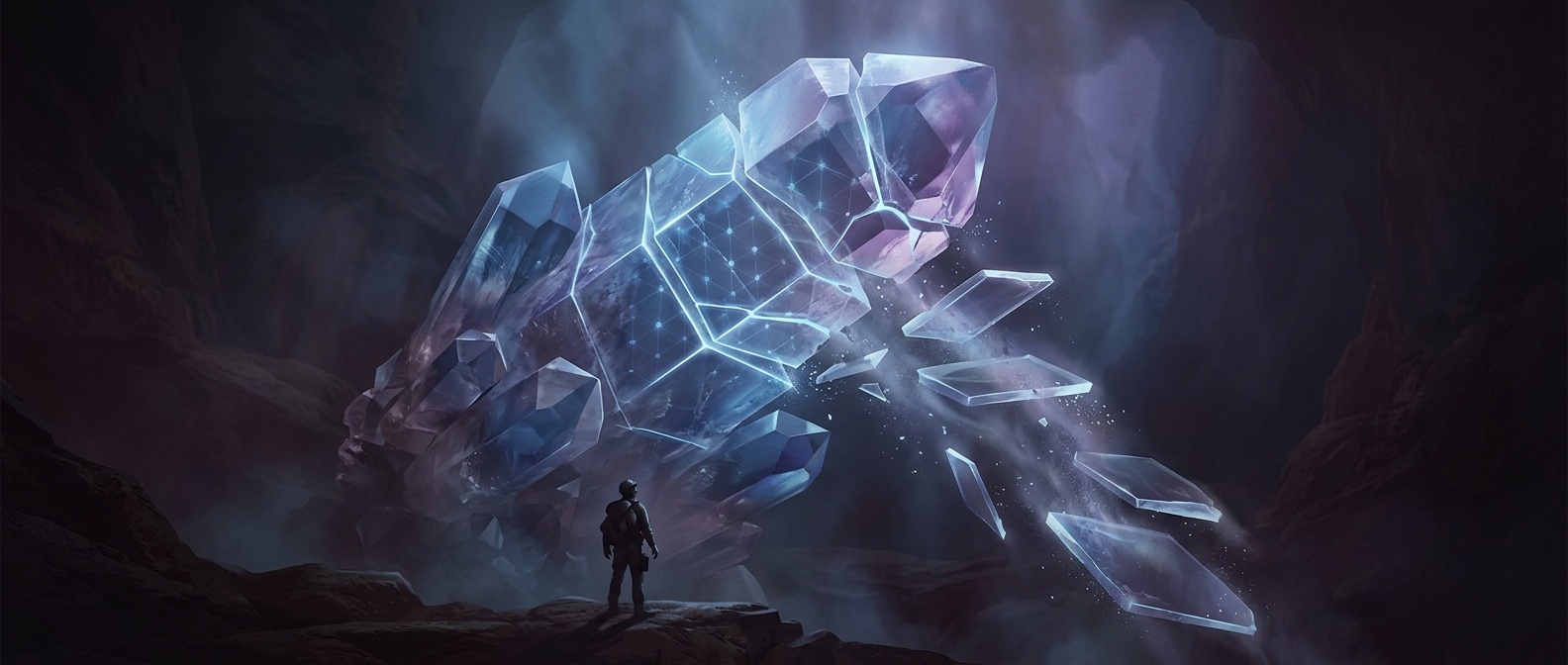
Burial helps the process along. More layers press down on the deposit, squeezing some pore space shut and bringing grains into closer contact. Over time, mineral growth and compaction turn the loose material into tuff, a rock made largely from consolidated volcanic ash and fragments. The exact cement varies with the ash and the water moving through it; some volcanic glass also changes into new minerals rather than simply remaining intact.
Not all tuff is made the same way
The word “tuff” covers rocks with different textures and degrees of alteration. A deposit may retain recognizable shards, or its original grains may be partly replaced by minerals. Some hot ash deposits also become tightly bound as their glassy fragments soften and weld together. That is a different mechanism from minerals precipitating in pores, though the two processes can occur in volcanic deposits.
The change matters because cement closes gaps and strengthens the deposit. A loose ash layer can be easily disturbed, while cemented tuff can stand as cliffs or form durable building stone. Even after it hardens, however, the rock’s mineral makeup and remaining pore space affect how readily water can pass through it—and how quickly it may weather. The ash pile’s chemistry helps decide what kind of rock, and landscape, it will eventually leave behind.