Why a Scratch Can Rank a Mineral
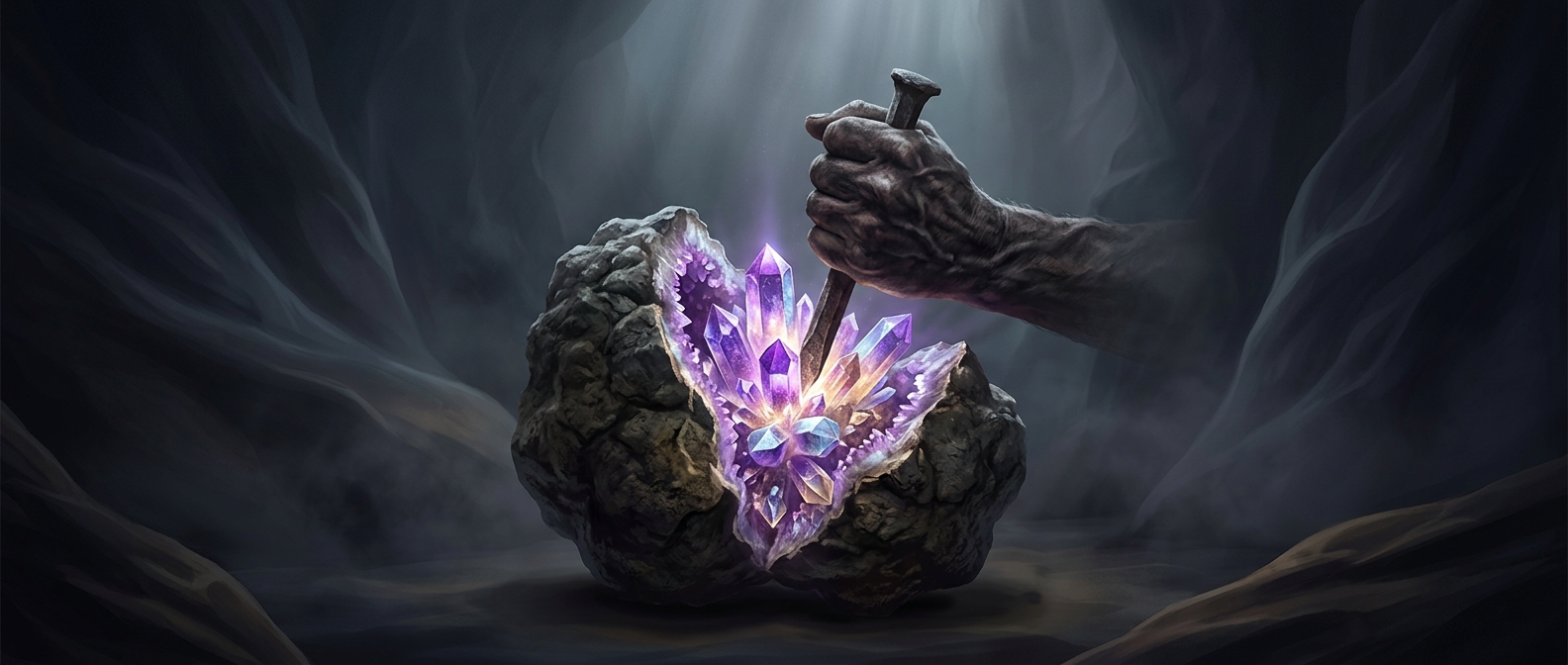
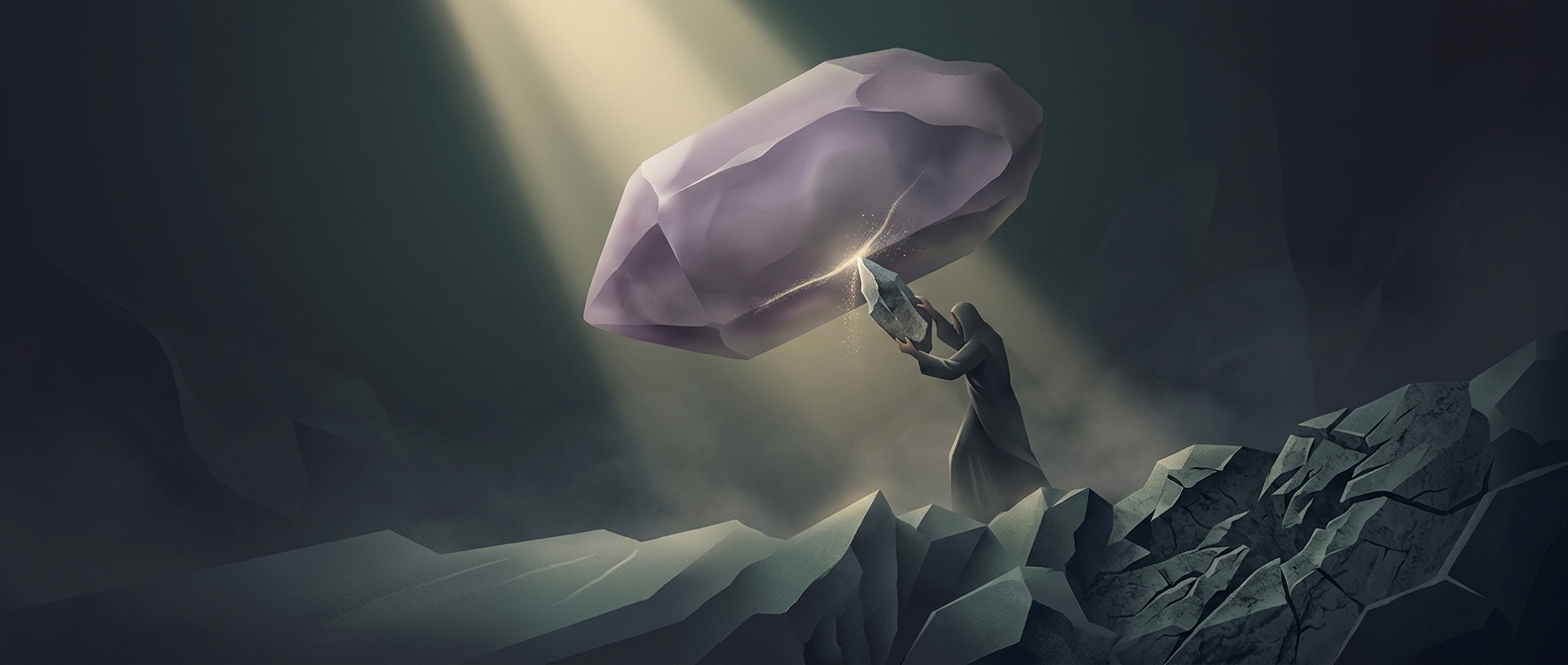
A mineral’s Mohs hardness is determined by a simple test: can one material leave a scratch in another? If a sample scratches a reference mineral, it ranks higher; if the reference scratches the sample, it ranks lower. The test compares resistance to scratching—not strength against breaking, bending, or impact.
That distinction matters with rocks. A rock is usually a mixture of minerals, and its grains can differ in hardness. A scratch may expose a softer grain or scrape away loose particles, so a clean test is best made on a fresh, solid surface rather than a weathered patch.
A Ranking, Not a Measuring Stick
The scale runs from talc at 1 to diamond at 10, using familiar minerals as reference points. Its numbers are ordered labels, not equal units: the gap between neighboring ranks does not represent the same increase in hardness throughout the scale. A mineral at 10 is therefore not twice as hard as one at 5.
This makes the scale useful for identification in the field. If a mineral scratches glass but is scratched by a known reference, those results can narrow down its likely hardness range. The test does not, by itself, identify the mineral; color, crystal shape, and other properties still matter.
What the Scratch Test Reveals
A scratch forms when the harder material presses into and disrupts the surface of the softer one. But a pale streak or powder left behind can be mistaken for a scratch. Wiping the spot and checking whether a lasting groove remains helps distinguish genuine scratching from material rubbed onto the surface.
The practical payoff is modest but powerful: with a few reference materials, a geologist can turn a tiny mark into a useful comparison—while remembering that the result is a ranking, not a precise measurement.