How Ice Moves a Boulder
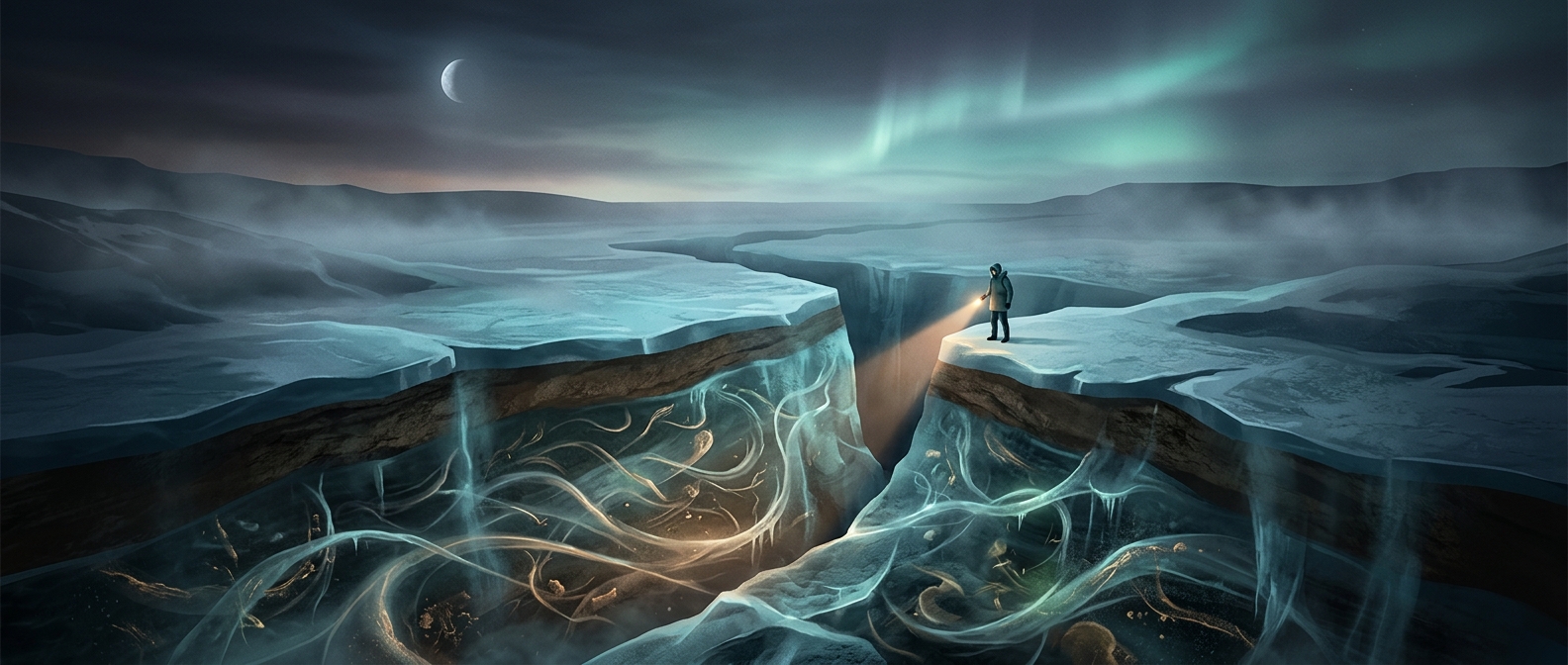
A glacier is not just a river of ice sliding over a landscape. Rock fragments become embedded in it when ice freezes around debris or scrapes material from the ground. As the glacier advances, it carries that load along—sometimes for many miles—while the rock beneath may be too large for meltwater or ordinary erosion to move.
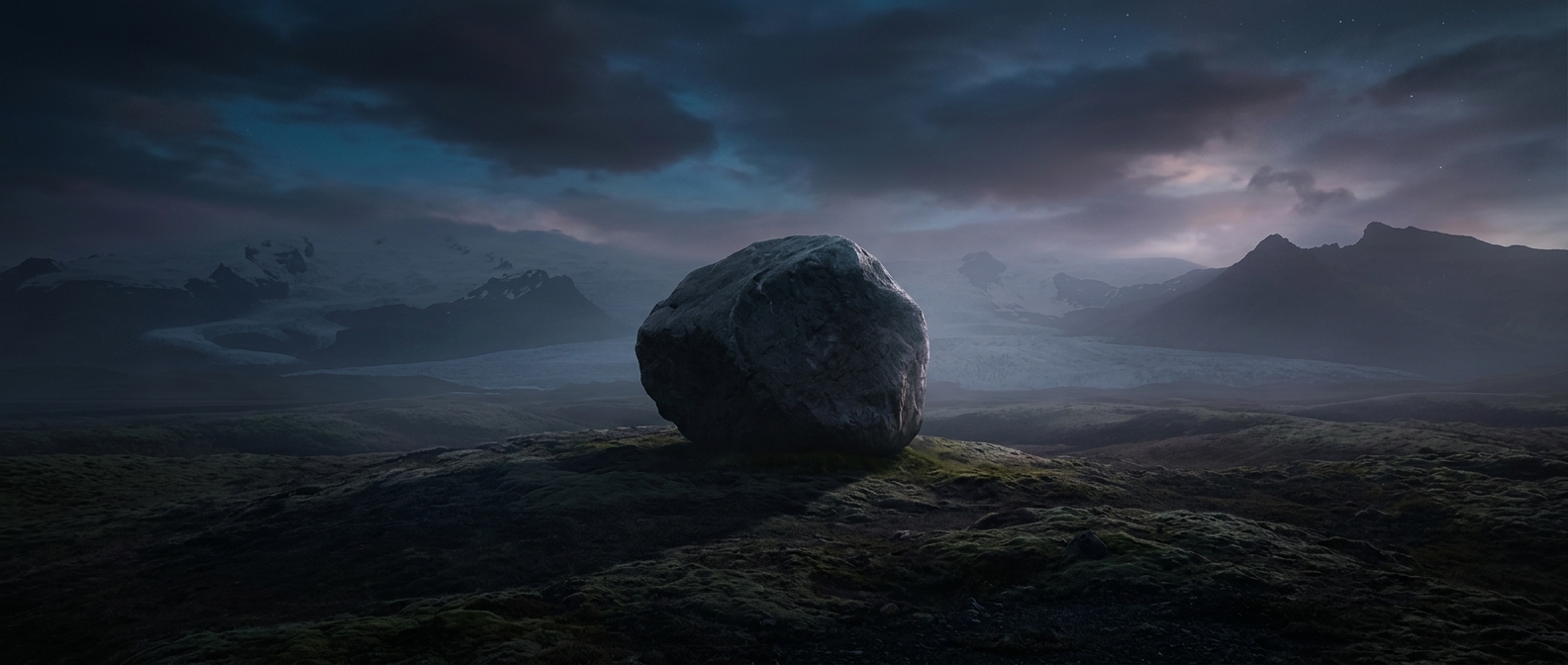
When the climate warms or the glacier retreats, melting ice releases its cargo. A boulder left behind in this way is called a glacial erratic: “erratic” describes its unfamiliar location, not the way it traveled.
Reading the Rock’s Route
To work out where an erratic came from, geologists compare its rock type with the bedrock exposed nearby and across the former glacial landscape. Granite, for example, can have distinctive mineral combinations or textures that help distinguish it from other rocks. If a boulder’s features match bedrock farther up the glacier’s path, the match points toward its source and the direction the ice moved.
The boulder is evidence, but not a perfect map pin. Ice can carry rocks from different places, and a single erratic may have been shifted or deposited during a changing pattern of advance and melting. Geologists therefore interpret it alongside other clues, such as the shapes and deposits glaciers leave behind.
A Record Left in the Landscape
An erratic can reveal that ice once crossed terrain that now looks entirely different. Its journey links a rock’s original bedrock to the place where melting finally set it down—turning an isolated boulder into a clue about a vanished glacier’s reach.