Why continents stand above the seafloor
Earth’s outer shell is broken into moving plates, but the crust beneath continents and oceans is not the same material. Continental crust is generally thick and relatively light; oceanic crust is thinner and denser, and is made largely of basalt. Beneath both lies the mantle, hot rock that is mostly solid but can deform and flow over long periods.
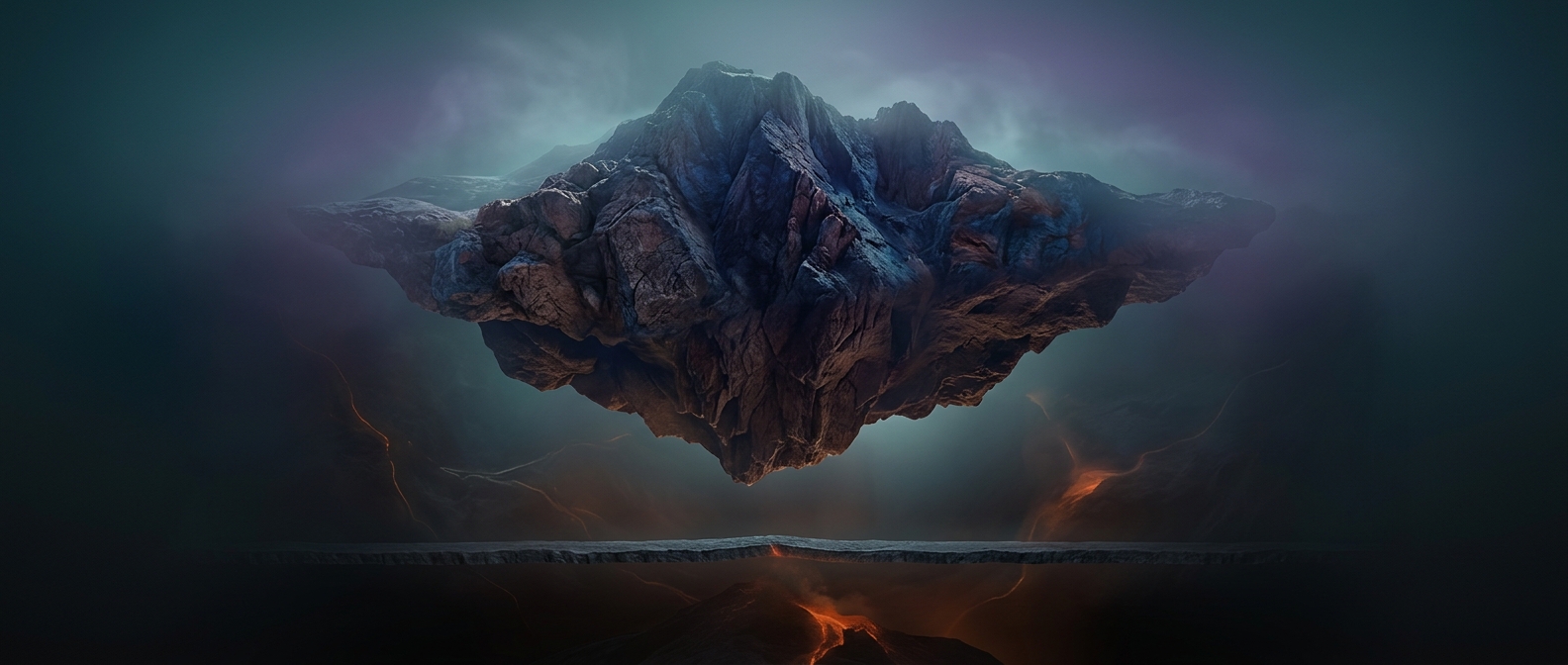
The balance between the crust’s weight and the mantle’s support is called isostasy. A thick mass of low-density continental rock displaces more mantle and can extend downward as a deep “root,” much as a tall iceberg has a large portion below water. The root helps support high land, while the crust’s lighter overall composition keeps the continent from settling as far as denser ocean floor.
Why ocean floor gets recycled
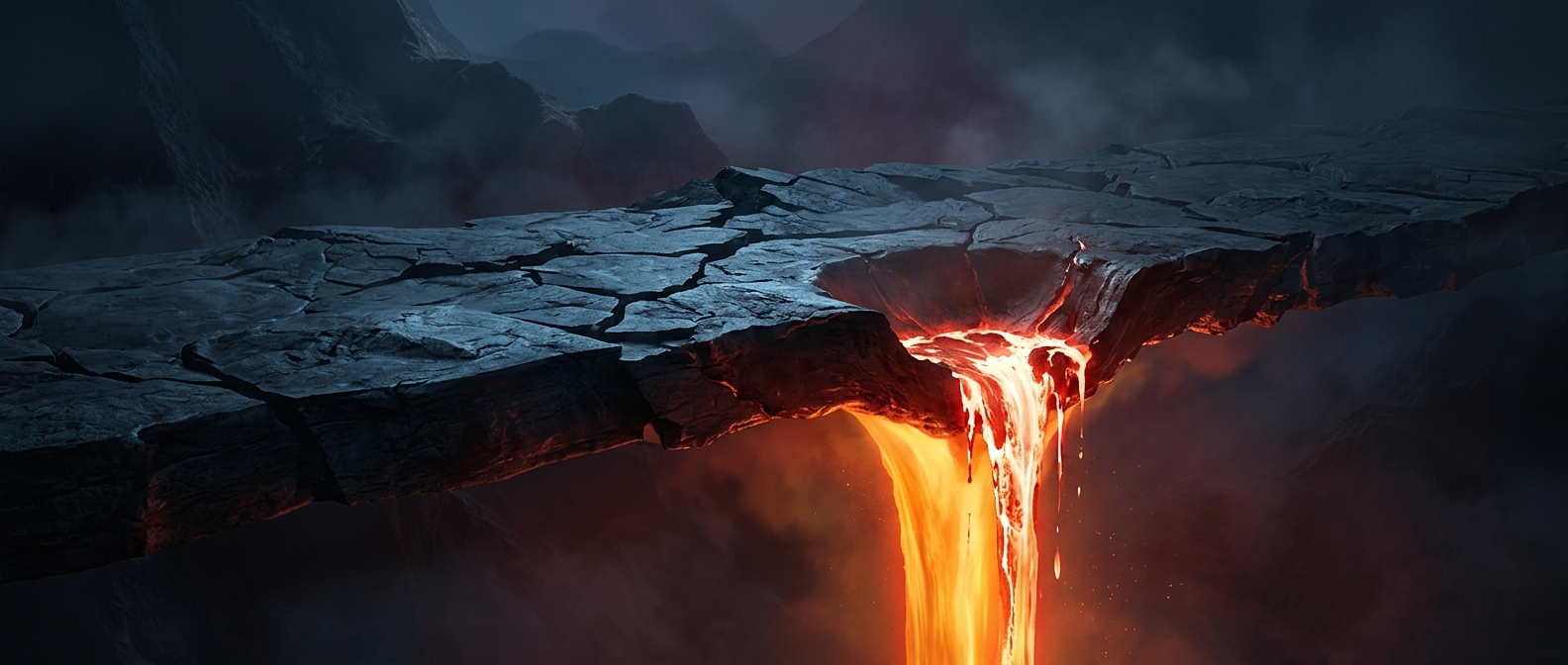
At some plate boundaries, oceanic crust bends down into the mantle in a process called subduction. As oceanic plate moves away from the ridge where it formed, it cools and becomes denser. That makes it more capable of sinking, especially when it meets another plate at a subduction zone. The descending slab carries old seafloor back into Earth’s interior, where heat and pressure gradually transform it.
Continental crust is more buoyant, so it resists being pulled down in the same way. When continents collide, their edges can crumple, thicken, and rise into mountain ranges instead. Pieces of continental crust may be forced downward or mixed into a sinking plate, but the large, buoyant mass is difficult to subduct wholesale.
A lasting difference in elevation
Because oceanic crust is continually created and recycled, while much continental crust survives for far longer, the two kinds of crust occupy different roles in plate tectonics. Their contrasting density and thickness help keep continents elevated and ocean basins lower—not as rigid platforms, but as parts of a slowly shifting system. As plates move, the seafloor can disappear beneath a continent while the continent itself remains at the surface.