How volcanic gas becomes a planetary sunshade
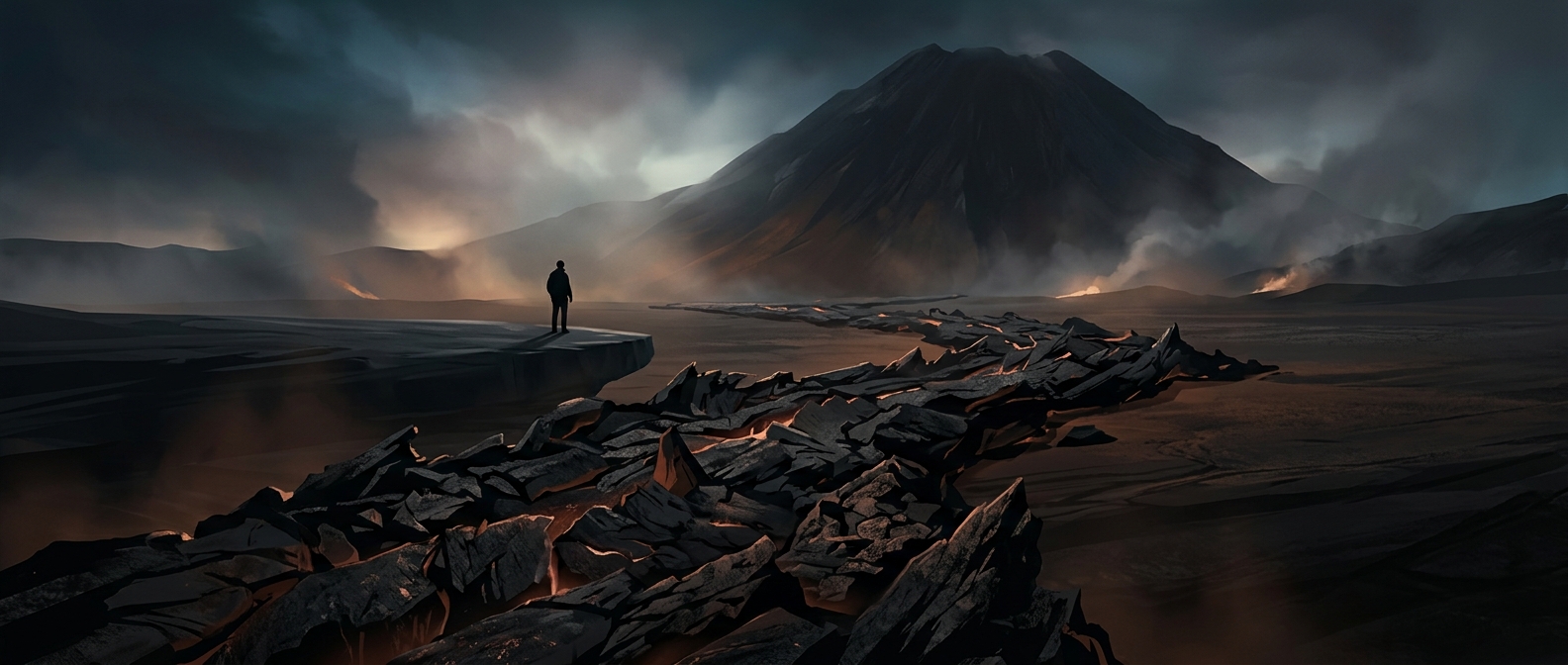
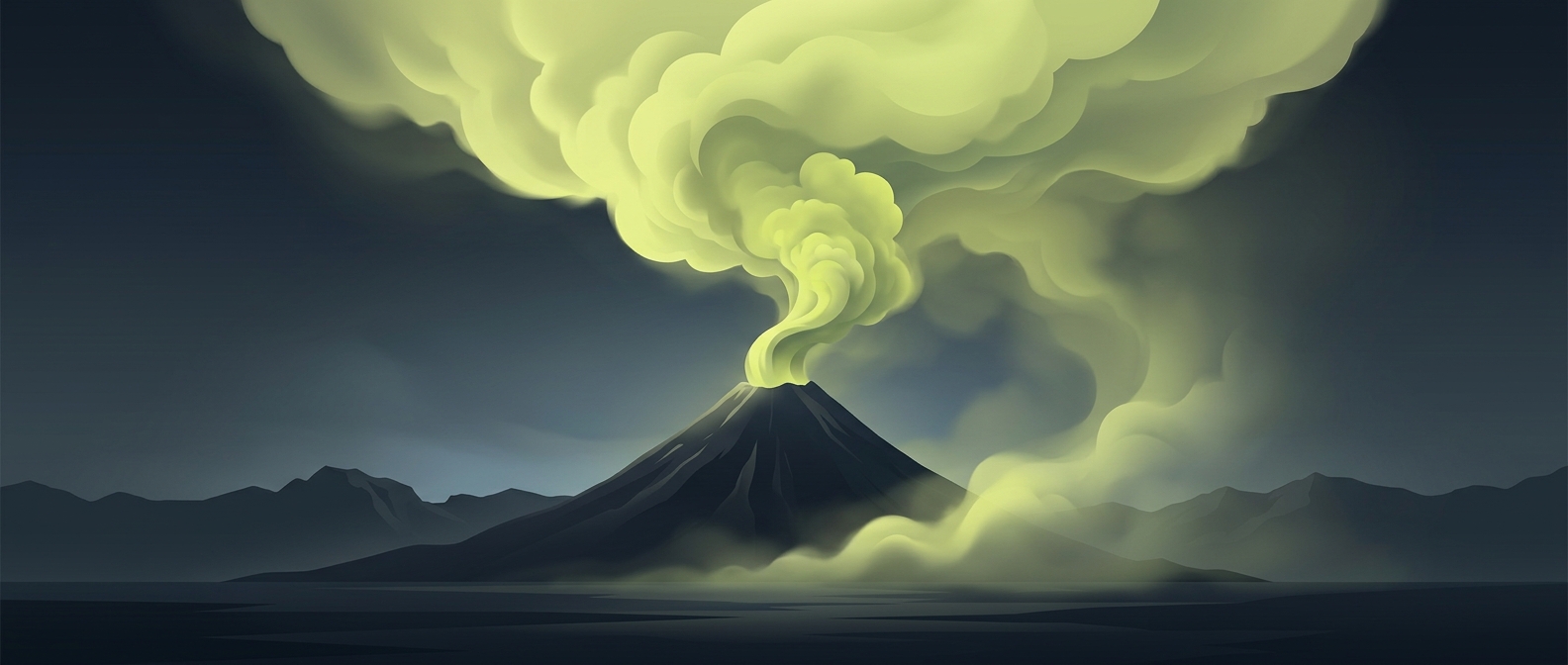
An eruption’s cooling effect depends less on how dramatic it looks from the ground than on where its sulfur dioxide goes. If the gas rises into the stratosphere—the atmospheric layer above most clouds and weather—it can spread across a wide area and persist longer than it would lower down, where rain and other processes remove it more quickly.
There, sulfur dioxide reacts with water vapor and other substances to form tiny sulfate droplets. These aerosols scatter incoming sunlight, sending some back toward space before it warms the surface. The droplets do not make the planet colder by producing cold air; they slightly reduce the solar energy reaching Earth.
Why the effect spreads—and eventually fades
High-altitude winds carry the aerosols far beyond the volcano, so the cooling can affect regions that never saw ash or lava. The particles gradually settle out or transform, allowing more sunlight through again. That is why the effect can last months or years rather than permanently changing the climate.
The strength and duration depend on the eruption: how much sulfur dioxide it releases and how high the plume rises matter. Ash may darken skies nearby, but it generally falls out sooner; the longer-lived global influence comes chiefly from the sulfur-derived aerosols aloft.
A cooler average can bring uneven costs
Less sunlight reaching the ground can lower average temperatures, but it does not produce an even, beneficial chill everywhere. Changes in atmospheric heating can also shift circulation and rainfall patterns. In places where crops depend on a narrow growing season or reliable rains, a modest change in light or precipitation can mean poorer harvests.
The striking tradeoff is that the same invisible veil that briefly dims sunlight across the planet can alter the local conditions farmers rely on—while the volcano’s most visible hazards remain concentrated much closer to the eruption.