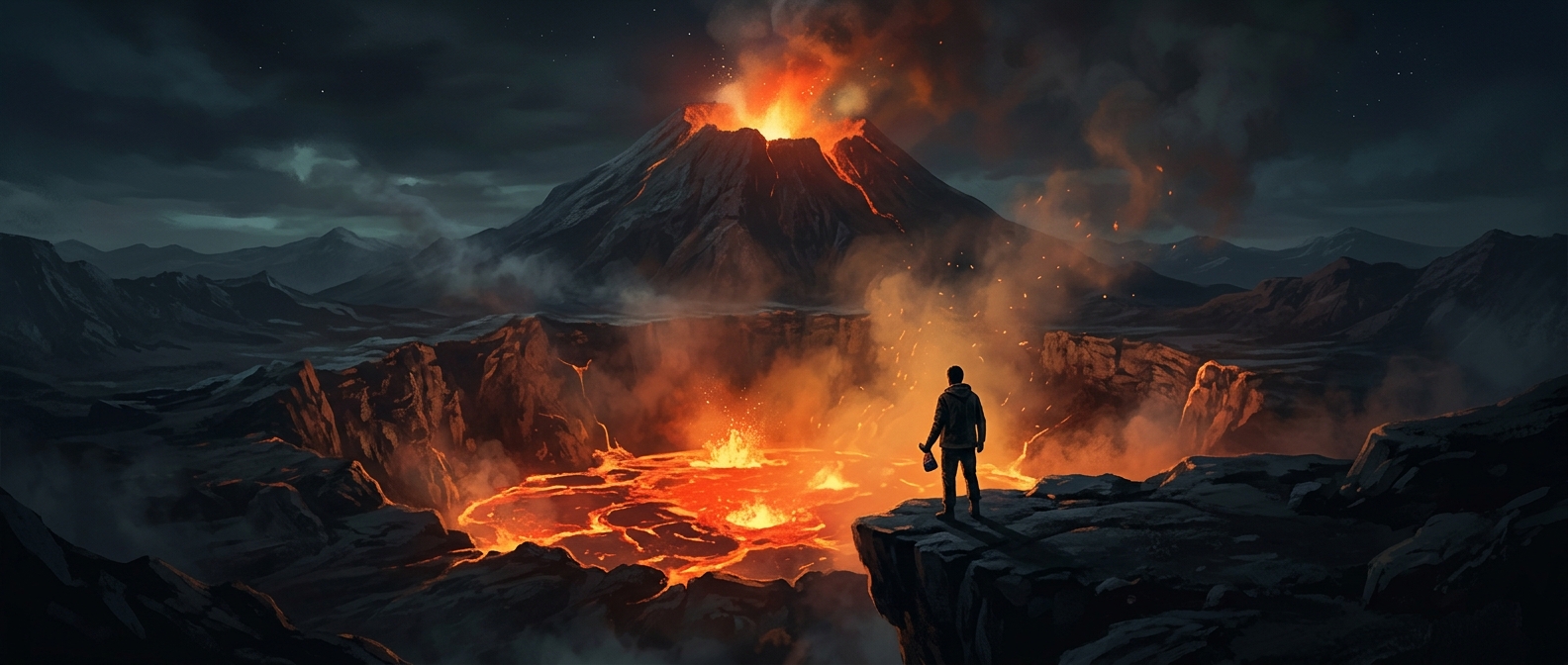
A moving river under a brittle skin
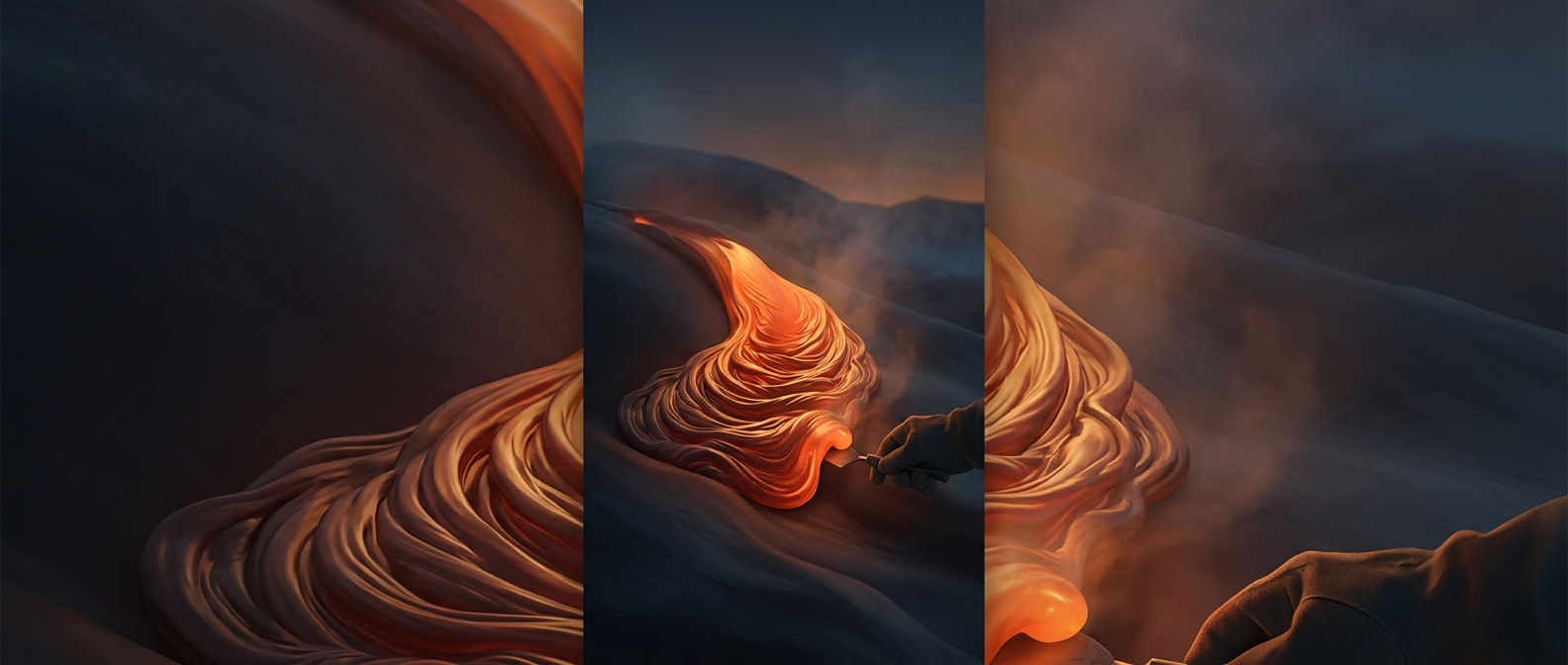
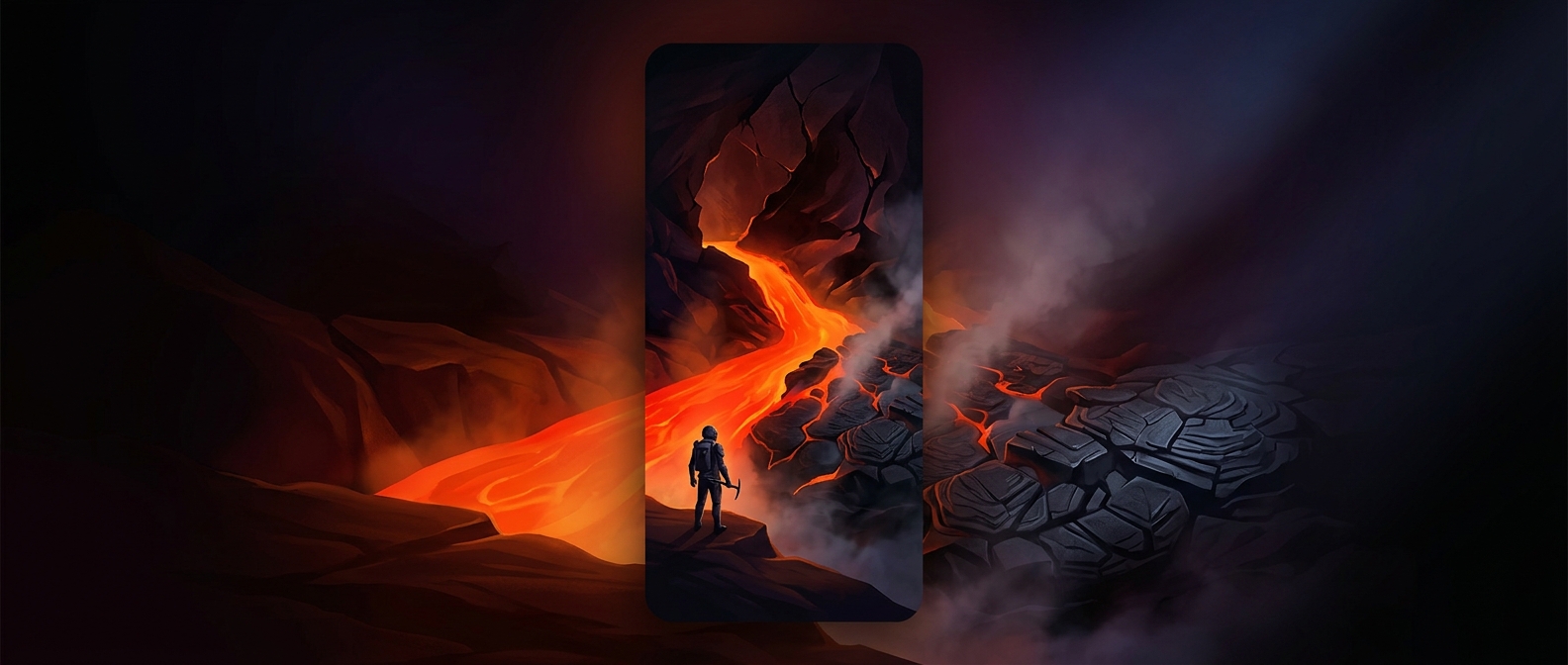
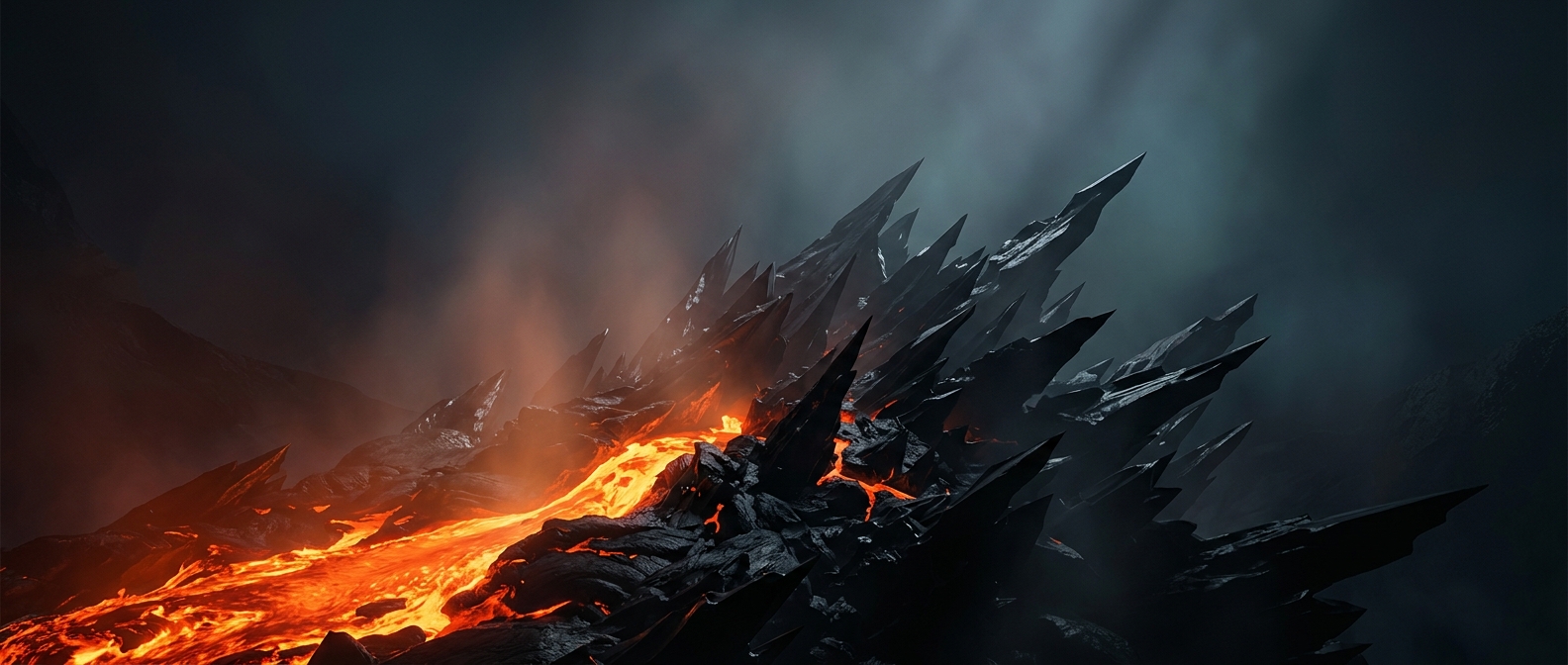
As lava cools in open air, its exposed surface loses heat first and stiffens into a thin crust. The rock beneath it can remain hot enough to flow, so the crust is carried along by a moving interior rather than becoming a solid lid.
That difference in speed and strength sets up a slow collision. The molten lava pushes from below and behind, while sections of crust catch, buckle, and fracture. New cracks expose hot material, which cools and adds more brittle pieces to the surface.
Why the crust scrapes and clinks
The fragments do not glide smoothly. As the current shoves them forward, they grind against one another and against the rough crust around them. Their edges scrape, chip, and knock together, producing the glass-like sounds. The noise is a small-scale record of the lava’s motion: a hot interior advancing beneath a surface that can no longer stretch with it.
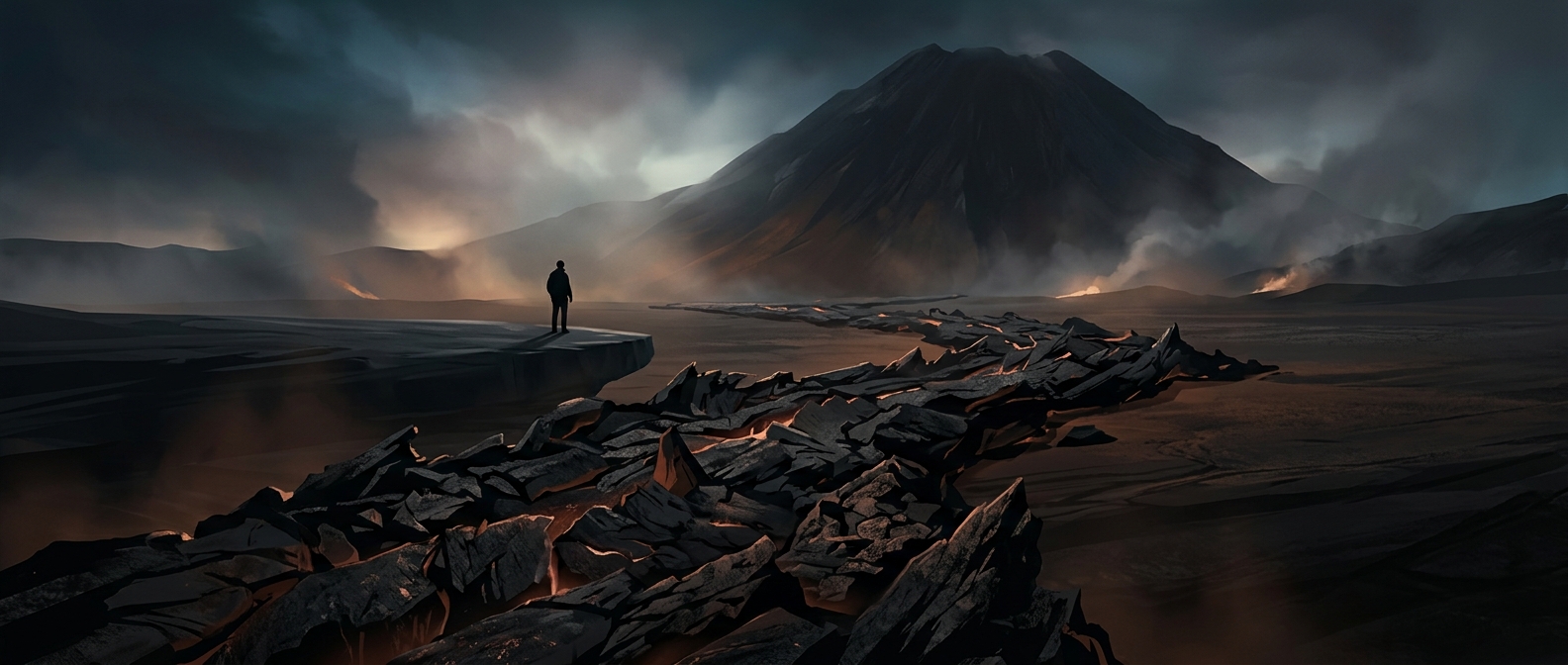
The crust therefore behaves less like a single solid sheet than a shifting layer of broken plates. A piece may ride forward briefly, then jam against its neighbors and split again. The result is a flow that can look slow and stiff at the surface even while material underneath continues to move—and that can sound like a load of glass being dragged across the ground.