Why a caldera can spread beyond the vent
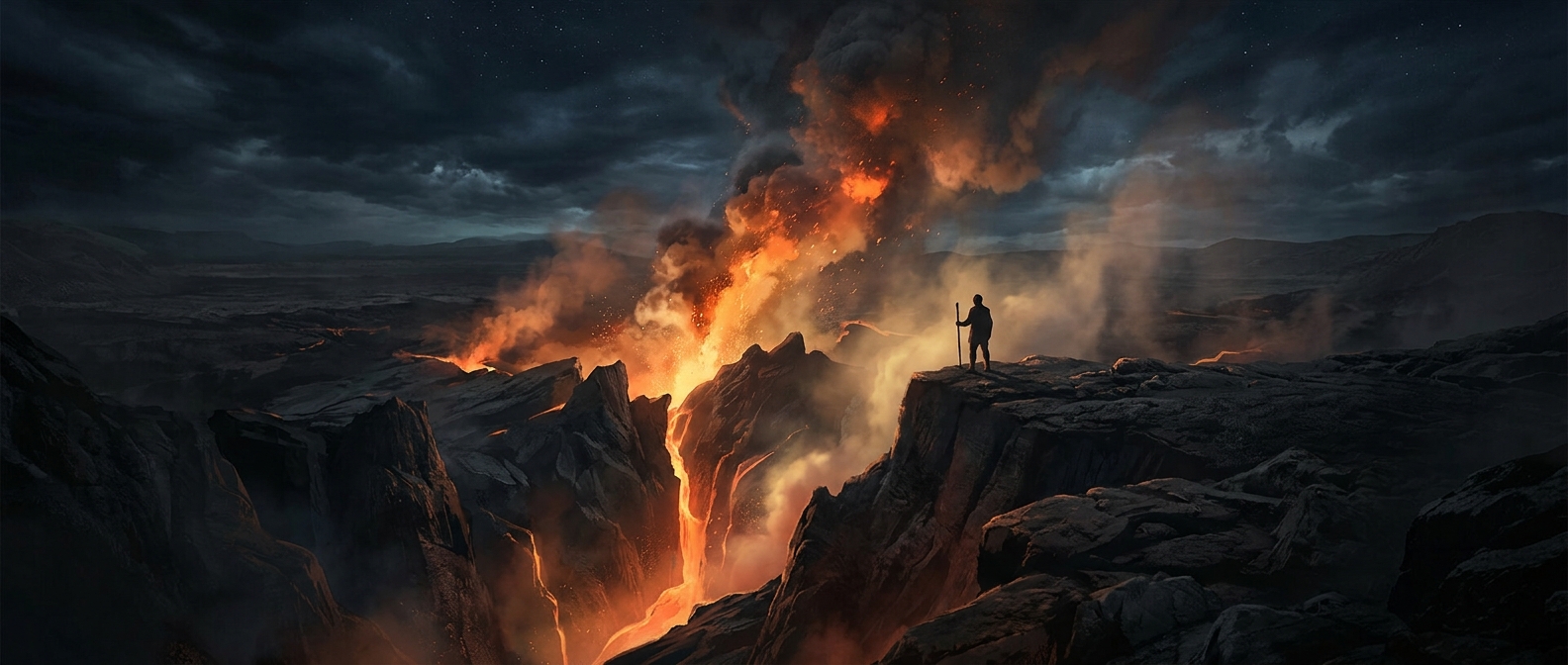
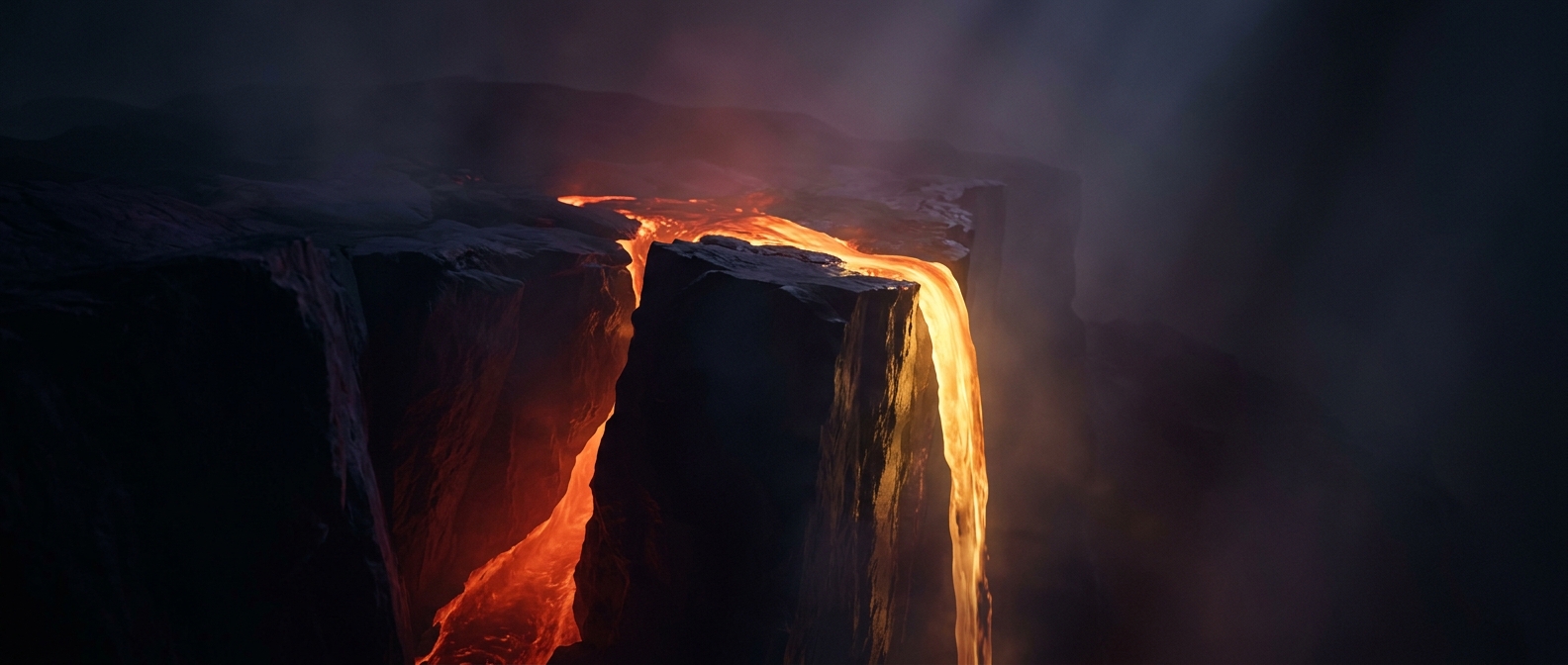
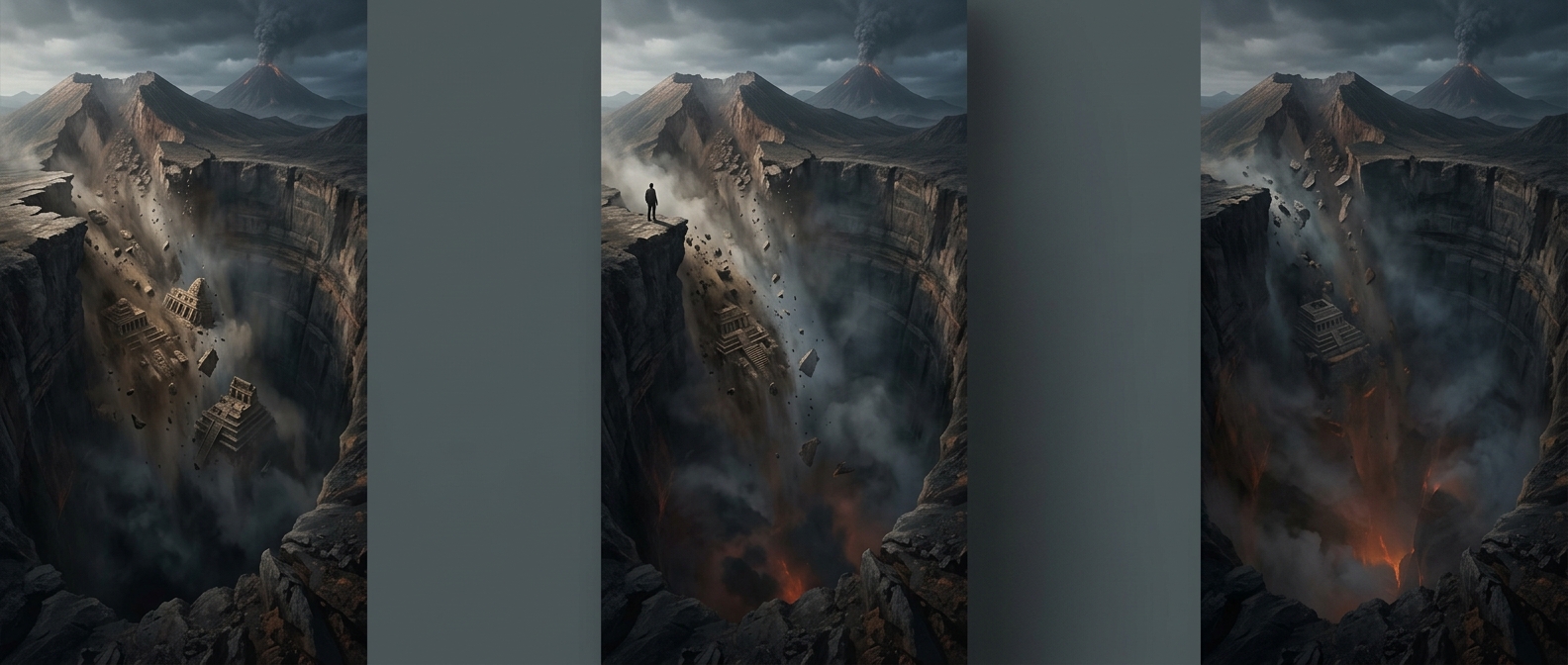
An eruption’s vent is only the route magma takes to the surface. The larger change can happen underground: as magma drains from a reservoir, pressure and support beneath the overlying rock decline. If the rock can no longer hold its position, it drops along fractures that outline a broad, roughly ring-shaped area.
That pattern is called caldera collapse. The sinking ground may include several blocks of rock tilting or stepping downward, rather than a single neat plug falling into an empty cavern. Magma reservoirs are bodies of molten or partly molten rock threaded through surrounding solid rock—not giant underground rooms that simply get scooped out by an eruption.
The collapse follows the weakened roof
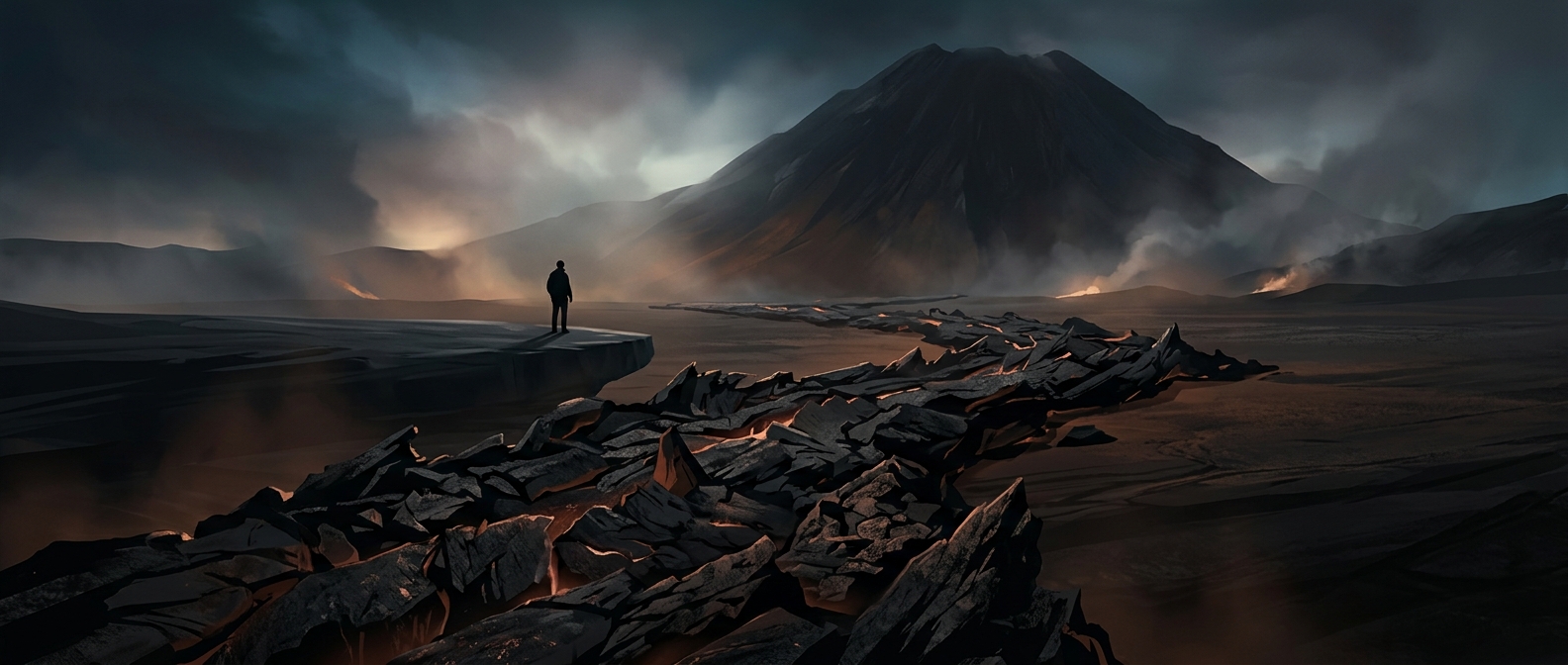
The vent marks where material reached the surface, but it does not define the full footprint of the reservoir or the rock affected by its loss of support. Fractures can form around a much wider roof, allowing a broad section of the volcano to subside. The resulting depression can therefore be far larger than the vent, even though the collapse is concentrated around that volcanic system rather than being a hole that opens indiscriminately through the landscape.
A caldera’s size and shape reflect how the reservoir and surrounding rock are arranged, as well as how much magma moves and where the roof fractures. The visible depression is thus a record of a structural failure: not the size of the eruption’s exit, but the area of ground that lost enough support to sink.