How a Lava Flow Makes Its Own Rubble
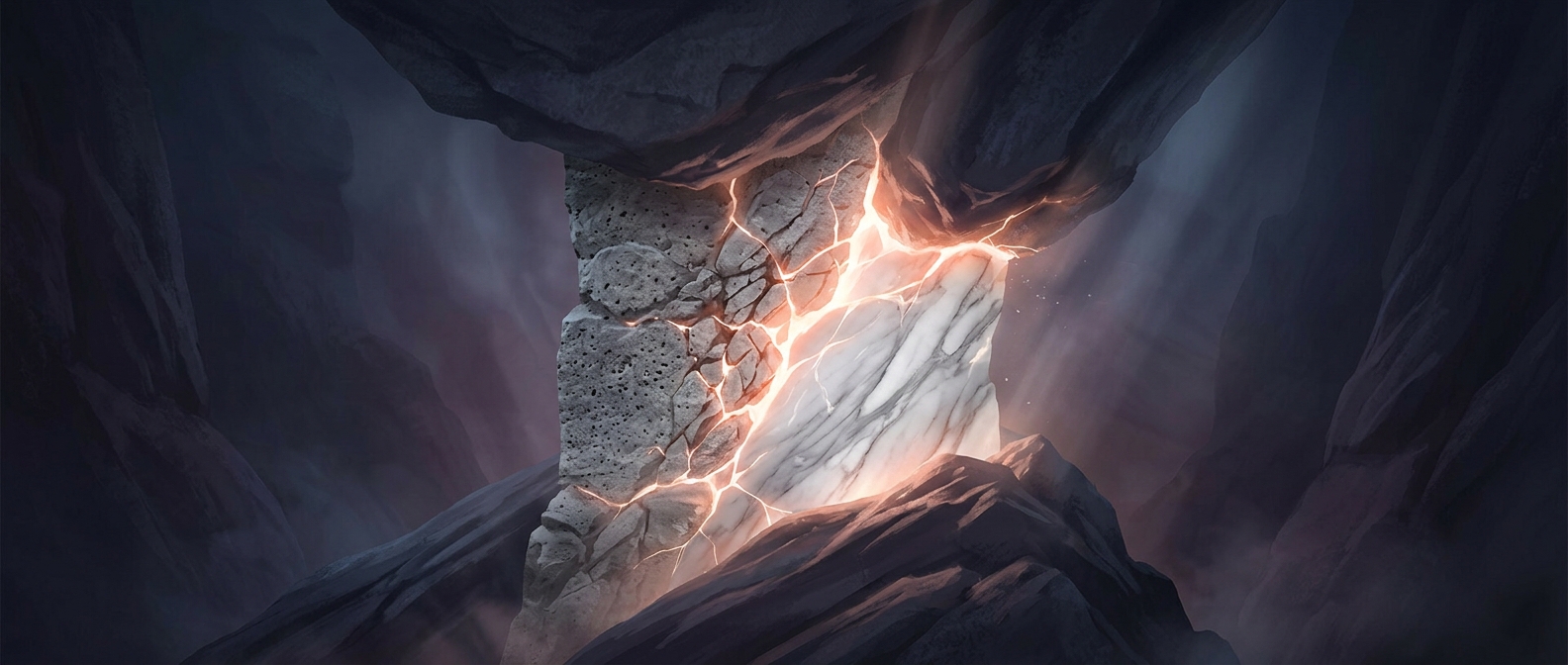
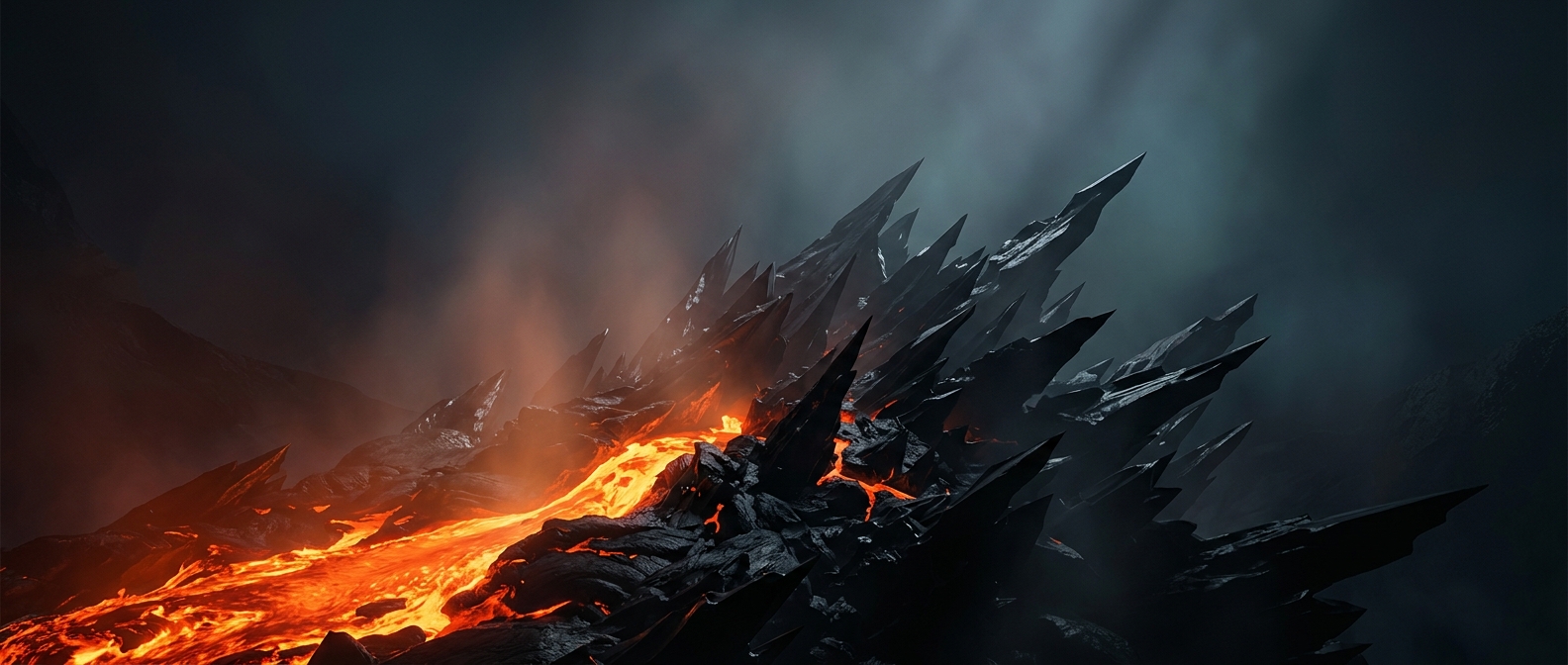
A rough lava flow does not simply harden as one solid slab. Its outer surface cools first, forming a crust while hotter rock beneath it is still moving. As the flow creeps forward, friction with the ground and resistance within the lava tear that brittle crust into chunks. The fragments are dragged, shoved, and piled up rather than carried far enough to wear down their corners.
This loose, broken material is called clinker. It is especially associated with a rough lava-flow type known as ʻaʻā (pronounced “ah-ah”), in contrast to smoother flows whose surfaces can remain comparatively continuous.
The Flow Pushes Through Its Broken Shell
The rubble is not merely debris left behind after the lava stops. In an ʻaʻā flow, the hot interior can keep advancing beneath and through the clinkery surface. That motion continually breaks and rearranges the crust, helping produce a thick, uneven layer of sharp blocks. Clinker can also collect beneath the moving lava, where the flow scrapes against the ground.
Because the fragments mostly shift over short distances within the flow, their edges do not get the prolonged abrasion that rounds stones in a river. They cool into hard, angular pieces, often crowded together with little stable footing between them.
Why the Surface Stays So Treacherous
A shoe sole meets many projecting edges at once, not a single smooth rock. The pieces can shift underfoot, concentrating pressure on small points and exposing the sole to repeated scraping. The roughness is therefore a record of the flow’s motion: its crust broke, but the advancing lava kept pushing the broken pieces along before they could be smoothed away.