How a cooling crack finds its way through lava
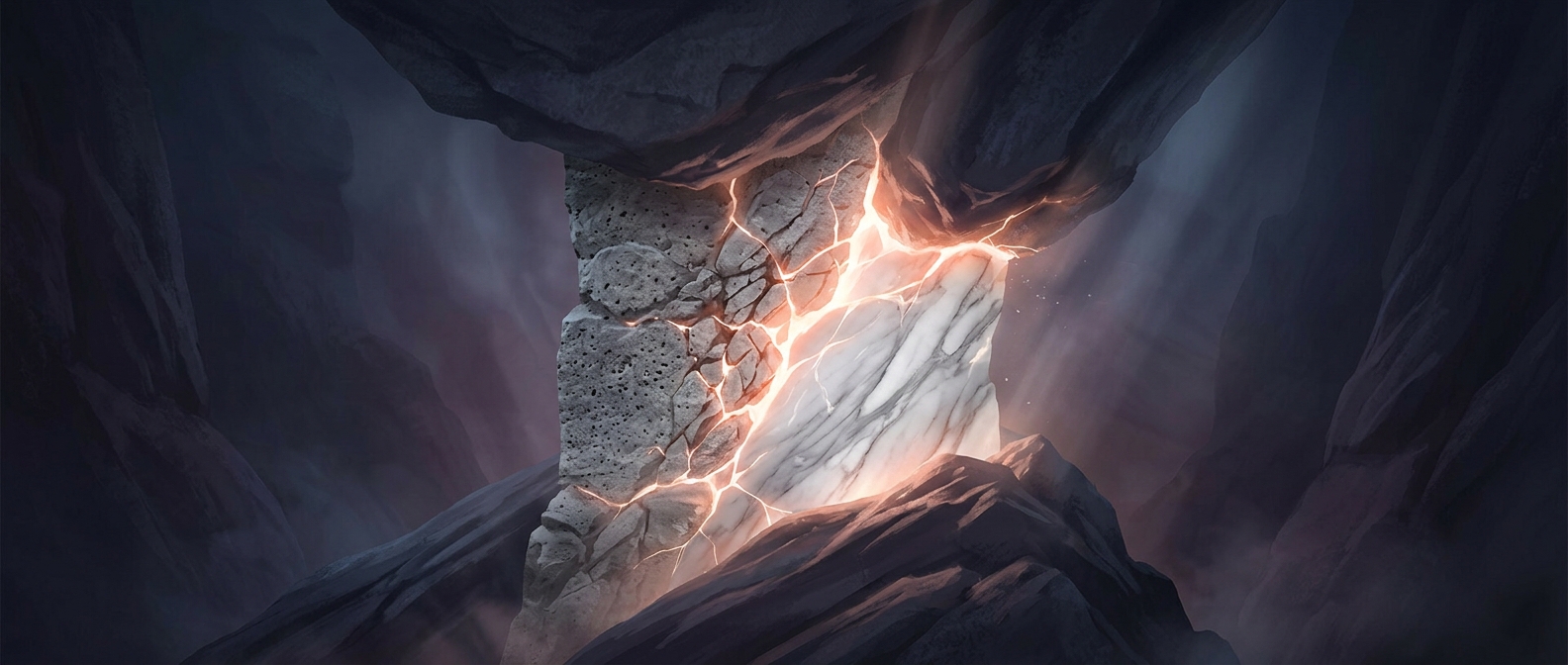
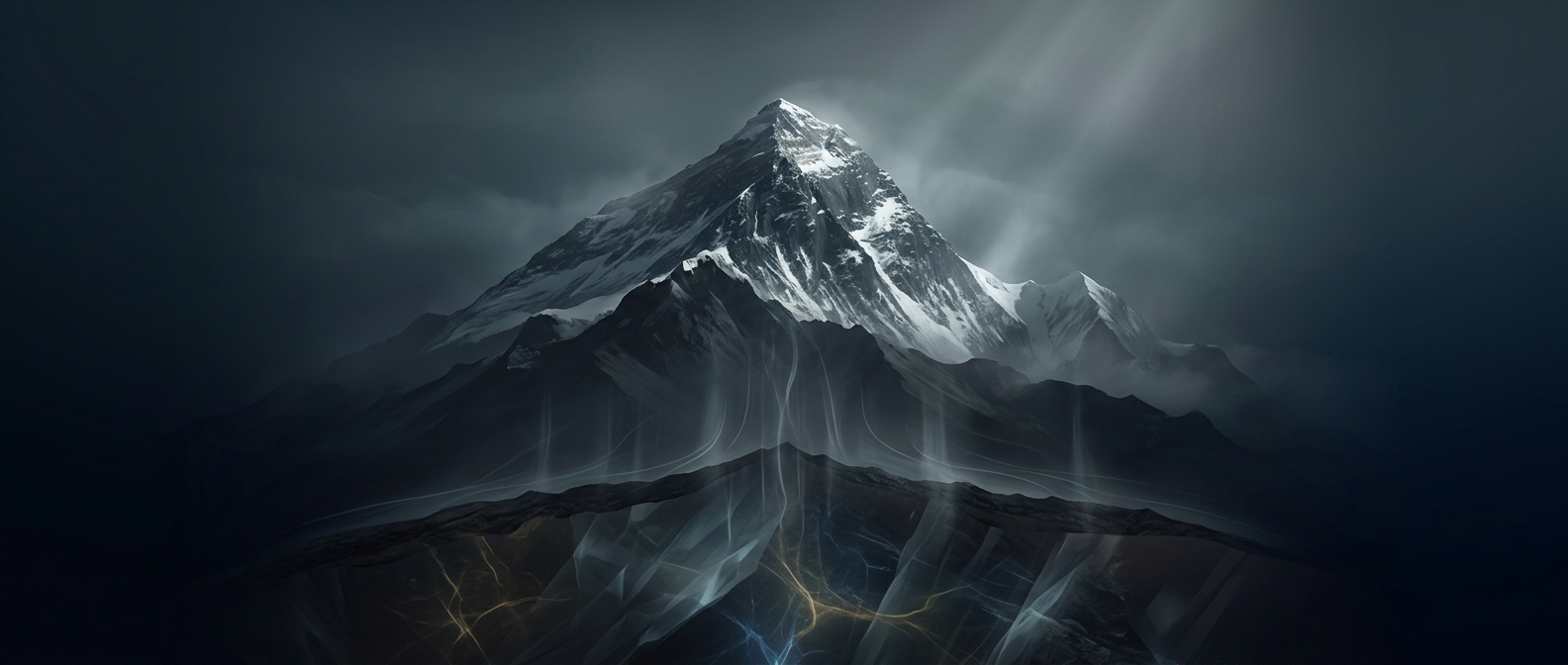
When lava cools, its outer parts lose heat before the interior does. The solidifying rock contracts, but neighboring material resists that shrinkage, building stress until the rock can relieve it by cracking. As the cooling boundary advances, cracks can extend into warmer rock, then continue downward or inward with it. The result is a set of long, roughly parallel fractures that divide the lava into columns.
Why the pattern often has six sides
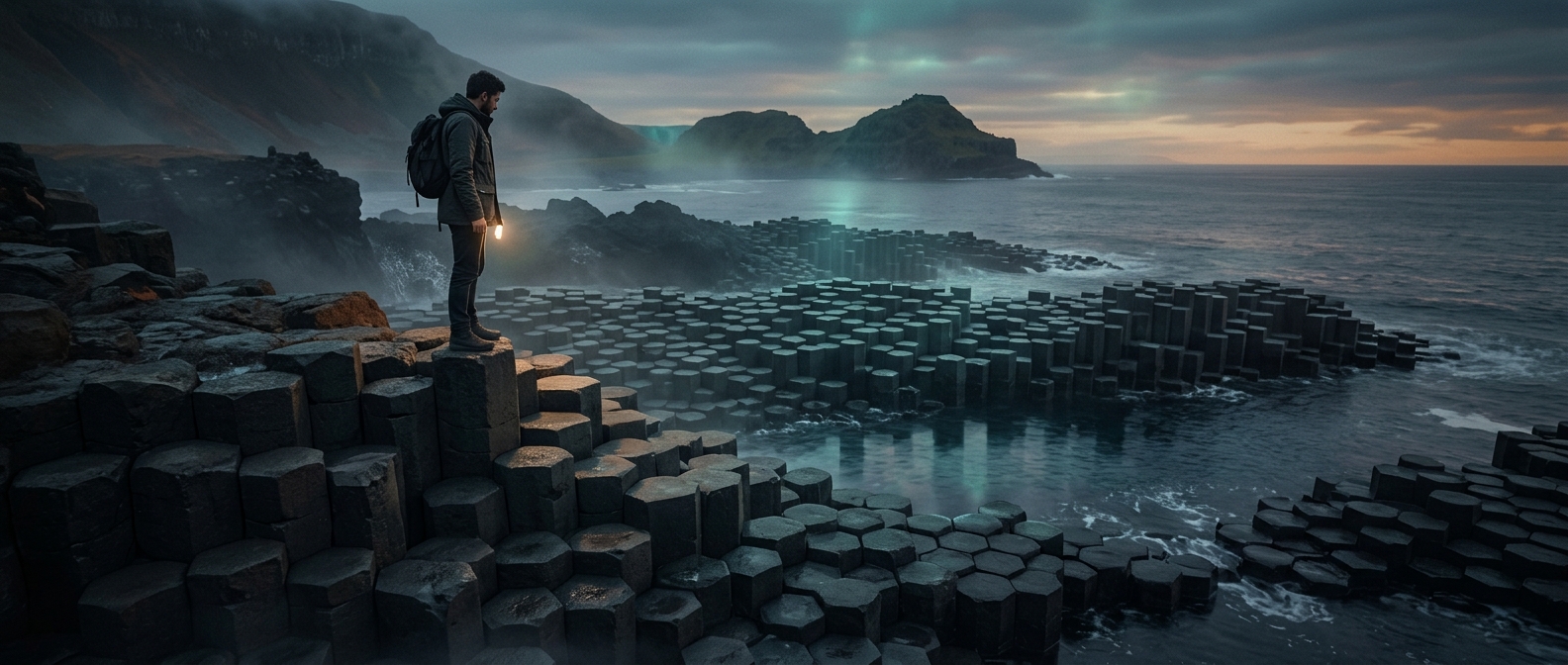
A crack network tends to divide the rock into shapes that spread the stress efficiently. In a fairly uniform cooling surface, cracks commonly meet at angles close to 120 degrees, producing mostly hexagonal cells. That is not a blueprint imposed on the lava: the columns are rarely perfect, and some have five or seven sides. Local differences in cooling, rock thickness, and existing cracks distort the pattern.
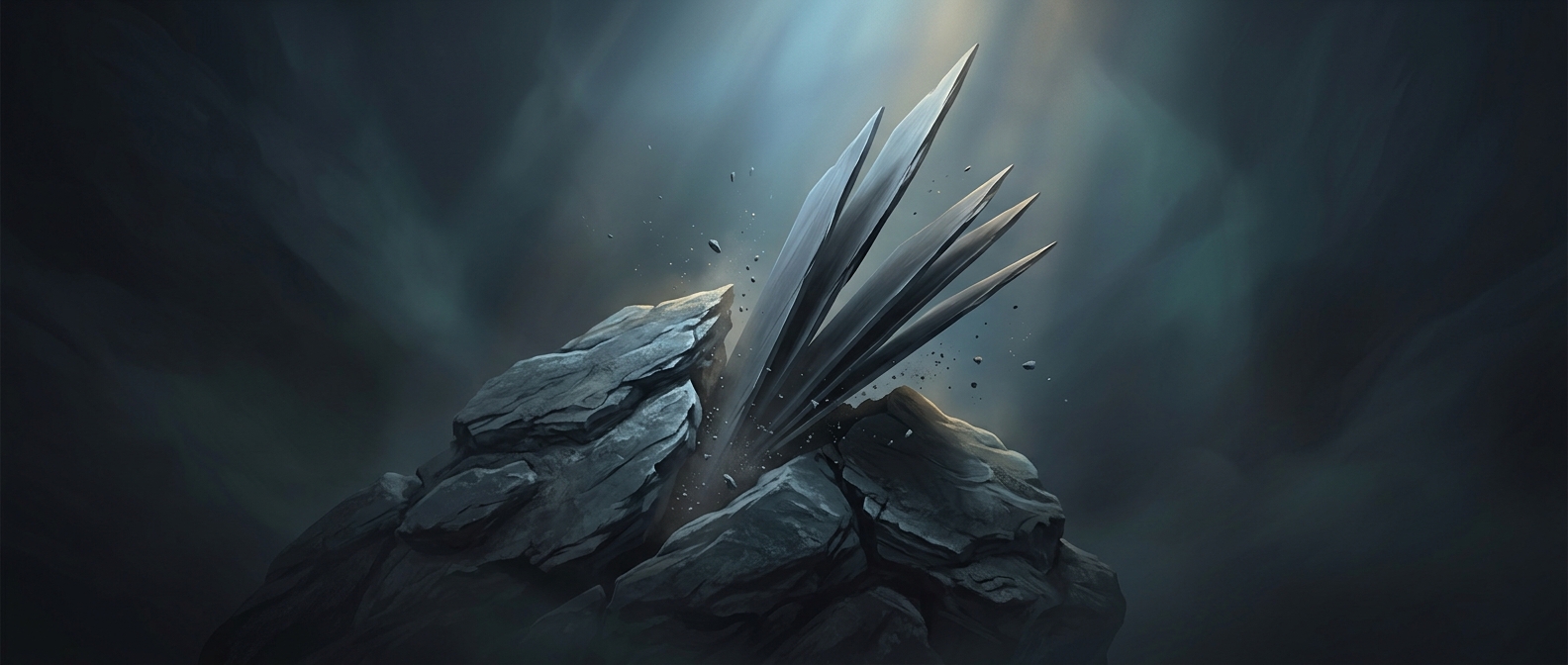
The geometry is visible where a fracture surface exposes the ends of the columns. Along a cliff face, the same columns appear as long vertical or slanting ribs. Their direction reflects how the cooling front moved: in a lava flow, columns often grow roughly perpendicular to the surfaces through which heat escaped.
The cooling record in a cliff
Columnar joints form in more than lava flows; thick sheets of magma cooling underground can develop them too. In either setting, the pillars are not separate pieces assembled together. They are sections of one mass of rock, divided by cracks as contraction progresses. Differences in cooling conditions can make columns vary in width and alignment, so a natural outcrop may look more irregular than a carefully cut stone façade.
That variation is part of the evidence: the columns preserve the path by which heat left the rock, turning an invisible cooling process into a pattern large enough to read across a cliff.