How the Himalayas keep rising
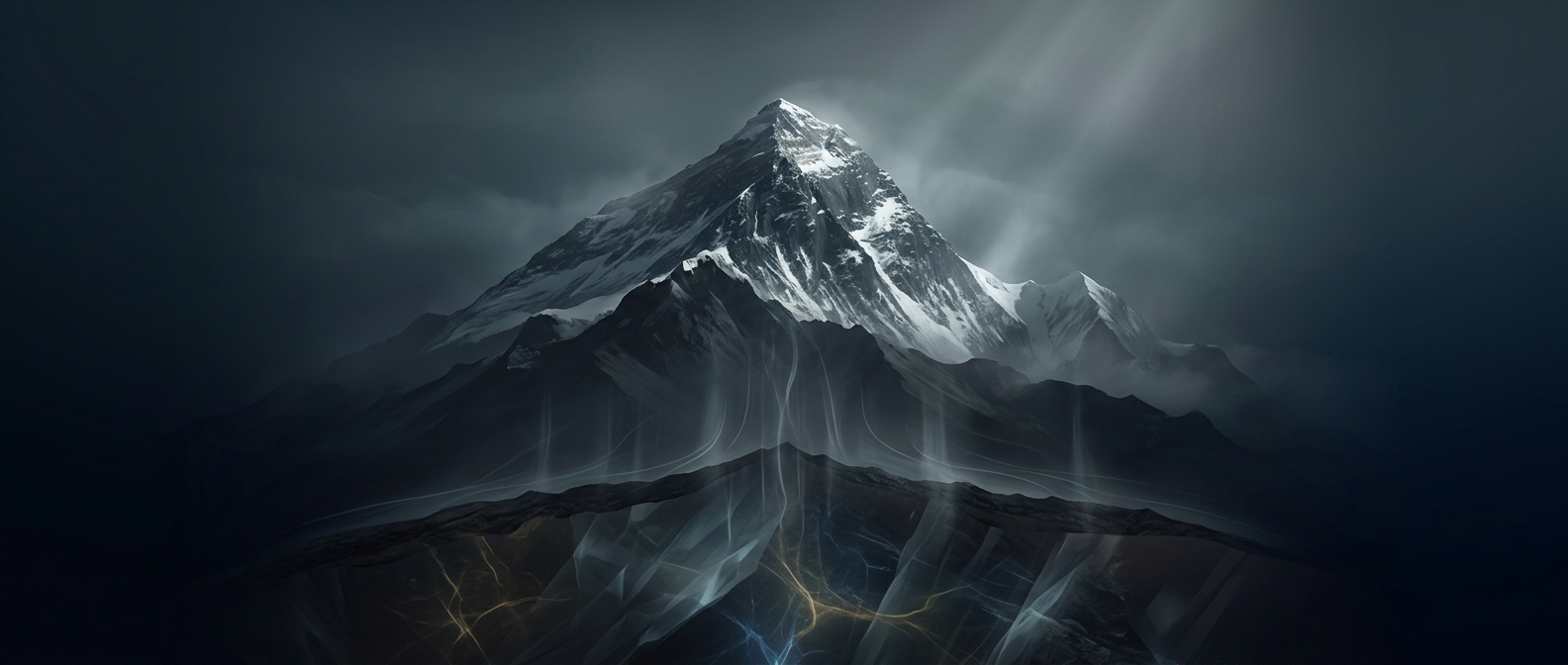
Mount Everest sits where the Indian tectonic plate is moving into the Eurasian plate. Because continental crust is buoyant and resists sinking easily, the collision compresses and thickens the crust instead of simply carrying one plate beneath the other. That thickened rock is pushed upward, building the Himalayas over geologic time.
The plates do not meet in a smooth, continuous shove. Friction can lock parts of the boundary, letting stress accumulate until rocks slip in an earthquake. Such shifts can raise or lower parts of the range, while gradual deformation continues between major quakes.
Why height is a balance, not a steady climb
Uplift adds elevation, but erosion removes it. Rivers cut into the slopes, and ice, snow, and weather break rock apart and carry it downhill. These processes can lower ridges and reshape the valleys even as tectonic forces lift the region.
So “getting taller” does not mean Everest’s summit rises at a constant pace. Its height reflects several processes acting on different timescales: slow plate convergence, sudden ground movement, and ongoing erosion. The balance can also vary from one part of the mountain range to another.
That is why a summit’s measured elevation is a snapshot of a moving landscape. Everest’s famous peak is not simply being pushed upward; it is being built, broken down, and occasionally jolted by the same restless geology that formed the Himalayas.