How a mantle plume feeds a volcano
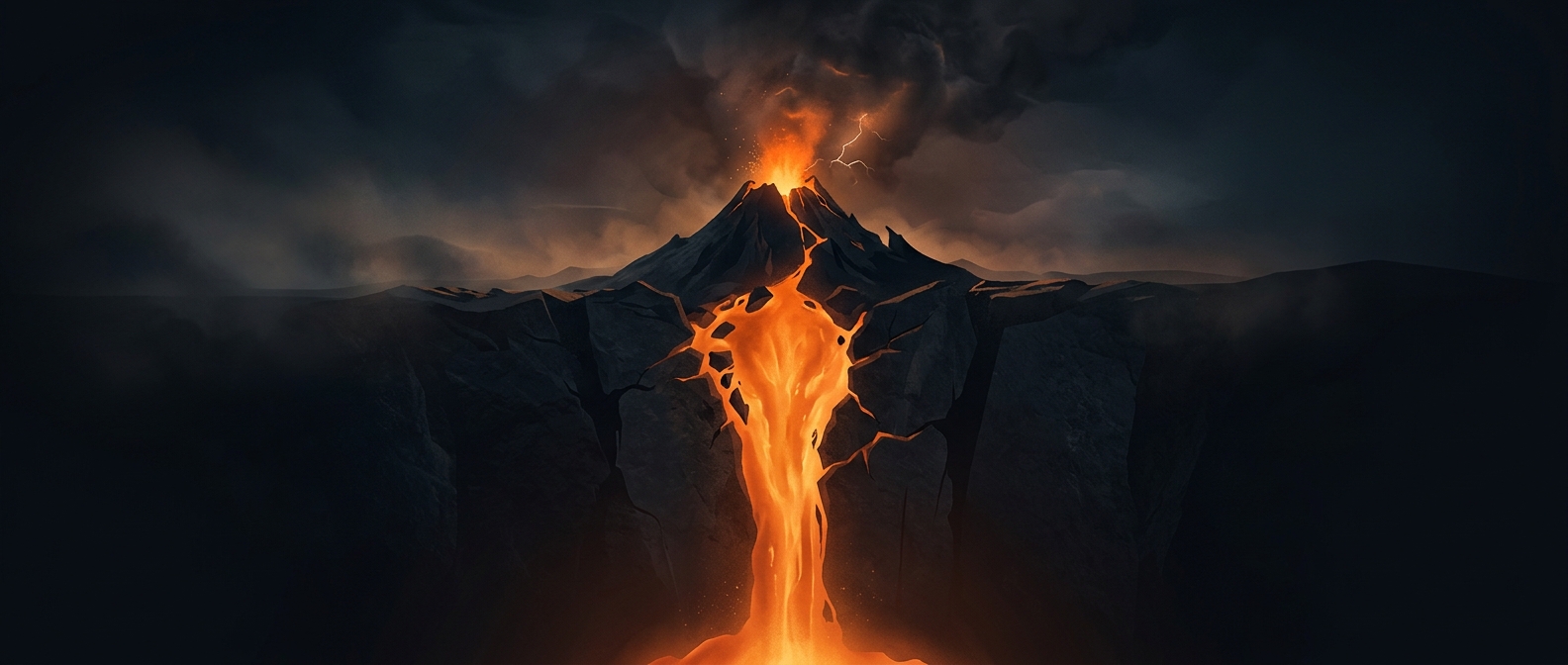
A mantle plume begins deep inside Earth as an unusually hot upwelling of solid rock. It is not a column of liquid lava: under the immense pressure underground, mantle rock can remain solid even when it is hot enough to melt nearer the surface. The rock rises slowly, deforming and flowing over geological time rather than surging upward like a stream.
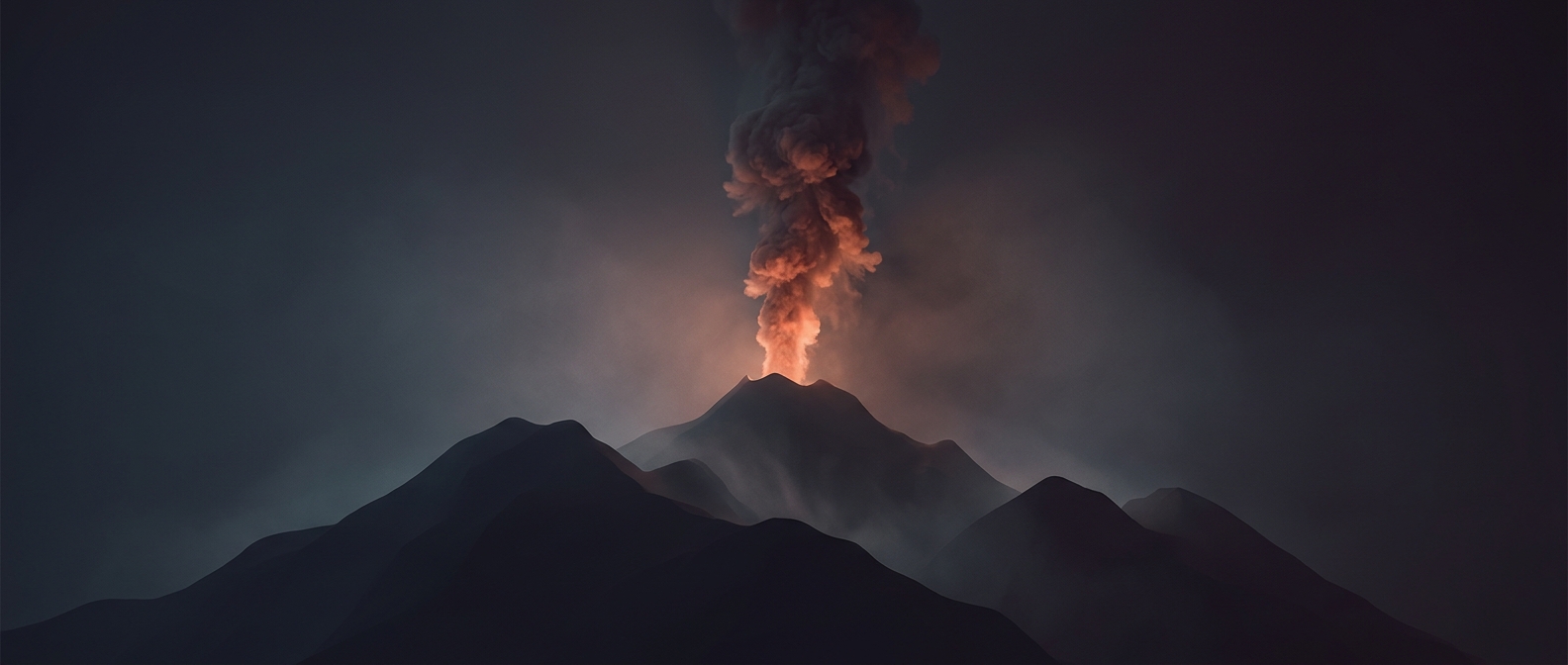
As the plume approaches shallower depths, the pressure around it falls. That pressure change lets some of the hot rock melt, in a process called decompression melting. The resulting magma is less dense than the surrounding solid rock, so it can rise through cracks and other weaknesses in the crust and sometimes erupt at the surface.
How one plume can leave a chain
A plume’s source can remain roughly in place while the tectonic plate above it moves. The first volcano forms over the upwelling; as the plate carries that volcano away, a new one may form above the plume. Repeated eruptions can therefore build a line of volcanic islands or seamounts, with older volcanoes farther from the active source.
The chain is a record of two motions at once: hot rock rising from deep within Earth and the surface plate sliding across it. It is not the plume itself sweeping sideways beneath the crust. Because the plume supplies heat and melt from below, volcanism can persist even far from the boundaries where tectonic plates meet.