Why Mountain Water Boils Before It Gets as Hot
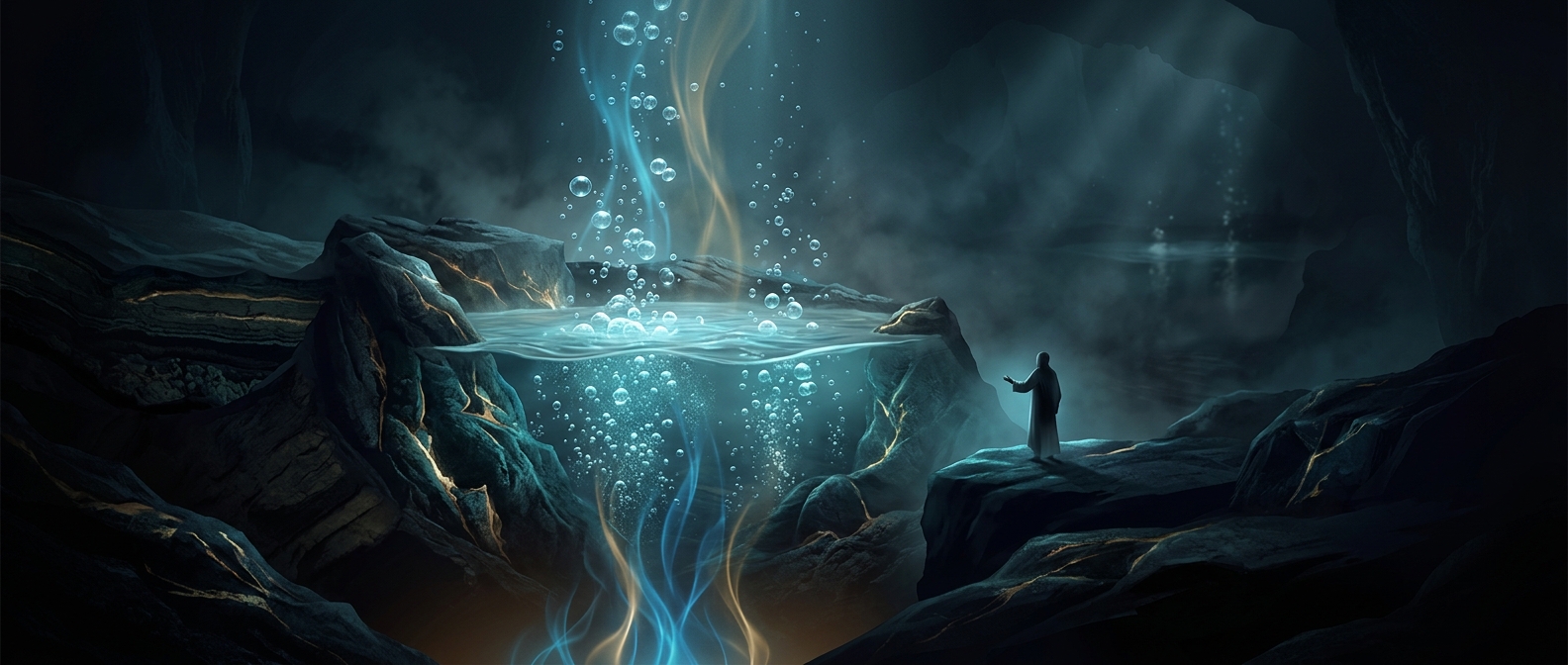
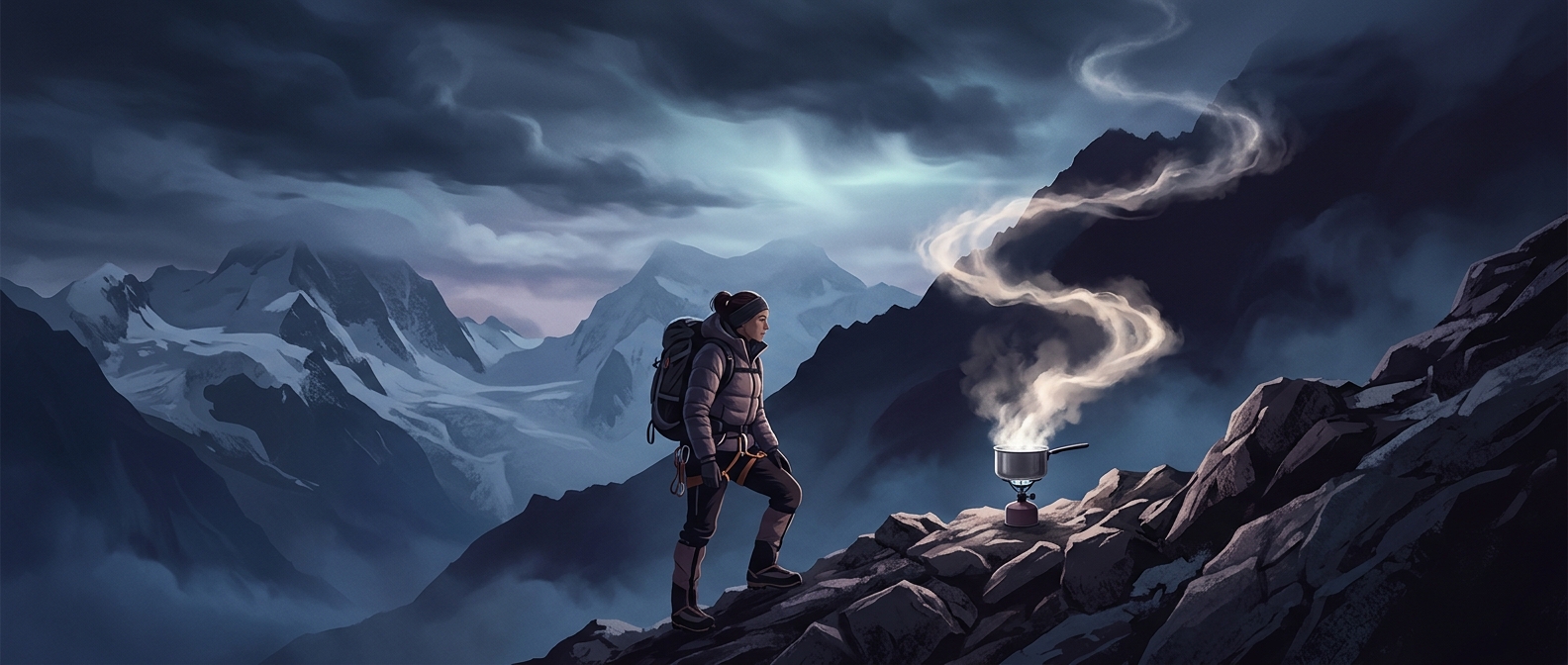
A bubble can grow in boiling water only when the water vapor inside it pushes outward strongly enough to resist the pressure around it. At sea level, the atmosphere presses firmly on the water, so it must get quite hot before vapor bubbles can expand throughout the liquid. Higher up, the thinner atmosphere exerts less pressure. The threshold is lower, and water boils at a lower temperature.
Boiling is therefore not a fixed-temperature event: it happens when a liquid’s vapor pressure—the pressure created by its escaping molecules—matches the surrounding pressure. Lower the surrounding pressure, and that match occurs sooner. The water is still boiling vigorously, but it is not as hot as boiling water at sea level.
Why Dinner Takes Longer
That temperature limit matters in the kitchen. Once a pot is boiling, adding more heat mostly makes the water evaporate faster; it does not raise its temperature much above its boiling point. On a mountain, pasta or beans are consequently cooking in cooler water, so they may need more time to soften. A rolling boil can look forceful while delivering less heat to the food than a sea-level cook expects.
A pressure cooker addresses the problem in reverse. Its sealed lid lets pressure build inside, raising the temperature at which water boils. The hotter liquid can transfer heat to food more quickly—useful when the surrounding atmosphere has lowered the ordinary boiling point.
The practical surprise is that “boiling” describes a pressure-dependent change of state, not a guarantee that water has reached one universal temperature. At altitude, the bubbles may be lively, but the pot has a lower heat ceiling.